
Featured Purification & Catalyst Products for H₂O₂ Production
Understanding Activated Alumina in Hydrogen Peroxide Production
Hydrogen peroxide (H₂O₂) is a critical industrial chemical widely utilized in pulp and paper bleaching, textile processing, wastewater treatment, chemical synthesis, and electronics manufacturing. The dominant technology for commercial production of hydrogen peroxide is the alky-anthraquinone auto-oxidation (AO) process. In this cyclical process, a working solution containing alkyl-anthraquinone dissolved in organic solvents is alternately hydrogenated and oxidized. However, during these continuous chemical cycles, side reactions inevitably occur, producing inactive anthraquinone derivatives, epoxides, and other degradation products. If left untreated, these degradation products accumulate, decreasing the concentration of active working components, reducing reaction selectivity, and ultimately lowering the efficiency of the entire system.
This is where activated alumina acts as a vital agent. Positioned within the regeneration and purification towers, activated alumina adsorbs acidic impurities, decomposes unwanted degradation compounds, and regenerates inactive derivatives (such as tetrahydro-anthraquinone epoxides) back into active anthraquinone molecules. The quality, pore structure, and mechanical properties of activated alumina directly dictate the efficiency of this regeneration process, making it one of the most critical operational consumables in a hydrogen peroxide plant.
SEO Insight: The efficiency of the anthraquinone process heavily relies on the chemical stability and regeneration capability of the catalyst bed. Choosing the right activated alumina directly affects the overall operational expenditure (OpEx) of the production facility.
Why Activated Alumina Quality Dictates Operational Efficiency
Not all activated alumina is created equal. The regeneration of working solution components requires specific active sites on the alumina surface. Low-grade alumina with inconsistent pore size distributions or high sodium oxide (Na₂O) content can cause secondary reactions or fail to convert epoxides back into active anthraquinone. This results in faster degradation of the working solution, requiring expensive replenishment of alkyl-anthraquinone. Therefore, understanding the relationship between the activated alumina price for hydrogen peroxide production and its long-term performance benefits is crucial for procurement managers and process engineers alike.
Decoding the Activated Alumina Price Landscape
When analyzing the activated alumina price for hydrogen peroxide production, industrial buyers must look beyond the initial cost per metric ton. The price of activated alumina is influenced by several fundamental industrial factors:
- Raw Material Cost (Gibbsite and Alumina Trihydrate): The primary raw material for activated alumina is high-purity alumina trihydrate. Fluctuations in bauxite mining, refining energy costs, and global demand for aluminum metal directly impact the baseline cost of raw alumina materials.
- Calcination and Activation Energy: The transition of raw aluminum hydroxide to active gamma-alumina requires high-temperature calcination. Energy-intensive industries are highly sensitive to natural gas and electricity prices, which represent a significant portion of the manufacturing cost.
- Physical and Chemical Specifications: Premium activated alumina features high mechanical crush strength (preventing powdering and bed compaction), optimized pore volume (typically between 0.35 to 0.50 cm³/g), and a high specific surface area (exceeding 300 m²/g). Manufacturing alumina with these precise physical properties requires specialized technology and quality control, which commands a premium price.
- Na₂O (Sodium Oxide) Control: High sodium content can lead to excessive alkalinity, causing side reactions in the working solution. Low-sodium activated alumina requires additional washing steps, which increases processing costs but delivers superior performance.
The Total Cost of Ownership (TCO) Paradigm
While low-cost activated alumina might seem attractive during procurement, it often leads to premature degradation, dust formation, and frequent bed blockages. Alumina dust can migrate into downstream equipment, fouling filters and poisoning hydrogenation catalysts. The cost of plant downtime, labor for bed replacement, and the loss of expensive working solution components far outweighs the price savings of cheap, low-grade alumina. Investing in premium-grade activated alumina ensures a longer service life, less chemical waste, and more stable hydrogen peroxide output.
Advanced Application Scenarios in Modern H₂O₂ Plants
The integration of activated alumina within hydrogen peroxide production plants occurs at multiple critical stages. Understanding these specific application scenarios helps engineers select the correct grade and optimize operation parameters:
1. Working Solution Regeneration
In this stage, the oxidized working solution passes through a bed of activated alumina. The alumina converts the inactive tetrahydro-anthraquinone epoxides back into active anthraquinone. This process requires precise control of the space velocity and operating temperature (typically maintained between 40°C and 60°C) to maximize conversion efficiency without inducing secondary degradation reactions.
2. Acid and Moisture Adsorption
Activated alumina acts as a desiccant and acid scavenger. It removes trace amounts of water and phosphoric acid carried over from the extraction stage. If phosphoric acid enters the hydrogenation reactor, it can poison the precious metal catalysts (such as palladium). Thus, the alumina bed serves as a protective guard layer for the highly expensive hydrogenation catalyst.
Technical Performance Metrics to Monitor
To ensure optimal performance, process engineers must monitor several key performance indicators (KPIs) of the activated alumina beds, including:
- Pressure Drop Across the Bed: An increase in pressure drop indicates alumina degradation or powdering, requiring immediate attention to avoid flow restriction.
- Regeneration Yield: Tracking the concentration of active anthraquinone in the working solution before and after the alumina bed determines the regeneration efficiency.
- Alumina Lifetime: High-quality activated alumina should maintain its structural integrity and chemical activity for 12 to 24 months, depending on the specific plant configuration and operating conditions.
Shanghai Jiuzhou Chemicals: A Trusted Leader in Catalyst & Adsorbent Technology
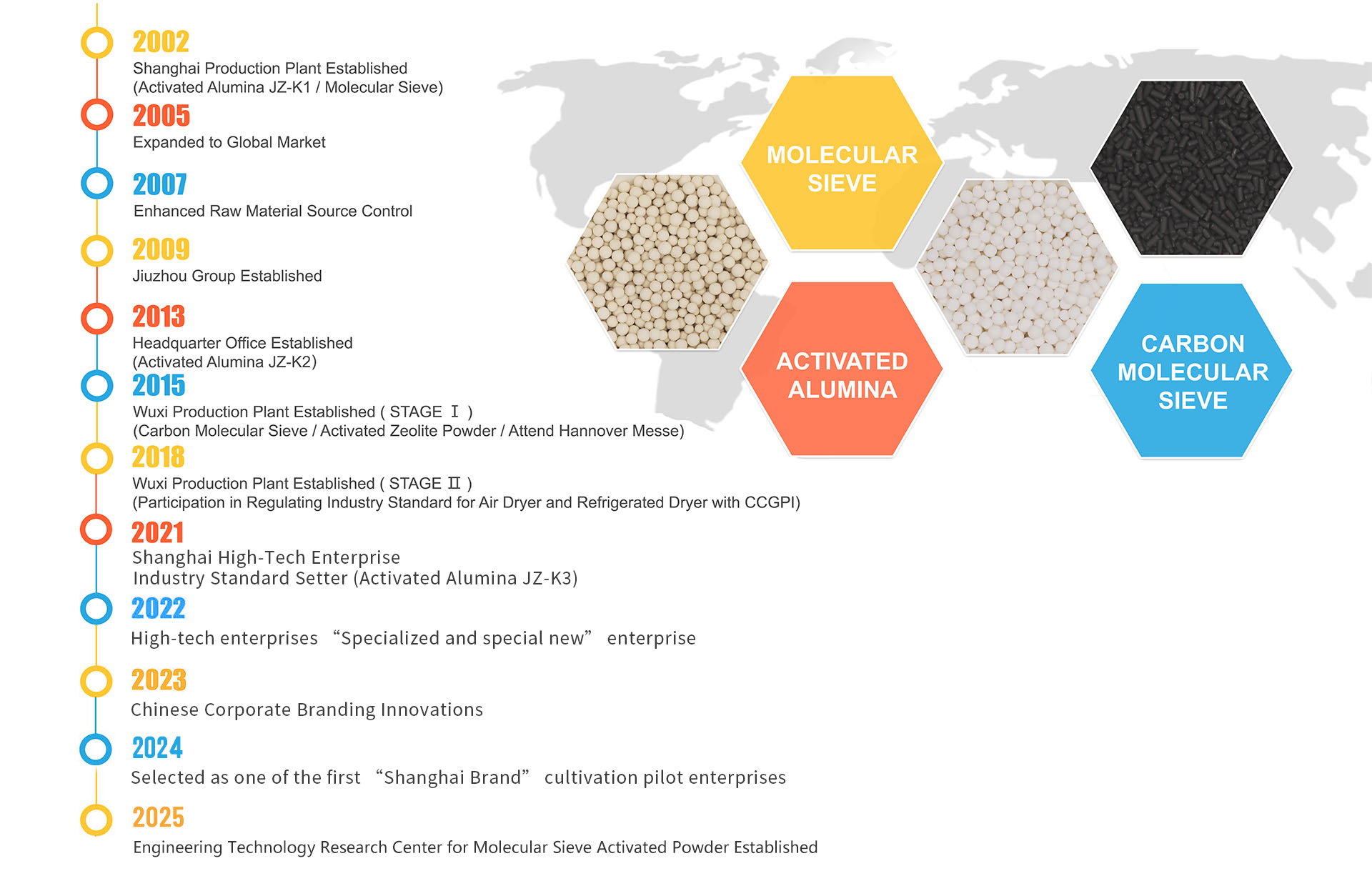
Shanghai Jiuzhou Chemicals Co., Ltd. Located in the biggest Economic Development city Shanghai. Over the years Jiuzhou has always adhered to the “quality control, innovation “principles, committed to the development, research, manufacturing of high quality innovative chemical products. Our main products includes various molecular sieve powders, molecular sieves, activated powder, activated alumina, aluminum oxide catalysts, different types of alumina packing and ceramic balls, sodium silicates, aluminum hydroxide,zeolite 4A, sodium carbonates, SLES, etc. Our all products passed the ISO9001: 2008 quality management system certification and TUV & SGS Certification.
Jiuzhou factory has a professional and world-class research team and experts in chemical product resources.We use the best in international prodution technonlogy and professional production equipment, constructed in line with national standards and by the large multipurpose plant monitoring, analysis instrument composition the central laboratory. And in quality inspection aspect Jiuzhou have controlled and that products meet international standards.
Jiuzhou's technical strength and industry reputation are leading the industry in the field f desiccants, with senior experts and technical reserves, automated multi-unctional production workshops, and a central laboratory and dynamic laboratory composed of large-scale monitoring and analysis instruments. It is in quality control And in terms of supporting services, a set of scientific and complete operating system has been established Joozeo products are exported to all parts of the world, and have established a distribution network in the United States, Southeast Asia, Japan, Europe, North and South America, the Middle East and other places to provide parthers with high-quality products, customized services, and more eneray-saving and environmentally friendly adsorption solutions.
Global Market Trends & Future Outlook
The global demand for hydrogen peroxide is projected to grow steadily over the next decade. This growth is primarily driven by the pulp and paper industry's transition away from chlorine-based bleaching agents, and the chemical industry's adoption of green synthesis routes, such as the HPPO (Hydrogen Peroxide to Propylene Oxide) process. Consequently, the demand for high-performance activated alumina is also rising.
In terms of technology, future trends are shifting toward customized activated alumina products. Modern hydrogen peroxide plants are increasingly requesting tailor-made pore size distributions and surface chemistries to match their specific working solution formulations. Manufacturers who can offer high-selectivity alumina that reduces anthraquinone consumption will hold a significant competitive advantage in the market, even at a higher initial price point.
Furthermore, sustainability and environmental regulations are influencing manufacturing practices. The production of activated alumina is energy-intensive, and manufacturers are actively investing in energy-efficient calcination technologies and green energy sources to reduce their carbon footprint. This shift toward sustainable production may influence the future pricing structure of activated alumina, making efficiency and long service life even more critical for end-users.
Complete Product Portfolio for Industrial Purification
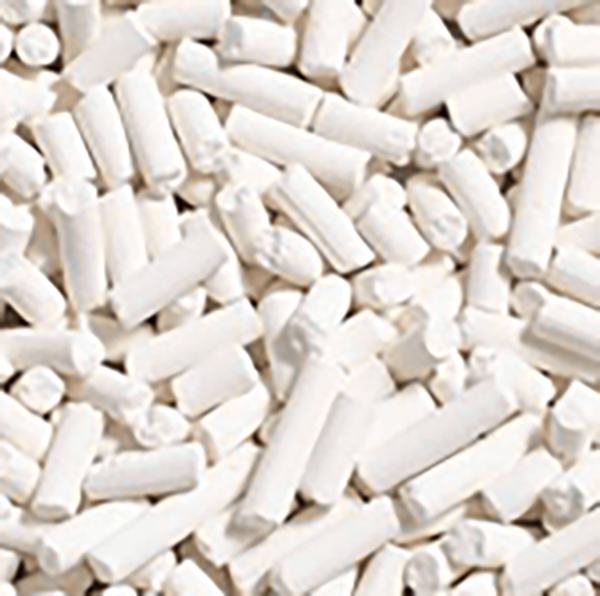 Duralyst Ti-850 H₂O₂ Catalyst Carrier
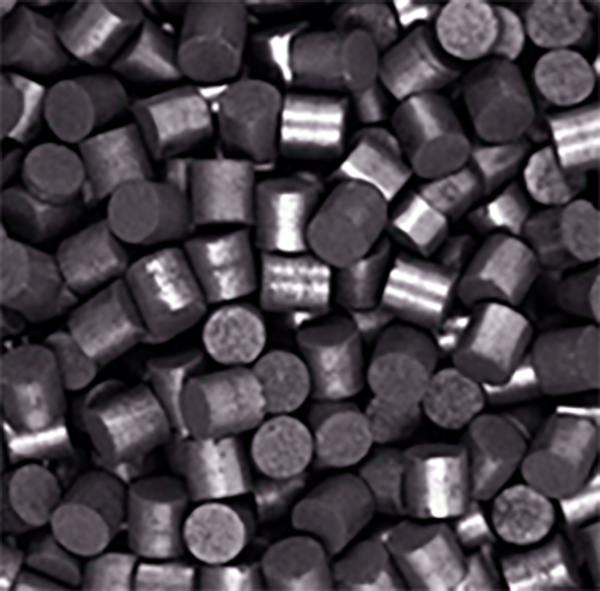 Duralyst DO-16T Anthraquinone Purifier
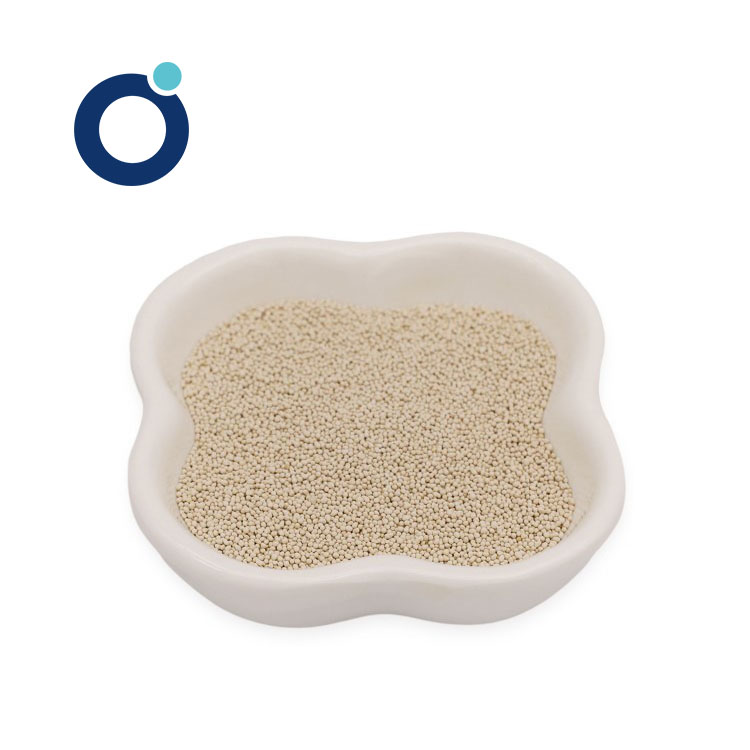 Oxygen Molecular Sieve JZ-OM for H₂O₂ Oxidation
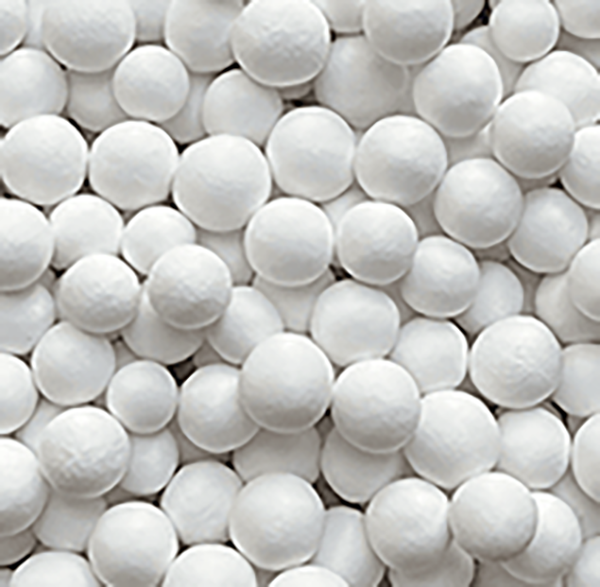 JooSorb AC-12 Activated Alumina for H₂O₂
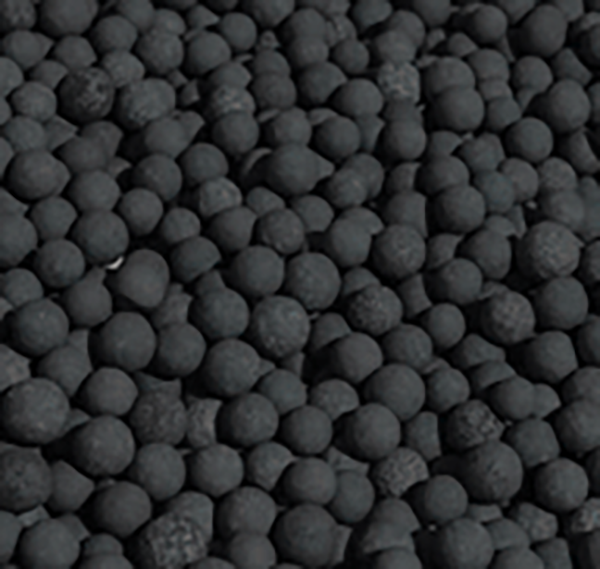 DuraChem CAM-20S Acid Adsorbent
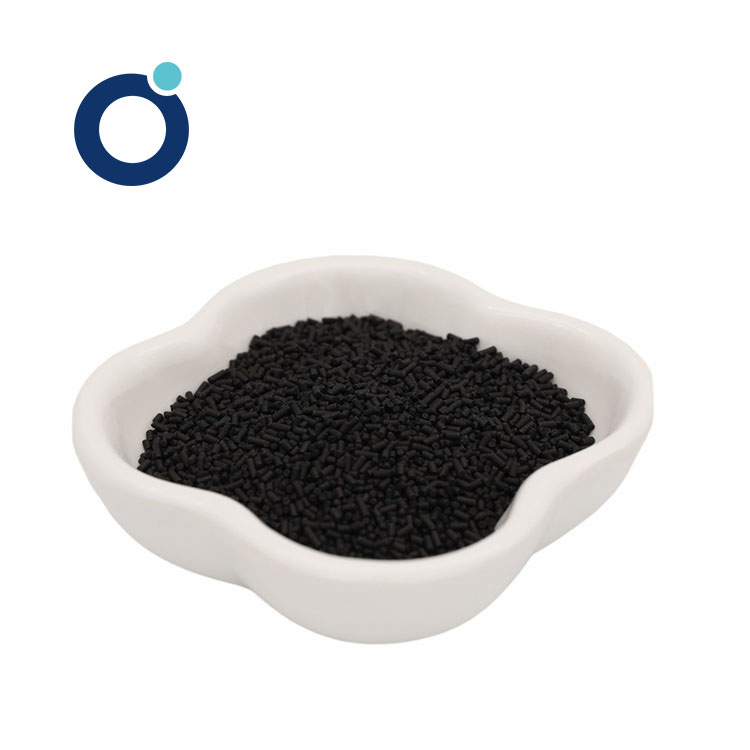 Carbon Molecular Sieve JZ-CMS Nitrogen Generator
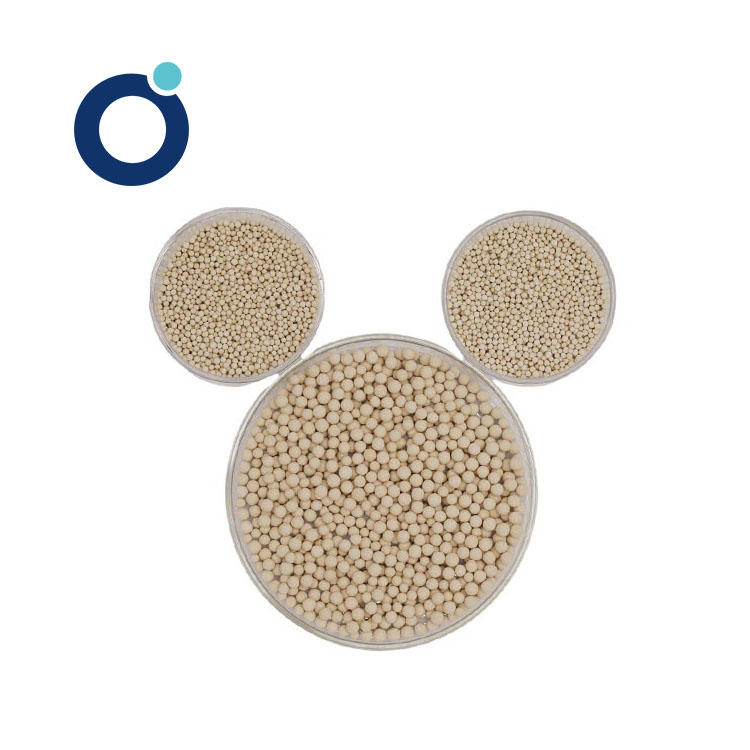 Molecular Sieve JZ-ZNG Working Solution Dehydrator
 DuraChem CZS-12T Heavy Metal Adsorbent