1. The Role of Activated Alumina in Petrochemical Refining
Petrochemical refining stands as the backbone of modern industrial manufacturing, supplying the essential hydrocarbons, polymers, and chemical intermediates that power global economies. Within this highly complex ecosystem, the purity of feedstocks is paramount. Even trace impurities can lead to irreversible catalyst poisoning, equipment corrosion, and compromised end-product quality. To combat these challenges, industrial engineers rely on highly efficient adsorbent technologies. Among these, Activated Alumina is a cornerstone material.
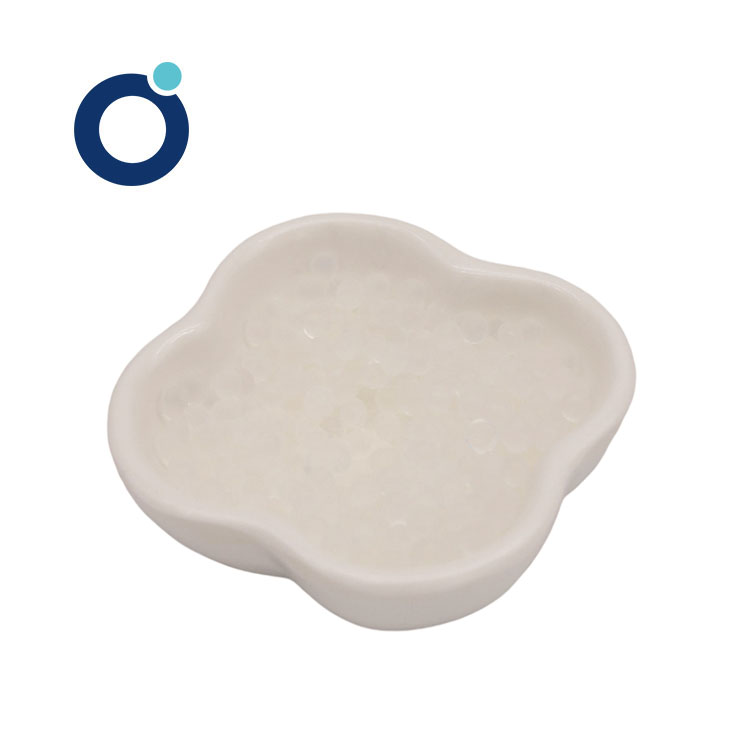
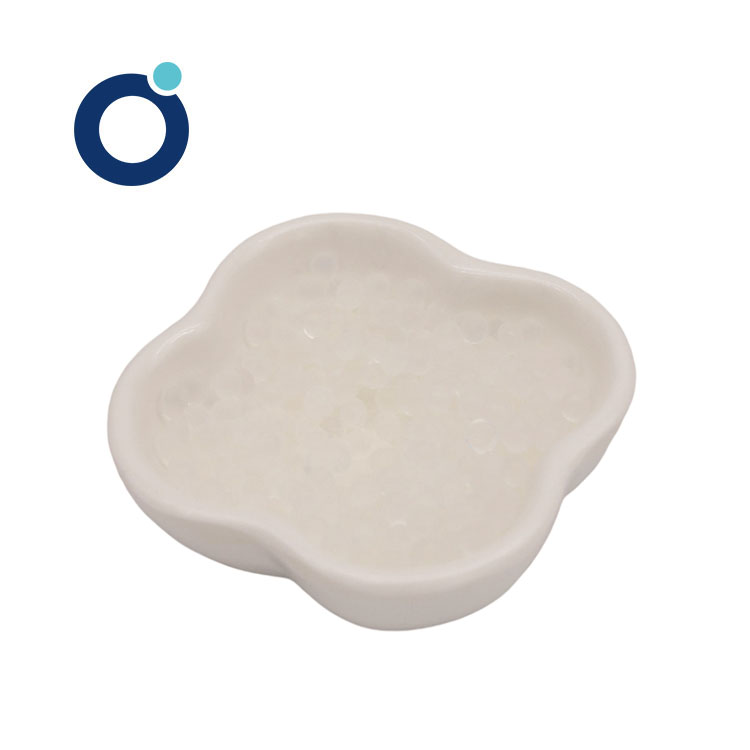
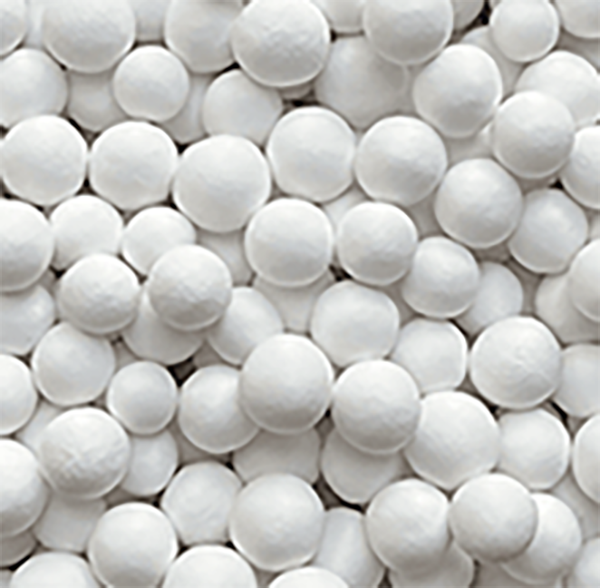
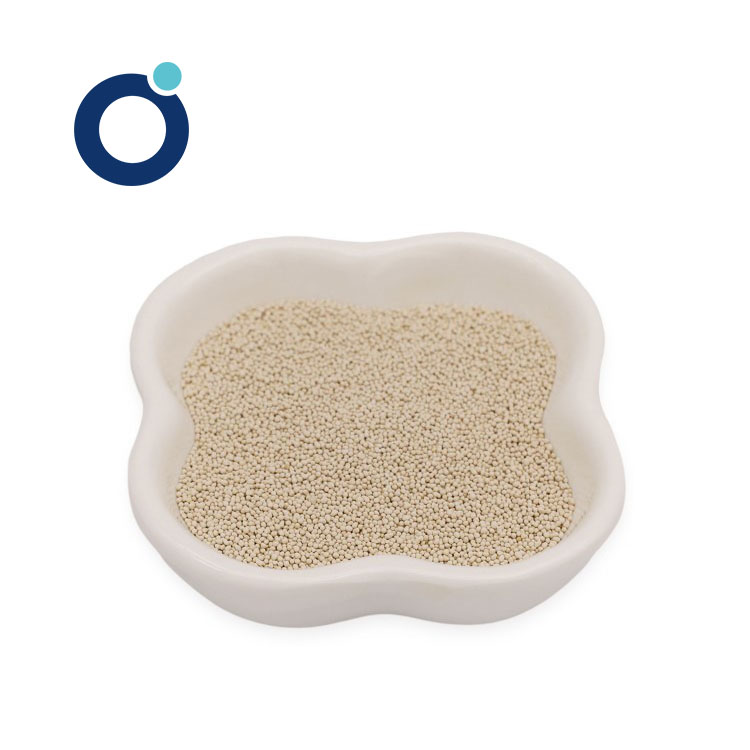
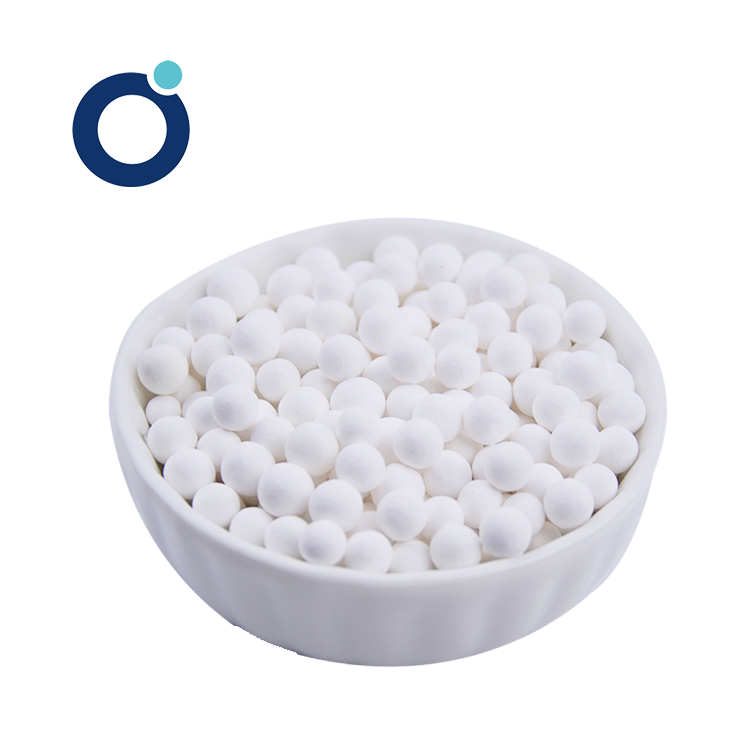
Activated alumina is a highly porous form of aluminum oxide (Al₂O₃) with an exceptionally high surface-area-to-weight ratio. Its surface is populated with active hydroxyl groups and Lewis acid-base sites, making it highly reactive toward polar molecules. In petrochemical refining, activated alumina acts as a molecular sieve, desiccant, and catalyst carrier, selectively removing contaminants such as water vapor, acid gases, fluorides, and heavy metal compounds from gaseous and liquid hydrocarbon streams.
A single gram of high-quality activated alumina can present a surface area exceeding 300 square meters. This immense internal network of pores allows for maximum contact between the hydrocarbon feed and the active sites, ensuring complete adsorption of impurities even at high flow velocities and extreme pressures.
2. Deep Dive: Key Applications in Petrochemical Refining
A. Gas and Liquid Dehydration
Water is one of the most common and destructive contaminants in petrochemical processing. In cryogenic separation units, trace moisture can freeze, causing catastrophic line blockages and pressure drops. Furthermore, moisture promotes corrosion when combined with acidic gases like carbon dioxide (CO₂) and hydrogen sulfide (H₂S). Activated alumina is widely deployed in desiccant dryers to dehydrate natural gas, cracked gas, liquefied petroleum gas (LPG), and liquid hydrocarbons. Its high thermal stability allows it to undergo repeated regeneration cycles without significant loss of structural integrity.
B. Catalyst Protection and Guard Beds
Modern petrochemical synthesis relies heavily on expensive noble metal catalysts (such as platinum, palladium, and rhodium) for processes like isomerization, reforming, and polymerization. Impurities like arsenic, mercury, sulfur compounds, and chlorides present in feedstocks can react with these active catalyst sites, rendering them permanently inactive. Guard beds packed with specialized activated alumina are placed upstream of these reactors to capture these catalytic poisons, extending the lifespan of the primary catalyst and saving millions of dollars in operational costs.
C. Fluoride Removal in Alkylation Units
Alkylation units combine olefins (propylene, butylene) with isobutane in the presence of an acid catalyst (hydrofluoric acid or sulfuric acid) to produce high-octane alkylate gasoline. Hydrofluoric (HF) alkylation processes inevitably release organic fluorides and trace HF into the product streams. Activated alumina is highly effective at chemisorbing these fluorides, preventing downstream corrosion of piping, heat exchangers, and storage vessels, while ensuring compliance with stringent environmental standards.
D. Claus Catalyst Support and Tail Gas Treatment
In the desulfurization of natural gas and refinery gases, the Claus process is the standard method for converting toxic hydrogen sulfide (H₂S) into elemental sulfur. Activated alumina serves as both the catalyst and the catalyst support in Claus converters. Its optimized pore structure facilitates the reaction between H₂S and sulfur dioxide (SO₂), driving high conversion efficiency and reducing sulfur emissions into the atmosphere.
3. Commercial and Industrial Landscape
The global market for activated alumina in petrochemical refining is experiencing robust growth, driven by expanding refining capacities in the Asia-Pacific region, the Middle East, and North America. As environmental regulations become increasingly stringent regarding sulfur content in transportation fuels and emissions from industrial facilities, refiners are pushed to optimize their purification processes.
Currently, industrial operators are prioritizing operational efficiency and sustainability. The demand is shifting toward high-performance activated alumina variants that offer:
- Higher Crushing Strength: To withstand high mechanical stress in large-scale adsorption columns and prevent dusting.
- Optimized Pore Size Distribution: Custom-engineered pore structures tailored to selectively target specific molecular sizes.
- Low Regeneration Temperatures: Energy-efficient formulations that require less heat during desorption cycles, reducing carbon footprints.
4. Future Trends: AI and Advanced Alumina Synthesis
The integration of Artificial Intelligence (AI) and machine learning in chemical engineering is revolutionizing how activated alumina is synthesized and utilized. Computational chemistry models are now used to simulate the molecular interaction between alumina surfaces and complex hydrocarbon mixtures. This allows manufacturers to design "smart" adsorbents with custom-tailored surface chemistries for highly specific refining challenges.
Furthermore, real-time sensor technologies and AI-driven predictive maintenance are being implemented in refinery dryer units. By monitoring temperature profiles, pressure drops, and moisture breakthrough curves, AI algorithms can predict precisely when an activated alumina bed needs regeneration or replacement, maximizing bed life and minimizing unplanned downtime.
5. Environmental and Sustainability Impact
Sustainability is no longer an option; it is a license to operate in the modern petrochemical industry. Activated alumina plays a dual role in green refining. First, it directly enables the production of cleaner-burning fuels by removing sulfur and nitrogen compounds. Second, because activated alumina is a fully regenerable material, it aligns with circular economy principles. Spent alumina can often be reprocessed or repurposed in other industrial sectors, such as refractory manufacturing or ceramic production, reducing solid waste.
About Shanghai Jiuzhou Chemicals
Shanghai Jiuzhou Chemicals Co., Ltd. Located in the biggest Economic Development city Shanghai. Over the years Jiuzhou has always adhered to the “quality control, innovation “principles, committed to the development, research, manufacturing of high quality innovative chemical products. Our main products includes various molecular sieve powders, molecular sieves, activated powder, activated alumina, aluminum oxide catalysts, different types of alumina packing and ceramic balls, sodium silicates, aluminum hydroxide,zeolite 4A, sodium carbonates, SLES, etc. Our all products passed the ISO9001: 2008 quality management system certification and TUV & SGS Certification.
Jiuzhou factory has a professional and world-class research team and experts in chemical product resources.We use the best in international prodution technonlogy and professional production equipment, constructed in line with national standards and by the large multipurpose plant monitoring, analysis instrument composition the central laboratory. And in quality inspection aspect Jiuzhou have controlled and that products meet international standards.
Jiuzhou's technical strength and industry reputation are leading the industry in the field f desiccants, with senior experts and technical reserves, automated multi-unctional production workshops, and a central laboratory and dynamic laboratory composed of large-scale monitoring and analysis instruments. It is in quality control And in terms of supporting services, a set of scientific and complete operating system has been established Joozeo products are exported to all parts of the world, and have established a distribution network in the United States, Southeast Asia, Japan, Europe, North and South America, the Middle East and other places to provide parthers with high-quality products, customized services, and more eneray-saving and environmentally friendly adsorption solutions.
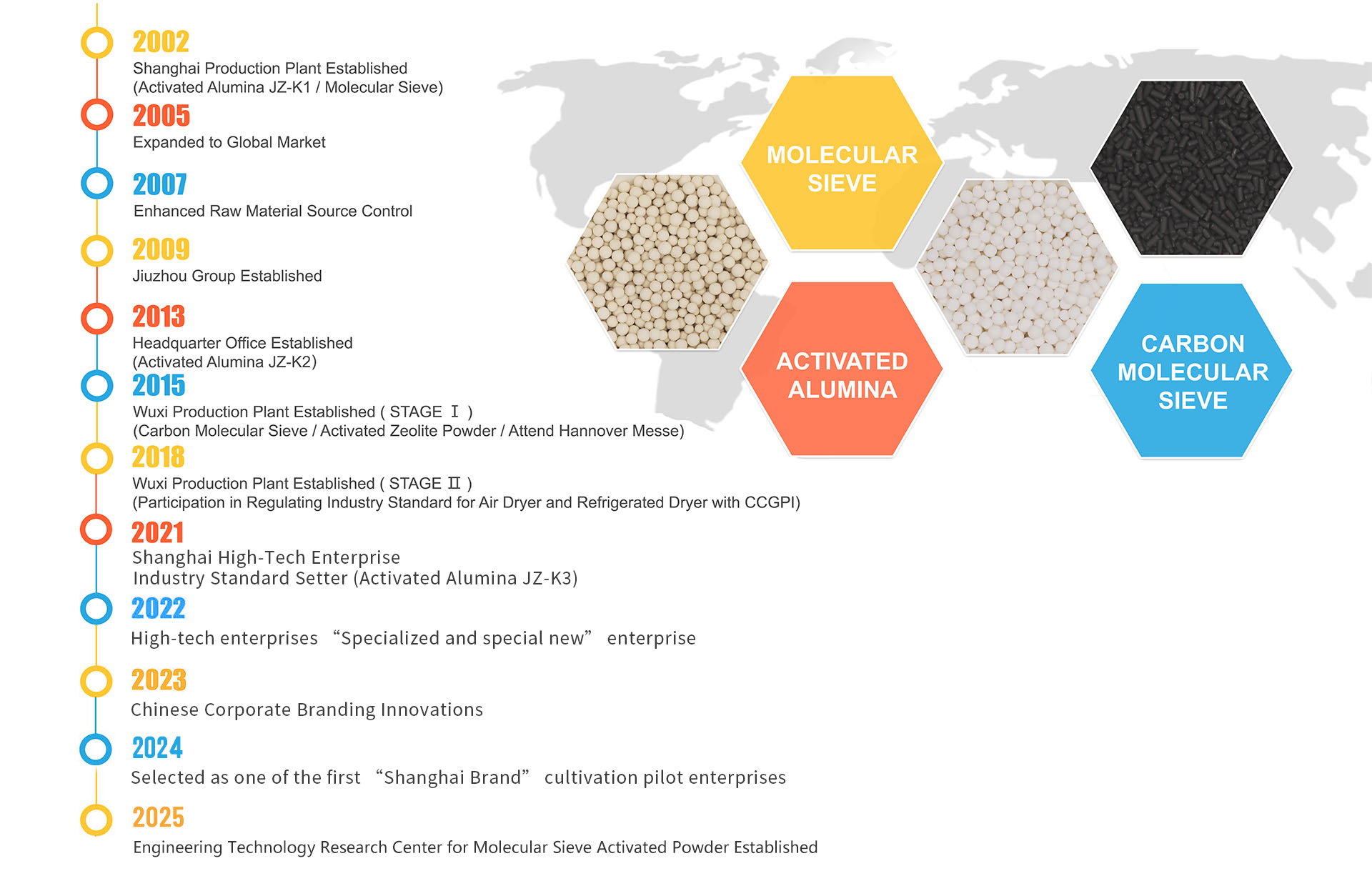
Our Complete Petrochemical Refining Product Line