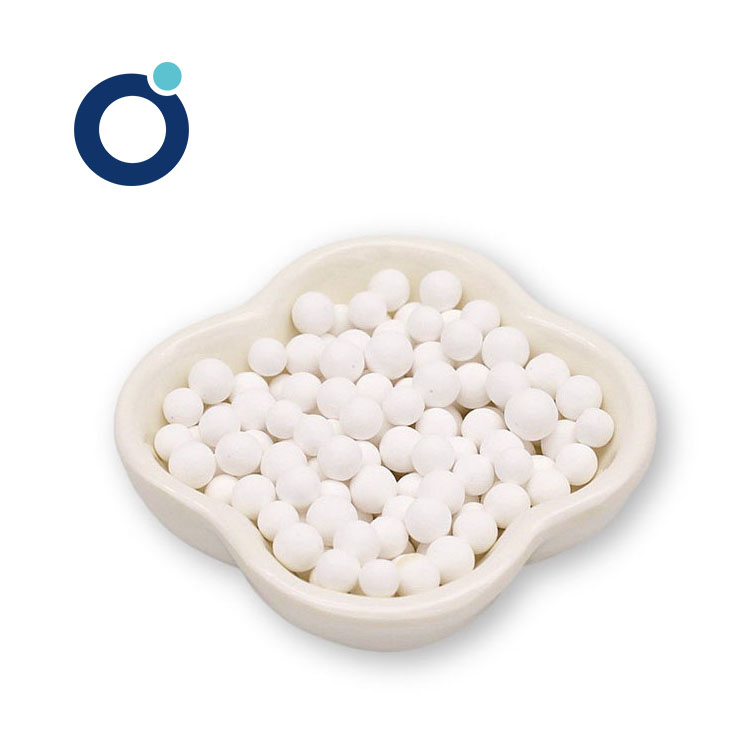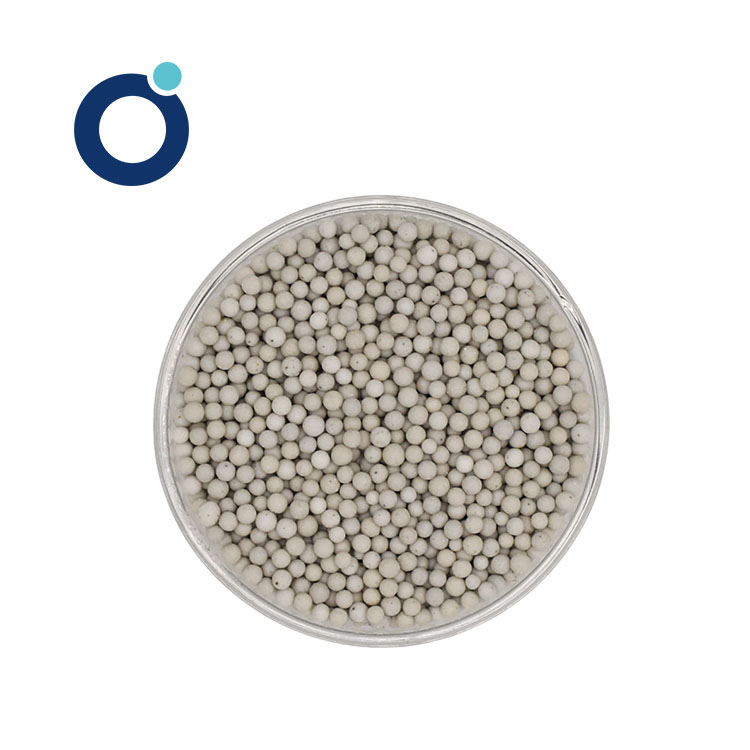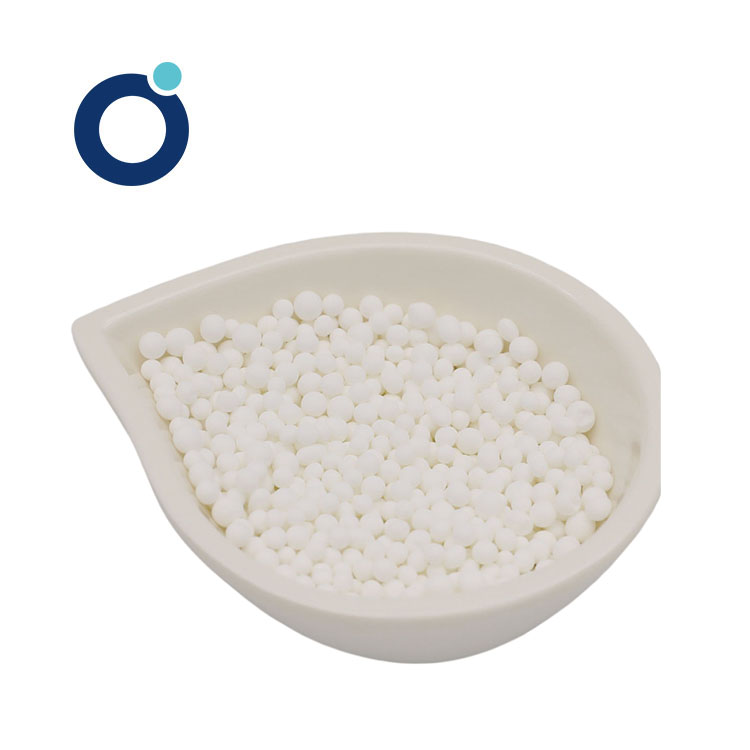
Featured Adsorption Products for Air Drying Systems
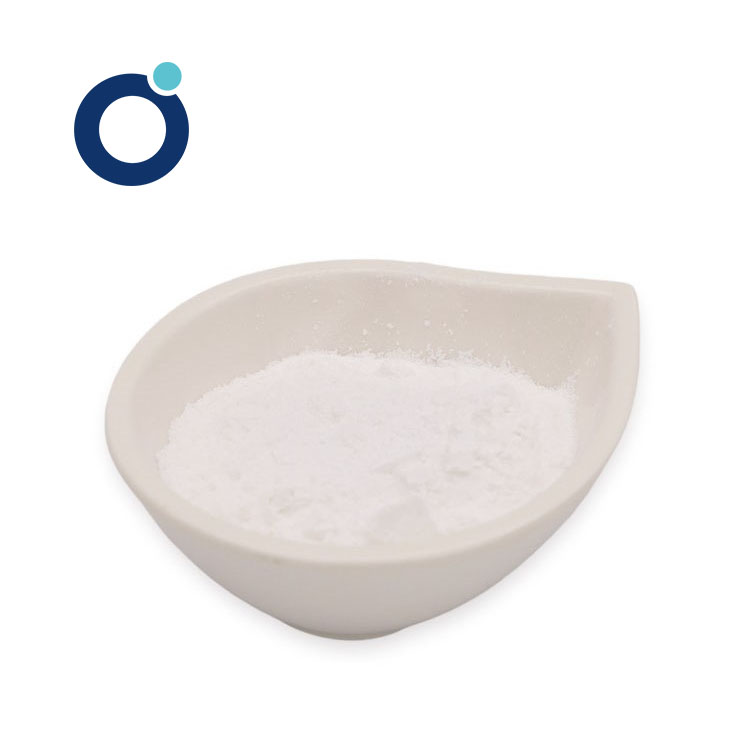
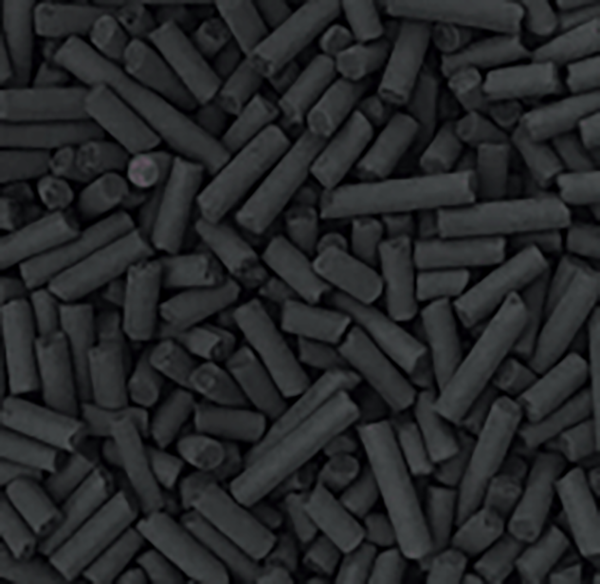
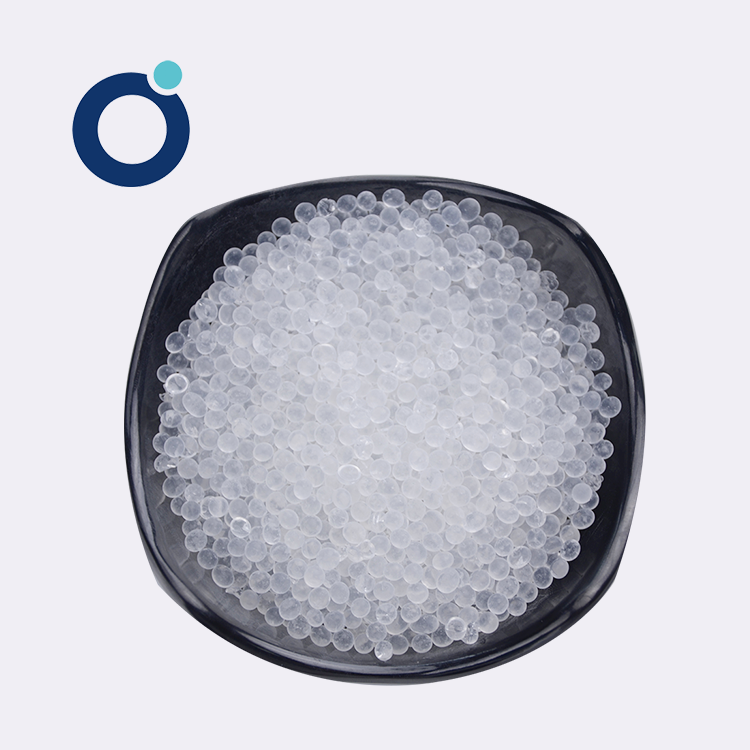
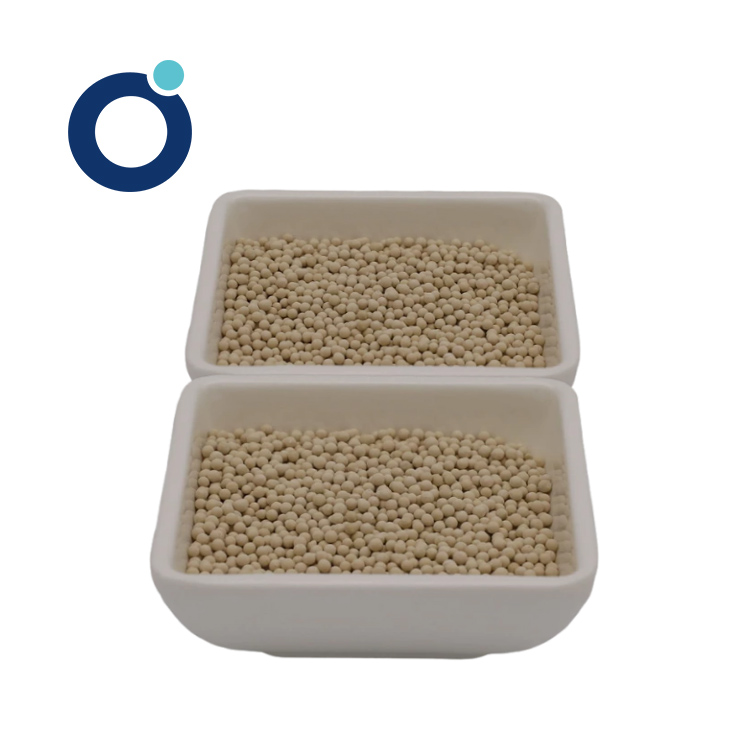
Industrial Significance of Alumina Catalysts in Compressed Air Systems
Compressed air is often referred to as the "fourth utility" in modern manufacturing and process industries. From driving pneumatic machinery to safeguarding sensitive instrumentation in petrochemical facilities, the reliability of compressed air systems directly dictates operational uptime. However, ambient air drawn into compressors contains substantial water vapor. When compressed, this moisture concentrates, leading to liquid water condensation inside pipelines. This phenomenon triggers corrosion, pneumatic tool failures, frozen lines, and product contamination.
To combat moisture, industrial facilities rely on desiccant air dryers. At the heart of these drying units lies the alumina catalyst—specifically, activated alumina. Known for its exceptional thermal stability, massive surface area, and high mechanical strength, activated alumina acts as the primary physical adsorption agent. It selectively captures water molecules from the flowing compressed air stream, ensuring pressure dew points (PDP) as low as -40°C to -70°C.
Why Activated Alumina Dominates Compressed Air Dehydration
Unlike standard absorbents, activated alumina features a highly porous structure with a surface area typically exceeding 300 m²/g. Its surface is populated with hydroxyl groups, making it highly polar and capable of forming strong physical bonds with water molecules without undergoing chemical structural degradation.
Deep Dive: How Activated Alumina Functions in Desiccant Dryers
The adsorption process in a compressed air dryer operates under two primary thermodynamic principles: Pressure Swing Adsorption (PSA) or Thermal Swing Adsorption (TSA). In PSA systems (often called heatless dryers), two desiccant towers operate in tandem. One tower adsorbs moisture from the compressed air at system pressure, while the other tower regenerates at atmospheric pressure using a portion of the dried air (purge air).
In TSA systems (heated or blower purge dryers), heat is applied to release the adsorbed water molecules from the alumina catalyst's active sites. The thermal stability of alumina is crucial here; it must withstand repeated thermal cycling (often up to 200°C or higher) without structural collapse or loss of pore volume. The high crush strength of premium activated alumina prevents the beads from disintegrating under the rapid pressure fluctuations and high velocity of the air stream, mitigating the risk of downstream desiccant dusting which can clog filters and damage pneumatic valves.
Commercial & Industrial Status of the Alumina Catalyst Market
The global market for activated alumina catalysts is experiencing robust growth, driven by the expansion of automated manufacturing, electronics, and pharmaceutical sectors. In these industries, even minor moisture contamination can result in catastrophic product defects or system shutdowns. Modern environmental regulations and carbon reduction mandates are also shifting design preferences towards energy-efficient compressed air systems.
Manufacturers are demanding alumina catalysts that exhibit lower regeneration energy requirements. By optimizing the pore size distribution, advanced alumina catalysts allow water molecules to desorb at slightly lower temperatures or with less purge air, directly reducing the operating expenses (OPEX) of industrial plants. The focus has moved from simple commodity adsorbents to highly engineered, specialized alumina catalysts tailored for specific gas compositions and dynamic operating envelopes.
Shanghai Jiuzhou Chemicals: Industry Pioneers
Global Chemical Manufacturing Excellence
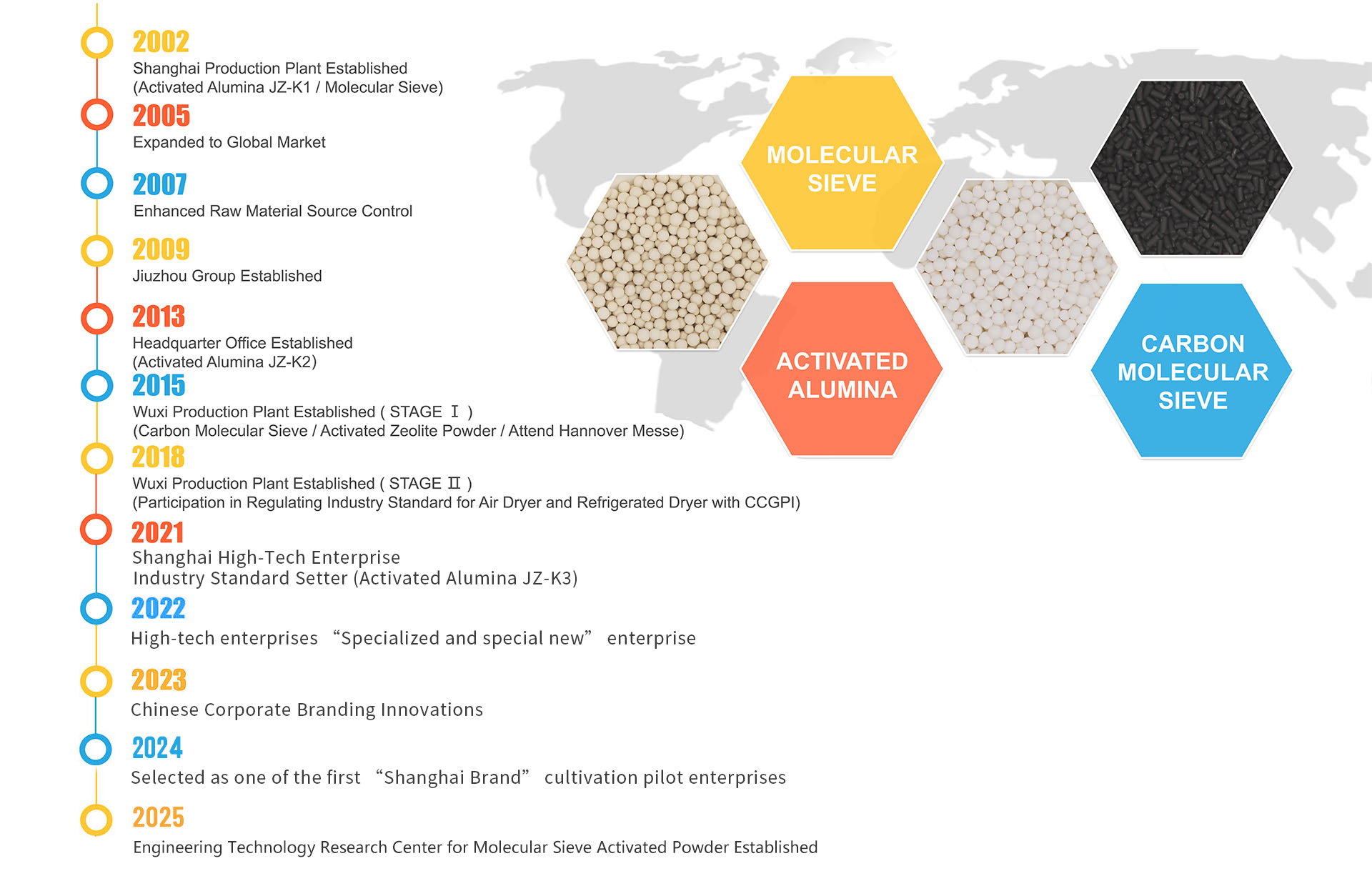
Shanghai Jiuzhou Chemicals Co., Ltd. is located in the biggest Economic Development city, Shanghai. Over the years, Jiuzhou has always adhered to the "quality control, innovation" principles, committed to the development, research, and manufacturing of high-quality innovative chemical products. Our main products include various molecular sieve powders, molecular sieves, activated powder, activated alumina, aluminum oxide catalysts, different types of alumina packing and ceramic balls, sodium silicates, aluminum hydroxide, zeolite 4A, sodium carbonates, SLES, etc. All our products have passed the ISO9001: 2008 quality management system certification and TUV & SGS Certification.
Jiuzhou factory has a professional and world-class research team and experts in chemical product resources. We use the best in international production technology and professional production equipment, constructed in line with national standards and by the large multipurpose plant monitoring, analysis instrument composition the central laboratory. In the quality inspection aspect, Jiuzhou has controlled and ensured that products meet international standards.
Jiuzhou's technical strength and industry reputation are leading the industry in the field of desiccants, with senior experts and technical reserves, automated multi-functional production workshops, and a central laboratory and dynamic laboratory composed of large-scale monitoring and analysis instruments. In terms of quality control and supporting services, a scientific and complete operating system has been established. Joozeo products are exported to all parts of the world, and we have established a distribution network in the United States, Southeast Asia, Japan, Europe, North and South America, the Middle East, and other places to provide partners with high-quality products, customized services, and more energy-saving and environmentally friendly adsorption solutions.
Deep Application Scenarios of Alumina Catalysts
The application of alumina catalysts in compressed air dryers is not a one-size-fits-all solution. Depending on the industry, the requirements for dew point, gas purity, and catalyst life vary significantly. Below are the key sectors where activated alumina catalysts are mission-critical:
1. Petrochemical and Oil & Gas Refineries
In refineries, instrument air must be extremely dry to prevent the freezing of control valves in outdoor environments, especially during winter. Alumina catalysts are preferred here due to their resistance to acidic gases and trace hydrocarbons. Standard silica gels deteriorate rapidly in the presence of heavy hydrocarbons, but activated alumina maintains its structural integrity and adsorption capacity, ensuring continuous operations in harsh, volatile environments.
2. Food, Beverage, and Pharmaceutical Packaging
In these sectors, compressed air comes into direct contact with products. Moisture in the air can foster bacterial growth and mold within the piping system. Using high-grade activated alumina ensures a sterile, dry environment. Furthermore, because alumina is non-toxic and chemically inert, it poses no contamination risk, meeting stringent FDA and health standards worldwide.
Key Technical Parameters for Optimal Catalyst Performance
- High Crush Strength: Minimizes dusting and downstream contamination.
- Optimal Pore Size Distribution: Maximizes water retention capacity per cycle.
- Low Attrition Rate: Ensures a service life of 3 to 5 years under continuous cycling.
- Uniform Bead Size: Lowers pressure drop across the desiccant bed, saving compressor energy.
3. Electronics and Semiconductor Cleanrooms
Microchip fabrication requires ultra-clean, ultra-dry air (often requiring dew points of -70°C). In these high-tech environments, activated alumina is frequently paired with molecular sieves. The alumina layer acts as a sacrificial pre-bed, capturing the bulk of the moisture, while the molecular sieve layer refines the air stream to achieve the ultra-low dew point. This hybrid configuration extends the overall lifetime of the more sensitive molecular sieve material.
Future Development Trends: Smart Catalysts and Hybrid Systems
The future of industrial air dehydration lies in materials science innovation. Researchers are developing "smart" alumina catalysts doped with transition metals to enhance their thermal conductivity. Improved thermal conductivity allows for faster heating and cooling phases in TSA dryers, significantly shortening cycle times and reducing energy consumption.
Additionally, surface modification technologies are being employed to make alumina catalysts more resistant to oil aerosols. In oil-lubricated compressor systems, carryover oil can coat the desiccant beads (a process called "fouling"), blocking the pores and reducing adsorption capacity. Oil-resistant alumina catalysts repel these hydrocarbons, maintaining their water-adsorbing properties and extending the service interval.
Comparing Desiccant Technologies for Compressed Air Dryers
Selecting the right desiccant requires understanding the trade-offs between activated alumina, molecular sieves, and silica gel. Below is a comparative overview highlighting why activated alumina remains the industry standard for general-purpose industrial dryers:
| Desiccant Type | Typical Dew Point (PDP) | Mechanical Strength | Water Resistance | Best Application Case |
|---|---|---|---|---|
| Activated Alumina | -40°C to -50°C | Excellent | High (No structure loss) | Standard Industrial PSA & TSA Dryers |
| Molecular Sieve | -70°C to -100°C | Moderate | Low (Can degrade with liquid water) | Semiconductor cleanrooms, cryogenic separation |
| Silica Gel | -20°C to -40°C | Low | Low (Requires water-resistant grade) | Low-pressure dryers, static packaging |
Frequently Asked Questions (FAQ)
Q: How often should the alumina catalyst in a compressed air dryer be replaced?
A: In standard operating conditions with proper pre-filtration (to remove oil and liquid water), activated alumina typically lasts between 3 to 5 years. Signs of degradation include a rising outlet dew point, excessive dusting, or high pressure drop across the dryer towers.
Q: Can liquid water damage the alumina catalyst?
A: Activated alumina is highly resistant to liquid water. Unlike standard silica gel, which can crack or disintegrate when contacted by liquid water droplets, activated alumina maintains its physical form. However, continuous liquid flooding reduces its instantaneous adsorption efficiency, which is why moisture separators and pre-filters are always recommended upstream.
Q: What is the role of pre-filtration in extending desiccant life?
A: The primary enemy of activated alumina is compressor lubricant carryover. Oil coats the desiccant beads, blocking access to the micro-pores. Installing a high-efficiency coalescing pre-filter upstream of the desiccant dryer removes liquid water and oil aerosols, ensuring the alumina catalyst operates at peak thermodynamic efficiency.