Primary Alumina Catalysts & Media
Explore our foundational catalyst and molecular sieve configurations specifically designed for high-performance thermal applications.
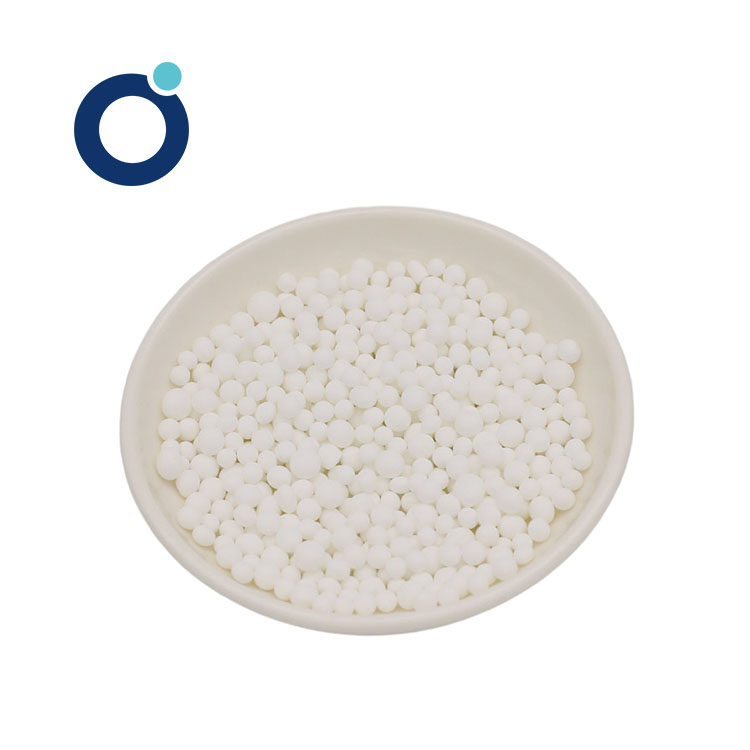
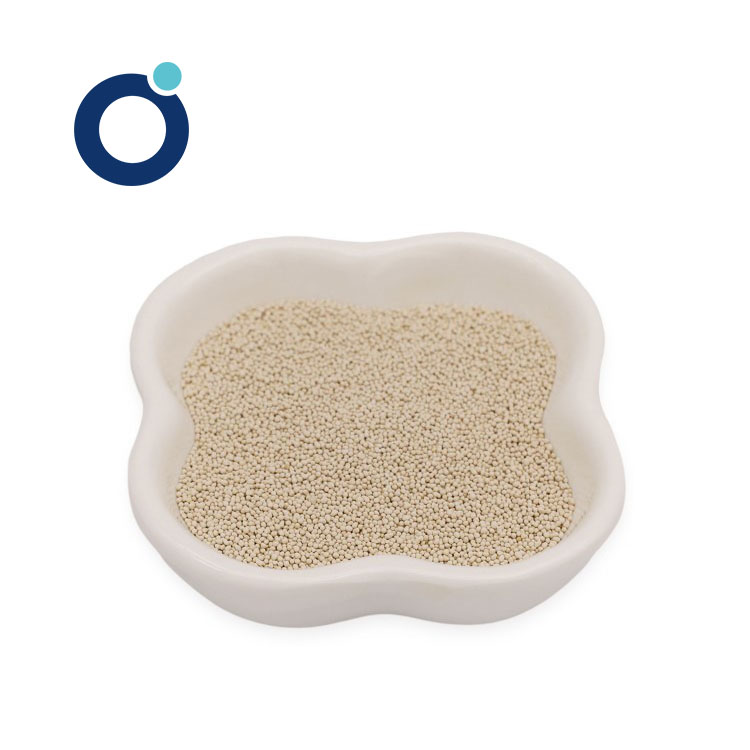

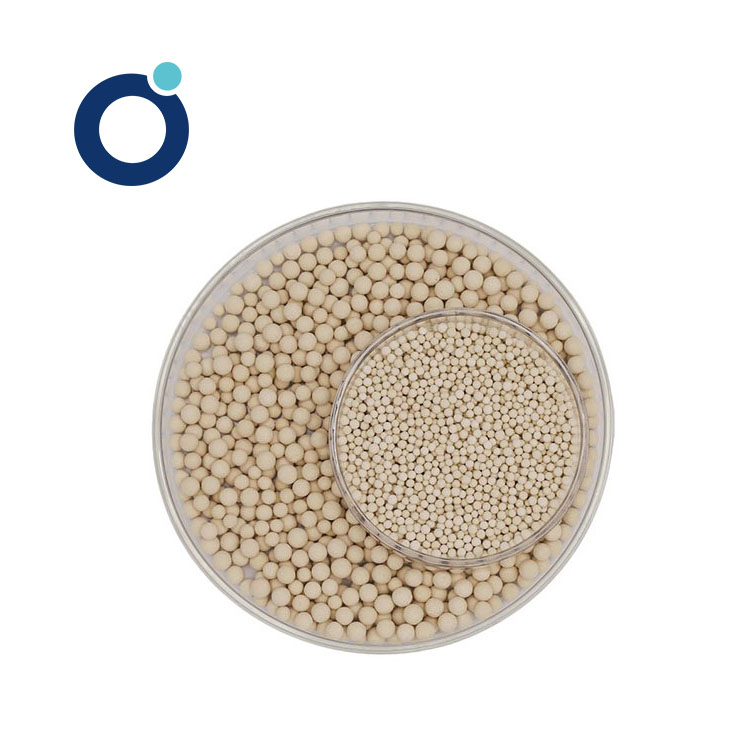
Industrial Landscape of Alumina Catalysts in Refractories & Ceramics
Analyzing the global market trends, technical shifts, and the critical role of chemical additives in modern thermal processing.
The global demand for high-performance refractories and advanced technical ceramics is undergoing a massive transformation. Historically, refractories relied on basic clay and raw alumina minerals to withstand high temperatures. However, modern heavy industries—such as steelmaking, cement production, petrochemical processing, and glass manufacturing—now operate under much harsher thermal, chemical, and mechanical conditions. To survive these environments, next-generation refractories require precise microstructural engineering. This is where alumina catalysts and additives play a pivotal role.
Alumina catalysts, characterized by their high chemical purity, controlled surface area, and customizable porosity, act as vital phase-stabilizers and sintering accelerators. In the refractory industry, these additives facilitate the formation of high-strength mullite and spinel phases at lower sintering temperatures. This not only reduces energy consumption during manufacturing but also dramatically improves the thermal shock resistance and slag corrosion resistance of the final product. The commercial landscape is shifting rapidly towards synthetic, high-purity alumina additives that offer predictable performance, minimizing structural failures in critical lining applications.
Industrial Trend Note: According to recent market analyses, the integration of reactive and transitional alumina catalysts in monolithic refractories has increased by over 15% annually. This shift is driven by the demand for "smarter" materials that can heal micro-cracks under high-temperature service conditions.
The Growing Demand for High-Purity Additives
In the ceramics sector, the push for miniaturization and extreme wear resistance in electronics, aerospace, and medical devices has elevated the requirements for raw material purity. Standard alumina is no longer sufficient. Modern technical ceramics demand nano-structured or highly reactive alpha and gamma-phase alumina catalysts. These additives act as grain-growth inhibitors and densification aids during the liquid-phase sintering process. By controlling the grain boundary chemistry, engineers can produce ceramics with near-theoretical density, exceptional hardness, and superior dielectric properties.
Deep Dive: Application Scenarios & Chemical Mechanisms
Understanding how alumina catalysts alter the physical and chemical properties of ceramic and refractory matrices.
1. Monolithic Refractories and Low-Cement Castables
Low-cement and ultra-low-cement castables (LCCs and ULCCs) have revolutionized the refractory installation process. These materials require a precise particle packing model to achieve maximum density and strength. Active alumina catalysts and silica-alumina gels act as deflocculants and binding agents within these systems. By optimizing the rheological properties of the castable paste, these additives reduce the water requirement by up to 30%, which directly translates to lower porosity and higher compressive strength after curing and firing.
Furthermore, during the heating cycle, the transitional alumina phases react with fine silica particles in the matrix to form a needle-like mullite network. This interlocking network acts as a structural reinforcement, preventing crack propagation when the refractory is subjected to rapid temperature changes (thermal shock).
2. Advanced Technical Ceramics and Solid Oxide Fuel Cells (SOFCs)
In advanced ceramics, alumina catalysts serve a dual purpose. In catalytic converters and SOFCs, they provide a high-surface-area support structure that remains stable at temperatures exceeding 1000°C. The introduction of specific alumina-silica gels or molecular sieves helps control the diffusion of oxygen and other reactive gases through the ceramic membrane. This spatial control is critical for maintaining high conversion efficiencies and preventing catalyst poisoning in industrial exhaust systems.
3. Sintering Aids in Structural Ceramics
Sintering structural ceramics like alumina-toughened zirconia (ATZ) or silicon nitride requires temperatures that can exceed 1700°C. By incorporating highly reactive alumina catalysts as sintering additives, manufacturers can lower the activation energy required for atomic diffusion. This enables complete densification at lower temperatures, preserving the fine grain structure of the ceramic matrix and preventing the formation of large, brittle grains that compromise mechanical integrity.
Key Benefits of Alumina Catalysts in Formulations:
- Thermal Stability: Maintains structural integrity and surface area at temperatures up to 1600°C.
- Enhanced Sintering: Lowers required firing temperatures, saving energy and reducing manufacturing cycles.
- Phase Control: Promotes the formation of beneficial crystalline phases like mullite and spinel.
- Rheological Control: Improves flowability and reduces water demand in refractory castables.
About Shanghai Jiuzhou Chemicals Co., Ltd.
A global leader in high-performance chemical catalysts, molecular sieves, and advanced materials.
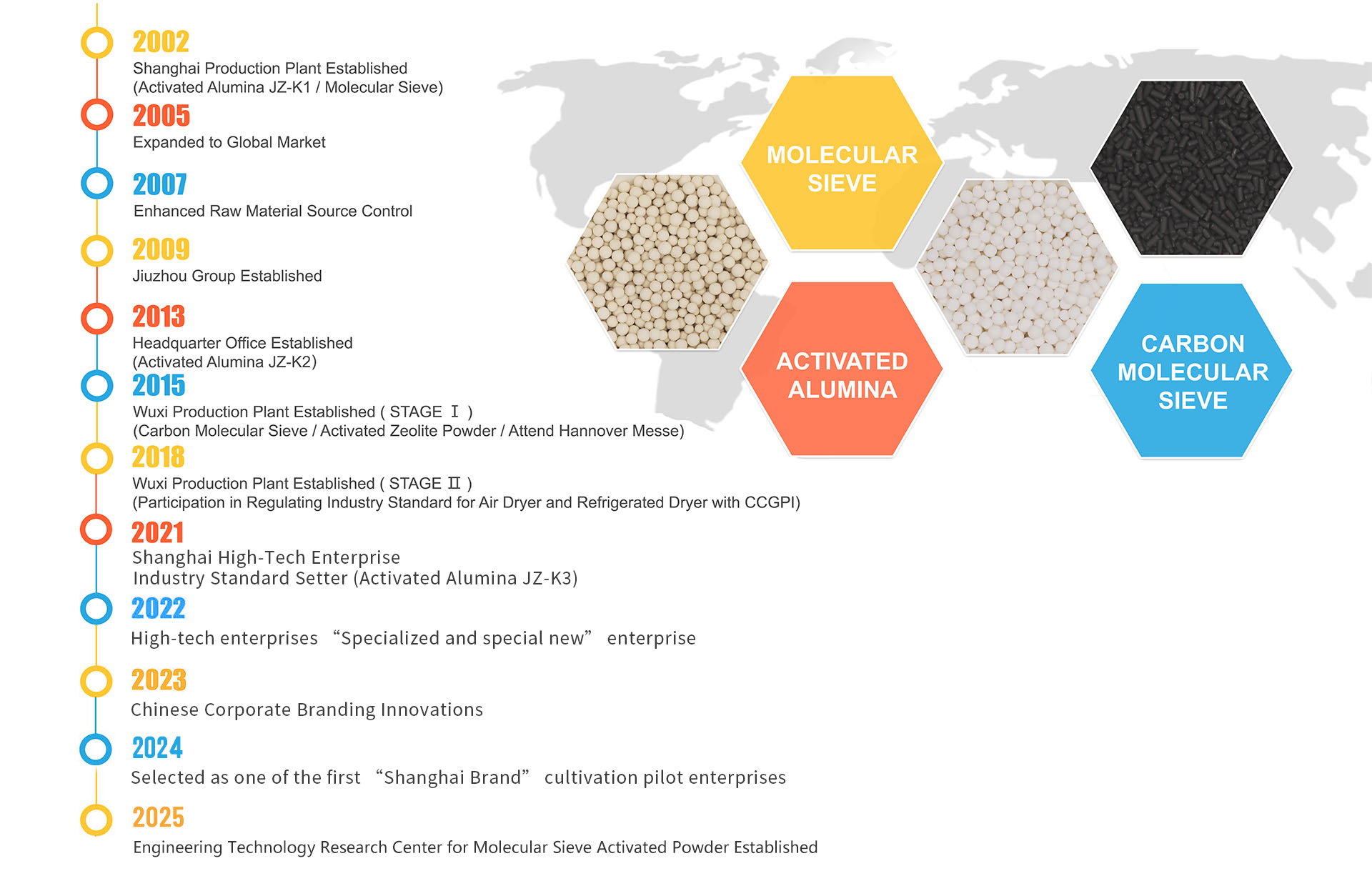
Shanghai Jiuzhou Chemicals Co., Ltd. is strategically located in Shanghai, the largest economic development hub in China. Over the years, Jiuzhou has consistently adhered to the core principles of "quality control and continuous innovation," remaining deeply committed to the research, development, and manufacturing of high-quality, innovative chemical products. Our extensive product portfolio includes various molecular sieve powders, molecular sieves, activated powder, activated alumina, aluminum oxide catalysts, different types of alumina packing, ceramic balls, sodium silicates, aluminum hydroxide, zeolite 4A, sodium carbonates, and SLES. All of our products have successfully passed the ISO9001:2008 quality management system certification, alongside TUV and SGS certifications, ensuring international-grade performance and reliability.
Our state-of-the-art factory is backed by a professional, world-class research team and renowned chemical experts. By leveraging advanced international production technologies and high-end manufacturing equipment, our operations are fully aligned with national environmental and safety standards. Our central laboratory is equipped with complex monitoring and analysis instruments, allowing us to perform rigorous quality checks and guarantee that every batch of alumina catalysts and molecular sieves meets strict international standards.
Jiuzhou's technical expertise and industry reputation make us a leading force in the field of industrial desiccants and catalysts. With a wealth of technical reserves, automated multi-functional production workshops, and specialized dynamic laboratories, we have established a scientific and comprehensive operating system. Today, Joozeo products are exported globally, with robust distribution networks spanning the United States, Southeast Asia, Japan, Europe, North and South America, and the Middle East, providing our partners with customized services and energy-saving, environmentally friendly adsorption solutions.
Future Trends: The Next Generation of Alumina Catalysts
How nanotechnology, green chemistry, and smart materials are shaping the future of refractory and ceramic additives.
1. Nano-Alumina and Surface Modification
The integration of nanotechnology is the frontier of alumina catalyst development. Nano-alumina additives offer extremely high surface energy, allowing sintering to occur at significantly lower temperatures than conventional micro-sized powders. Furthermore, surface-modified alumina particles can be dispersed more uniformly within ceramic slurries, eliminating localized density variations that often lead to structural cracks during the firing process. This level of control is crucial for manufacturing complex, high-precision ceramic components used in aerospace turbines and semiconductor processing equipment.
2. Transition to Green and Sustainable Manufacturing
As carbon neutrality targets become legally binding worldwide, the refractory and ceramic industries are under intense pressure to reduce their carbon footprint. Traditional firing processes are highly energy-intensive. By developing highly reactive alumina catalysts that accelerate the solid-state diffusion process, chemical manufacturers are helping ceramics and refractories producers lower their kiln temperatures. A reduction of even 50°C in firing temperature can result in millions of kilowatt-hours saved annually for a large-scale manufacturing plant.
3. Smart Refractory Materials
Future research is focusing on "self-healing" refractories. By embedding micro-encapsulated alumina catalysts within the refractory matrix, materials can respond to thermal stress dynamically. When a micro-crack begins to form, the local stress triggers the release of the catalyst, which reacts with surrounding silica or magnesium elements to seal the crack in-situ. This technological leap could potentially double the service life of industrial furnace linings, reducing maintenance downtime and increasing overall operational safety.
Our Complete Product Portfolio
Explore our full range of molecular sieves, activated alumina, catalysts, and specialty chemical additives.