Premium Alumina Catalysts & Molecular Sieves
Engineered for high-efficiency moisture removal and acid neutralization in transformer insulation oils.
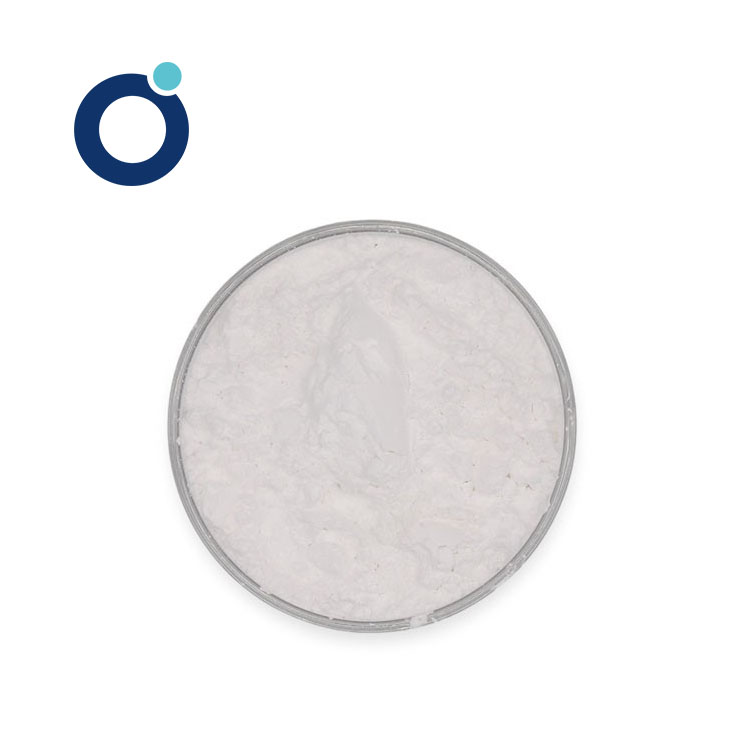
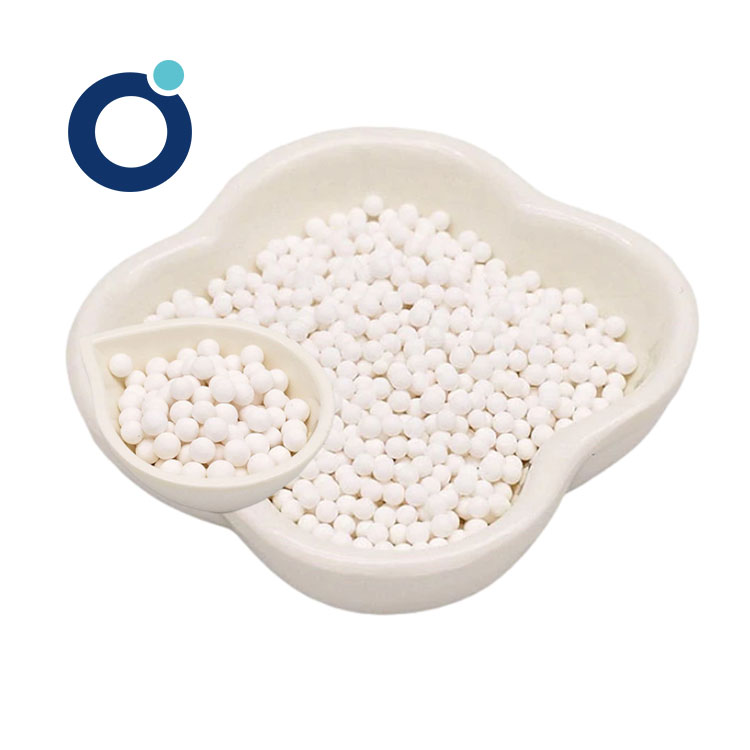
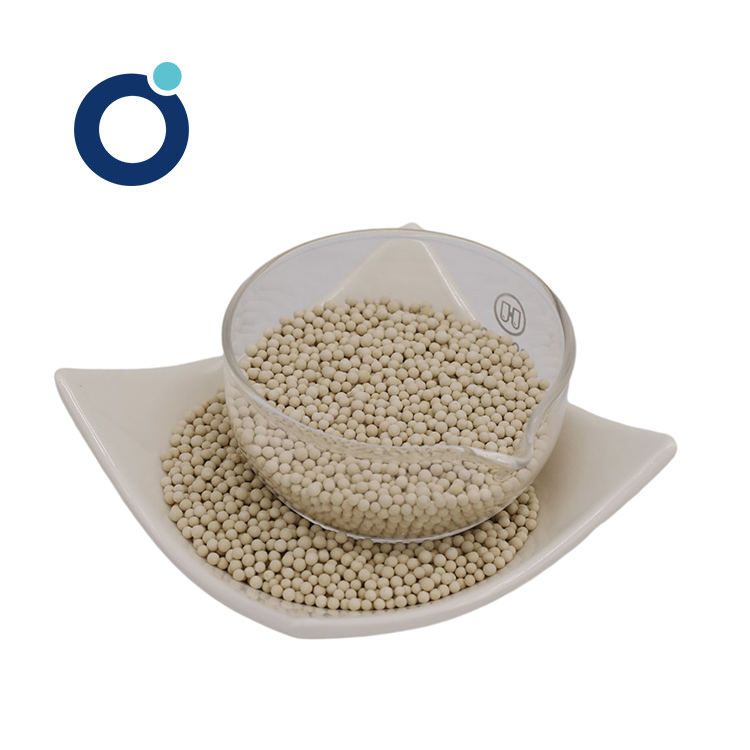
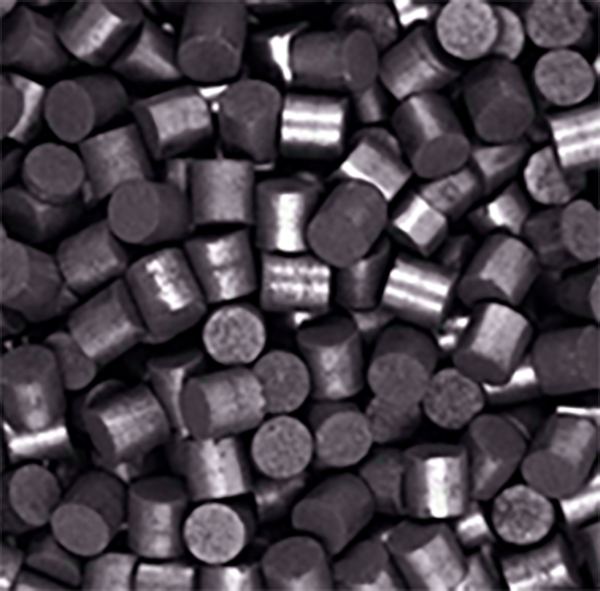
1. Introduction to Transformer Insulation and Oil Degradation
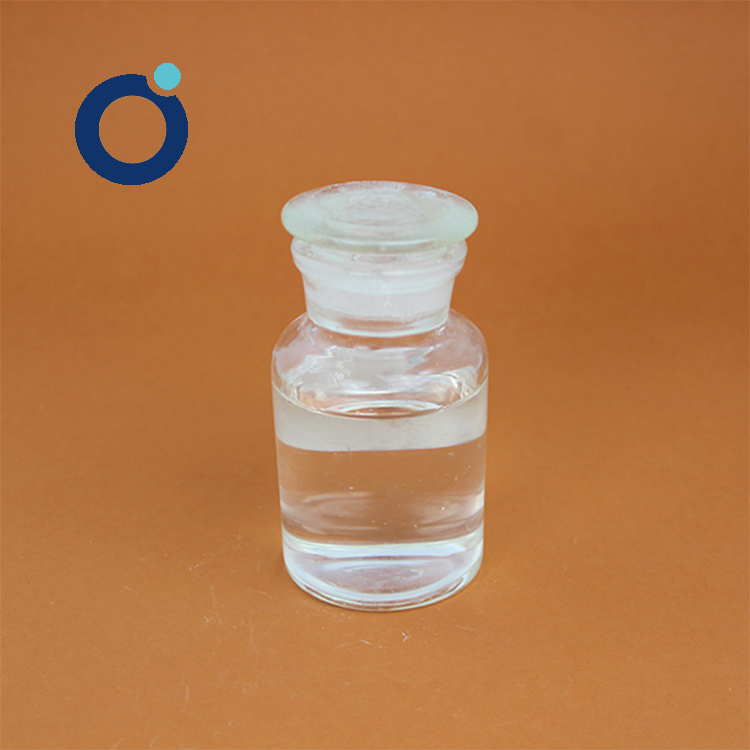
Power transformers are the cornerstone of electrical transmission and distribution grids worldwide. To ensure their reliable operation, liquid insulation—primarily mineral-based transformer oil—is utilized. This oil serves a dual purpose: it acts as a dielectric medium to prevent electrical arcing and functions as a coolant to dissipate the massive amounts of thermal energy generated during voltage conversion. However, during operation, transformer oil is subjected to severe thermal, electrical, and chemical stresses. Over time, these stresses lead to the degradation of the oil, compromising the entire electrical infrastructure.
The primary drivers of oil degradation are oxidation, thermal decomposition, and moisture ingress. Oxygen from the atmosphere reacts with the hydrocarbon molecules in the oil, initiating a chain reaction that produces polar contaminants, organic acids, and insoluble sludge. Additionally, moisture enters the transformer system either through atmospheric breathing or as a byproduct of the thermal degradation of the solid cellulose insulation (paper). The presence of water and acids accelerates the aging of both the oil and the solid paper insulation, drastically reducing the dielectric breakdown voltage and increasing the dissipation factor (tan delta). If left untreated, this degradation eventually leads to catastrophic transformer failure, resulting in expensive downtime, grid instability, and substantial environmental hazards.
The Crucial Role of Purification
Purifying transformer oil is not merely a maintenance task; it is a critical strategy for extending the life of capital-intensive grid assets. Removing moisture, acids, and dissolved gases restores the oil's dielectric properties, protects the solid paper insulation, and prevents the formation of conductive sludge.
2. The Chemical Mechanism of Activated Alumina in Purification
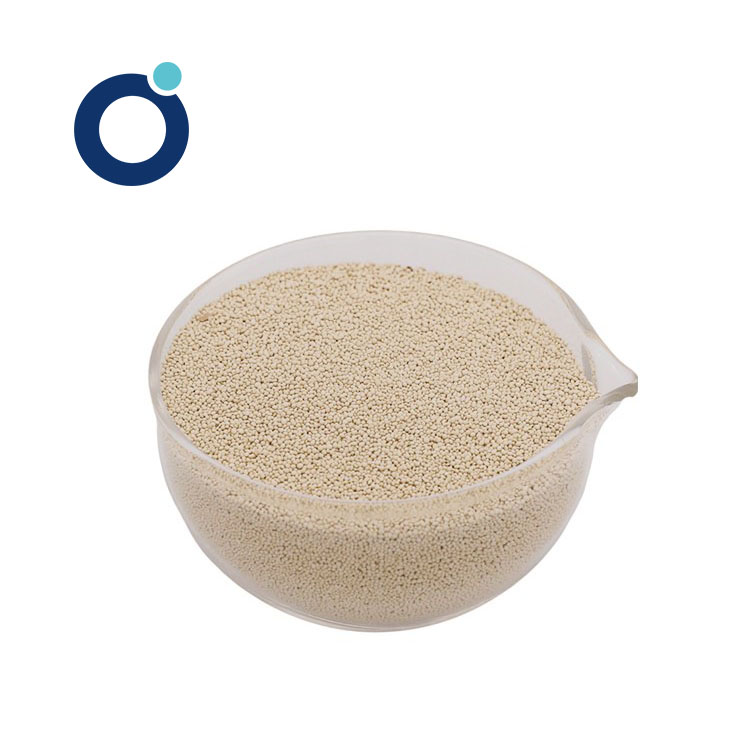
Activated alumina (gamma-aluminum oxide, Al₂O₃) is widely recognized as one of the most effective adsorbents and catalysts for transformer oil purification. Its high performance is attributed to its unique physical and chemical structure. Activated alumina is produced by the dehydroxylation of aluminum hydroxide under controlled thermal conditions, resulting in a highly porous material with an exceptionally high surface area (typically exceeding 300 square meters per gram).
The purification process relies on two primary mechanisms: physical adsorption (physisorption) and chemical adsorption (chemisorption). The surface of activated alumina features a high density of active hydroxyl groups (-OH) and coordinatively unsaturated aluminum sites (Lewis acid sites). These active sites exhibit a strong affinity for polar molecules. When degraded transformer oil passes through a bed of activated alumina, polar impurities such as water, low-molecular-weight organic acids, aldehydes, ketones, and metal soaps are selectively attracted to the alumina surface.
Organic acids, which are the primary degradation products of hydrocarbon oxidation, are neutralized and bound to the basic sites of the alumina catalyst. This chemisorption process effectively removes free and dissolved acids from the oil, preventing them from attacking the cellulose paper and copper windings. Concurrently, moisture is adsorbed through hydrogen bonding with the surface hydroxyl groups. Unlike physical filtration, which only removes suspended particles, activated alumina works at the molecular level to cleanse the oil of dissolved chemical contaminants that degrade its dielectric strength.
3. Key Performance Parameters of Alumina Catalysts
To optimize the purification process, several critical parameters of the alumina catalyst must be considered:
- Surface Area and Pore Volume: A larger surface area provides more active sites for the adsorption of polar contaminants. The pore size distribution must be optimized to allow large hydrocarbon-derived acid molecules to enter the pores while maintaining structural integrity.
- Crush Strength: Alumina spheres must withstand the mechanical stresses of packing, fluid flow, and thermal expansion inside the purification vessels. High crush strength prevents particle breakdown, which could otherwise introduce fine alumina dust into the transformer oil.
- Chemical Purity: The catalyst must be free of impurities (such as iron or sodium oxides) that could leach into the oil and degrade its dielectric properties. High-purity activated alumina ensures clean and safe treatment.
- Regeneration Capability: In many industrial applications, activated alumina can be thermally regenerated by heating it to temperatures between 200°C and 350°C, driving off adsorbed moisture and volatile organics, thereby restoring its adsorption capacity.
| Adsorbent Type | Primary Function | Acid Removal Capacity | Moisture Removal Capacity | Regenerability |
|---|---|---|---|---|
| Activated Alumina (JZ-K1W / JZ-K3) | Acid neutralization & polar compound removal | Excellent (High affinity for organic acids) | Good (Highly effective for dissolved water) | High (Thermal regeneration) |
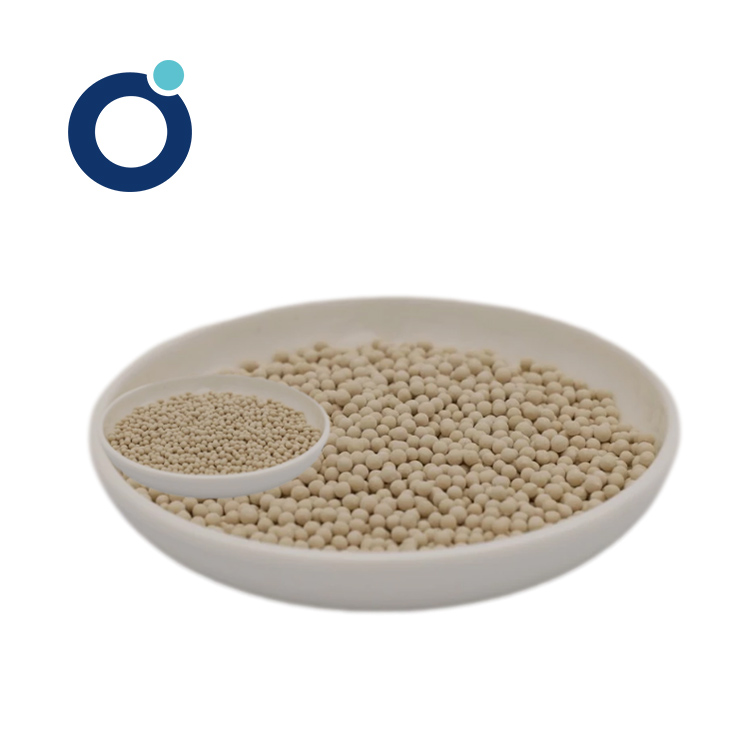
| Molecular Sieve (JZ-ZMS3 / JZ-ZMS5) | Deep dehydration & gas separation | Moderate | Excellent (Deep dehydration down to <5 ppm) | High (Requires high-temperature activation) |
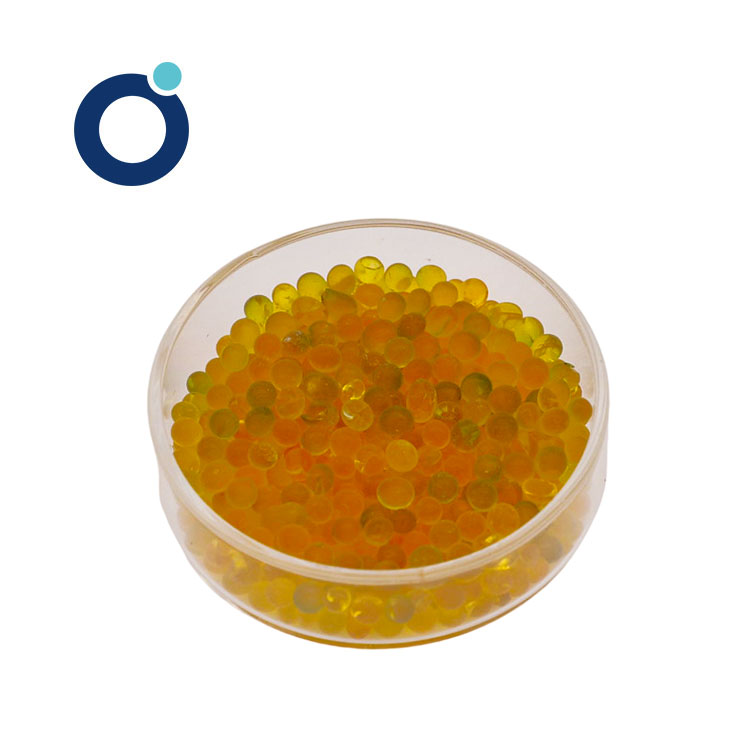
| Silica Gel (JZ-SG-O) | General moisture adsorption | Low | Very Good | Moderate |
4. Industrial and Commercial Status of Transformer Oil Reclamation
The global market for transformer oil purification and reclamation is experiencing substantial growth, driven by the aging electrical grid infrastructure in developed nations and rapid industrialization in developing economies. Historically, utility companies frequently replaced aged transformer oil with new mineral oil. However, this practice has become increasingly unsustainable due to volatile petroleum prices, strict environmental regulations regarding oil disposal, and the push for carbon neutrality.
Today, the commercial focus has shifted toward on-site, online, or offline oil reclamation. Reclamation refers to the complete restoration of the oil's chemical and physical properties, making it equivalent to new oil. Activated alumina catalysts are the industry standard for this process. Industrial reclamation units utilize multi-column systems packed with activated alumina to continuously circulate oil from operating or de-energized transformers. This process removes acids, sludge, and moisture, extending the oil's service life by another 10 to 15 years.
From an economic perspective, reclaiming transformer oil using activated alumina costs approximately 30% to 50% less than purchasing new oil and disposing of the old fluid. Furthermore, it eliminates the logistics and environmental risks associated with transporting hazardous industrial waste. Consequently, major utilities and industrial plants are integrating automated, mobile regeneration systems into their standard maintenance protocols.
5. Deep Application Scenarios in High-Voltage Electrical Infrastructure
Alumina catalysts are utilized across various demanding scenarios within the power generation, transmission, and heavy industrial sectors:
A. Thermosiphon Bypass Filters
For medium-sized and large power transformers, thermosiphon filters are permanently mounted on the side of the transformer tank. These filters operate passively, relying on natural thermal convection. As the transformer heats up during load cycles, hot oil rises and flows through the thermosiphon vessel containing activated alumina. The alumina continuously adsorbs moisture and acids as they are formed, preventing the accumulation of degradation products. This passive, continuous treatment is highly cost-effective and requires minimal maintenance, with the alumina charge typically replaced every few years during routine outages.
B. Mobile Reclamation Rigs (Online and Offline)
For large-scale substation maintenance, mobile reclamation units housed in trailers are deployed. These units feature multi-stage filtration, vacuum dehydration, degassing, and a series of large columns filled with activated alumina or specialized composite catalysts like DuraChem CZS-12T. In an "online" setup, the rig is connected to a live, energized transformer. The oil is drawn from the bottom of the tank, processed through the columns, and returned to the top. This allows utilities to restore the oil without interrupting power delivery to consumers, making it ideal for critical grid nodes.
C. Heavy Industrial Substations
Industries such as steel mills, chemical processing plants, and paper mills operate arc furnaces and heavy machinery that subject transformers to extreme load fluctuations and high operating temperatures. Under these conditions, oil degrades at an accelerated rate. Customized alumina filtration systems are integrated into these industrial substations to handle high acid loads and prevent premature insulation failure, safeguarding production continuity.
D. Renewable Energy Integration (Wind and Solar Farms)
Wind turbine transformers and solar farm substations are often located in remote, harsh environments (e.g., offshore wind installations or arid deserts). Accessing these sites for maintenance is logistically challenging and expensive. Utilizing high-durability alumina catalysts in specialized hermetically sealed breathers and filtration systems ensures long-term reliability and reduces the frequency of manual maintenance visits.
6. Technological Trends and Future Outlook of Alumina Catalysts
The field of transformer oil purification is evolving rapidly, driven by the need for higher efficiency, smarter monitoring, and more sustainable materials. Several key trends are shaping the future of this industry:
- Composite and Doped Alumina Catalysts: Researchers and manufacturers are developing advanced composite adsorbents by doping activated alumina with transition metals or silica. These modifications enhance the catalytic activity for acid neutralization and improve selectivity, allowing the catalyst to target specific low-molecular-weight acids without adsorbing beneficial oil additives (such as oxidation inhibitors).
- Smart Online Monitoring Integration: Modern purification systems are increasingly paired with real-time sensors that measure oil parameters like Dissolved Gas Analysis (DGA), moisture content, and acidity. By analyzing this data, automated systems can adjust flow rates through the alumina columns or signal when the catalyst bed is saturated and requires regeneration, maximizing efficiency.
- Eco-Friendly Regeneration Technologies: Traditional thermal regeneration of saturated alumina can release volatile organic compounds (VOCs) into the atmosphere. New closed-loop thermal regeneration systems with integrated catalytic oxidizers are being adopted to neutralize these emissions, making the reclamation process greener.
- Alternative Insulating Liquids: The industry is seeing a gradual rise in the use of natural and synthetic ester fluids, which are biodegradable and have higher fire points than mineral oil. However, esters degrade differently, producing different types of acids. Next-generation alumina catalysts are being engineered to optimize the purification of these ester-based fluids.
7. Comparative Analysis: Activated Alumina vs. Alternative Adsorbents
While activated alumina is the leading choice for acid removal, other materials like molecular sieves and silica gel are also used in oil treatment. Understanding their strengths and weaknesses is essential for selecting the right purification strategy:
Molecular Sieves (e.g., JZ-ZMS3, JZ-ZMS5): These crystalline aluminosilicates possess uniform pore sizes (typically 3Å to 5Å). They are exceptional at removing water down to extremely low levels (under 5 ppm) because the pore openings are sized to selectively admit water molecules while excluding larger hydrocarbon molecules. However, they have limited capacity for adsorbing large organic acid molecules or sludge precursors. Therefore, they are best used in tandem with activated alumina—alumina for acid and polar compound removal, followed by molecular sieves for deep dehydration.
Silica Gel (e.g., JZ-SG-O): Silica gel is a highly porous amorphous form of silica. It is highly effective at adsorbing moisture at lower temperatures and is commonly used in transformer breathers to dry incoming air. However, silica gel is less effective than activated alumina at high temperatures and does not possess the same acid-neutralizing catalytic properties, making it less suitable for hot oil reclamation systems.
8. Technical Specifications and Selection Strategy
Selecting the appropriate catalyst grade depends on the specific operational requirements of the transformer. For standard maintenance and acid reduction, a high-surface-area activated alumina like JZ-K1W or JZ-K3 is recommended. For systems requiring extreme dehydration (such as ultra-high voltage transformers operating above 500 kV), a hybrid system combining activated alumina with a molecular sieve like JZ-ZMS3 provides the optimal balance of acid neutralization and deep drying.
Additionally, specialized products like DuraChem CZS-12T offer enhanced chemical resistance and mechanical durability, making them ideal for high-flow mobile reclamation rigs where physical attrition of the catalyst particles must be minimized. By selecting the correct combination of adsorbents, utilities can tailor their purification processes to achieve maximum oil lifespan and grid reliability.
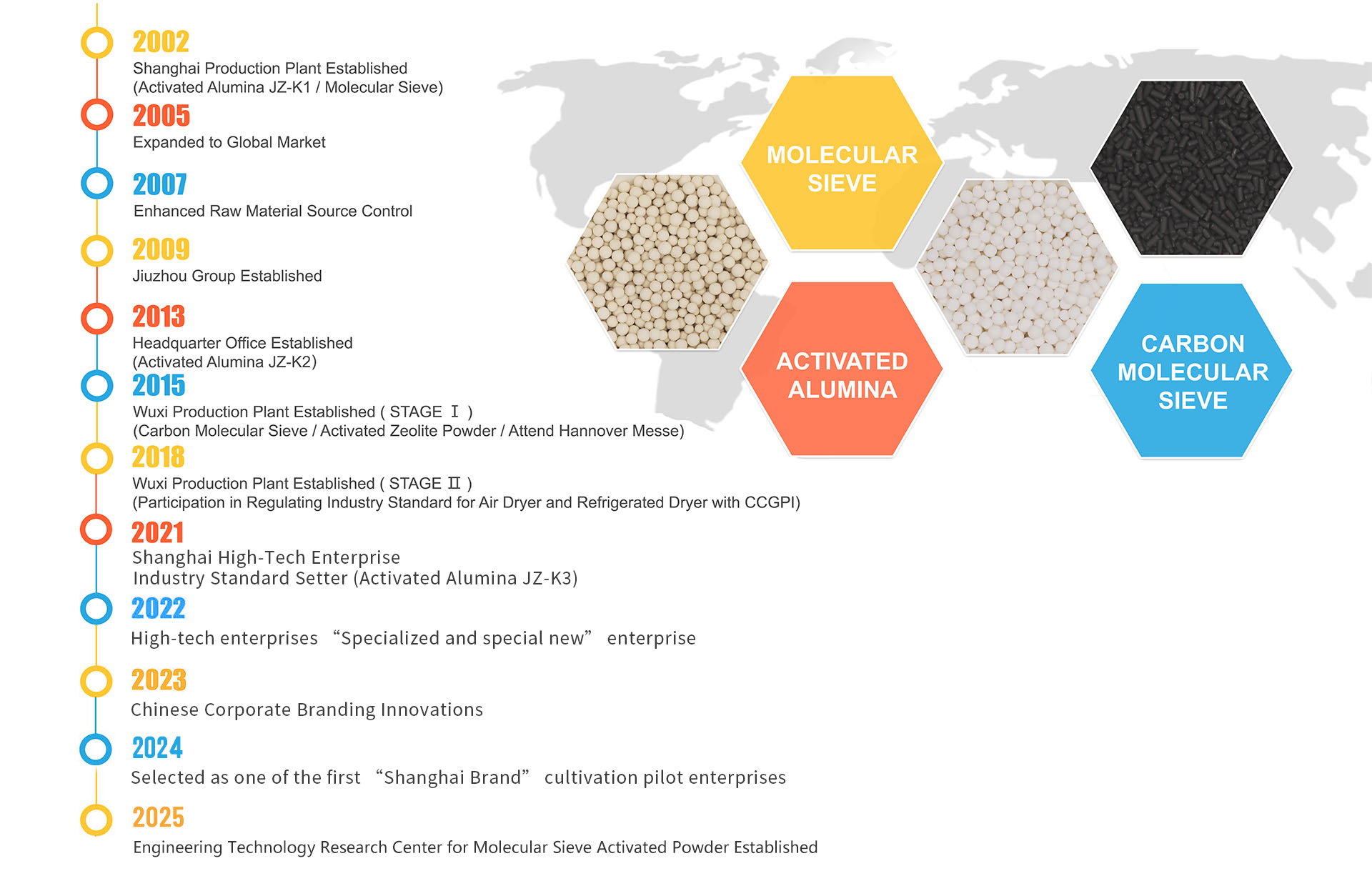
About Shanghai Jiuzhou Chemicals Co., Ltd.
A global leader in the development, research, and manufacturing of high-quality innovative chemical products.
Shanghai Jiuzhou Chemicals Co., Ltd. is located in Shanghai, the largest Economic Development city in China. Over the years, Jiuzhou has always adhered to the "quality control, innovation" principles, committed to the development, research, and manufacturing of high-quality innovative chemical products. Our main products include various molecular sieve powders, molecular sieves, activated powder, activated alumina, aluminum oxide catalysts, different types of alumina packing and ceramic balls, sodium silicates, aluminum hydroxide, zeolite 4A, sodium carbonates, SLES, etc. All of our products have passed the ISO9001: 2008 quality management system certification and TUV & SGS Certification.
The Jiuzhou factory features a professional and world-class research team and experts in chemical product resources. We utilize the best in international production technology and professional production equipment, constructed in line with national standards. Our large multipurpose plant monitoring and analysis instruments comprise our central laboratory, ensuring that all products meet strict international standards through rigorous quality inspection.
Jiuzhou's technical strength and industry reputation lead the field of desiccants and catalysts. With senior experts, deep technical reserves, automated multi-functional production workshops, and a dynamic laboratory, we have established a scientific and complete operating system. Joozeo products are exported to all parts of the world, with distribution networks in the United States, Southeast Asia, Japan, Europe, North and South America, the Middle East, and other regions, providing partners with high-quality products, customized services, and energy-saving, environmentally friendly adsorption solutions.
Complete Product Portfolio
Explore our full range of molecular sieves, catalysts, and adsorbents for industrial purification systems.