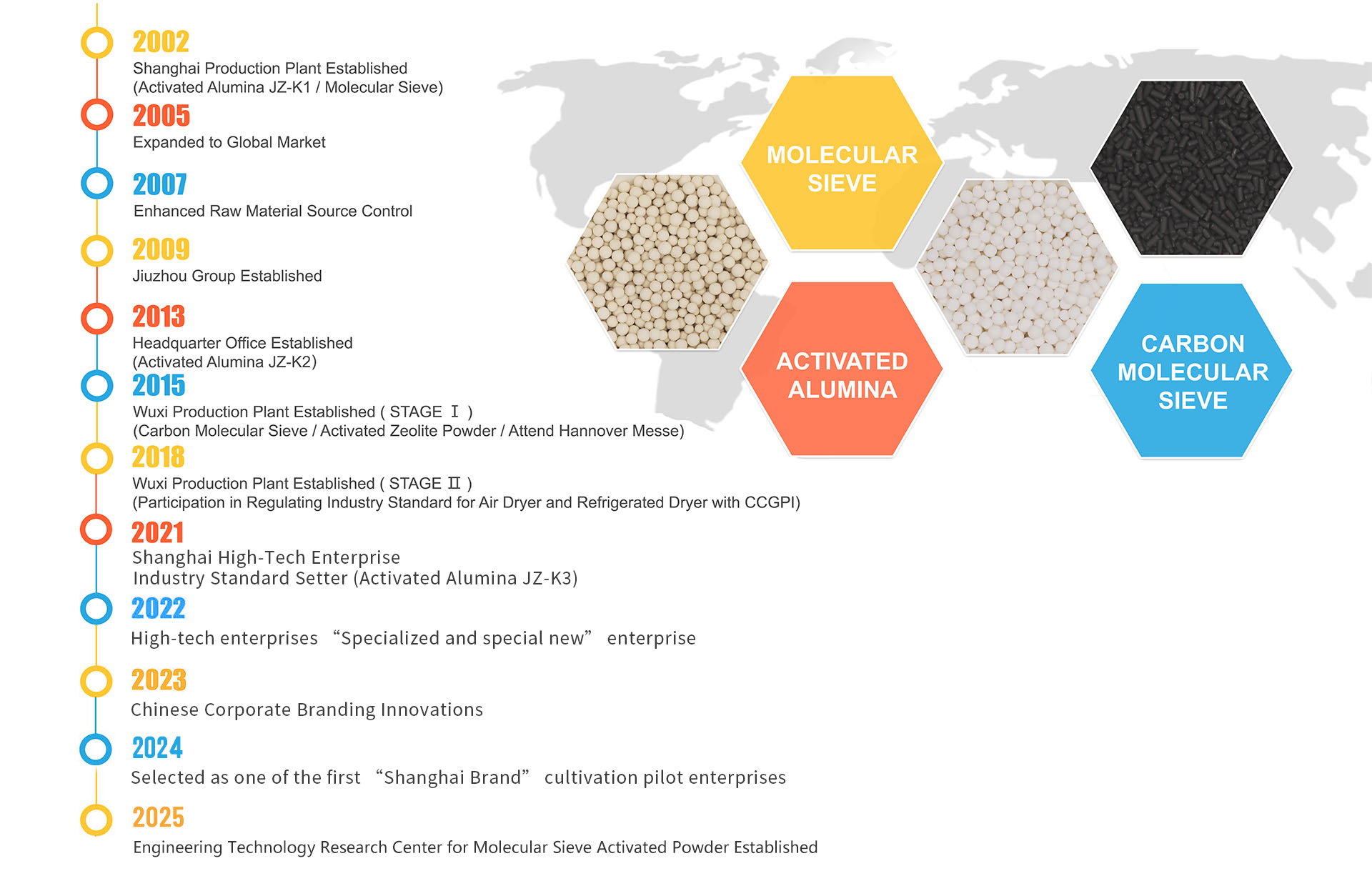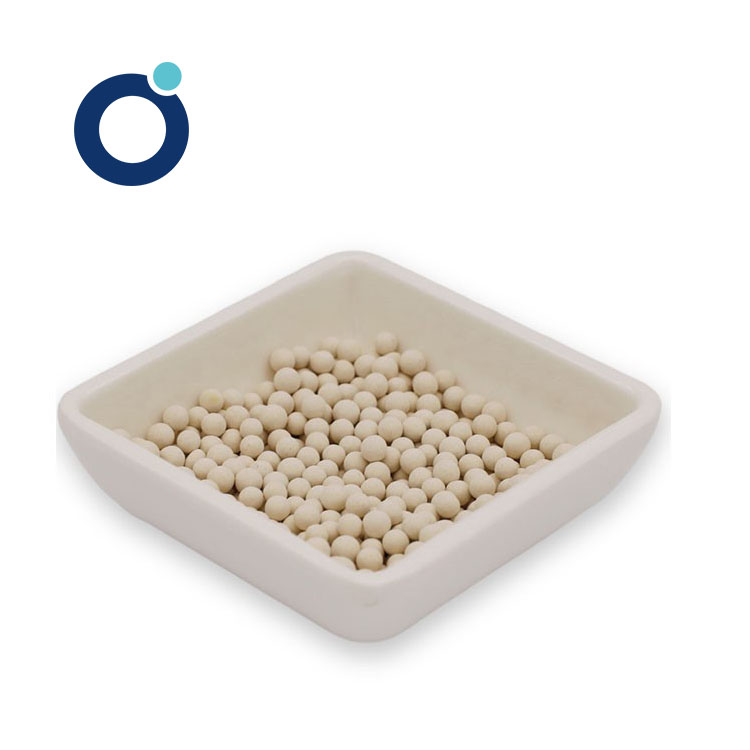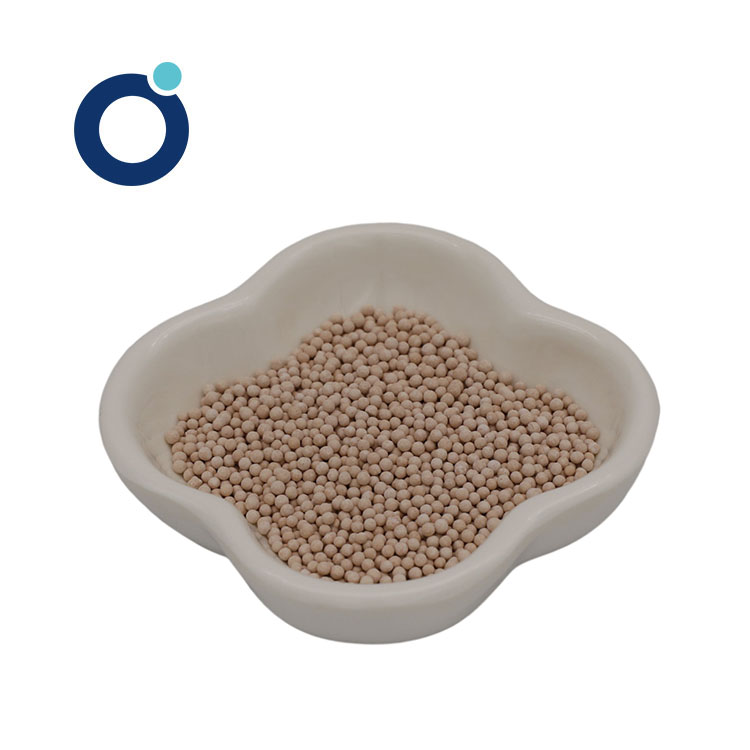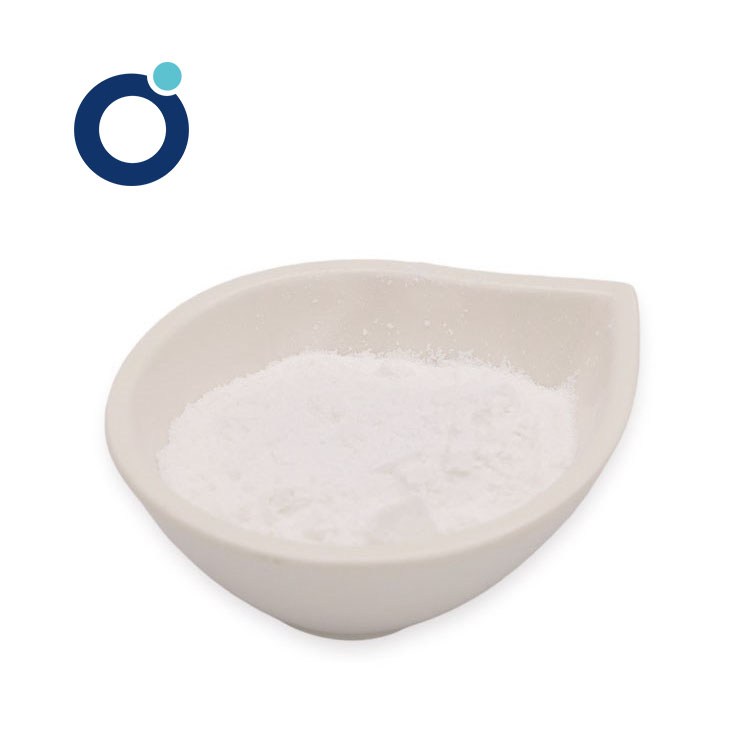
Featured Adsorption & Catalyst Products
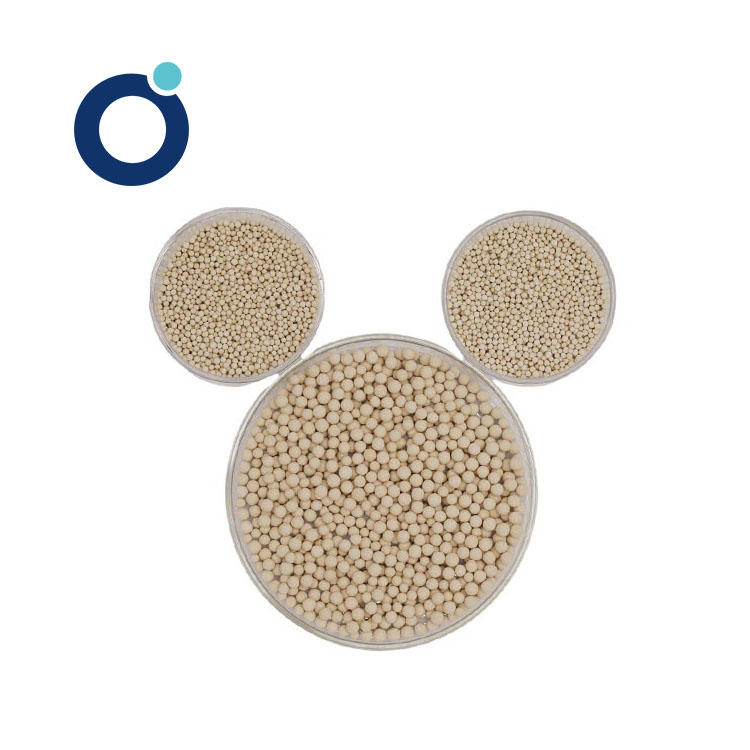
Industrial Landscape of Alumina Catalysts in Thailand
Thailand has established itself as one of the primary industrial hubs of Southeast Asia, driven heavily by its robust petrochemical, oil refining, and natural gas processing sectors. The nation’s Eastern Economic Corridor (EEC) initiative has further accelerated the growth of advanced manufacturing, elevating the demand for high-performance chemical processing agents. Among these, alumina catalysts and activated alumina play a critical role in maintaining the efficiency, purity, and environmental compliance of massive industrial operations.
In Thailand's major industrial zones, such as the Map Ta Phut Industrial Estate in Rayong, refining and petrochemical complexes operate around the clock. These facilities rely on alumina-based catalysts for critical processes, including Claus sulfur recovery, dehydration of cracked gases, and selective isomerization. The tropical climate of Thailand, characterized by high humidity, poses unique challenges for gas drying and purification systems, making the selection of high-grade, moisture-resistant alumina catalysts a top priority for local plant engineers.
Did You Know?
Thailand's natural gas production in the Gulf of Thailand requires intensive dehydration and purification before distribution. Alumina catalysts and molecular sieves are the primary defense mechanisms against water contamination and catalyst poisoning in downstream petrochemical loops.
Key Industry Trends Shaping the Catalysts Market
The global chemical industry is undergoing a paradigm shift towards sustainability and carbon neutrality, and Thailand is no exception. The Thai government's Bio-Circular-Green (BCG) economic model is pushing chemical exporters and local manufacturers to adopt cleaner technologies. This policy directly influences the catalyst market in several ways:
- Transition to Low-Sulfur Fuels: With Thailand implementing stricter emission regulations akin to Euro 5 and Euro 6 standards, refineries must optimize their hydrotreating and sulfur recovery units (SRUs). High-activity alumina catalysts are vital to maximizing sulfur recovery rates in Claus units.
- Biofuels and Green Chemistry: As Thailand increases its bio-ethanol and biodiesel blending mandates, catalysts that facilitate the dehydration of bio-alcohols into green olefins are seeing a surge in research and commercial deployment.
- Energy Efficiency and Cost Optimization: Local manufacturers are seeking catalysts with higher thermal stability and longer life cycles to minimize downtime and reduce replacement costs, directly impacting the long-term pricelist calculations for industrial buyers.
Exporters serving the Thai market must now provide comprehensive technical documentation, demonstrating not only the chemical purity of their aluminum oxide catalysts but also their structural durability under cyclic high-temperature operations.
Localized Application Scenarios in Thai Industries
Alumina catalysts are versatile materials, but their specific applications in Thailand are highly tailored to the country's economic strengths:
1. Natural Gas Dehydration and Acid Gas Removal
As natural gas is piped from offshore platforms in the Gulf of Thailand to onshore terminals in Rayong and Songkhla, it contains significant amounts of moisture and acid gases (CO2 and H2S). Activated alumina is widely used as a desiccant and catalyst support to remove these impurities, preventing pipeline corrosion and protecting downstream cryogenic separation units.
2. Petrochemical Synthesis and Polymer Production
Thailand is a leading exporter of polyethylene (PE) and polypropylene (PP). During the production of these polymers, trace impurities like water, carbon monoxide, and sulfur compounds can poison expensive polymerization catalysts. Alumina guard beds are deployed to intercept these poisons, ensuring high polymer yields and consistent product quality.
3. Environmental Protection & Claus Catalyst Applications
Industrial plants face strict environmental monitoring from the Thai Ministry of Industry. Claus catalysts, primarily composed of high-purity active alumina, convert toxic hydrogen sulfide gas into harmless elemental sulfur, allowing refineries to meet stringent clean air standards.
Alumina Catalysts Pricelist Dynamics & Export Guide
Navigating the pricelist of alumina catalysts requires a deep understanding of the raw material markets, manufacturing precision, and shipping logistics. For Thai buyers, importing from established chemical manufacturing hubs like Shanghai, China offers a balanced combination of high quality and competitive pricing.
Several factors influence the final export pricing of alumina catalysts:
- Purity and Phase Composition: High-purity gamma-alumina catalysts command a premium due to their superior surface area and pore volume distribution compared to standard industrial grades.
- Physical Form: Custom shapes (spheres, extrudates, trilobes) engineered to minimize pressure drop in specific reactor designs will affect production costs and final quotes.
- Logistical Costs: Shipping routes from Shanghai port to Laem Chabang port in Thailand are highly optimized, offering relatively low freight costs and fast transit times, which helps keep the overall Landed Cost highly competitive.
We recommend that procurement managers request comprehensive technical datasheets (TDS) and Material Safety Datasheets (MSDS) alongside the pricelist to evaluate the cost-to-performance ratio rather than relying solely on the base price per metric ton.
INTRODUCTION
Shanghai Jiuzhou Chemicals Co., Ltd. Located in the biggest Economic Development city Shanghai. Over the years Jiuzhou has always adhered to the “quality control, innovation “principles, committed to the development, research, manufacturing of high quality innovative chemical products. Our main products includes various molecular sieve powders, molecular sieves, activated powder, activated alumina, aluminum oxide catalysts, different types of alumina packing and ceramic balls, sodium silicates, aluminum hydroxide,zeolite 4A, sodium carbonates, SLES, etc. Our all products passed the ISO9001: 2008 quality management system certification and TUV & SGS Certification.
Jiuzhou factory has a professional and world-class research team and experts in chemical product resources.We use the best in international prodution technonlogy and professional production equipment, constructed in line with national standards and by the large multipurpose plant monitoring, analysis instrument composition the central laboratory. And in quality inspection aspect Jiuzhou have controlled and that products meet international standards.
Jiuzhou's technical strength and industry reputation are leading the industry in the field f desiccants, with senior experts and technical reserves, automated multi-unctional production workshops, and a central laboratory and dynamic laboratory composed of large-scale monitoring and analysis instruments. It is in quality control And in terms of supporting services, a set of scientific and complete operating system has been established Joozeo products are exported to all parts of the world, and have established a distribution network in the United States, Southeast Asia, Japan, Europe, North and South America, the Middle East and other places to provide parthers with high-quality products, customized services, and more eneray-saving and environmentally friendly adsorption solutions.