Featured Alumina Catalysts & Adsorbents
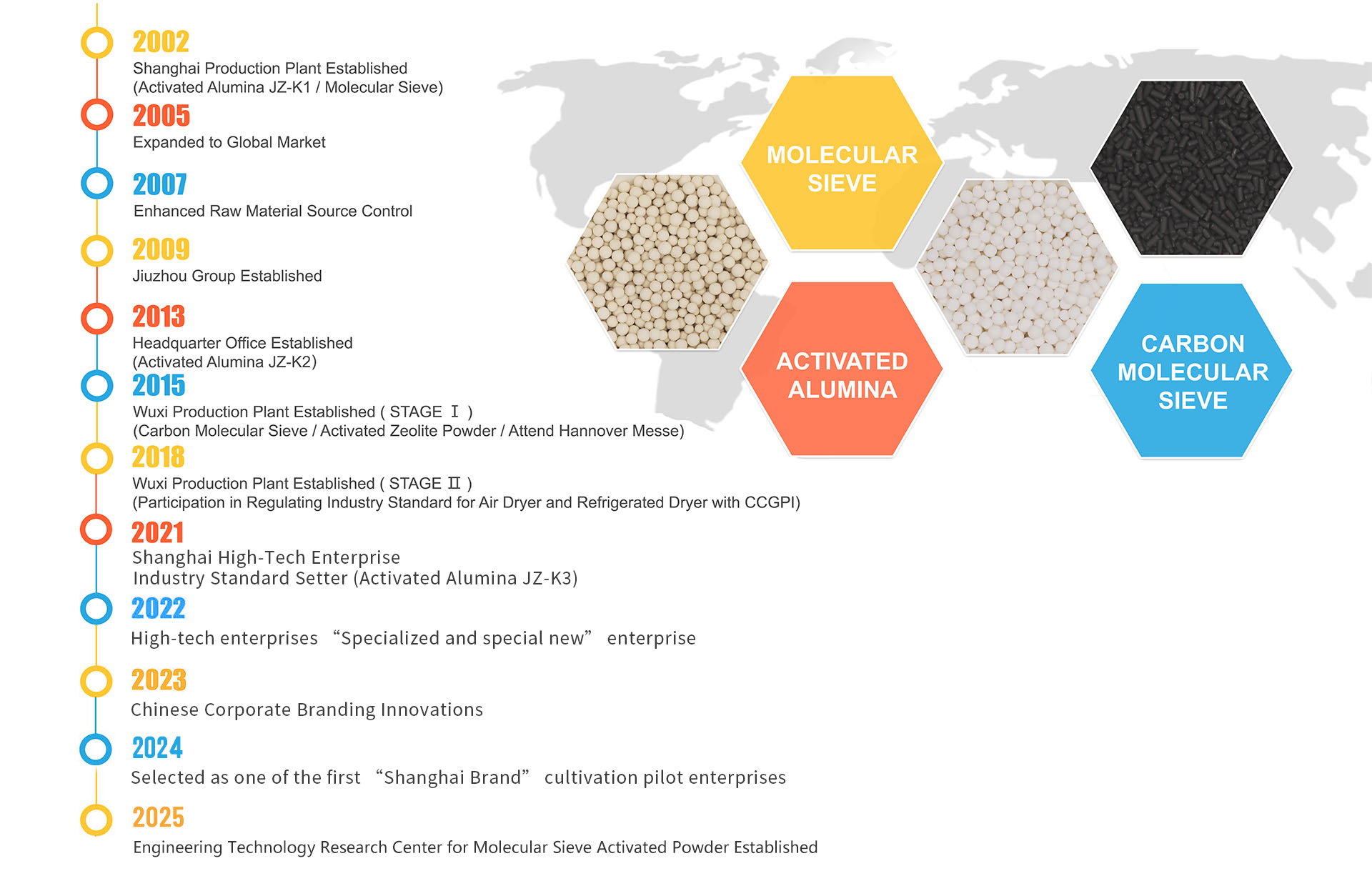
About Shanghai Jiuzhou Chemicals
Shanghai Jiuzhou Chemicals Co., Ltd. is located in the biggest Economic Development city, Shanghai. Over the years, Jiuzhou has always adhered to the "quality control, innovation" principles, committed to the development, research, and manufacturing of high-quality innovative chemical products. Our main products include various molecular sieve powders, molecular sieves, activated powder, activated alumina, aluminum oxide catalysts, different types of alumina packing and ceramic balls, sodium silicates, aluminum hydroxide, zeolite 4A, sodium carbonates, SLES, etc. All of our products have passed the ISO9001: 2008 quality management system certification and TUV & SGS Certification.
Jiuzhou factory has a professional and world-class research team and experts in chemical product resources. We use the best in international production technology and professional production equipment, constructed in line with national standards and supported by a large multipurpose plant monitoring and analysis instrument composition in our central laboratory. In terms of quality inspection, Jiuzhou has controlled processes to ensure that all products meet international standards.
Jiuzhou's technical strength and industry reputation are leading the industry in the field of desiccants, with senior experts and technical reserves, automated multi-functional production workshops, and a central laboratory and dynamic laboratory composed of large-scale monitoring and analysis instruments. In terms of quality control and supporting services, a scientific and complete operating system has been established. Joozeo products are exported to all parts of the world, and we have established a distribution network in the United States, Southeast Asia, Japan, Europe, North and South America, the Middle East, and other places to provide partners with high-quality products, customized services, and more energy-saving and environmentally friendly adsorption solutions.
The Strategic Role of Alumina Catalysts in the UK Industrial Landscape
The United Kingdom's chemical and refining industries are undergoing a massive transformation, driven by the government's commitment to achieving Net Zero carbon emissions by 2050. Within this transition, high-performance catalyst technologies, specifically alumina catalysts and activated alumina adsorbents, have emerged as indispensable components. These materials serve critical functions in gas purification, petrochemical synthesis, environmental emission control, and the rapidly growing hydrogen economy.
From the industrial clusters of Teesside and Grangemouth to the advanced research centers in the Midlands, UK engineers and procurement specialists require top-tier chemical agents to optimize process efficiency. Alumina catalysts, characterized by their high surface area, thermal stability, and customizable pore structure, are at the heart of these modern thermal and chemical processes.
As the demand for cleaner fuels and high-purity industrial gases rises across the UK, sourcing reliable exporters who provide transparent pricelists and certified quality standards is paramount for operational continuity.
Key Industrial Applications of Alumina Catalysts in the UK
Alumina catalysts and activated alumina media are utilized across several key sectors in the UK:
1. Petrochemical Refining & Claus Sulfur Recovery
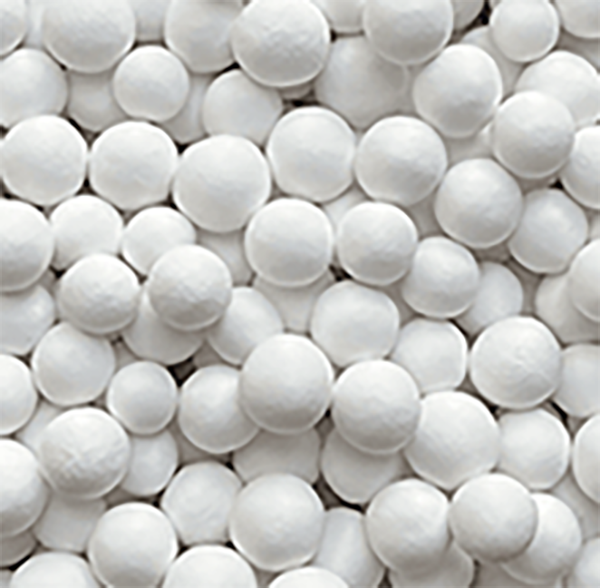
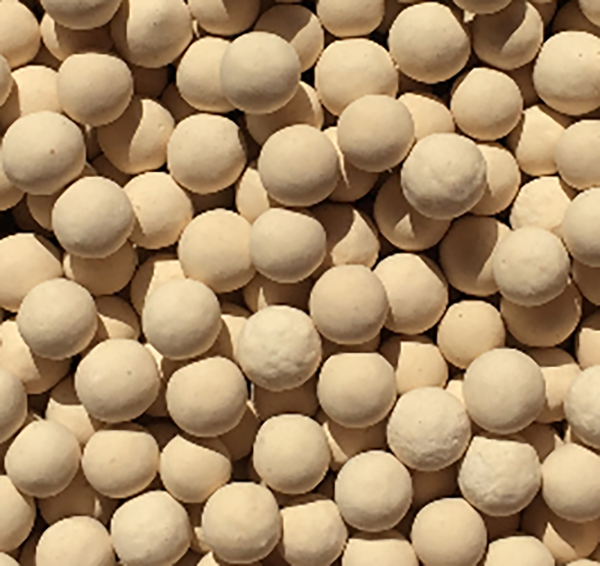
In the oil and gas sector, desulfurization is a critical regulatory requirement. The Claus process, which converts hazardous hydrogen sulfide (H2S) into elemental sulfur, relies heavily on active alumina catalysts. High-purity alumina spheres facilitate this reaction under extreme temperatures, protecting the environment while recovering valuable sulfur for agricultural and industrial use.
2. Industrial Gas Drying & Dehydration
UK manufacturing plants require ultra-dry compressed air and gas streams to prevent pipeline corrosion and instrument failure. Activated alumina is the preferred desiccant for heatless and thermal-regenerative air dryers due to its high water adsorption capacity and physical durability under high pressure.
3. The Emerging Hydrogen Economy
With the UK investing heavily in green and blue hydrogen production, purification is a major technical hurdle. Alumina-supported catalysts and molecular sieves play a pivotal role in removing trace impurities such as carbon monoxide, carbon dioxide, and moisture from hydrogen streams, ensuring the gas meets fuel cell grade specifications.
4. Catalyst Support Media
In many complex chemical synthesis processes, alumina acts as an inert, highly porous carrier (catalyst support) for precious metals like platinum, palladium, or nickel. This structure maximizes the active surface area of the expensive metals, optimizing reaction kinetics and reducing overall catalyst costs.
Alumina Catalysts Pricelist Factors: What UK Buyers Need to Know
Navigating the global supply market for alumina catalysts requires an understanding of the key cost drivers. The pricing of alumina catalysts and molecular sieves exported to the UK is influenced by several technical and logistical variables:
| Parameter | Specifications / Options | Impact on Price |
|---|---|---|
| Purity Grade | Standard (92-95% Al2O3) vs. High-Purity (99%+ Al2O3) | Higher purity grades command premium pricing due to advanced refining processes. |
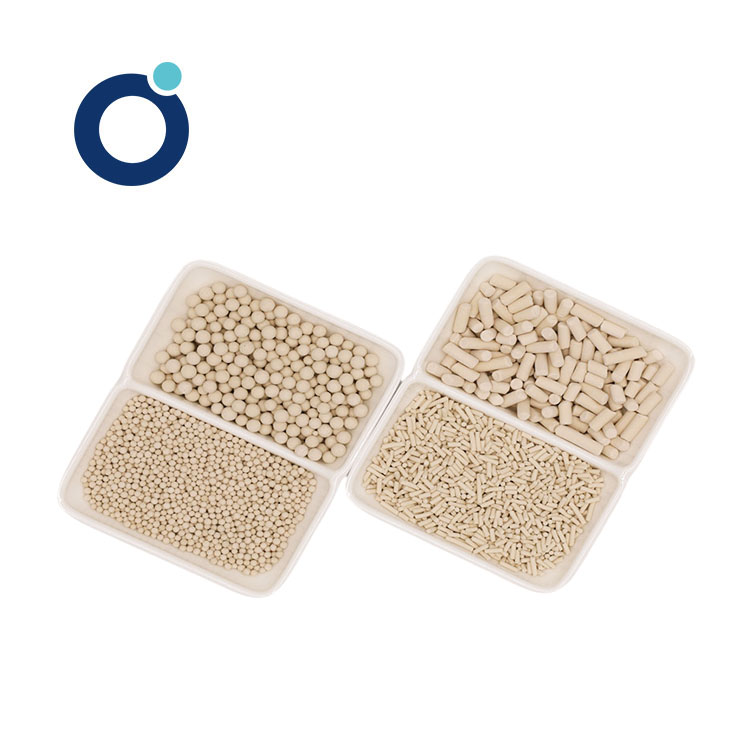
| Physical Form | Spheres, Pellets, Extrudates, Trilobes | Custom geometries designed to minimize pressure drop increase manufacturing complexity. |
| Surface Area & Pore Volume | Customized porosity for specific catalytic reactions | Specialized pore sizing requires proprietary additives and thermal treatment, elevating the cost. |
| Certification Requirements | ISO 9001, SGS, TUV, REACH compliance for UK/EU | Rigorous testing and documentation ensure compliance but add to the base processing cost. |
| Logistics & Freight | FOB Shanghai / CIF UK Ports (Felixstowe, Southampton) | Bulk shipping volumes significantly lower the per-tonne shipping cost. |
For UK procurement managers, obtaining an accurate pricelist involves specifying the exact operating parameters, including gas flow rate, operating temperature, pressure, and the specific contaminants targeted for removal. Working directly with integrated manufacturers like Shanghai Jiuzhou Chemicals eliminates intermediary markups, ensuring competitive pricing and consistent material properties.
Market Trends & Technological Innovations
The global alumina catalyst industry is experiencing a wave of innovation, heavily influenced by digital technologies and green chemistry principles. One of the most significant trends is the integration of Artificial Intelligence (AI) and machine learning in materials science. AI algorithms are now used to simulate and predict the performance of catalyst pore structures, allowing manufacturers to design custom-tailored alumina matrices with unprecedented precision. This reduces the trial-and-error phase in laboratory settings, bringing highly efficient catalysts to market faster.
Additionally, the shift towards a circular economy in the UK has spurred research into catalyst regeneration and recycling. Instead of disposing of spent catalysts in landfills, advanced thermal reactivation techniques allow activated alumina and molecular sieves to be restored to near-original capacity, aligning with corporate sustainability initiatives and reducing long-term procurement costs.