Featured Industrial Process & Grinding Media
Introduction to Alumina Ceramic Balls in the Italian Market
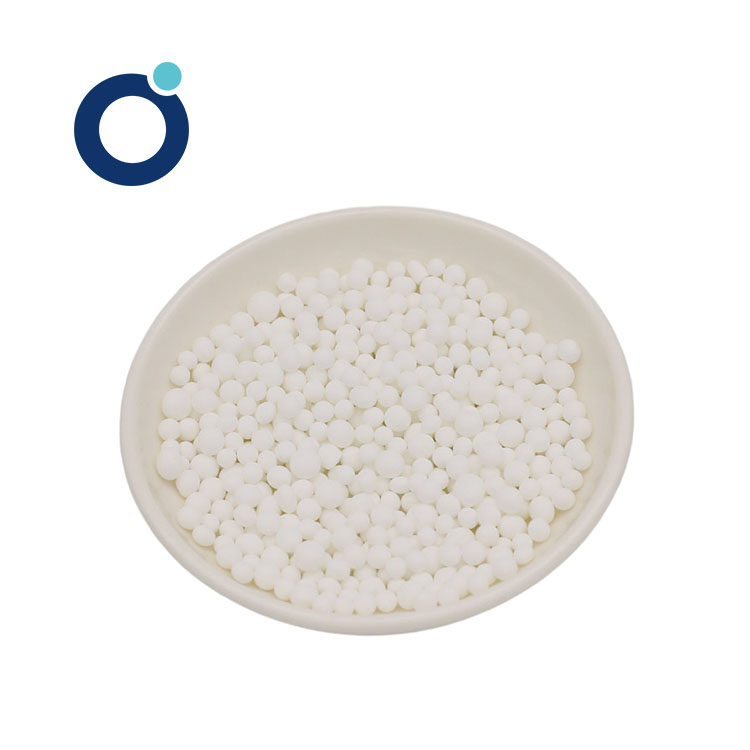
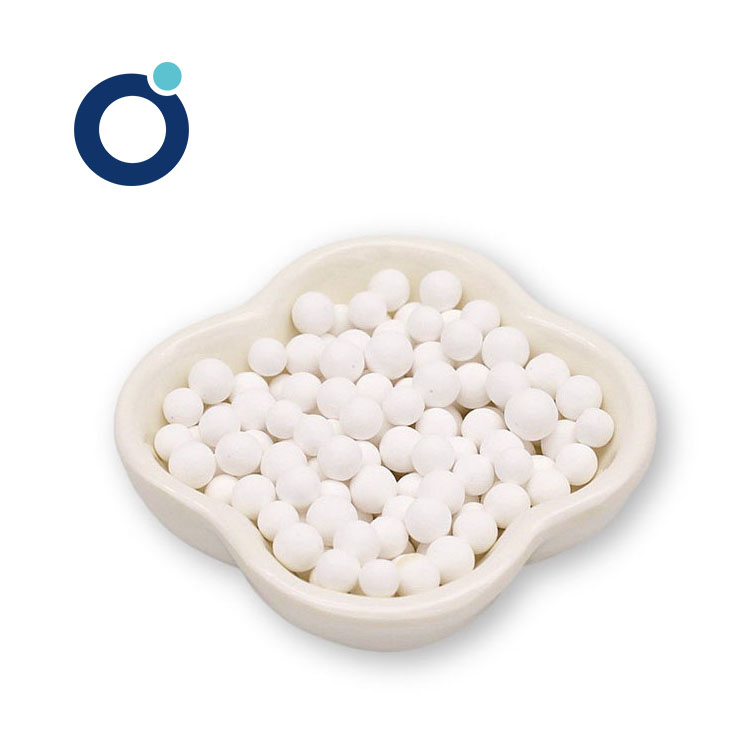
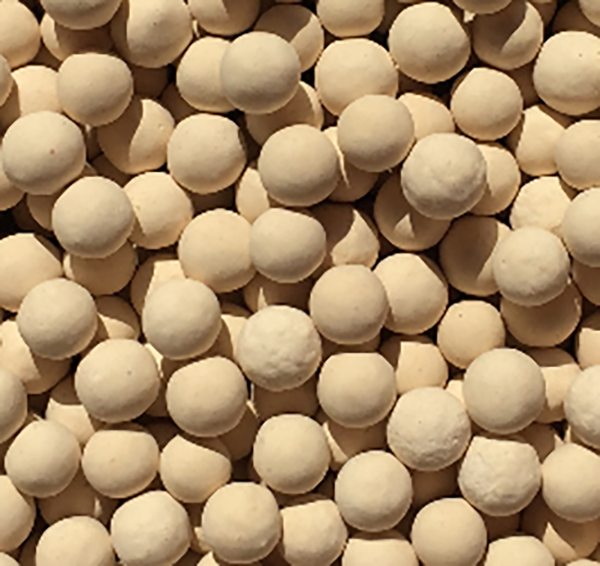
Italy stands as one of the major industrial powerhouses of Europe, characterized by its highly sophisticated manufacturing sectors, advanced chemical engineering, and world-renowned ceramics production. At the core of these diverse industrial operations lies the demand for high-performance auxiliary materials, among which alumina ceramic balls play a pivotal role. As a critical medium for grinding, catalyst support, and thermal storage, alumina ceramic balls are indispensable in modern manufacturing. This guide explores the market dynamics, application scenarios, and standard regulations governing the import, manufacture, and distribution of alumina ceramic balls in Italy.
As a leading global exporter, we specialize in delivering premium-grade inert alumina ceramic balls and grinding media that meet the rigorous demands of Italian industries. Whether it is for the high-energy milling processes in the Sassuolo ceramic district or the complex catalyst bed systems in the refineries of Sicily and Lombardy, our materials deliver unmatched durability, chemical inertness, and thermal stability.
The Industrial Landscape of Italy: Demand for Advanced Ceramic Media
The industrial landscape in Italy is highly regionalized and specialized. The demand for alumina ceramic balls is driven by several key sectors that require high-strength, wear-resistant, and chemically inert materials:
- The Ceramic and Tile Manufacturing Hub: Centered around Sassuolo in the Emilia-Romagna region, Italy leads the world in high-end ceramic tile production. This industry relies heavily on ball mills for wet and dry grinding of raw minerals, where alumina ceramic balls are the primary grinding media.
- Chemical and Petrochemical Processing: With major chemical clusters in Lombardy, Piedmont, and Veneto, and key refineries scattered along the coastlines, Italy requires massive quantities of inert alumina balls to serve as catalyst support media in reactors.
- Environmental Technology & Water Treatment: Modern Italian environmental initiatives require advanced filtration and adsorption media for wastewater treatment and air purification systems, where alumina-based materials are increasingly utilized.
Key Trend: Transition to Energy-Efficient Grinding
Rising energy costs in Southern Europe have pushed Italian manufacturers to optimize their milling operations. High-density alumina ceramic balls (92% and 95% Al2O3) allow for shorter grinding cycles and lower energy consumption compared to traditional natural pebbles or low-alumina media.
Localized Application Scenarios of Alumina Ceramic Balls in Italy
1. Grinding Media in the Sassuolo Ceramic District
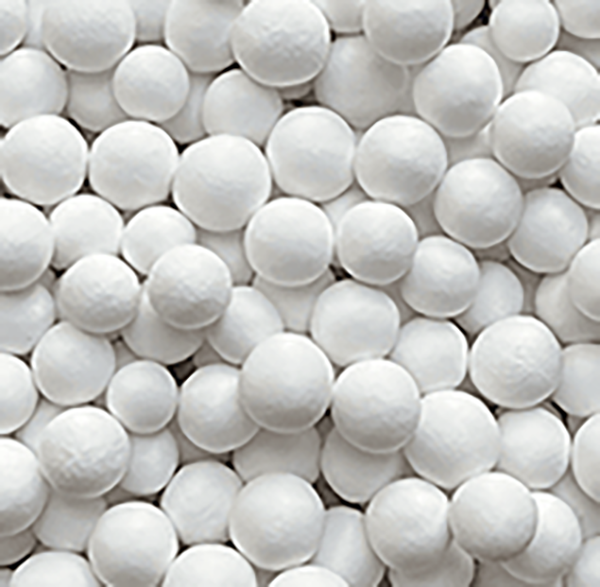
In the production of porcelain stoneware and ceramic tiles, achieving an ultra-fine particle size distribution of the raw slip (mixture of clay, silica, and feldspar) is critical. Traditional silica pebbles have been widely replaced by high-density alumina ceramic balls. The high density (typically 3.60 to 3.70 g/cm³) and superior hardness of alumina balls significantly increase grinding efficiency, reducing milling time by up to 30% and energy consumption by 20%. Furthermore, the low wear rate ensures that the raw material slip remains free from contamination, preserving the pristine white color and mechanical integrity of the final ceramic tiles.
2. Catalyst Bed Support in Petrochemical Refineries
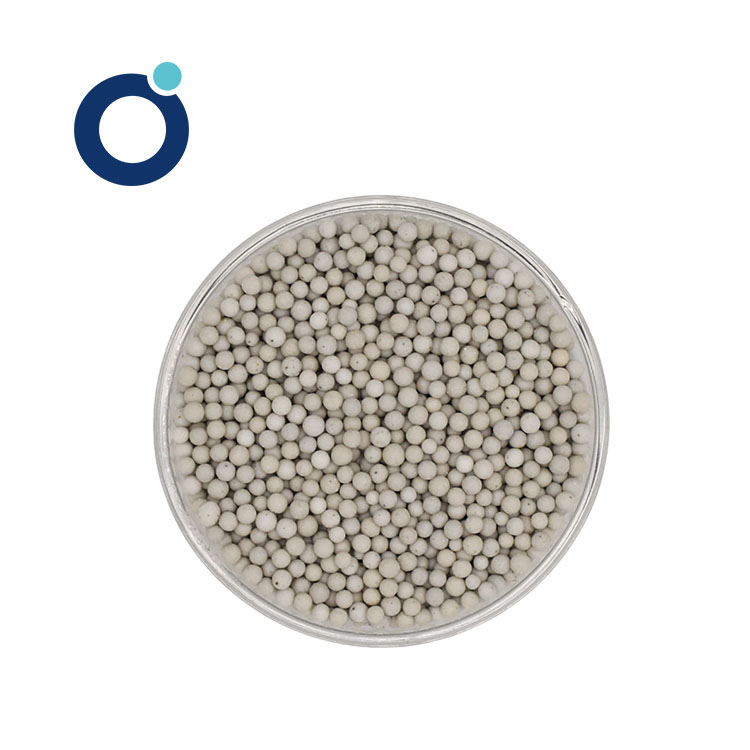
In petrochemical processing units—such as hydrocrackers, desulfurizers, and reformers operated by major Italian energy companies like Eni—reactors operate under extreme temperatures and pressures. Inert alumina ceramic balls are placed at the top and bottom of the reactor beds. They serve two vital functions: supporting the active catalyst beds to prevent shifting or migration, and distributing the inlet gas or liquid flow evenly across the catalyst zone. The high chemical inertness of 99% high-purity alumina balls prevents reactions with process fluids, ensuring catalyst longevity and system safety.
3. Thermal Storage and Heat Exchangers in Metallurgy
Italy’s steel and metal processing plants utilize regenerative thermal oxidizers (RTO) and heat exchangers to recover energy from exhaust gases. Alumina ceramic balls, with their high heat capacity and thermal conductivity, act as efficient heat storage media. They withstand rapid thermal cycling without cracking or spalling, making them ideal for high-temperature energy conservation systems.
Industry Trends: The Future of Inert Ceramic Media in Southern Europe
As the European Union intensifies its focus on decarbonization and the circular economy, the industrial ceramics market in Italy is undergoing significant transformations:
Sustainability and Circular Economy
Italian manufacturers are actively seeking suppliers who can demonstrate sustainable sourcing and low carbon footprints in their production processes. The longevity of alumina ceramic balls is a key factor here; by selecting high-wear-resistant media, factories minimize waste generation and reduce the frequency of media replacement, aligning with EU waste reduction targets.
High-Purity and Ultra-Low Silica Requirements
For sensitive chemical synthesis and pharmaceutical applications, even trace amounts of silica contamination can poison catalysts or alter chemical reactions. As a result, the demand for 99.5% high-purity alumina ceramic balls has risen. These products feature extremely low silica content (less than 0.2%), providing maximum safety in highly reactive environments.
Digitalization of Milling Operations
With the implementation of Industry 4.0 standards across Italian factories, milling processes are increasingly automated. Real-time monitoring of mill loads and wear rates requires highly standardized ceramic balls with consistent spherical shape, density, and size distribution to ensure predictable performance.
INTRODUCTION TO SHANGHAI JIUZHOU CHEMICALS
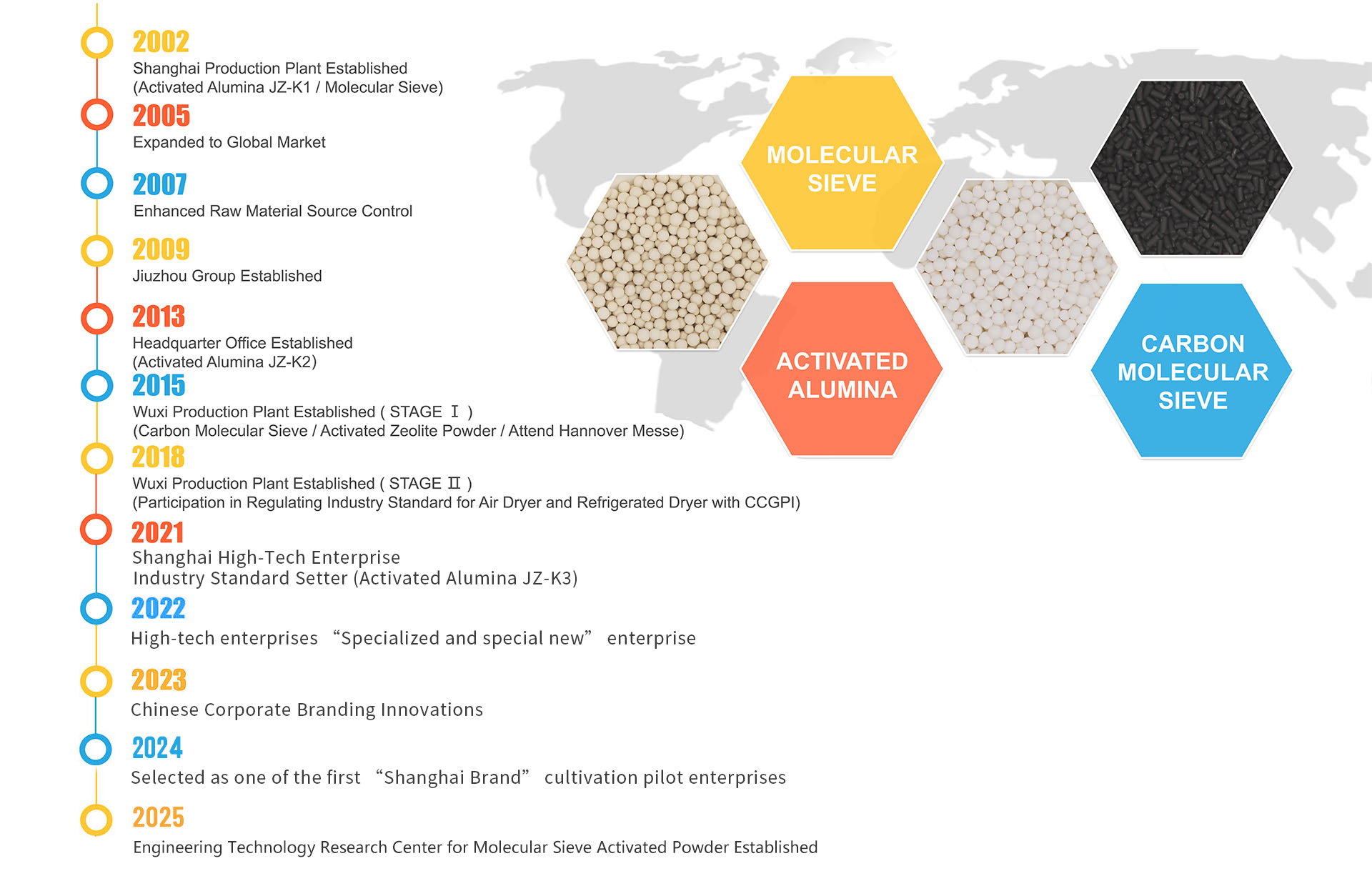
Shanghai Jiuzhou Chemicals Co., Ltd. Located in the biggest Economic Development city Shanghai. Over the years Jiuzhou has always adhered to the “quality control, innovation “principles, committed to the development, research, manufacturing of high quality innovative chemical products. Our main products includes various molecular sieve powders, molecular sieves, activated powder, activated alumina, aluminum oxide catalysts, different types of alumina packing and ceramic balls, sodium silicates, aluminum hydroxide,zeolite 4A, sodium carbonates, SLES, etc. Our all products passed the ISO9001: 2008 quality management system certification and TUV & SGS Certification.
Jiuzhou factory has a professional and world-class research team and experts in chemical product resources.We use the best in international prodution technonlogy and professional production equipment, constructed in line with national standards and by the large multipurpose plant monitoring, analysis instrument composition the central laboratory. And in quality inspection aspect Jiuzhou have controlled and that products meet international standards.
Jiuzhou's technical strength and industry reputation are leading the industry in the field f desiccants, with senior experts and technical reserves, automated multi-unctional production workshops, and a central laboratory and dynamic laboratory composed of large-scale monitoring and analysis instruments. It is in quality control And in terms of supporting services, a set of scientific and complete operating system has been established Joozeo products are exported to all parts of the world, and have established a distribution network in the United States, Southeast Asia, Japan, Europe, North and South America, the Middle East and other places to provide parthers with high-quality products, customized services, and more eneray-saving and environmentally friendly adsorption solutions.
Frequently Asked Questions (FAQ)
Q1: What is the difference between inert alumina ceramic balls and active alumina?
Inert alumina ceramic balls are primarily used as grinding media or catalyst bed support due to their high density, mechanical strength, and chemical resistance. They do not participate in chemical reactions. Active alumina, on the other hand, possesses high porosity and surface area, making it an excellent desiccant and adsorbent for removing moisture and impurities from gases and liquids.
Q2: Why is 92% or 95% Al2O3 preferred for grinding applications in Italy?
These grades offer the optimal balance between hardness, density, and cost-effectiveness. The higher density compared to natural stones increases the kinetic energy in ball mills, reducing grinding time and energy costs, which is highly valued in the Italian ceramic tile industry.
Q3: How does Shanghai Jiuzhou Chemicals ensure the quality of exports to Italy?
All our products undergo strict quality control protocols in our central laboratory. We hold ISO9001:2008, TUV, and SGS certifications, ensuring that every batch shipped to Italy meets European industrial standards for chemical purity, crushing strength, and wear resistance.