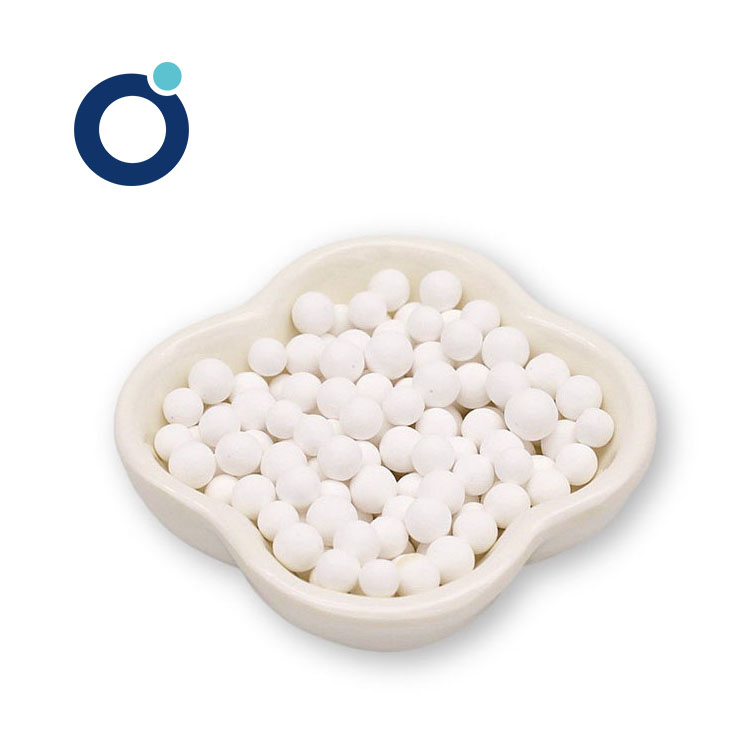
Featured Products for Hydrogen Peroxide & Chemical Purification
Industrial Overview: The Critical Role of Alumina Ceramic Balls in Hydrogen Peroxide Production
Hydrogen peroxide (H₂O₂) is a versatile and environmentally friendly chemical oxidant widely used in pulp and paper bleaching, textile processing, wastewater treatment, chemical synthesis, and high-tech electronics manufacturing. The predominant method for commercial hydrogen peroxide production globally is the anthraquinone autoxidation (AO) process. This complex, cyclic chemical process relies heavily on efficient catalytic hydrogenation and oxidation stages, where the purity, stability, and flow dynamics of the working solution are critical to maintaining high yield and operational safety.
In this demanding chemical environment, alumina ceramic balls (both inert support balls and active alumina balls) serve as indispensable components. Located within the reactors, they act as catalyst bed supports, flow distributors, and chemical purification agents. By providing extreme mechanical strength, chemical inertness, and optimized thermal properties, alumina ceramic balls prevent catalyst migration, ensure uniform fluid distribution, and protect expensive active catalysts from poisoning and mechanical degradation.
Why Alumina Ceramic Balls? In the anthraquinone process, exposure to acidic, alkaline, and highly oxidative conditions requires materials with exceptional chemical resistance. High-purity alumina ceramic balls withstand these harsh environments without leaching silica or iron, which could otherwise trigger the premature decomposition of hydrogen peroxide.
The Anthraquinone Autoxidation Process Explained
The AO process consists of a continuous cycle of four main steps: hydrogenation, oxidation, extraction, and purification/concentration. During hydrogenation, an alkyl anthraquinone dissolved in an organic solvent mixture (the working solution) is hydrogenated in the presence of a catalyst (typically palladium or nickel). The hydrogenated working solution is then oxidized with air or oxygen to form hydrogen peroxide while regenerating the anthraquinone. The H₂O₂ is subsequently extracted with water, purified, and concentrated.
Throughout these stages, maintaining the integrity of the catalyst beds is paramount. The catalyst particles in the hydrogenation reactor are extremely sensitive to mechanical stress and uneven flow. Alumina ceramic balls placed at the top and bottom of the catalyst bed act as buffer layers, dispersing the incoming flow of reactants and preventing channel flow or "hot spots" that can reduce reaction efficiency and shorten catalyst lifespan.
Deep-Dive Application Scenarios of Alumina Ceramic Balls
Alumina ceramic balls are utilized in different configurations and zones within a hydrogen peroxide production plant. Depending on their specific location and function, they are classified into inert support media and active adsorbent media.
1. Catalyst Bed Support and Flow Distribution
In the hydrogenation reactor, inert alumina ceramic balls are layered at the bottom of the vessel to support the active catalyst bed. Because of their high density and crushing strength, they easily support the weight of tons of catalyst without crushing. At the top of the reactor, a layer of alumina balls acts as a flow distributor, converting the high-velocity inlet stream into a uniform, laminar flow across the catalyst bed. This prevents catalyst attrition caused by direct impingement of the liquid feed.
2. Adsorption of Acidic Impurities and Degraded Products
Active alumina ceramic balls are integrated into the purification loop of the working solution. During the cyclic oxidation and hydrogenation stages, anthraquinone molecules gradually degrade into inactive byproducts. Active alumina acts as a regeneration catalyst, converting these degraded molecules back into active anthraquinone, thereby extending the life of the working solution and reducing operational costs. Additionally, they adsorb trace acids and moisture carried over from the extraction stage.
- High Al₂O₃ Content: Minimizes impurities like silica (SiO₂) leaching, which can contaminate the working solution and catalyze H₂O₂ decomposition.
- Exceptional Crushing Strength: Withstands high pressure drops and mechanical loads in industrial-scale reactors.
- Thermal Stability: Performs reliably under fluctuating reaction temperatures without cracking or spalling.
- Optimized Porosity: Active varieties provide a high surface area for efficient adsorption and chemical regeneration.
- Chemical Resistance: Inert to organic solvents, hydrogen, oxygen, and acidic/basic process streams.
Technical Specifications for H₂O₂ Plant Grade Alumina Balls
To ensure optimal performance and safety in hydrogen peroxide production, alumina ceramic balls must meet strict quality standards. The table below outlines the typical technical parameters required by global chemical plants:
| Parameter | Inert Alumina Support Balls | Active Alumina Regenerator Balls |
|---|---|---|
| Al₂O₃ Content (%) | ≥ 92% - 99% | ≥ 93% |
| SiO₂ Content (%) | ≤ 0.2% - 5.0% (depending on grade) | ≤ 0.1% |
| Fe₂O₃ Content (%) | ≤ 0.1% | ≤ 0.02% |
| Crushing Strength (N/particle) | > 500 N to 3000 N (based on size) | > 120 N to 300 N |
| Specific Surface Area (m²/g) | < 0.5 m²/g | 280 - 360 m²/g |
| Bulk Density (g/cm³) | 1.35 - 2.0 g/cm³ | 0.68 - 0.75 g/cm³ |
Commercial Status and Global Market Trends
The global market for hydrogen peroxide is experiencing steady growth, driven by the shift towards green chemistry and sustainable industrial processes. Unlike chlorine-based bleaching agents, hydrogen peroxide decomposes into harmless water and oxygen, making it the preferred choice for eco-friendly pulp bleaching and municipal wastewater purification.
Furthermore, the rapid expansion of the semiconductor and electronics industries has created a surge in demand for ultra-pure, electronics-grade hydrogen peroxide (EL Grade H₂O₂), which is used for wafer cleaning and etching. Producing electronics-grade hydrogen peroxide requires exceptionally clean raw materials and process components. Any trace metal impurities, particularly sodium, iron, or silica, can compromise the quality of the final product. Consequently, H₂O₂ manufacturers are increasingly sourcing high-purity (99% Al₂O₃) alumina ceramic support balls to eliminate contamination risks at the source.
Another key trend is the optimization of plant efficiency. Modern H₂O₂ mega-plants operate at higher flow velocities and pressures to maximize throughput. This puts immense physical stress on the reactor internals. Low-quality support media can break down under these conditions, leading to catalyst bed compaction, increased pressure drops, and costly unscheduled shutdowns. Investing in premium-grade alumina ceramic balls with superior crushing strength and wear resistance has become a standard strategy for operators looking to reduce Total Cost of Ownership (TCO) and maximize uptime.
Why Choose Shanghai Jiuzhou Chemicals?
Shanghai Jiuzhou Chemicals Co., Ltd. is a leading manufacturer and exporter of chemical desiccants, catalysts, and reactor packaging materials. With decades of industry experience, we specialize in delivering tailored solutions that optimize process efficiency and safety in hydrogen peroxide plants worldwide.
Located in the major economic hub of Shanghai, Jiuzhou has consistently adhered to the principles of "quality control and continuous innovation." We are committed to the development, research, and manufacturing of high-quality chemical products. Our extensive portfolio includes various molecular sieve powders, molecular sieves, activated powders, activated alumina, aluminum oxide catalysts, and different types of alumina packing and ceramic balls.
All our products are certified under the ISO9001:2008 quality management system, as well as TUV and SGS certifications, ensuring that our clients receive materials that meet strict international standards. Our state-of-the-art manufacturing facilities are backed by a professional, world-class research team and experts in chemical product resources.
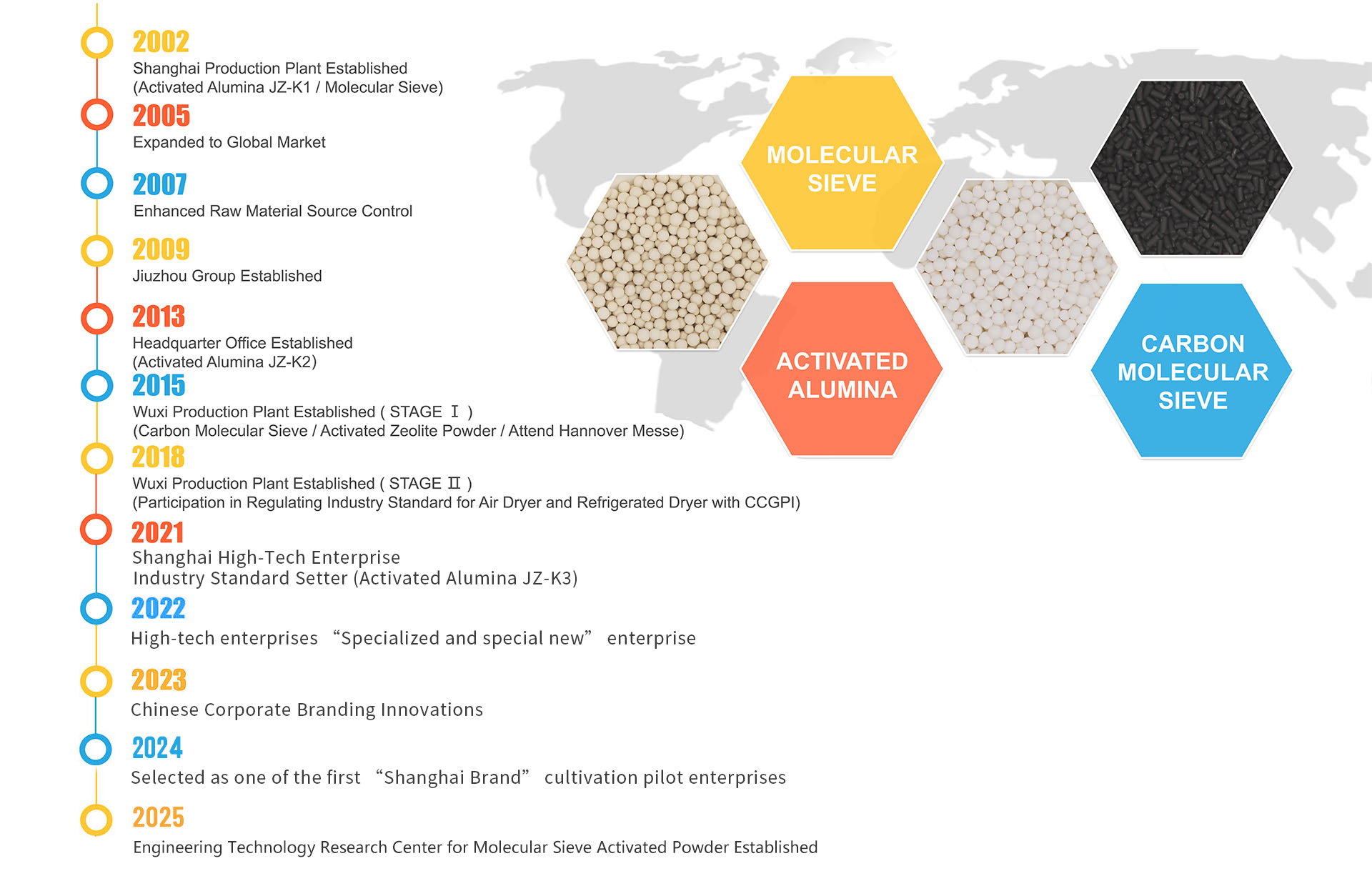
Jiuzhou's technical strength and industry reputation make us a trusted partner in the field of desiccants and catalyst supports. We operate automated, multi-functional production workshops and maintain a central laboratory equipped with advanced monitoring and analysis instruments. This allows us to perform rigorous quality testing and simulate dynamic process conditions, ensuring our products perform flawlessly in your reactors.
Our products are exported globally, supported by a robust distribution network spanning the United States, Southeast Asia, Japan, Europe, North and South America, and the Middle East. We provide our partners with high-quality products, customized services, and energy-saving, environmentally friendly adsorption solutions.
Explore Our Complete Range of Products
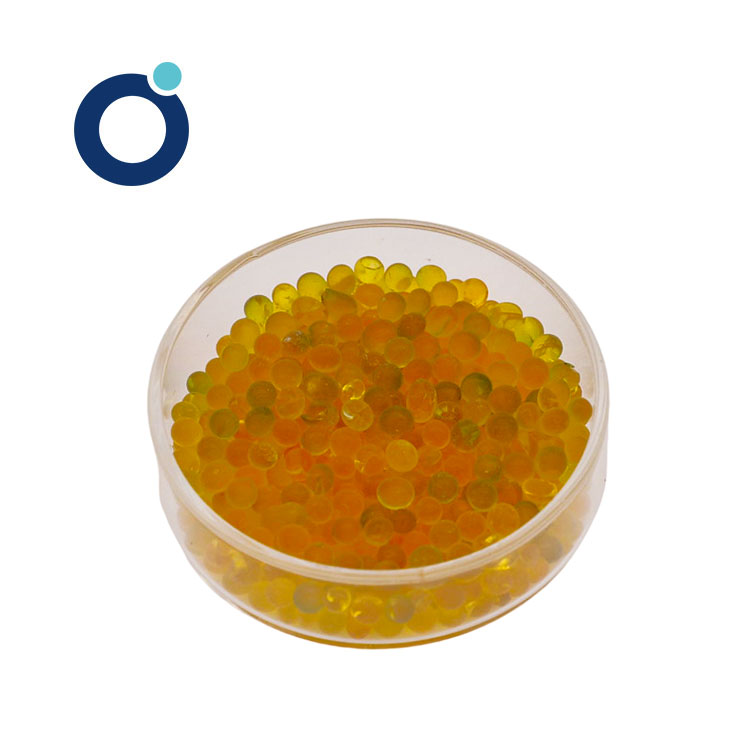
Silica Gel JZ-SG-O for Working Solution Dehydration
View Details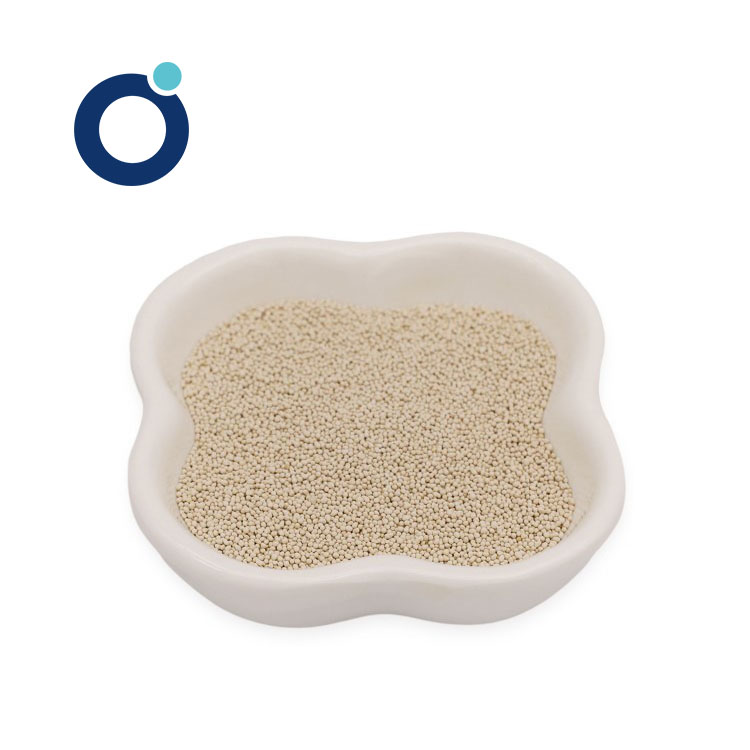
Oxygen Molecular Sieve JZ-OM for H2O2 Oxidation Process
View Details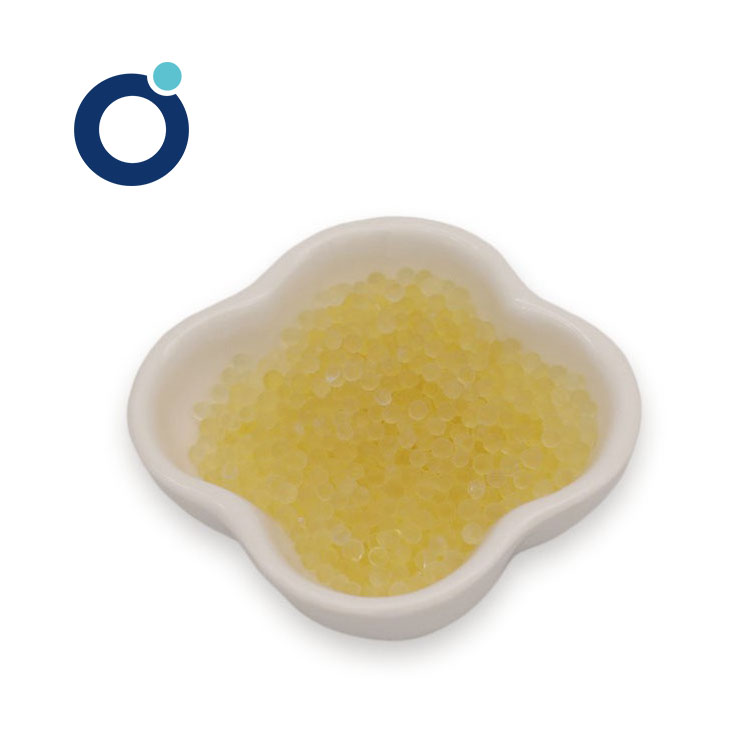
Alumina Silica Gel JZ-SAG for Acidic Impurity Adsorption
View Details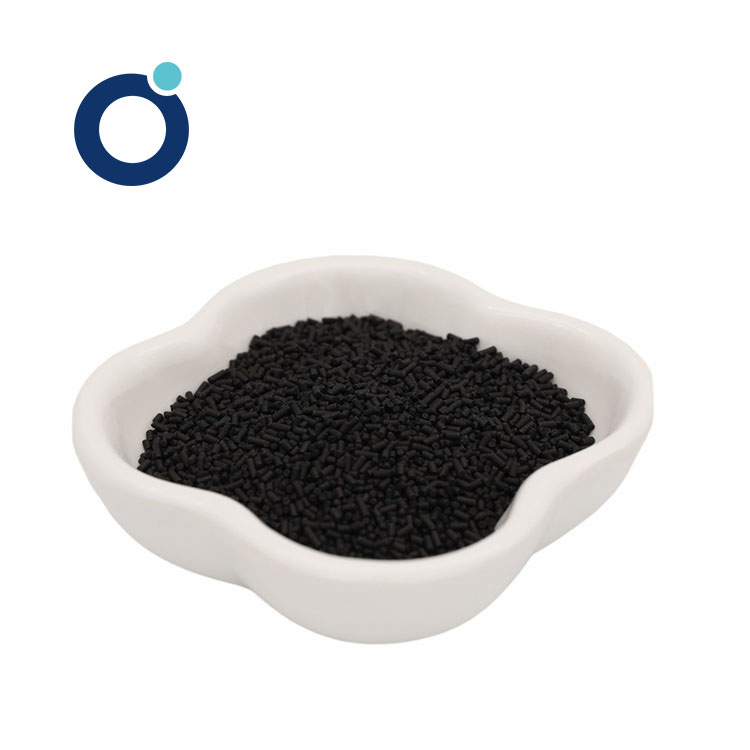
Carbon Molecular Sieve JZ-CMS2N for Nitrogen Systems
View Details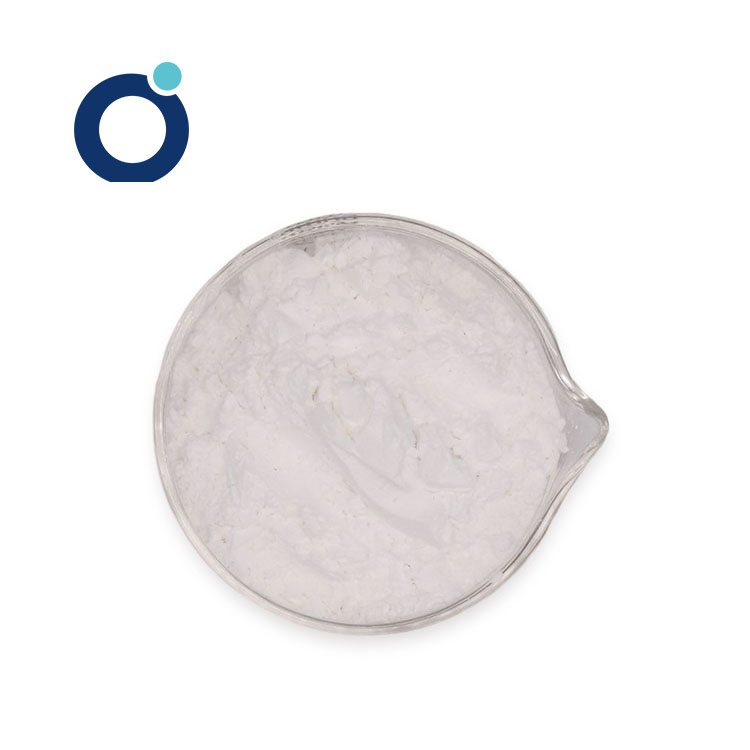
Soda Ash Light JZ-DSA-L for Working Solution Control
View Details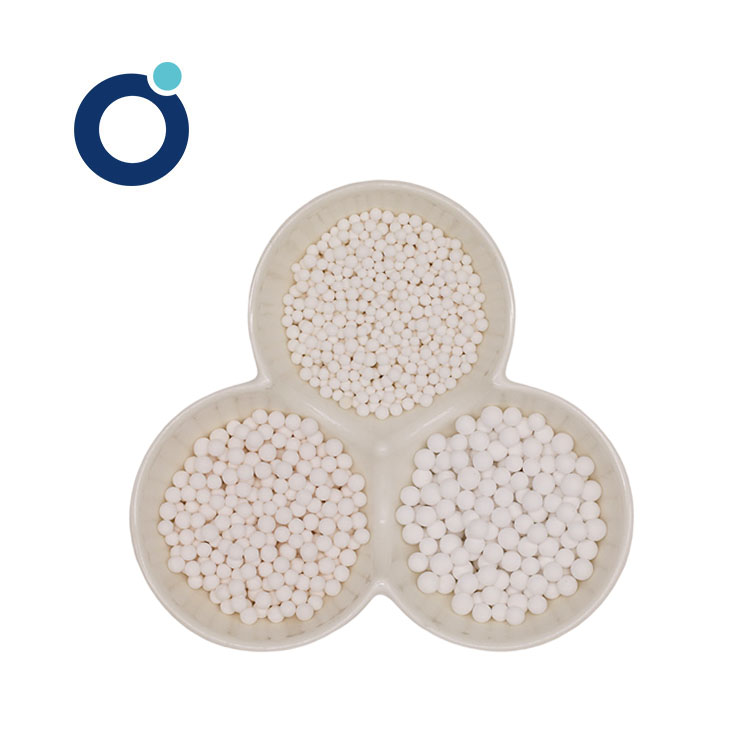
Activated Alumina JZ-K1 for Anthraquinone Regeneration
View Details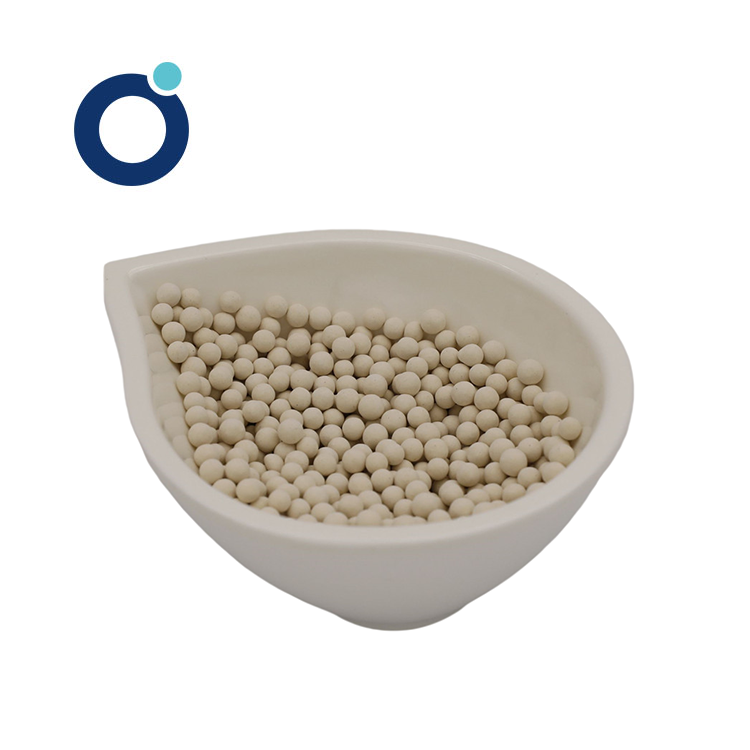
Molecular Sieve JZ-512H for H2O2 Purification
View Details