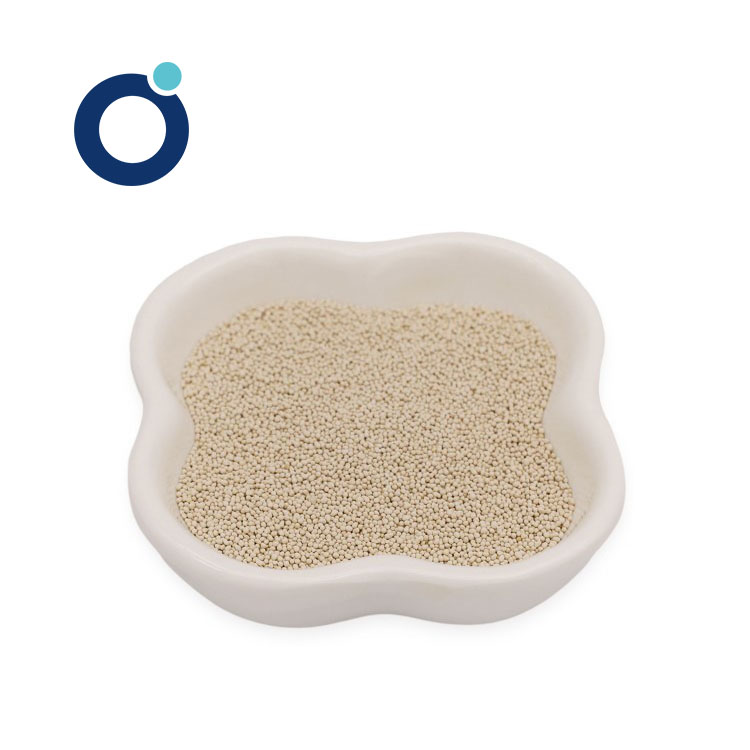
Featured Media for Off-Gas Purification
Industrial & Commercial Status of Off-Gas Purification
In the modern industrial landscape, off-gas purification has transitioned from a regulatory compliance requirement to a core operational priority. Rapid industrialization, combined with stringent environmental mandates globally (such as the EU Green Deal, US EPA regulations, and China's dual-carbon goals), has forced chemical, petrochemical, and manufacturing facilities to optimize their waste gas treatment systems. Volatile Organic Compounds (VOCs), hazardous air pollutants (HAPs), and greenhouse gases must be systematically destroyed or captured before exhaust release.
Alumina ceramic balls have emerged as a critical material in this environmental battleground. Utilized primarily as heat transfer media, catalyst supports, and flow distributors in Regenerative Thermal Oxidizers (RTO), Regenerative Catalytic Oxidizers (RCO), and packed bed scrubbers, these ceramic spheres provide the mechanical integrity and thermal stability required to withstand harsh, corrosive, and high-temperature environments. The commercial demand for high-purity alumina balls is experiencing a steady upward trajectory, driven by the global expansion of petrochemical plants, paint-booth operations, pharmaceutical manufacturing, and electronic packaging facilities.
Why Alumina Ceramic Balls are Essential
Their exceptional thermal shock resistance, high crushing strength, and chemical inertness prevent bed compaction and pressure drop spikes. This ensures long-term operational efficiency and minimizes costly downtime in continuous industrial processes.
Deep Technical Analysis: How Alumina Ceramic Balls Optimize Off-Gas Systems
The performance of an off-gas purification system is heavily dependent on the fluid dynamics and thermal efficiency of its packed beds. Alumina ceramic balls serve several key functions in these processes:
1. Thermal Energy Recovery and Heat Exchange
In Regenerative Thermal Oxidizers (RTOs), the exhaust gas is heated to temperatures exceeding 800°C to oxidize VOCs into carbon dioxide and water. Alumina ceramic balls act as a regenerative heat sink. As hot purified gas exits the combustion chamber, it passes through a bed of ceramic balls, transferring its heat to the media. The flow is then reversed, and the incoming cold off-gas passes through this preheated bed, absorbing the stored thermal energy. This process reduces the auxiliary fuel consumption of the burner, leading to massive operational cost savings.
2. Flow Distribution and Pressure Drop Minimization
Uneven gas distribution within an oxidation reactor leads to localized channeling, rendering portions of the catalyst or thermal bed ineffective. By utilizing structured layers of alumina ceramic balls of varying diameters, engineers can achieve uniform gas flow distribution across the entire cross-section of the reactor. The spherical geometry of the balls guarantees a predictable void fraction, minimizing pressure drop while maximizing gas-to-solid contact area.
3. Catalyst Bed Protection and Support
In catalytic systems (RCO), the expensive catalyst beds are highly sensitive to thermal shocks, mechanical crushing, and particulate deposition. Inert alumina ceramic balls are placed at the top and bottom of the catalyst bed to act as a buffer. They absorb the direct impact of high-velocity gas streams, trap particulate matter (acting as a pre-filter), and prevent the catalyst particles from migrating or escaping the reactor.
Key Application Scenarios in Industrial Off-Gas Treatment
Alumina ceramic balls are deployed across a wide range of specialized systems designed to clean industrial exhaust. Below are the primary application domains:
Petrochemical and Refinery Off-Gas Treatment
Refineries generate complex off-gases containing sulfur compounds, hydrocarbons, and nitrogen oxides. The chemical inertness of high-purity alumina ceramic balls (typically containing 92% to 99% $Al_2O_3$) prevents them from reacting with corrosive acidic gases even at temperatures exceeding 1000°C. They are widely used in Claus sulfur recovery units and tail gas treatment systems.
Volatile Organic Compound (VOC) Abatement in Electronics & Paint Booths
Industries such as semiconductor fabrication and automotive painting discharge high volumes of solvent-laden air. RTO systems packed with alumina ceramic media are the industry standard for destroying these VOCs, offering thermal recovery efficiencies of up to 95%.
Acid Gas Scrubbing and Wet Scrubbers
In chemical processing plants where exhaust contains halogenated compounds or acid mists, alumina balls serve as tower packing. They facilitate intimate contact between the ascending waste gas and the descending alkaline scrubbing liquid, accelerating neutralization reactions.
Future Trends and Technical Innovations
The future of alumina ceramic balls in off-gas purification is closely linked to material science innovations and process optimization. The industry is currently moving towards:
- Engineered Macro-Porosity: Developing ceramic balls with controlled internal void structures to increase surface area without compromising mechanical strength, allowing for simultaneous adsorption and heat storage.
- Composite Materials: Doping alumina with rare-earth oxides to create catalytic ceramic balls that not only store heat but also actively assist in the decomposition of specific VOCs at lower temperatures.
- Customized Particle Sizing: Utilizing advanced modeling and simulation to design multi-layered beds with optimized sphere size gradients, minimizing flow resistance and maximizing energy conservation.
As global environmental regulations tighten, the demand for high-performance ceramic media will continue to rise. Selecting a supplier with strict quality control and advanced production capabilities is paramount for industrial operators aiming to maintain compliance and optimize energy efficiency.
About Shanghai Jiuzhou Chemicals Co., Ltd.
Shanghai Jiuzhou Chemicals Co., Ltd. Located in the biggest Economic Development city Shanghai. Over the years Jiuzhou has always adhered to the "quality control, innovation" principles, committed to the development, research, manufacturing of high quality innovative chemical products. Our main products includes various molecular sieve powders, molecular sieves, activated powder, activated alumina, aluminum oxide catalysts, different types of alumina packing and ceramic balls, sodium silicates, aluminum hydroxide,zeolite 4A, sodium carbonates, SLES, etc. Our all products passed the ISO9001: 2008 quality management system certification and TUV & SGS Certification.
Jiuzhou factory has a professional and world-class research team and experts in chemical product resources.We use the best in international prodution technonlogy and professional production equipment, constructed in line with national standards and by the large multipurpose plant monitoring, analysis instrument composition the central laboratory. And in quality inspection aspect Jiuzhou have controlled and that products meet international standards.
Jiuzhou's technical strength and industry reputation are leading the industry in the field of desiccants, with senior experts and technical reserves, automated multi-functional production workshops, and a central laboratory and dynamic laboratory composed of large-scale monitoring and analysis instruments. It is in quality control And in terms of supporting services, a set of scientific and complete operating system has been established Joozeo products are exported to all parts of the world, and have established a distribution network in the United States, Southeast Asia, Japan, Europe, North and South America, the Middle East and other places to provide partners with high-quality products, customized services, and more energy-saving and environmentally friendly adsorption solutions.
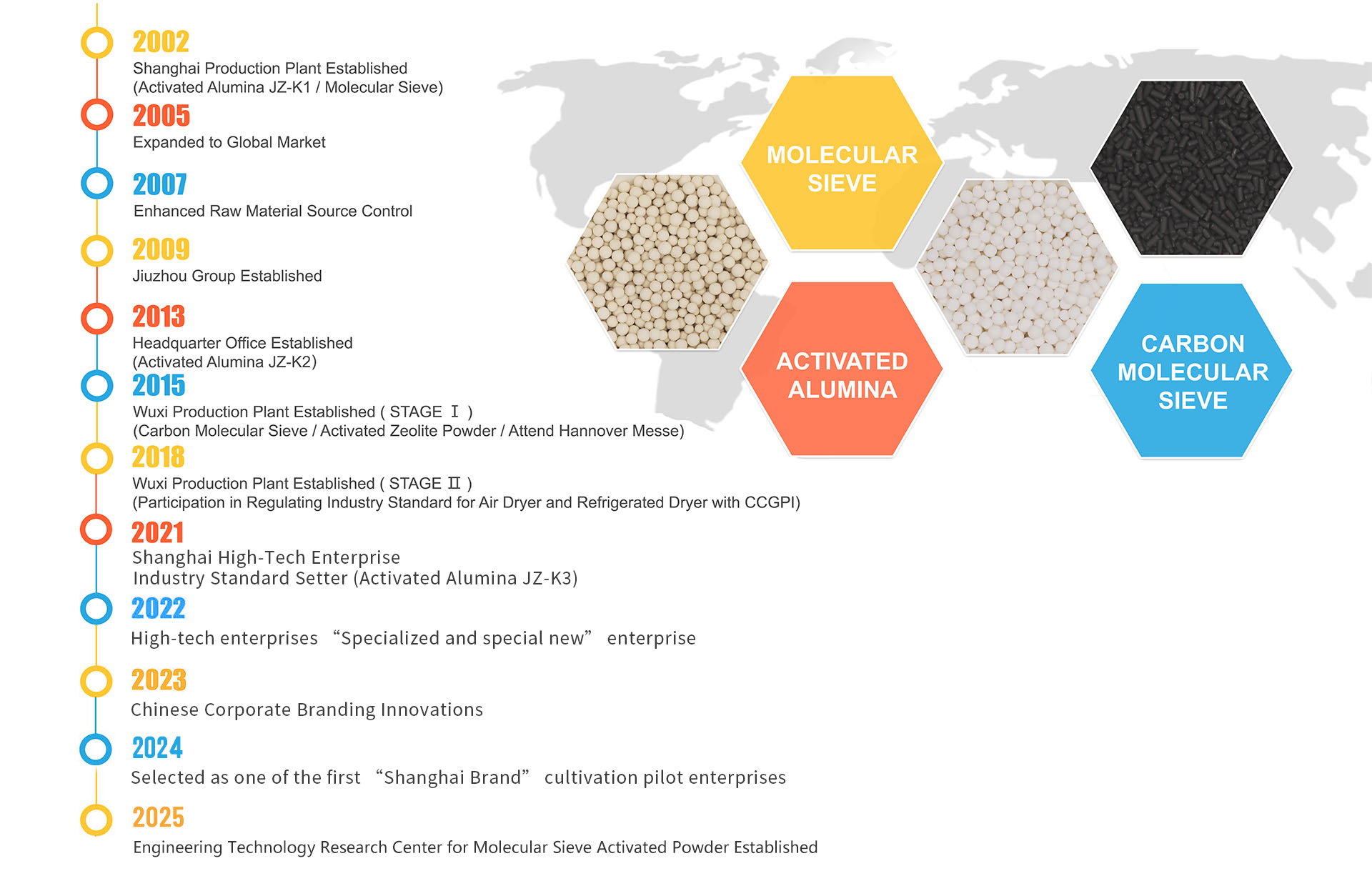
Our Complete Product Portfolio
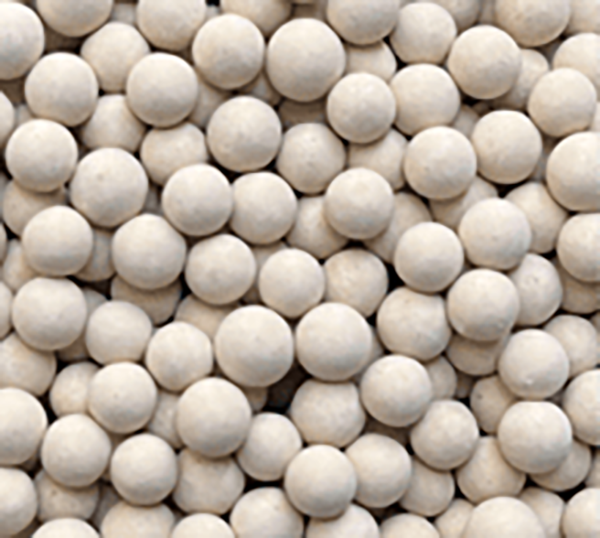
JooSorb AC-16 for Off-Gas Adsorption
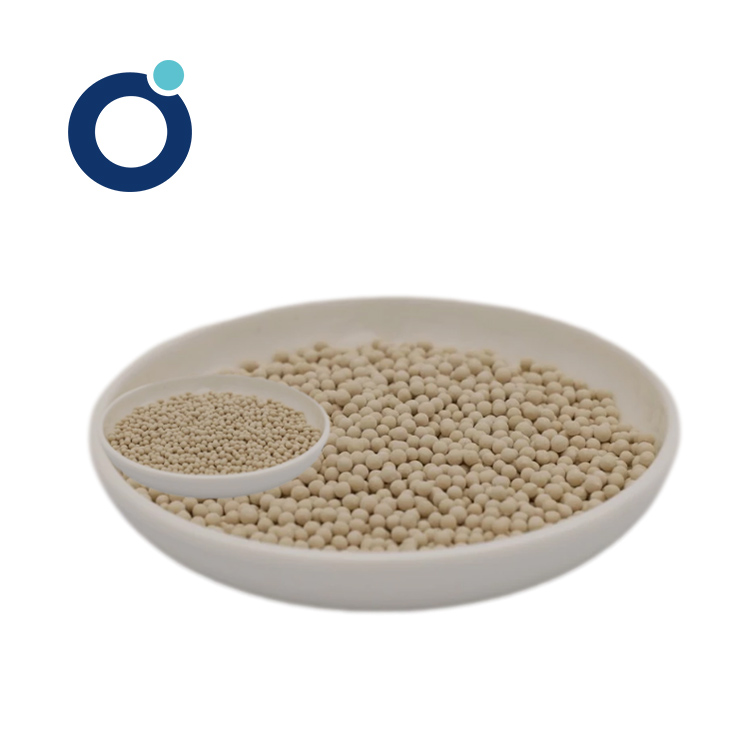
JZ-ZMS5 Molecular Sieve for Off-Gas Purification
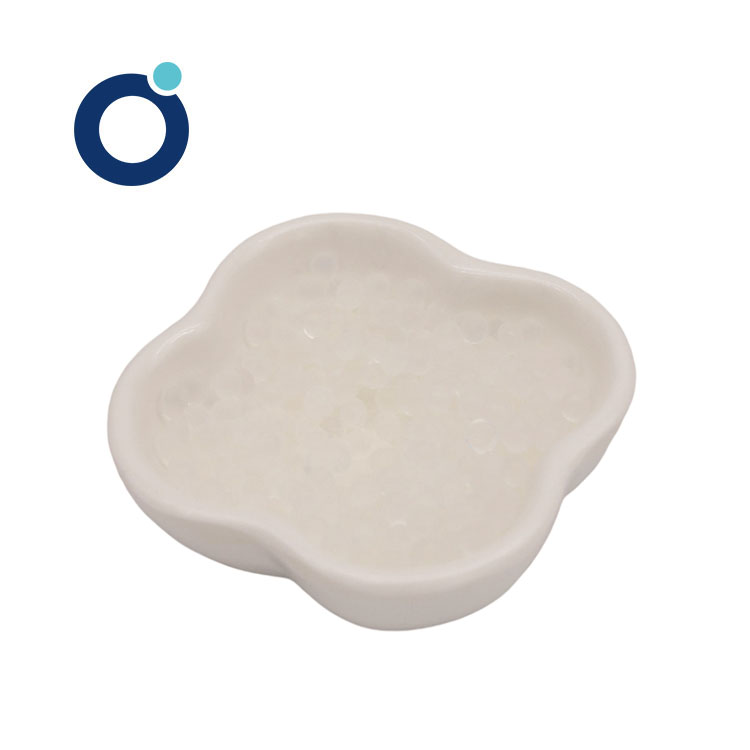
Silica Gel JZ-PSG for Gas Dehumidification
DuraChem MCS-615 Catalyst Support
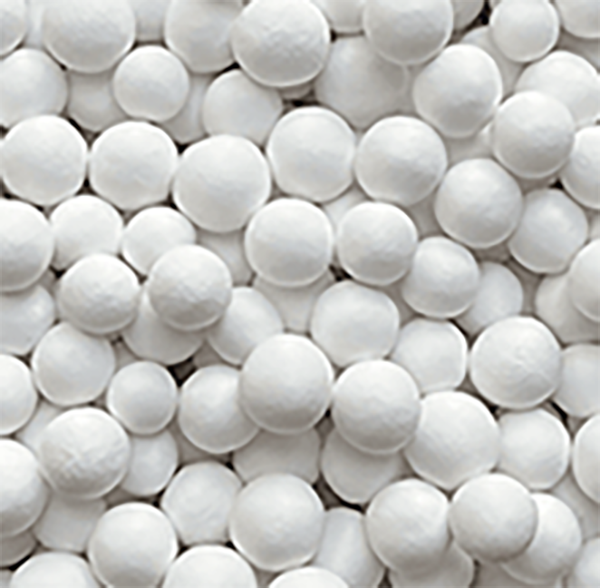
Duralyst MA-380 Catalytic Purification Medium
JooSorb DS-120 Desiccant for Off-Gas Systems
JZ-CMS2N Carbon Sieve for Nitrogen Recovery