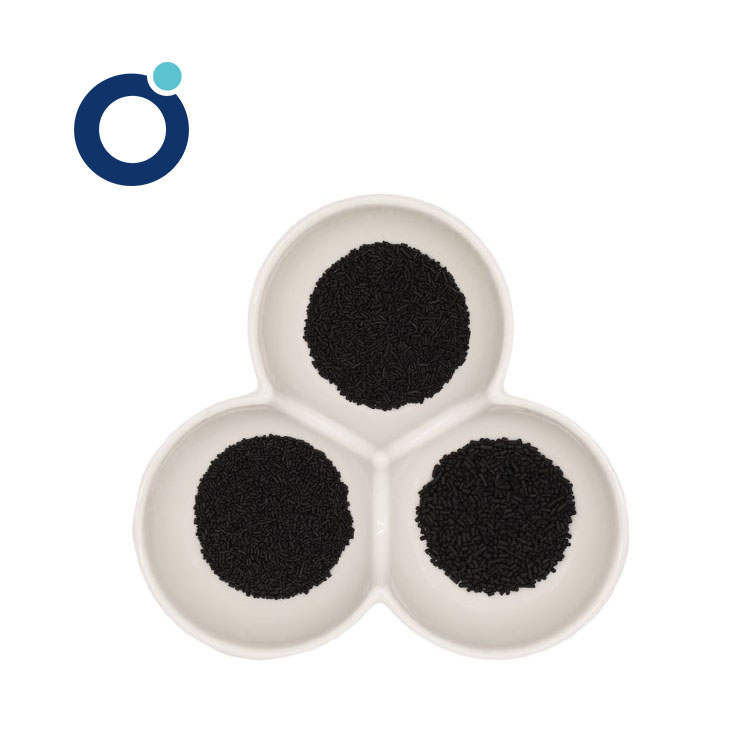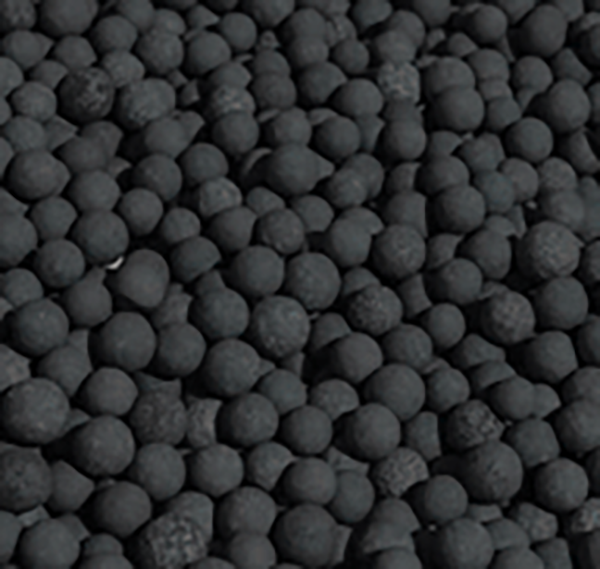
Innovative Water Defluoridation Media
Explore our primary high-efficiency adsorption agents designed to target fluoride contamination in industrial and municipal systems.
Understanding the Global Challenge of Fluoride in Water Resources
Fluoride is a naturally occurring element found in varying concentrations across global water bodies. While trace amounts of fluoride are beneficial for dental health, exceeding the safety threshold set by the World Health Organization (WHO) of 1.5 mg/L poses severe health risks. Chronic exposure to elevated fluoride levels in drinking water leads to dental fluorosis, skeletal fluorosis, joint stiffness, and neurological complications. This environmental health hazard affects millions of people, particularly in arid and semi-arid regions where groundwater is the primary source of drinking water.
As groundwater tables deplete and industrialization intensifies, fluoride pollution has transitioned from a localized geological issue to a global industrial challenge. Industries such as semiconductor manufacturing, electroplating, glass production, and fertilizer synthesis discharge wastewater containing high concentrations of fluoride ions. Consequently, the demand for highly efficient, cost-effective, and ecologically sustainable defluoridation technologies has reached an all-time high. Among the various methods available, adsorption using Alumina Ceramic Balls has emerged as the premier global standard for both municipal and industrial defluoridation.
The Mechanics of Alumina Ceramic Balls for Water Defluoridation
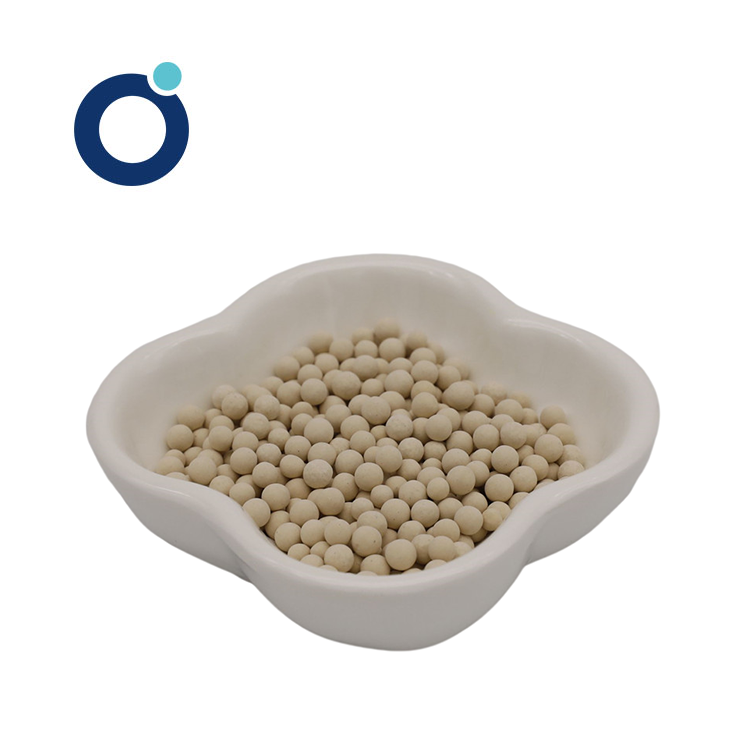
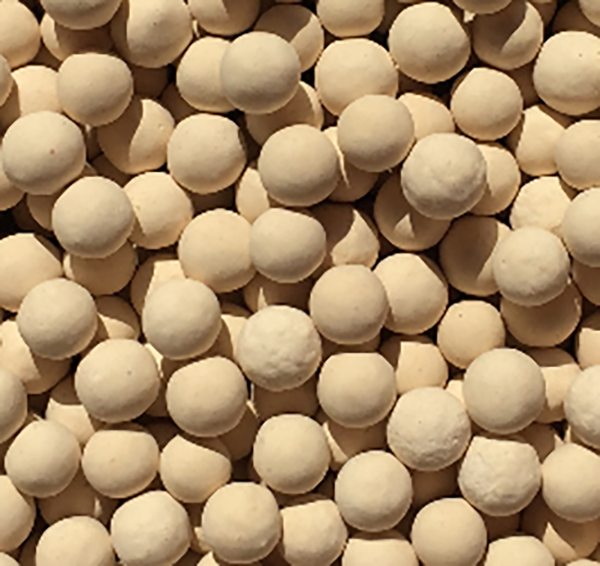
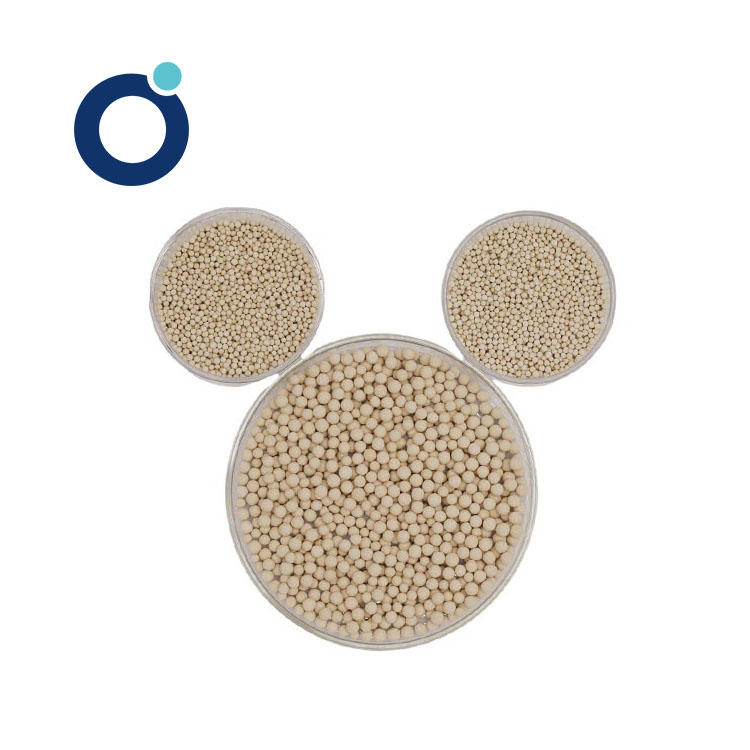
Alumina ceramic balls, primarily composed of activated alumina (Al₂O₃), are engineered with high porosity, an extremely large surface area, and a tailored pore size distribution. These physical and chemical characteristics make them exceptionally suited for targeted ion adsorption. The defluoridation process utilizing activated alumina operates through a combination of physical adsorption and chemisorption (ion exchange).
Key Mechanism: The surface of the alumina ceramic ball is populated with hydroxyl (-OH) groups. When water containing fluoride ions passes through the filtration bed, the fluoride ions (which have a high electronegativity and affinity for aluminum) displace the hydroxyl groups. This chemical exchange effectively traps the fluoride ions within the porous structure of the alumina ball, releasing harmless hydroxide ions into the water stream.
Factors Influencing Adsorption Efficiency
To optimize the performance of alumina ceramic balls in water defluoridation systems, several critical operational parameters must be managed:
- pH of the Water: The adsorption capacity of activated alumina is highly pH-dependent. The optimum pH range for fluoride removal is between 5.5 and 6.5. In this acidic-to-neutral range, the surface of the alumina is protonated, creating a positive charge that strongly attracts negatively charged fluoride ions.
- Contact Time (Empty Bed Contact Time - EBCT): Sufficient contact time between the water and the ceramic media is essential to ensure complete adsorption. A longer EBCT allows fluoride ions to diffuse deep into the internal pores of the ceramic balls.
- Co-existing Ions: Other anions present in water, such as bicarbonates, sulfates, and phosphates, can compete with fluoride for active adsorption sites. High-quality alumina ceramic balls are formulated to minimize this competition, maintaining a high selectivity for fluoride.
- Regeneration Cycles: One of the key economic advantages of alumina ceramic balls is their regenerability. Once the media becomes saturated with fluoride, it can be regenerated using a dilute solution of sodium hydroxide (NaOH) to strip the fluoride, followed by acid neutralization (typically using sulfuric acid, H₂SO₄) to restore the active acidic sites.
Industrial and Commercial Applications
The versatility of alumina ceramic balls allows them to be deployed across a diverse spectrum of water treatment scenarios. From massive municipal plants to specialized industrial processing units, these media provide reliable and scalable solutions.
1. Municipal Water Treatment Plants
In regions plagued by endemic fluorosis, municipal water authorities utilize large-scale fixed-bed adsorbers packed with alumina ceramic balls. These systems are designed to process millions of gallons of water daily, ensuring that the municipal drinking water supply consistently complies with national and international safety standards. The mechanical strength of the ceramic balls prevents attrition and dust formation, ensuring long-term bed stability and minimizing system maintenance costs.
2. Semiconductor and Electronics Manufacturing Wastewater
The semiconductor industry uses hydrofluoric acid (HF) extensively for silicon wafer etching and cleaning. The resulting wastewater is highly acidic and contains lethal concentrations of fluoride. Alumina ceramic balls are integrated into the polishing stages of wastewater treatment plants to reduce fluoride concentrations down to single-digit parts per million (ppm), enabling factories to meet stringent environmental discharge regulations before releasing water back into local ecosystems.
3. Rural and Decentralized Community Water Systems
In remote or developing areas where centralized water infrastructure is lacking, simple gravity-fed filtration units packed with alumina ceramic balls are deployed. These community-scale filters require no electricity and can be maintained with basic training. By providing a low-cost, decentralized solution, alumina ceramic balls play a critical role in public health campaigns aimed at eradicating skeletal fluorosis in vulnerable rural populations.
4. Point-of-Use (POU) and Point-of-Entry (POE) Filtration
For residential consumers concerned about municipal water quality, domestic water filters (such as under-sink systems and countertop filtration pitchers) utilize miniature alumina ceramic beads. These consumer-grade products provide an extra layer of protection, ensuring clean, safe, and pleasant-tasting drinking water directly from the tap.
About Shanghai Jiuzhou Chemicals Co., Ltd.
A leading global pioneer in the research, development, and manufacturing of advanced chemical adsorbents and ceramic media.
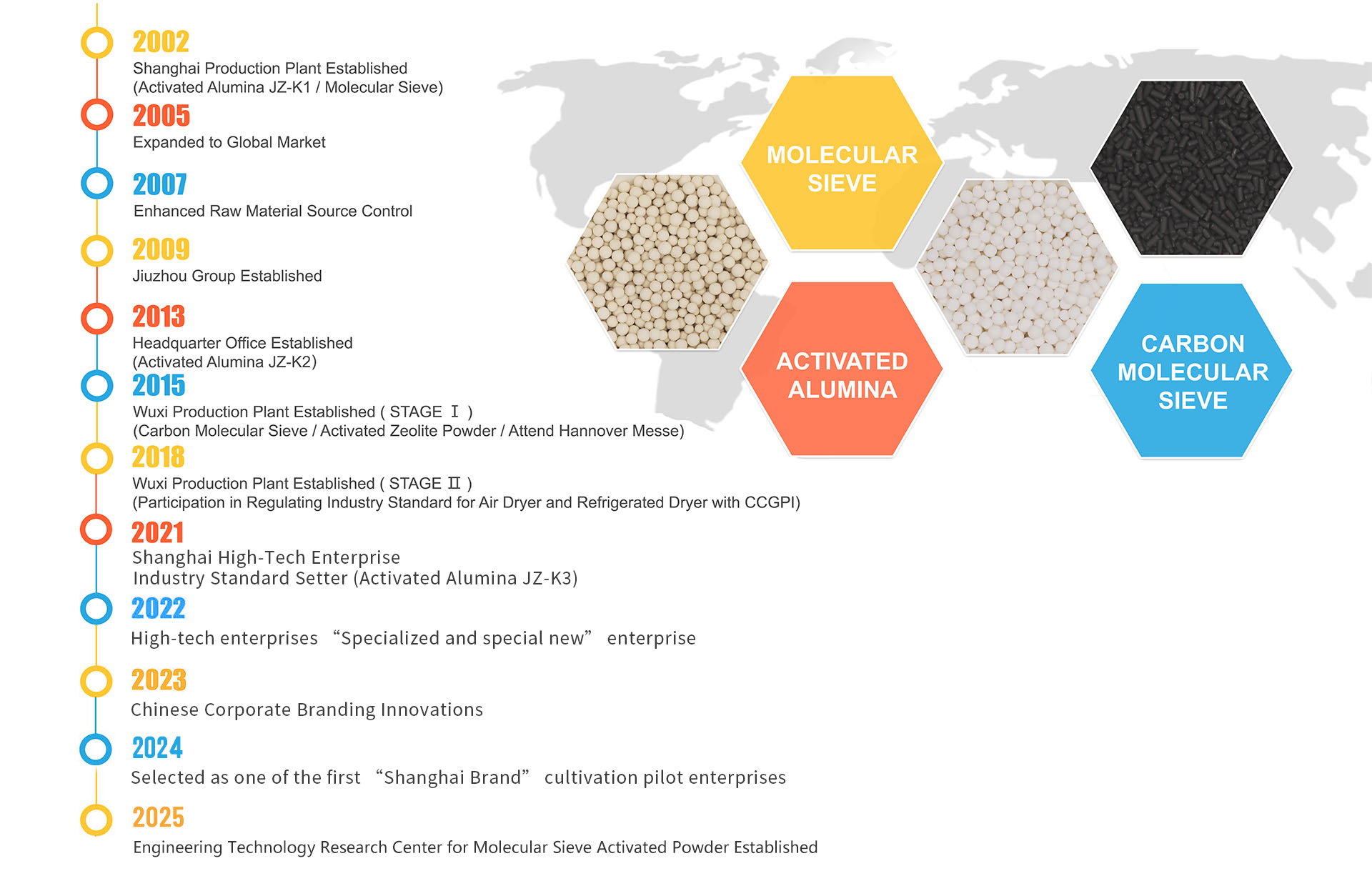
Shanghai Jiuzhou Chemicals Co., Ltd. is located in Shanghai, the largest economic development city in China. Over the years, Jiuzhou has consistently adhered to the core principles of "quality control and innovation," remaining deeply committed to the development, research, and manufacturing of high-quality, innovative chemical products. Our comprehensive product portfolio includes various molecular sieve powders, molecular sieves, activated powder, activated alumina, aluminum oxide catalysts, and different types of alumina packing and ceramic balls, sodium silicates, aluminum hydroxide, zeolite 4A, sodium carbonates, SLES, and more. All of our products have successfully passed the ISO9001: 2008 quality management system certification, alongside TUV and SGS Certifications.
Our state-of-the-art factory is backed by a professional, world-class research team and experts in chemical product resources. We utilize the finest international production technologies and professional manufacturing equipment, constructed in strict alignment with national standards. Our facilities feature a large-scale, multipurpose plant monitoring system and a central laboratory equipped with advanced analysis instruments to guarantee unparalleled product quality and consistency that meets and exceeds international standards.
Jiuzhou's technical strength and industry reputation make us a leading authority in the field of desiccants and adsorbents. Supported by senior experts, automated multi-functional production workshops, and dynamic testing laboratories, we have established a scientific and complete operating system for quality control and customer support. Today, Joozeo products are exported worldwide, supported by distribution networks in the United States, Southeast Asia, Japan, Europe, North and South America, and the Middle East. We provide our global partners with high-quality products, customized services, and energy-saving, environmentally friendly adsorption solutions.
Commercial Status and Future Market Trends
The global market for water defluoridation media is entering a phase of rapid expansion. Industrialization in emerging economies, coupled with tightening environmental protection policies, is driving the demand for advanced adsorption materials. Several key trends are shaping the future of the alumina ceramic ball industry:
1. Technological Innovations in Composite Media
While traditional activated alumina remains highly effective, research is shifting toward composite ceramic balls. By doping alumina with metal oxides such as iron, manganese, zirconium, or titanium, manufacturers can significantly increase the fluoride adsorption capacity and expand the optimal pH operating range. These next-generation composite balls minimize the need for pre-treatment pH adjustment, thereby lowering operational costs for water treatment facilities.
2. Focus on Eco-Friendly Regeneration Processes
As sustainability becomes a core focus of industrial operations, the disposal of regeneration wastewater (which contains high concentrations of fluoride and chemicals) is under intense scrutiny. Future trends point toward closed-loop regeneration systems that precipitate and recover fluoride as calcium fluoride (CaF₂), which can then be reused in the steel or cement industries. This circular-economy approach eliminates hazardous waste generation.
3. Rising Demand in Asia-Pacific and Africa
The Asia-Pacific region, particularly India and China, represents the largest market for water defluoridation due to vast geographical belts containing high-fluoride groundwater. Government-led initiatives to provide safe drinking water to rural communities are fueling massive public procurement of alumina ceramic balls. Similarly, East African countries along the Rift Valley are experiencing a surge in demand for affordable defluoridation solutions.
Conclusion: Choosing the Right Partner for Clean Water
Water defluoridation is a critical necessity for public health and industrial compliance. Achieving optimal defluoridation requires not only high-quality adsorption media but also deep technical expertise and reliable supply chains. Shanghai Jiuzhou Chemicals Co., Ltd. stands ready to support your clean water initiatives. With our ISO-certified manufacturing facilities, world-class research capabilities, and extensive global distribution network, we deliver customized, high-performance alumina ceramic balls designed to meet your specific water purification challenges. Contact us today to explore our tailored adsorption solutions and build a cleaner, safer future together.
Our Complete Product Portfolio
Explore our full range of molecular sieves, adsorbents, and ceramic media engineered for diverse industrial applications.