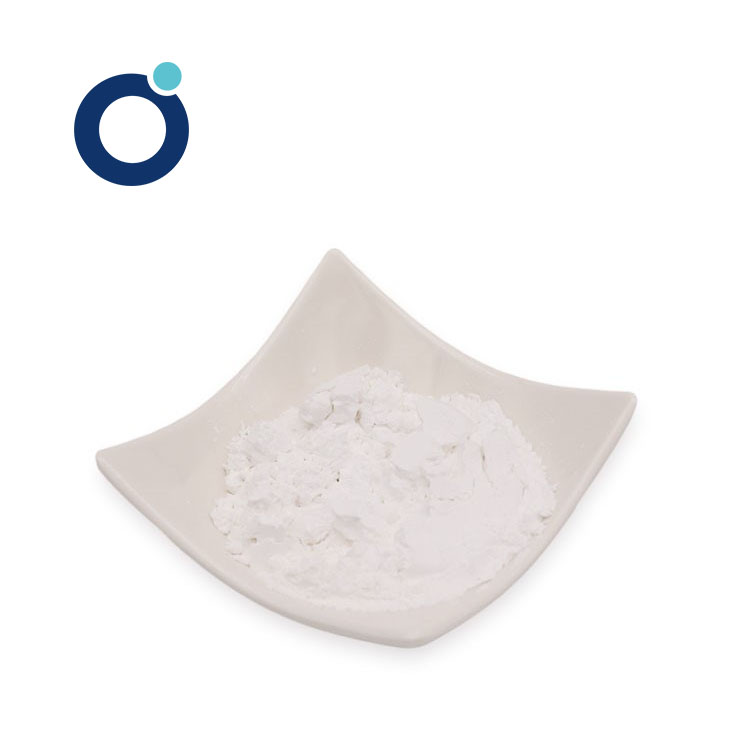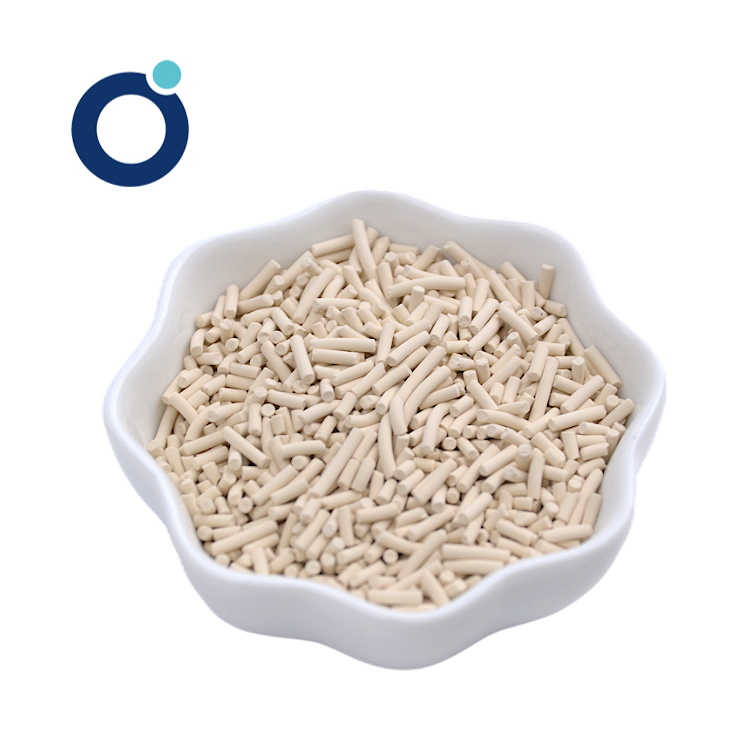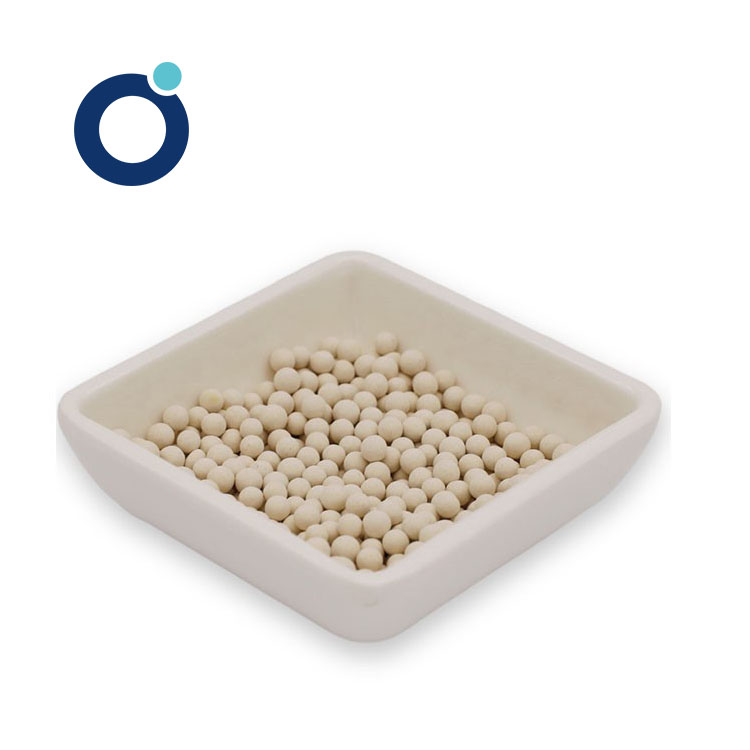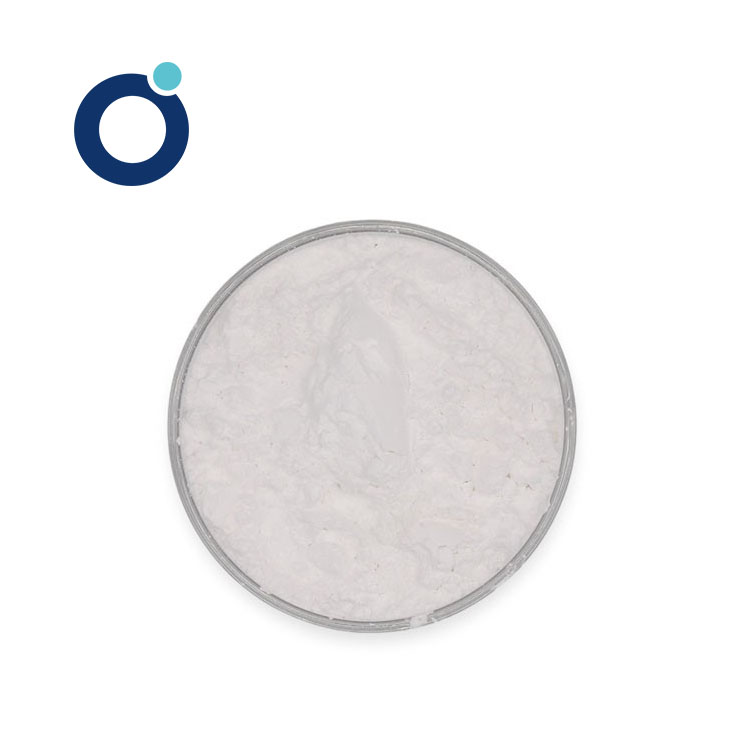
Featured Adsorbents for Hydrogen Purification & Peroxide Processing
Introduction: The Critical Nexus of CMS and Hydrogen Peroxide Synthesis
Hydrogen peroxide (H₂O₂) is one of the most versatile and environmentally friendly chemicals in modern industry. Used extensively in pulp and paper bleaching, textile processing, wastewater treatment, chemical synthesis, and high-tech semiconductor manufacturing, the demand for H₂O₂ continues to surge globally. The dominant industrial route for manufacturing hydrogen peroxide is the anthraquinone autoxidation process. This complex chemical loop relies heavily on a continuous, highly stable supply of high-purity hydrogen gas (H₂).
In this context, Carbon Molecular Sieve (CMS) emerges as an indispensable material. CMS serves as the functional core of Pressure Swing Adsorption (PSA) units, which are tasked with extracting and purifying hydrogen from various feedstocks—such as steam methane reforming (SMR) off-gases, methanol cracking gases, or chlor-alkali tail gases. Without the precise pore structure and kinetic separation capabilities of high-performance CMS, achieving the stringent hydrogen purity levels required to protect sensitive anthraquinone hydrogenation catalysts would be economically unviable.
SEO Insight: The purity of feed hydrogen directly dictates the lifespan of palladium/nickel catalysts in the hydrogenation reactor. Employing high-grade Carbon Molecular Sieves ensures H₂ purity levels exceeding 99.999%, eliminating catalyst poisoning risks and maximizing plant uptime.
How Carbon Molecular Sieve Functions in Hydrogen Purification
The separation mechanism of Carbon Molecular Sieve is based on kinetic selectivity rather than thermodynamic equilibrium. CMS possesses an intricately engineered microporous structure, with pore apertures typically ranging between 3 and 5 angstroms. This range is critical because it exploits the subtle differences in the molecular dimensions and diffusion rates of different gas species:
- Kinetic Separation: Smaller molecules, or those with stronger affinity to the carbon matrix (such as oxygen, nitrogen, carbon dioxide, and carbon monoxide), diffuse rapidly into the internal micropores of the CMS.
- Hydrogen Passage: Hydrogen, possessing a very small kinetic diameter but exceptionally low polarizability, passes through the CMS bed virtually unadsorbed, emerging as the high-purity product stream.
- Regeneration Cycle: By depressurizing the adsorption bed, the trapped impurities (CO, CO₂, N₂, CH₄) are desorbed from the CMS, restoring the bed's capacity for the next adsorption cycle.
For hydrogen peroxide plants, the removal of Carbon Monoxide (CO) and Carbon Dioxide (CO₂) is of paramount importance. Even trace amounts of CO (often measured in parts per million) can poison the palladium catalysts used in the hydrogenation step of the anthraquinone process, leading to catastrophic loss of reaction efficiency and expensive catalyst replacement cycles.
Commercial and Industrial Status of CMS in the H₂O₂ Market
The commercial landscape of hydrogen peroxide production is undergoing a significant transition. Historically, H₂O₂ production was centralized in massive chemical hubs. However, due to the hazards and high transportation costs associated with shipping high-concentration hydrogen peroxide, the industry is shifting toward modular, localized, and on-site H₂O₂ generation plants.
This decentralization has placed a premium on compact, highly efficient hydrogen purification systems. Traditional cryogenic separation or membrane systems are often too capital-intensive or inefficient for small-to-medium scale operations. CMS-based PSA systems provide the perfect solution: they offer low capital expenditure (CAPEX), low operational costs (OPEX), rapid start-up times, and unmatched reliability.
Furthermore, the global push toward decarbonization is driving H₂O₂ manufacturers to optimize their energy consumption. High-performance Carbon Molecular Sieves from leading manufacturers like Shanghai Jiuzhou Chemicals allow PSA systems to operate at lower pressure ratios, drastically reducing the electrical consumption of feed compressors and contributing directly to the carbon reduction goals of chemical plants.
About Shanghai Jiuzhou Chemicals
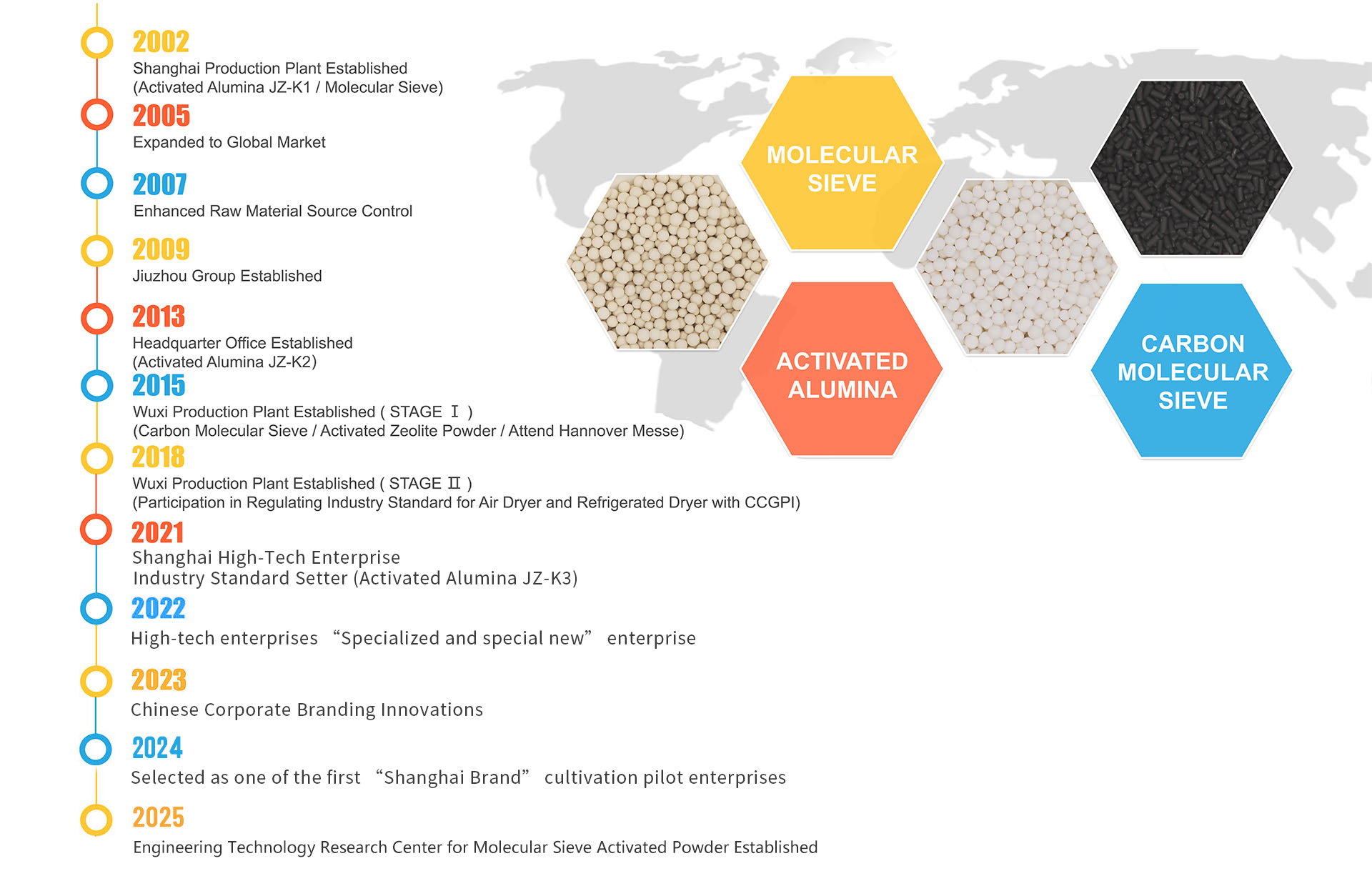
Shanghai Jiuzhou Chemicals Co., Ltd. Located in the biggest Economic Development city Shanghai. Over the years Jiuzhou has always adhered to the "quality control, innovation" principles, committed to the development, research, manufacturing of high quality innovative chemical products. Our main products includes various molecular sieve powders, molecular sieves, activated powder, activated alumina, aluminum oxide catalysts, different types of alumina packing and ceramic balls, sodium silicates, aluminum hydroxide,zeolite 4A, sodium carbonates, SLES, etc. Our all products passed the ISO9001: 2008 quality management system certification and TUV & SGS Certification.
Jiuzhou factory has a professional and world-class research team and experts in chemical product resources.We use the best in international prodution technonlogy and professional production equipment, constructed in line with national standards and by the large multipurpose plant monitoring, analysis instrument composition the central laboratory. And in quality inspection aspect Jiuzhou have controlled and that products meet international standards.
Jiuzhou's technical strength and industry reputation are leading the industry in the field f desiccants, with senior experts and technical reserves, automated multi-unctional production workshops, and a central laboratory and dynamic laboratory composed of large-scale monitoring and analysis instruments. It is in quality control And in terms of supporting services, a set of scientific and complete operating system has been established Joozeo products are exported to all parts of the world, and have established a distribution network in the United States, Southeast Asia, Japan, Europe, North and South America, the Middle East and other places to provide parthers with high-quality products, customized services, and more eneray-saving and environmentally friendly adsorption solutions.
Deep Application Scenarios of Adsorbents in H₂O₂ Production
In a modern hydrogen peroxide production facility, purification is not a single-stage process. Instead, it is a multi-barrier system where different adsorbents work in synergy to guarantee optimal gas quality.
1. Feed Gas Pre-Treatment (Activated Alumina)
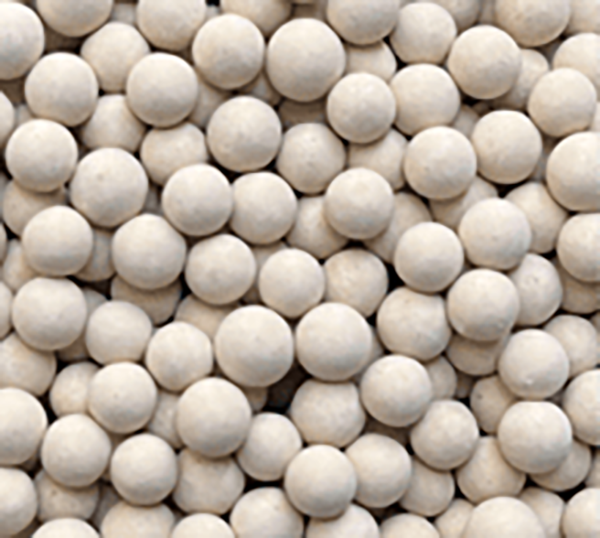
Before raw hydrogen gas reaches the CMS beds, it must be stripped of moisture and heavy hydrocarbons. Water vapor is highly detrimental to CMS because it can block the micro-apertures, severely decreasing the kinetic separation efficiency. Activated Alumina JZ-K1W acts as a robust guard bed, adsorbing bulk moisture and trace acidic impurities, protecting the downstream molecular sieves.
2. Bulk CO₂ and Nitrogen Removal (Zeolite Molecular Sieves)
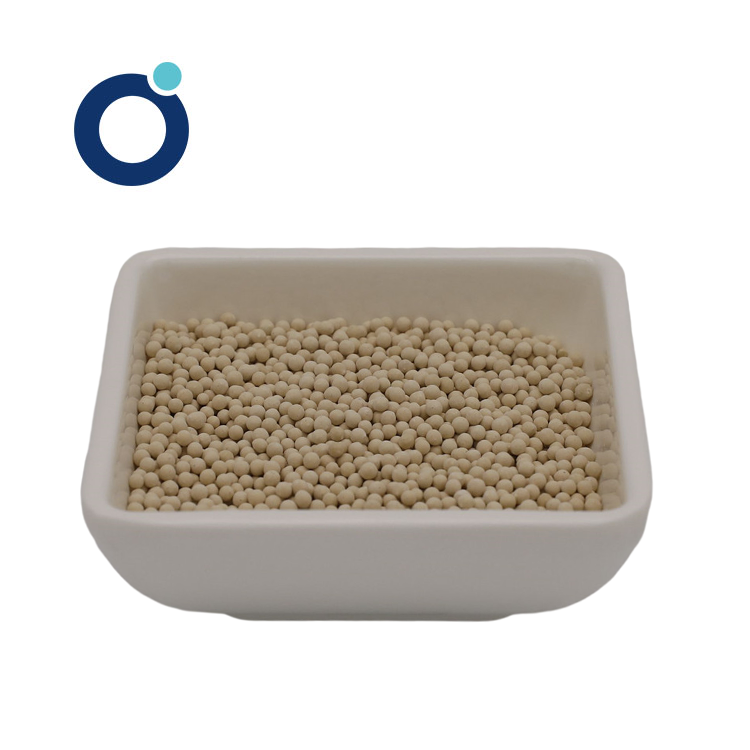
Depending on the hydrogen source (e.g., steam reforming), substantial amounts of nitrogen (N₂) and CO₂ may be present. Molecular Sieve JZ-ZHS and JZ-ZAC are deployed to selectively remove these polar molecules. Zeolite molecular sieves, utilizing electrostatic interactions, exhibit high adsorption capacity for nitrogen and carbon dioxide, leaving the CMS to focus on the ultra-purification stage of light gases.
3. Final Hydrogen Polishing (Carbon Molecular Sieve)
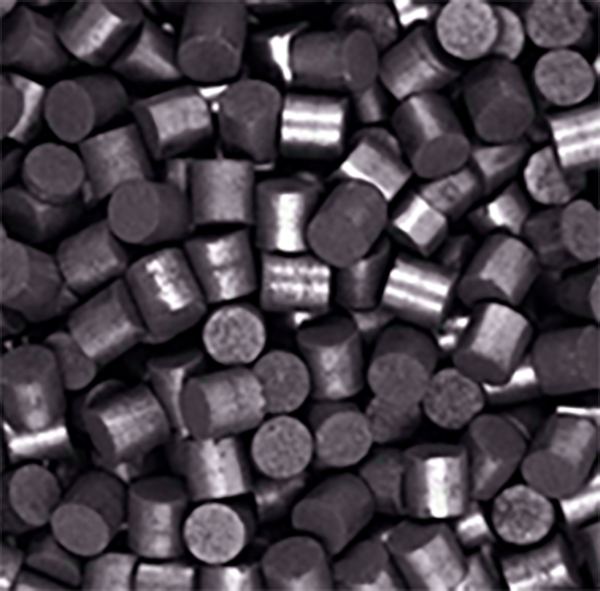
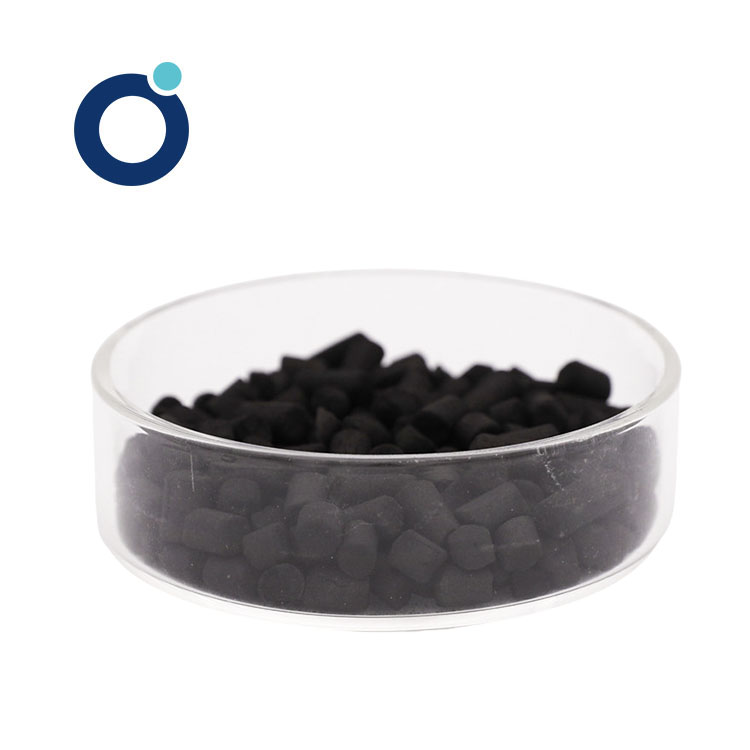
At the final stage of the PSA process, CMS is used to remove trace carbon monoxide (CO) down to sub-ppm levels. CO is a severe catalyst poison for the palladium catalyst used in the anthraquinone working solution. The highly customized pore size distribution of CMS ensures that even these trace impurities are captured, producing hydrogen of >99.999% purity.
Future Trends: Green Hydrogen and Advanced CMS Engineering
As the global chemical industry aligns with carbon-neutral mandates, the hydrogen peroxide sector is actively exploring the integration of Green Hydrogen. Green hydrogen, produced via water electrolysis powered by renewable energy (solar, wind), contains different impurity profiles compared to fossil-derived hydrogen. Instead of carbon oxides, the primary impurities in green hydrogen are moisture and oxygen (O₂).
This shift is driving the development of next-generation Carbon Molecular Sieves optimized for oxygen removal. Oxygen must be strictly controlled in H₂O₂ plants because mixing oxygen with hydrogen in the hydrogenation reactor poses severe explosion risks. Advanced CMS materials are engineered to have highly specific kinetic selectivity for O₂ over H₂, allowing safe, continuous, and efficient de-oxygenation of the green hydrogen feed.
Furthermore, manufacturers are focusing on enhancing the physical durability of CMS. In high-cycle PSA operations, mechanical attrition can lead to dusting, causing pressure drop increases and channel flow. Modern CMS formulations incorporate advanced binders and carbonization techniques to yield high crush strength, ensuring operational life spans exceeding 10 years in industrial environments.
Comprehensive Chemical & Adsorption Product Catalog