Understanding Carbon Molecular Sieve (CMS) in Off-Gas Systems
Carbon Molecular Sieve (CMS) represents a cornerstone class of porous carbon materials widely optimized for gas separation. Unlike conventional activated carbon, which possesses a broad pore size distribution optimized for general organic capture, CMS features highly regulated, microscopic pore apertures typically in the range of 3 to 5 Angstroms (Å). This precise molecular dimension allows CMS to separate gases based on molecular size and shape differences—a process known as kinetic separation.
In the context of industrial off-gas purification, CMS plays a pivotal role in Pressure Swing Adsorption (PSA) and Vacuum Pressure Swing Adsorption (VPSA) systems. As off-gases (effluents from chemical processes, refineries, or combustion systems) pass through a bed of CMS, smaller gaseous components with faster diffusion rates (such as oxygen, carbon dioxide, and moisture) are preferentially trapped within the micropore structure. Meanwhile, larger molecules or those with slower kinetic diffusion rates (such as nitrogen or methane) pass through the bed unhindered, yielding high-purity product streams.
Why Molecular Sieve Selectivity Matters
The kinetic separation efficiency of a Carbon Molecular Sieve is heavily determined by its pore size tailoring. For example, the kinetic diameter of Oxygen is 3.46 Å, while Nitrogen is 3.64 Å. Because of this minute 0.18 Å difference, oxygen molecules diffuse into the CMS pores hundreds of times faster than nitrogen, allowing for clean, high-efficiency extraction of pure nitrogen from mixed air or combustion off-gases.
Industrial & Commercial Landscape of Off-Gas Purification
The global push toward carbon neutrality, industrial safety, and stringent environmental emission standards has elevated the demand for high-efficiency off-gas purification. Industrial facilities can no longer vent untreated process streams into the atmosphere. Off-gases from petrochemical plants, refineries, steel manufacturing, and electronics production facilities often contain valuable resources (like hydrogen and methane) alongside pollutants and inert gases.
Key Market Drivers for CMS Technology
1. Decarbonization and Carbon Capture: Carbon Molecular Sieves are being increasingly deployed in CCUS (Carbon Capture, Utilization, and Storage) frameworks. By selectively capturing carbon dioxide from flue gases and industrial exhaust, CMS helps reduce greenhouse gas footprints while generating concentrated CO2 streams suitable for storage or chemical utilization.
2. Resource Recovery and Circular Economy: Instead of flaring off-gases, modern plants use CMS-based PSA systems to recover high-purity hydrogen from refinery off-gas or methane from biogas and landfill emissions. This converted fuel source directly lowers operating costs and improves thermal efficiency.
3. Inerting Gas Generation: Nitrogen is highly sought after as an inert shielding gas in chemical manufacturing, oil tankers, and electronics processing. Generating nitrogen on-site from exhaust or ambient air using CMS-PSA units is significantly more cost-effective and logistically simple than relying on liquid nitrogen deliveries.
Deep-Dive Application Scenarios of CMS in Off-Gas Treatment
1. Biogas Upgrading & Methane Recovery
Biogas produced from anaerobic digestion contains roughly 50-70% methane ($CH_4$) and 30-50% carbon dioxide ($CO_2$), along with trace amounts of nitrogen, oxygen, and hydrogen sulfide. Utilizing Carbon Molecular Sieves in a PSA setup allows for the selective removal of both $CO_2$ and $N_2$. Because $CO_2$ (kinetic diameter 3.3 Å) is smaller and more polar than methane (3.8 Å), it is rapidly adsorbed onto the CMS. The resulting gas stream is enriched to >97% methane, meeting the specifications for pipeline-grade natural gas or vehicle fuel (CNG).
2. Hydrogen Recovery from Refinery and Syngas Off-Gases
Refinery off-gases, particularly from catalytic cracking and hydrotreating units, are rich in hydrogen but diluted with light hydrocarbons (methane, ethane, propane) and carbon monoxide. CMS beds engineered with customized pore structures can capture these hydrocarbons and carbon monoxide, allowing pure hydrogen gas to pass through. This recovered hydrogen can then be recycled back into hydrodesulfurization or hydrocracking processes, drastically reducing the facility's demand for fresh hydrogen generation.
3. VOC Abatement and Hazardous Air Pollutants (HAPs) Control
Volatile Organic Compounds (VOCs) present in industrial off-gases pose severe environmental and health risks. In manufacturing sectors such as semiconductor fabrication, automotive painting, and chemical synthesis, off-gases containing trace VOCs are treated using a combination of adsorbents. While silica gels and activated aluminas are used upstream to remove moisture, a final-stage Carbon Molecular Sieve ensures the targeted trapping of low-concentration, small-molecule VOCs that slip past standard carbon beds, ensuring compliance with local environmental protection agency limits.
Integrating Adsorbents for Maximum Efficiency
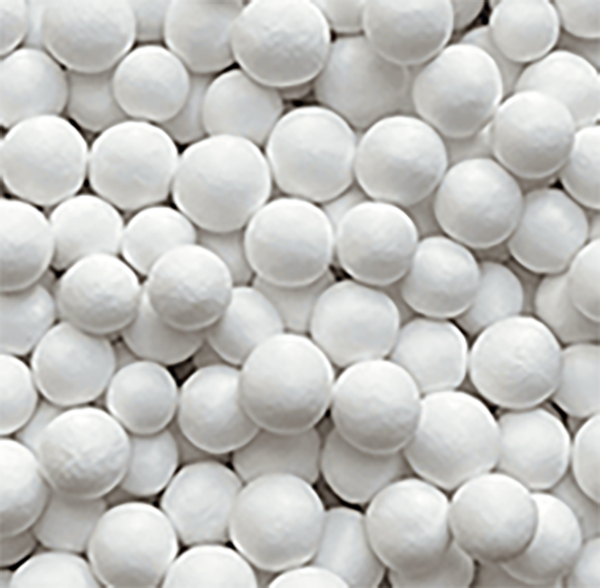
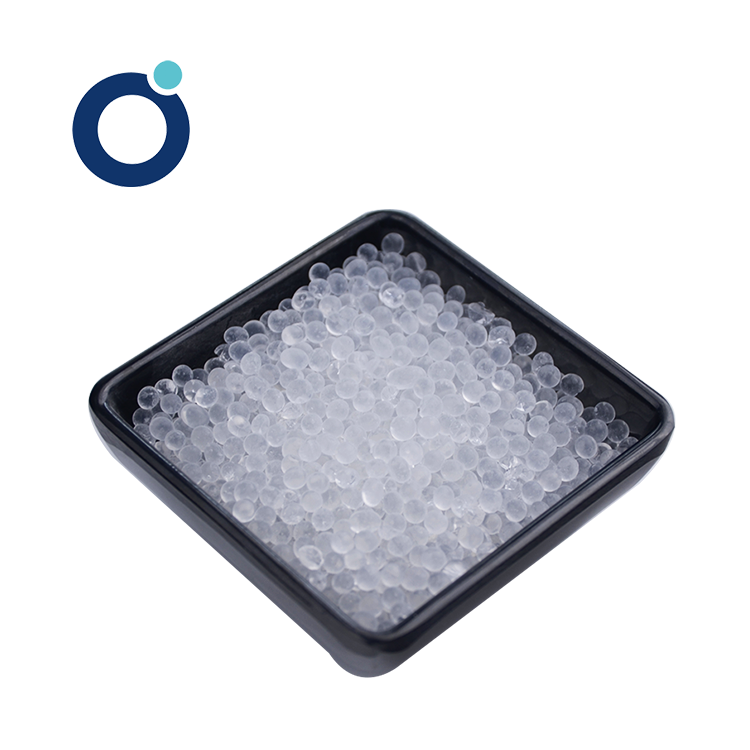
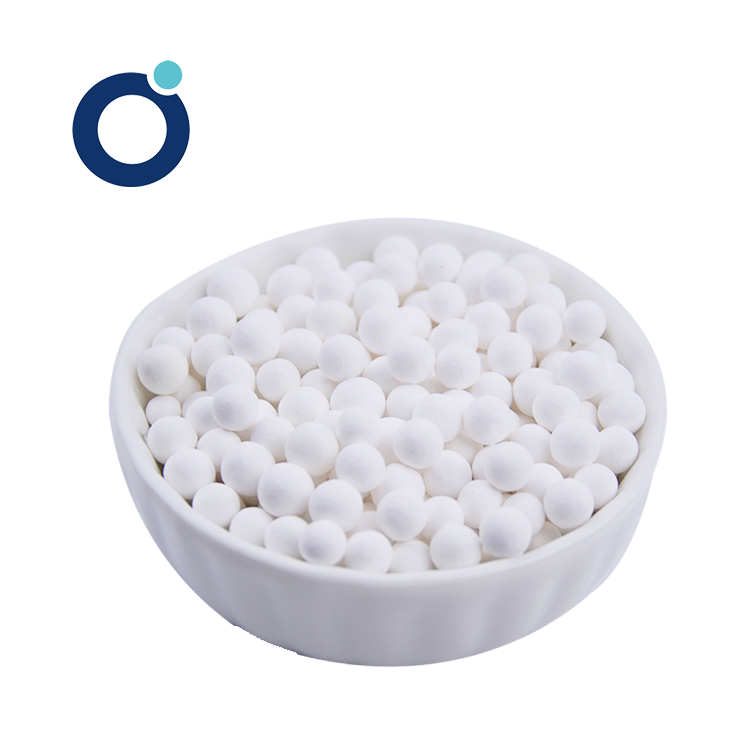
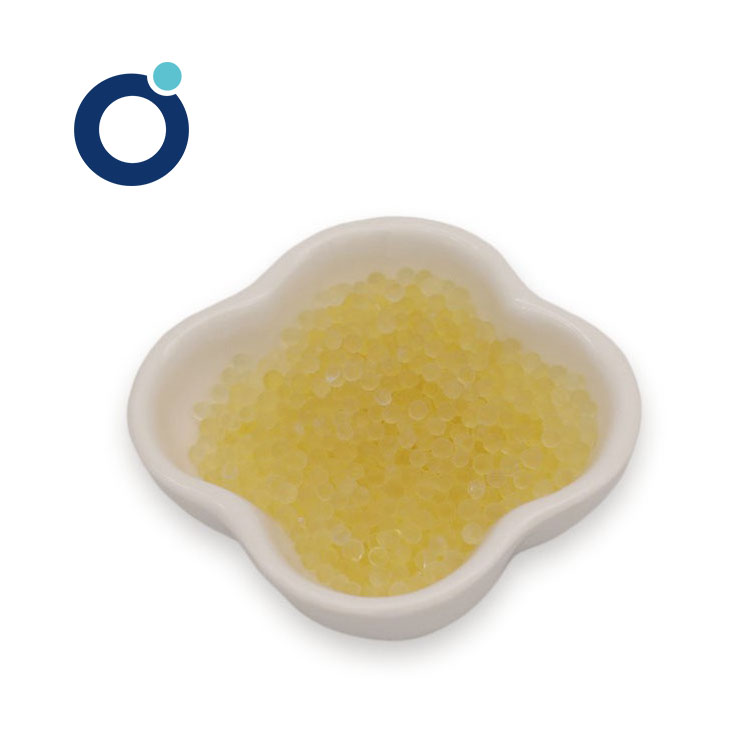
Modern off-gas purification systems rarely rely on a single adsorbent. A typical multi-bed design uses Silica Gel (like JZ-BSG) or Activated Alumina (like JZ-E) in the initial stage to dry the gas. This protects the downstream Carbon Molecular Sieve from moisture fouling, maximizing its capacity for selective gas separation (such as $O_2$/$N_2$ or $CO_2$/$CH_4$ separation).
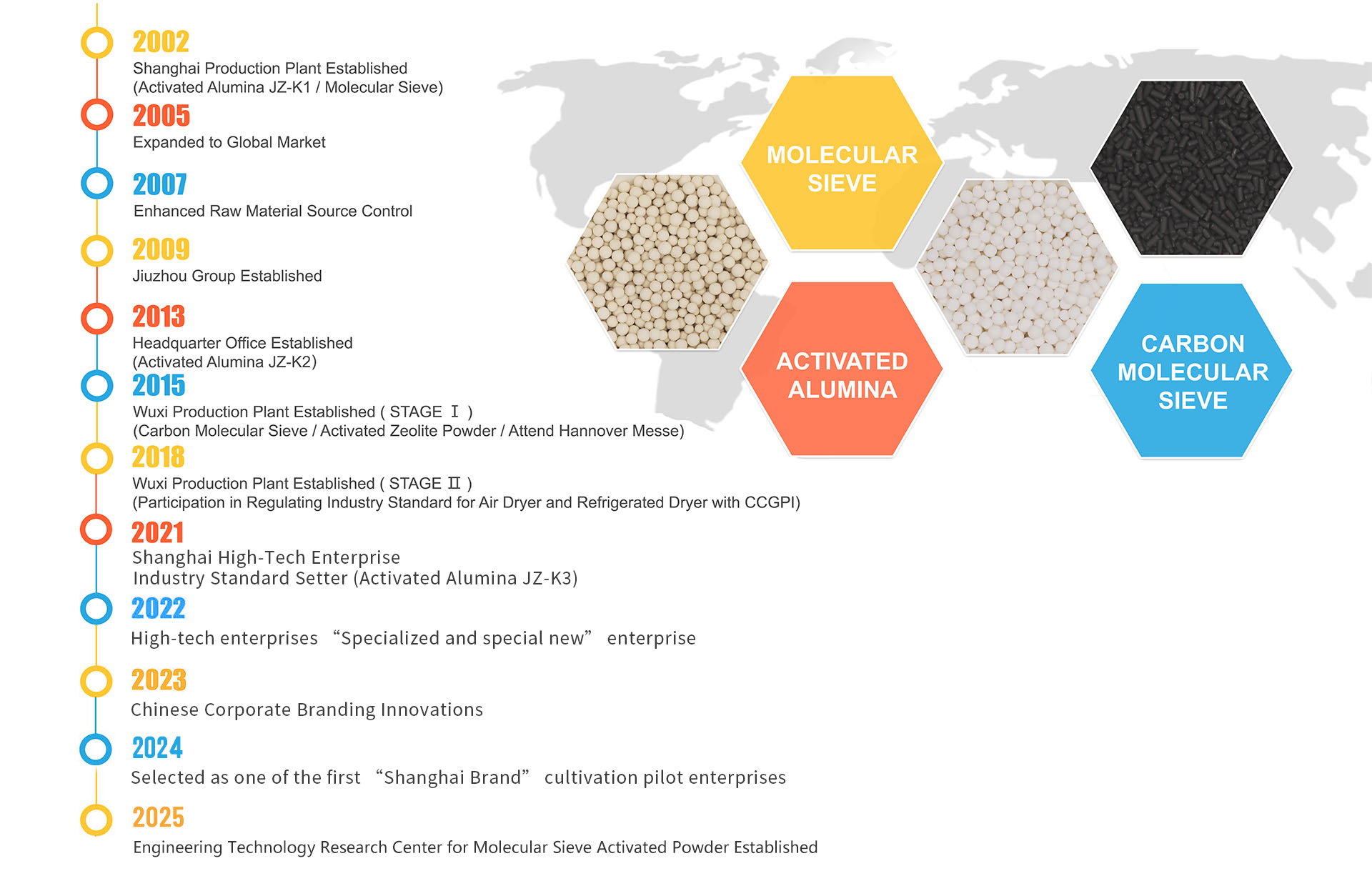
Shanghai Jiuzhou Chemicals Co., Ltd.
Shanghai Jiuzhou Chemicals Co., Ltd. is located in the biggest Economic Development city, Shanghai. Over the years, Jiuzhou has always adhered to the "quality control, innovation" principles, committed to the development, research, and manufacturing of high-quality innovative chemical products. Our main products include various molecular sieve powders, molecular sieves, activated powder, activated alumina, aluminum oxide catalysts, different types of alumina packing and ceramic balls, sodium silicates, aluminum hydroxide, zeolite 4A, sodium carbonates, SLES, etc. All of our products have passed the ISO9001: 2008 quality management system certification and TUV & SGS Certification.
Jiuzhou factory has a professional and world-class research team and experts in chemical product resources. We use the best in international production technology and professional production equipment, constructed in line with national standards and supported by a large multipurpose plant monitoring and analysis instrument composition in our central laboratory. In terms of quality inspection, Jiuzhou has controlled and ensured that products meet international standards.
Jiuzhou's technical strength and industry reputation are leading the industry in the field of desiccants, with senior experts and technical reserves, automated multi-functional production workshops, and a central laboratory and dynamic laboratory composed of large-scale monitoring and analysis instruments. In terms of quality control and supporting services, a scientific and complete operating system has been established. Joozeo products are exported to all parts of the world, and we have established a distribution network in the United States, Southeast Asia, Japan, Europe, North and South America, the Middle East, and other places to provide partners with high-quality products, customized services, and more energy-saving and environmentally friendly adsorption solutions.
Future Trends in Carbon Molecular Sieve Technology
As industrial processes demand higher efficiency and lower carbon footprints, the development of Carbon Molecular Sieves is shifting toward precision engineering and hybrid materials. Future breakthroughs are anticipated in the following areas:
1. Precision Pore-Size Engineering
Researchers are focusing on chemical vapor deposition (CVD) techniques using volatile hydrocarbons to fine-tune the pore openings of CMS down to the decimal Angstrom level. This allows for customized CMS grades optimized for highly specific gaseous mixtures, such as separating helium from natural gas or purifying argon from metallurgical off-gases.
2. Enhanced Mechanical Strength and Attrition Resistance
In high-pressure PSA cycles, the mechanical stress on adsorbent pellets can cause dusting and attrition, leading to pressure drops and reduced system lifetimes. Next-generation CMS products incorporate advanced binder formulations and carbonization techniques to maximize crush strength without sacrificing micropore volume.
3. Integration with AI-Driven PSA Cycle Configurations
The combination of advanced CMS adsorbents with AI-driven control systems allows PSA plants to dynamically adjust cycle times, purge pressures, and flow rates based on real-time feed gas compositions. This integration ensures optimal gas purity and recovery rates even when processing highly variable industrial off-gas streams.