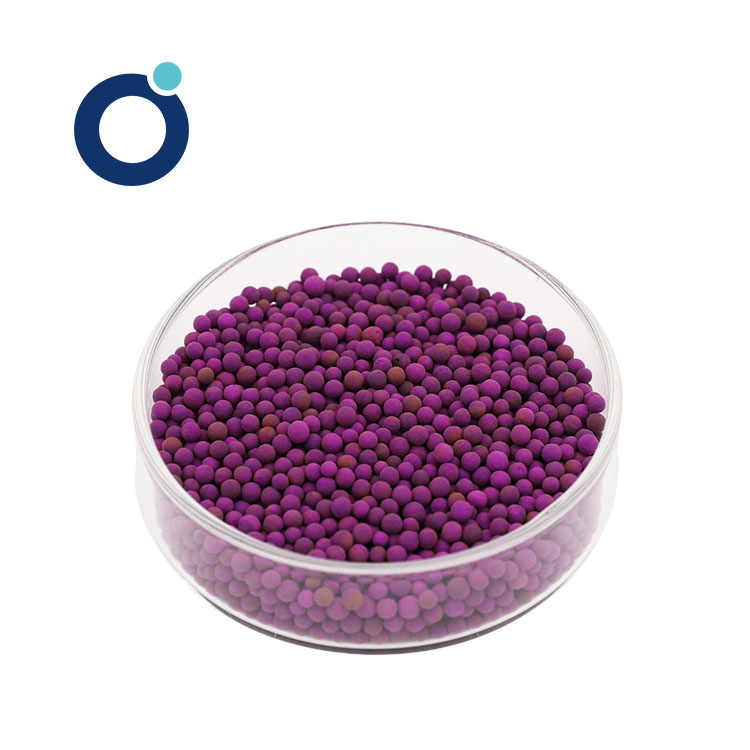
Featured Adsorbents for Refinery Processing
Industrial Significance of Carbon Molecular Sieve in Petrochemical Refining
In modern petrochemical refining, the demand for high-purity industrial gases—particularly nitrogen—is paramount. Carbon Molecular Sieve (CMS) stands as the foundational adsorbent material utilized in Pressure Swing Adsorption (PSA) systems to generate nitrogen directly on-site. Unlike conventional cryogenic distillation, which requires massive capital investments and continuous energy consumption, CMS-based PSA systems offer a highly flexible, cost-effective, and energy-efficient alternative. The unique pore structure of Carbon Molecular Sieves allows for the kinetic separation of oxygen and nitrogen, yielding high-purity nitrogen gas required to maintain safety, prevent oxidation, and support catalytic processes across the refinery.
Refineries operate under extreme conditions where safety and process stability are non-negotiable. The presence of oxygen in hydrocarbons can lead to explosive mixtures or catastrophic oxidation reactions. Consequently, high-purity nitrogen is used extensively for blanketing storage tanks, purging process pipelines, and serving as a carrier gas in various catalytic reactors. The efficiency of this nitrogen generation depends heavily on the quality, pore distribution, and mechanical strength of the Carbon Molecular Sieve. High-performance CMS materials optimize the air-to-nitrogen ratio, lowering operating costs by reducing the compressed air required to produce the same volume of nitrogen.
Critical Role of CMS in Petrochemical Processing:
By exploiting the subtle differences in molecular sizes, Carbon Molecular Sieve selectively adsorbs oxygen molecules (which are smaller and diffuse faster) into its micropores, allowing nitrogen molecules to pass through as the product gas. This kinetic separation technique achieves purity levels ranging from 95% to 99.999%, meeting the most stringent refining specifications.
Deep Dive: Core Application Scenarios in Petrochemical Refining
1. Storage Tank Blanketing and Inerting: Hydrocarbon storage tanks containing volatile organic compounds (VOCs), crude oil, or refined products present significant fire and explosion hazards. By establishing an inert nitrogen blanket above the liquid level using CMS-generated nitrogen, refineries prevent oxygen from entering the headspace. This process eliminates the combustion triangle (fuel, oxygen, heat) and prevents product degradation caused by oxidation.
2. Catalyst Regeneration and Protection: Many refining processes, such as fluid catalytic cracking (FCC) and reforming, rely on expensive noble metal catalysts. During operation, carbon deposits (coke) build up on the catalyst, reducing its activity. Nitrogen generated via Carbon Molecular Sieve is utilized to control the oxygen concentration during the decoking/regeneration cycle, ensuring that temperatures do not spike out of control and destroy the catalyst structure. Additionally, nitrogen is used to purge catalyst bins to prevent premature deactivation by moisture or oxygen.
3. Hydrotreating and Hydrocracking Units: In hydroprocessing units, hydrogen is reacted with heavy hydrocarbons at high pressures and temperatures to remove sulfur, nitrogen, and other impurities. During startup, shutdown, and emergency depressurization cycles, massive volumes of high-purity nitrogen are required to purge hydrogen and hydrocarbons safely from the reactors. On-site CMS PSA plants ensure an uninterrupted supply of purging gas, minimizing refinery downtime during maintenance turnarounds.
4. Pipeline Purging and Pressure Testing: Refineries feature thousands of miles of interconnected pipelines transporting highly flammable fluids. Before introducing hydrocarbons into new or repaired pipelines, or prior to hot work maintenance, the lines must be thoroughly purged with nitrogen to remove flammable vapors. The portability and rapid startup capability of CMS-based PSA units make them ideal for field purging operations.
Commercial Status and Global Market Trends
The global market for Carbon Molecular Sieve in petrochemical refining is undergoing a significant transformation driven by the transition toward decentralized, on-site gas generation. Traditionally, refineries relied on bulk liquid nitrogen deliveries, which incurred high logistical costs, carbon emissions from transport, and vulnerability to supply chain disruptions. The adoption of CMS-based PSA systems has allowed operators to achieve complete energy independence by generating nitrogen directly from ambient air.
As environmental regulations tighten globally, petrochemical operators are focusing heavily on reducing their carbon footprints. On-site nitrogen generation utilizing energy-efficient CMS reduces the overall energy consumption of the refining complex compared to cryogenic separation. Furthermore, the development of next-generation CMS with higher nitrogen recovery rates has drastically reduced the power consumption of air compressors—the primary energy cost in PSA systems.
Regionally, the expansion of refining capacities in the Middle East and Asia-Pacific, coupled with the modernization of existing plants in North America and Europe, is fueling robust demand for high-grade CMS. Manufacturers are responding by engineering sieves with superior mechanical wear resistance, preventing dust generation and attrition inside the PSA towers under high-frequency cycling conditions.
Future Development and Technological Evolution
Looking ahead, the evolution of Carbon Molecular Sieve technology is centered on precision pore engineering. By utilizing advanced carbonization and deposition techniques, manufacturers can control the pore size distribution at the sub-angstrom level. This precision enables the separation of other complex gas mixtures, such as hydrogen purification and methane upgrading from refinery off-gases, opening up new avenues for carbon capture and resource recovery.
Additionally, the integration of smart monitoring and digital twin technology into PSA plants allows for real-time tracking of CMS degradation. By monitoring pressure drops, temperature profiles, and purity outputs, operators can predict the remaining useful life of the sieve bed, transitioning from reactive maintenance to predictive scheduling, thereby preventing unplanned refinery shutdowns.
About Shanghai Jiuzhou Chemicals
Pioneering Chemical Solutions & Global Quality Standards
Shanghai Jiuzhou Chemicals Co., Ltd. is strategically located in Shanghai, the largest economic development hub in China. Over the years, Jiuzhou has consistently adhered to the core principles of "Quality Control and Continuous Innovation." We are deeply committed to the development, research, and manufacturing of high-quality, innovative chemical adsorbents and catalysts. Our extensive product portfolio includes various molecular sieve powders, synthetic molecular sieves, activated powder, activated alumina, aluminum oxide catalysts, different types of alumina tower packing, ceramic balls, sodium silicates, aluminum hydroxide, zeolite 4A, sodium carbonates, and SLES.
Reflecting our dedication to global quality standards, all our manufacturing facilities and processes have successfully passed the ISO9001:2008 quality management system certification, alongside rigorous audits by world-renowned testing bodies including TUV and SGS. This guarantees that every batch of Carbon Molecular Sieve and related chemical products shipped to our partners meets the highest thresholds of industrial performance and safety.
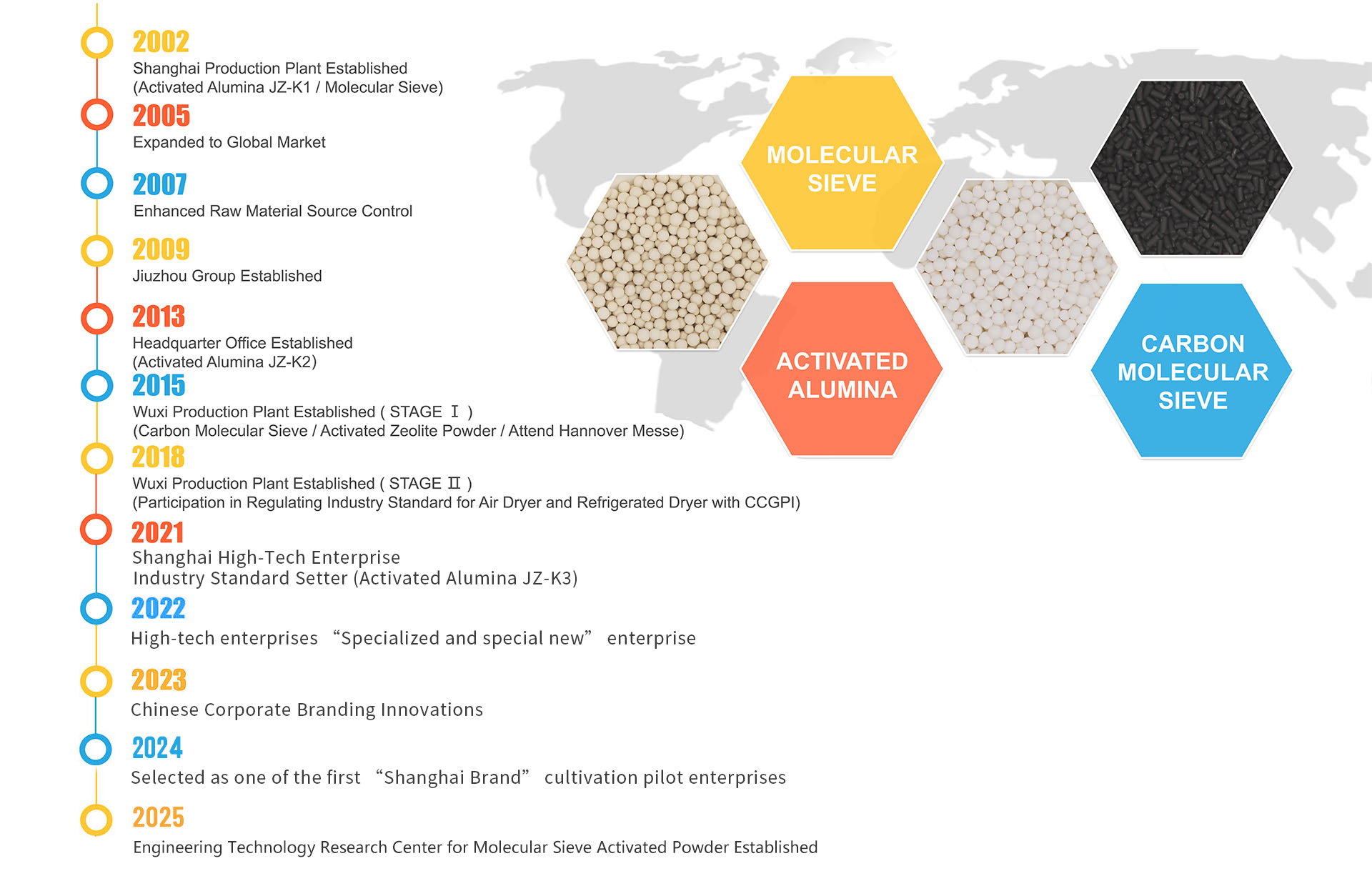
Our technical strength and industry reputation position us as a leading authority in the field of industrial desiccants and adsorbents. Backed by senior chemical experts and robust technical reserves, our production infrastructure features automated multi-functional workshops, a state-of-the-art central laboratory, and dynamic testing laboratories equipped with large-scale monitoring and analytical instruments. This comprehensive infrastructure enables us to maintain absolute quality control and offer bespoke technical support services.
Today, Jiuzhou's high-performance products are exported to all corners of the globe. We have established a robust distribution and support network spanning the United States, Southeast Asia, Japan, Europe, North and South America, and the Middle East. Through this network, we provide our partners with premium products, customized engineering services, and highly energy-saving, environmentally friendly adsorption solutions tailored to modern petrochemical refining demands.
Deep Scientific Insights: How CMS Achieves Ultra-High Purity Separation
The separation of gas mixtures using Carbon Molecular Sieve (CMS) is governed by kinetic adsorption dynamics rather than thermodynamic equilibrium. While both oxygen (O₂) and nitrogen (N₂) molecules have similar molecular dimensions, they possess a subtle difference in their kinetic diameters. The kinetic diameter of oxygen is approximately 3.46 Å (Angstroms), whereas that of nitrogen is 3.64 Å.
To exploit this tiny difference of 0.18 Å, the pore structure of CMS must be engineered with extreme precision. The micropores of the carbon matrix are adjusted during the manufacturing process so that the pore openings are narrow enough to restrict the entry of the larger nitrogen molecules while allowing the smaller oxygen molecules to pass through and be adsorbed rapidly.
The Kinetic Adsorption Mechanism:
Because oxygen molecules diffuse through the narrow microporous pathways at a rate that is orders of magnitude faster than nitrogen, the gas phase quickly becomes enriched with nitrogen. Under high pressure in a PSA column, oxygen is captured within the internal pore network of the CMS, while high-purity nitrogen is collected at the outlet. When the column pressure is reduced to ambient levels, the adsorbed oxygen is released (desorbed), regenerating the CMS bed for the next cycle.
Manufacturing and Pore-Size Engineering of CMS
High-quality CMS is typically produced from carbonaceous precursors such as coconut shell charcoal, coal, or specialized synthetic resins. The raw material undergoes a controlled carbonization process under an inert atmosphere to drive off volatile compounds, followed by activation to develop a basic microporous network.
The critical step in manufacturing CMS for petrochemical refining is the precise tuning of the pore sizes. This is achieved through chemical vapor deposition (CVD) of hydrocarbons. By cracking gaseous hydrocarbons at elevated temperatures within the carbon bed, carbon deposits form precisely at the entrances of the micropores. This deposition narrows the pore openings to the critical threshold of 3.5 to 3.8 Å, optimizing the kinetic separation efficiency between oxygen and nitrogen.
Operational Parameters & Optimization of PSA Systems
To maximize the efficiency of Carbon Molecular Sieve in a petrochemical refinery's PSA unit, several operational parameters must be carefully managed. These parameters directly influence the purity of the output nitrogen, the recovery rate, and the overall lifespan of the adsorbent bed.
1. Feed Air Quality and Pre-treatment
CMS is highly sensitive to contaminants such as liquid water, heavy hydrocarbons, oil aerosols, and acid gases. Liquid water can block the micropores and cause hydrothermal degradation of the carbon structure over time. Hydrocarbons and oil vapor from air compressors can irreversibly adsorb onto the active sites, causing "poisoning" or fouling of the sieve. Therefore, a robust pre-treatment system consisting of water separators, coalescing filters, activated carbon towers, and desiccant dryers is essential to protect the CMS bed.
2. Cycle Time and Pressure Control
The cycle time of a PSA system typically ranges from 60 to 120 seconds. An optimized cycle ensures that the adsorption step is stopped before oxygen breakthrough occurs at the top of the bed. The adsorption pressure is usually maintained between 0.7 and 1.0 MPa (7 to 10 bar), while desorption occurs at atmospheric pressure or under vacuum (VPSA) for enhanced recovery. Proper equalization steps between the two beds are utilized to conserve compressed air and increase energy efficiency.
3. Mechanical Integrity and Resistance to Attrition
Refinery PSA systems operate continuously under rapid pressure fluctuations, subjecting the adsorbent particles to high mechanical stresses. If the CMS particles lack sufficient crushing strength, they will break down, generating fine dust. This dust restricts gas flow, increases pressure drops across the bed, and can bypass downstream filters, causing equipment damage. Jiuzhou’s JZ-CMS is engineered with high bulk density and superior crushing strength to withstand these cyclic forces, ensuring a service life of up to 5 to 8 years under optimal operating conditions.
Economic and Environmental ROI of On-Site Nitrogen Generation
Transitioning from liquid nitrogen procurement to on-site PSA systems powered by high-performance Carbon Molecular Sieve offers substantial financial and environmental returns for petrochemical refineries.
Direct Cost Reduction and ROI
The operating cost of an on-site PSA nitrogen generator is primarily determined by the electrical energy consumed by the air compressor. In contrast, the cost of liquid nitrogen includes cryogenic liquefaction energy, transport logistics, tank rental, and vaporization losses. Refineries that implement on-site CMS PSA systems typically see a reduction in nitrogen utility costs of 50% to 70%. The capital expenditure (CAPEX) of the PSA installation is often amortized within 12 to 24 months, depending on local energy prices and nitrogen consumption volumes.
Decarbonization and Scope 3 Emission Reductions
Petrochemical complexes are under intense pressure to reduce their carbon footprints. Liquid nitrogen delivery relies heavily on diesel-powered heavy transport trucks, contributing to Scope 3 greenhouse gas emissions. Furthermore, cryogenic air separation units (ASUs) are highly energy-intensive. Producing nitrogen on-site at ambient temperatures using PSA technology reduces the net energy consumption per cubic meter of nitrogen produced, directly aligning with corporate sustainability goals and lowering the carbon intensity of the refined products.
Comprehensive Adsorbent & Catalyst Product Line
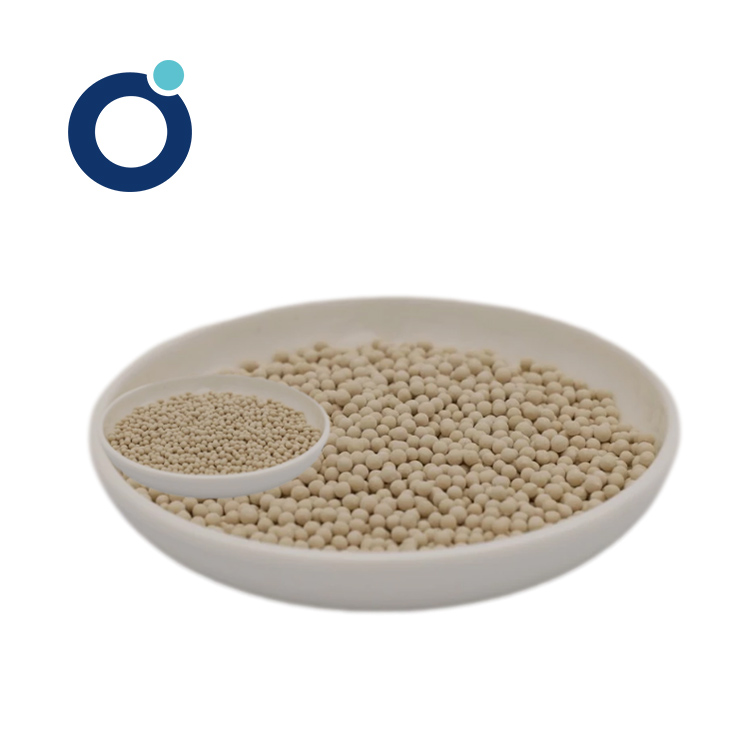
Molecular Sieve JZ-ZMS5
View Details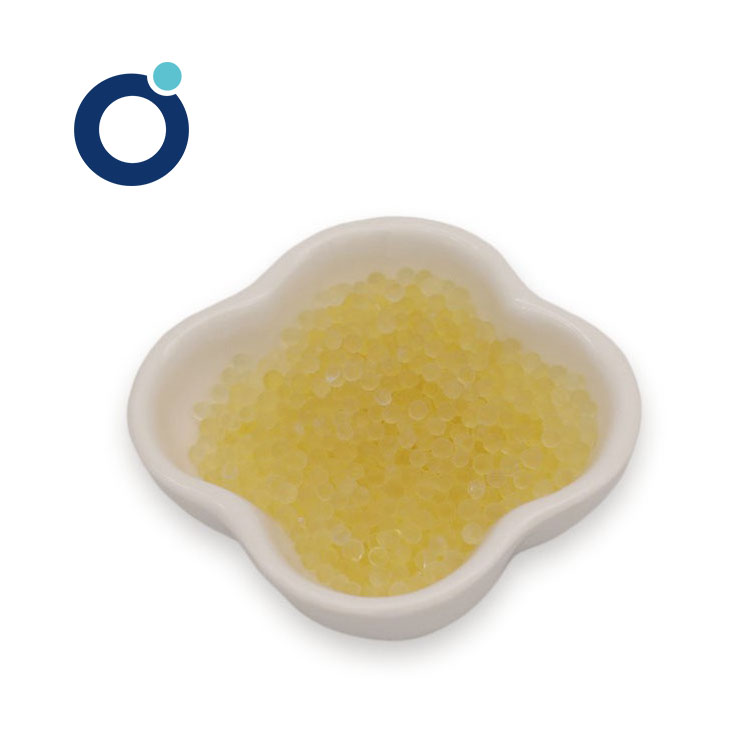
Alumina Silica Gel JZ-SAG
View Details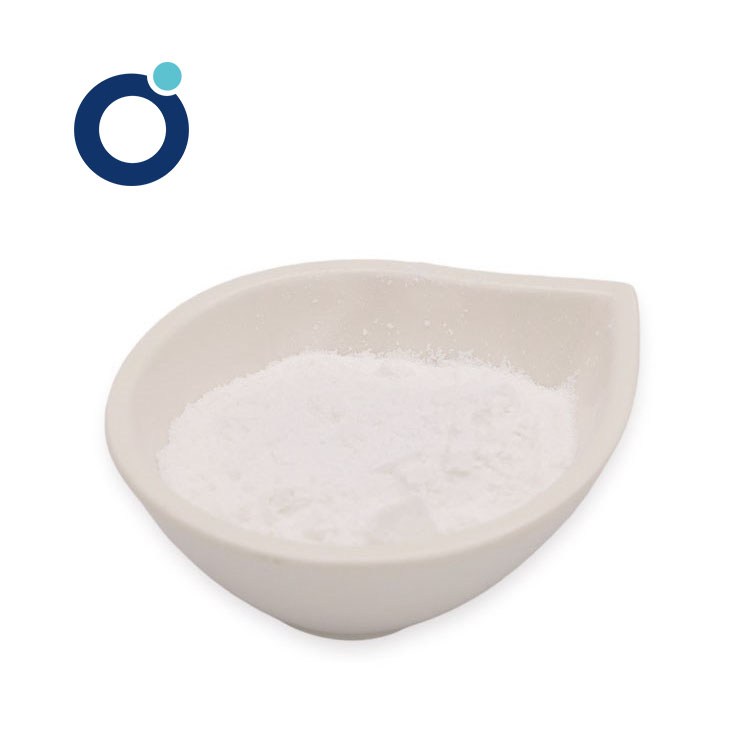
Zeolite JZ-D4ZT
View Details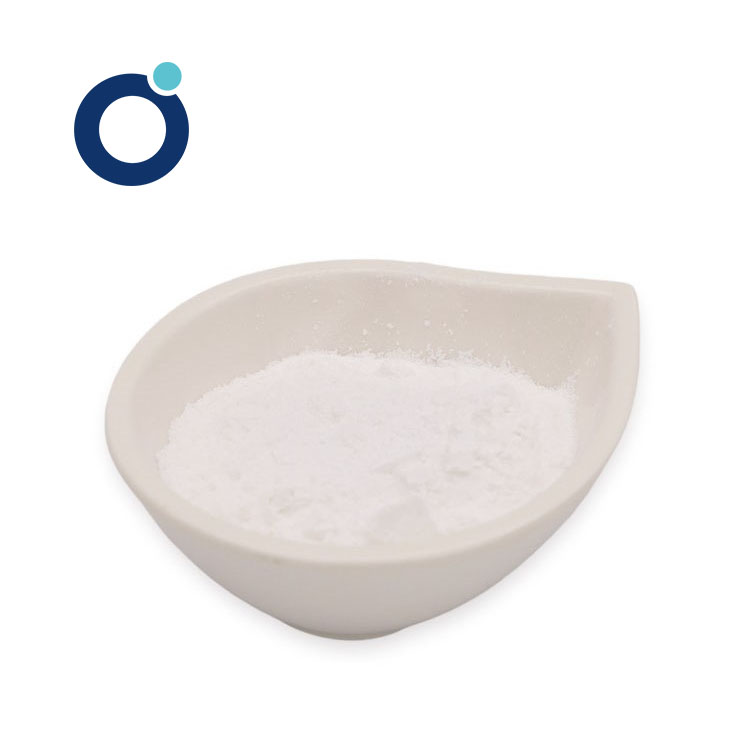
Molecular Sieve JZ-AZ
View Details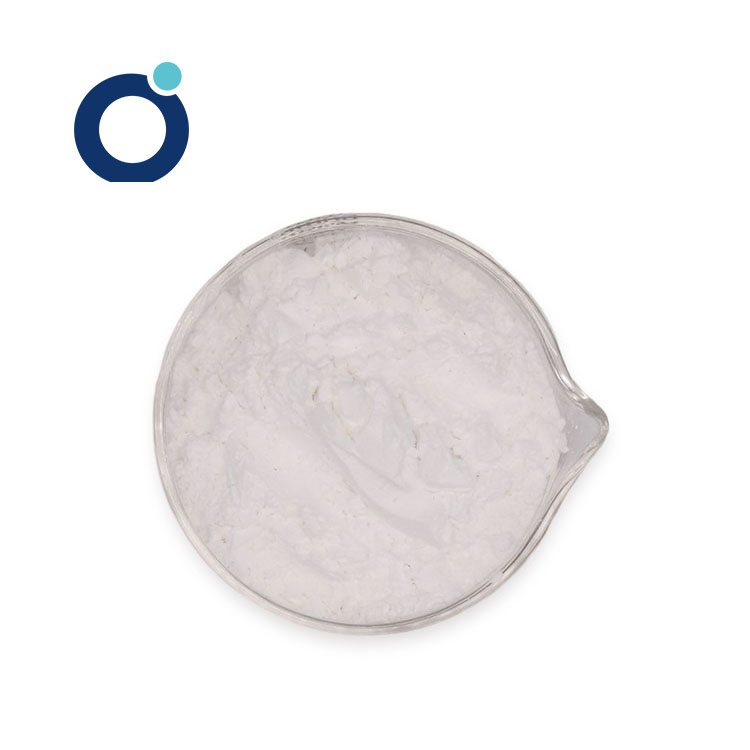
Soda Ash Light JZ-DSA-L
View Details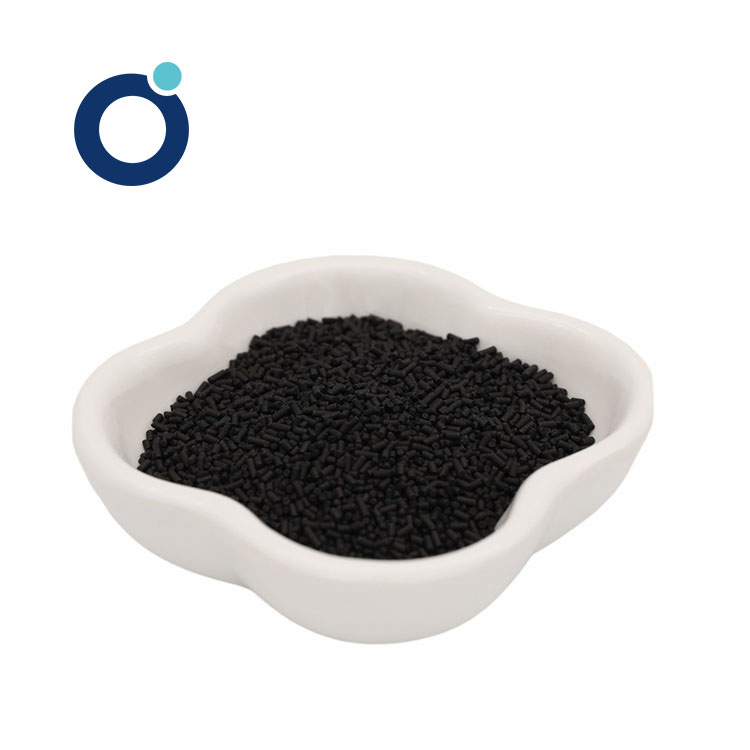
Carbon Molecular Sieve JZ-CMS
View Details
Silica Gel JZ-SG-O
View Details