Introduction to Carbon Molecular Sieve (CMS) in Advanced Materials
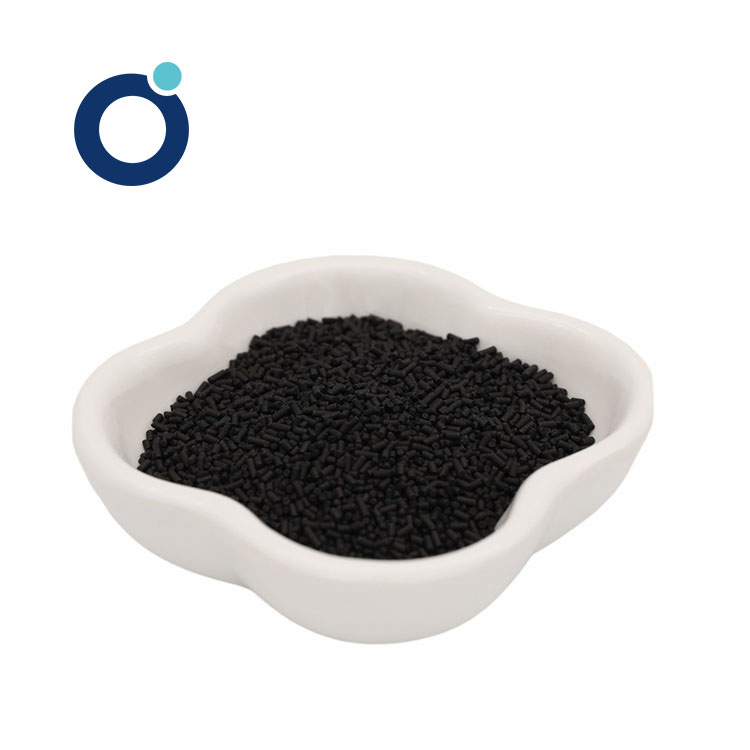
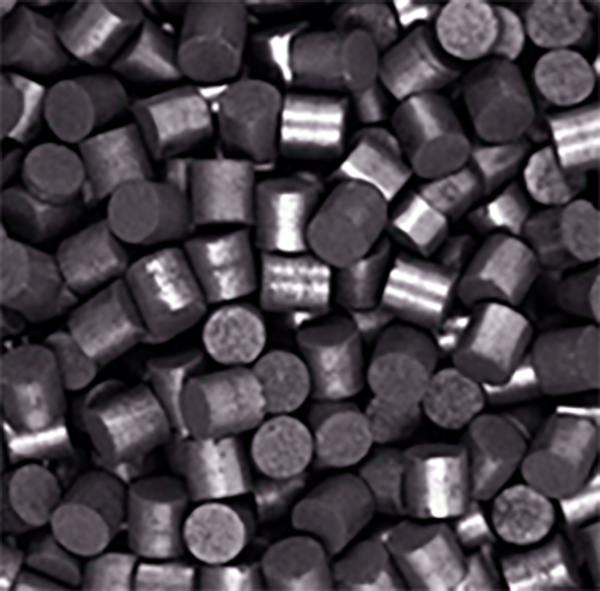
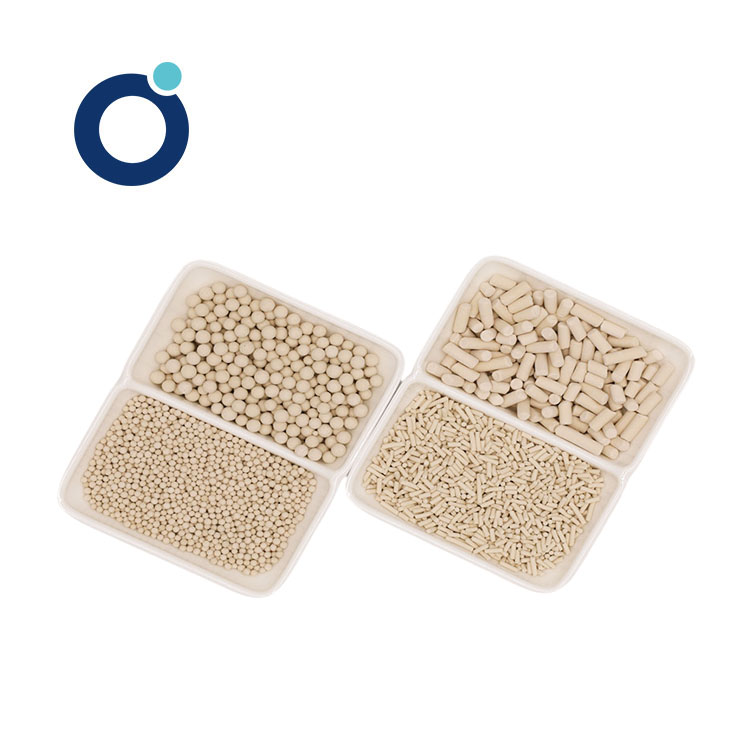
Carbon Molecular Sieve (CMS) has long been recognized as a cornerstone material in gas separation technology, particularly in Pressure Swing Adsorption (PSA) systems for high-purity nitrogen generation. However, the modern industrial landscape is witnessing a significant paradigm shift. Researchers and material scientists are increasingly recognizing the potential of CMS as a functional additive in high-performance refractory materials and advanced ceramics. By leveraging its unique pore structure, exceptional thermal stability, and precise adsorption/desorption kinetics, CMS is carving out a vital niche in the formulation of next-generation industrial ceramics and refractories.
The transition of CMS from a gas separation medium to a structural and chemical additive is driven by the demand for materials that can withstand extreme environments. Refractories used in steelmaking, glass manufacturing, and cement production require additives that can enhance thermal shock resistance, prevent oxidation, and control gas permeability. Similarly, advanced ceramics used in aerospace, electronics, and chemical processing demand additives that optimize sintering atmospheres and improve mechanical properties. CMS addresses these needs by acting as a multifunctional component that enhances both the processing and final properties of these materials.
The Mechanism of CMS Action
At the core of CMS's effectiveness is its highly developed microporous structure, with pore sizes typically ranging from 3 to 5 Angstroms. This molecular-scale porosity allows for the selective adsorption and release of gases during high-temperature processing, preventing internal stress buildup and ensuring structural integrity.
The Crucial Role of CMS in Refractory Materials
Refractory materials are designed to maintain their structural integrity at temperatures exceeding 1000°C. In these demanding applications, the introduction of CMS as a carbonaceous additive offers several key advantages. One of the primary challenges in carbon-bonded refractories, such as Alumina-Carbon (Al2O3-C) and Magnesia-Carbon (MgO-C) bricks, is the oxidation of carbon. When carbon oxidizes, it leaves behind voids that compromise the mechanical strength and corrosion resistance of the refractory. CMS, due to its highly ordered structure and thermal stability, exhibits a lower rate of oxidation compared to traditional carbon sources like natural graphite or carbon black.
Furthermore, the microporous nature of CMS plays a vital role in thermal shock resistance. During rapid temperature fluctuations, the refractory matrix undergoes significant thermal expansion and contraction. The micro-pores within CMS act as micro-stress concentrators or dampeners, absorbing the mechanical stresses generated by the expanding oxide grains. This mechanism significantly reduces the propagation of micro-cracks, thereby extending the service life of ladle linings, slide gates, and continuous casting nozzles.
Another innovative application of CMS in refractories is gas permeability management. During the initial heating phase of monolithic refractories (castables), the rapid evaporation of chemically bound water and volatile binders can cause explosive spalling. By incorporating CMS, volatile gases can be temporarily adsorbed within the micropores and released gradually at higher temperatures, ensuring a controlled degassing process and preventing catastrophic failure of the refractory structure.
CMS as a Functional Additive in Advanced Ceramics
In the field of advanced ceramics, the sintering process is critical to achieving high density and optimal mechanical properties. Many technical ceramics, such as Silicon Nitride (Si3N4) and Silicon Carbide (SiC), require sintering under protective nitrogen or inert atmospheres to prevent decomposition. CMS acts as an in-situ atmosphere regulator. By releasing high-purity nitrogen or absorbing trace oxygen during the heating cycle, CMS creates a localized reducing environment that promotes liquid-phase sintering and prevents the formation of undesirable oxide phases.
Additionally, CMS serves as a highly effective pore-forming agent for porous ceramics. Porous ceramics are widely utilized as catalyst supports, hot gas filters, and diesel particulate filters. Traditional pore-formers, such as starch or polymer beads, burn out completely and often leave irregular, poorly connected pores. In contrast, CMS can be partially oxidized or integrated into the ceramic matrix, resulting in highly ordered, interconnected micropores with precise size exclusion capabilities. This level of control is essential for applications requiring molecular-level filtration or high surface area catalytic reactions.
- Atmosphere Control: Maintains localized reducing conditions to prevent oxidation of non-oxide ceramics during sintering.
- Pore Engineering: Facilitates the creation of precise, interconnected micropores for filtration membranes.
- Mechanical Reinforcement: Acts as a micro-dispersoid that deflects crack propagation, improving fracture toughness.
- Thermal Stability: Retains its structural integrity at extreme temperatures, ensuring consistent performance.
Industrial Status and Commercial Market Trends
The global market for high-performance refractories and advanced ceramics is experiencing robust growth, driven by the expansion of the steel, aerospace, and semiconductor industries. Consequently, the demand for specialty additives that can enhance material performance while reducing energy consumption is at an all-time high. CMS is increasingly recognized as a premium, high-value additive that offers a competitive edge to manufacturers. While the initial cost of CMS is higher than that of conventional carbon additives, the long-term benefits—such as extended refractory lifespan, reduced downtime, and improved ceramic yields—yield a highly favorable return on investment.
Geographically, the Asia-Pacific region, led by China, remains the largest producer and consumer of refractories and advanced ceramics. The presence of leading chemical manufacturers like Shanghai Jiuzhou Chemicals has facilitated the supply of high-purity molecular sieves and related materials to global markets. As environmental regulations tighten, there is a strong push towards "green" refractories that minimize toxic emissions during manufacturing and use. CMS, being an inert carbonaceous material, aligns perfectly with these sustainability goals, offering a clean alternative to coal tar pitch and other hazardous binders.
Deep-Dive Application Scenarios
To fully appreciate the impact of CMS in these industries, let us examine three specific application scenarios:
Scenario A: Nitrogen-Atmosphere Sintering of Silicon Nitride (Si3N4) Ceramics. During the sintering of Si3N4, maintaining a high nitrogen partial pressure is crucial to prevent the material from decomposing into silicon and nitrogen gas. By incorporating CMS into the kiln furniture or directly into the green body, the CMS releases adsorbed nitrogen at the exact temperature range where decomposition begins. This localized pressure control ensures a defect-free, fully dense ceramic component with superior wear resistance and thermal conductivity.
Scenario B: Carbon-Containing Refractories for Steel Ladles. In Al2O3-C slide gate plates, thermal shock is the primary cause of failure. The addition of 2-5 wt% CMS into the refractory mix introduces a network of micro-pores that absorb the thermal expansion of alumina grains. During molten steel casting, the slide gate experiences less cracking and erosion, resulting in safer operations and fewer replacements.
Scenario C: Porous Ceramic Membrane Filters for Hot Gas Clean-up. Industrial gas cleaning requires filters that can withstand both high temperatures and corrosive chemical environments. By using CMS as a sacrificial template and structural carbon source, manufacturers can produce ceramic membranes with a narrow pore size distribution, enabling the efficient separation of sub-micron dust particles from hot flue gases.
About Shanghai Jiuzhou Chemicals
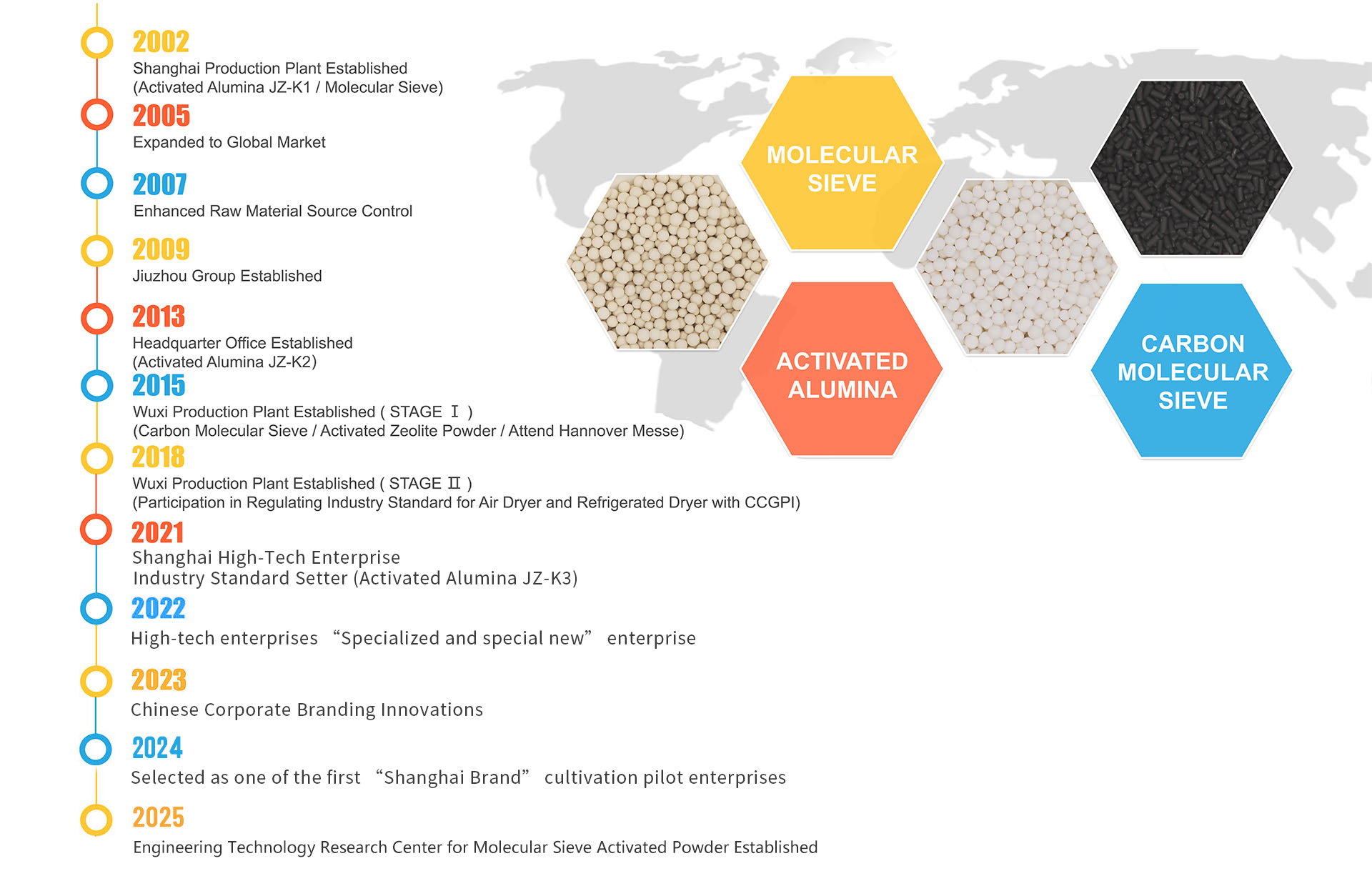
Shanghai Jiuzhou Chemicals Co., Ltd. Located in the biggest Economic Development city Shanghai. Over the years Jiuzhou has always adhered to the "quality control, innovation" principles, committed to the development, research, manufacturing of high quality innovative chemical products. Our main products includes various molecular sieve powders, molecular sieves, activated powder, activated alumina, aluminum oxide catalysts, different types of alumina packing and ceramic balls, sodium silicates, aluminum hydroxide,zeolite 4A, sodium carbonates, SLES, etc. Our all products passed the ISO9001: 2008 quality management system certification and TUV & SGS Certification.
Jiuzhou factory has a professional and world-class research team and experts in chemical product resources. We use the best in international production technology and professional production equipment, constructed in line with national standards and by the large multipurpose plant monitoring, analysis instrument composition the central laboratory. And in quality inspection aspect Jiuzhou have controlled and that products meet international standards.
Jiuzhou's technical strength and industry reputation are leading the industry in the field of desiccants, with senior experts and technical reserves, automated multi-functional production workshops, and a central laboratory and dynamic laboratory composed of large-scale monitoring and analysis instruments. It is in quality control and in terms of supporting services, a set of scientific and complete operating system has been established. Joozeo products are exported to all parts of the world, and have established a distribution network in the United States, Southeast Asia, Japan, Europe, North and South America, the Middle East and other places to provide partners with high-quality products, customized services, and more energy-saving and environmentally friendly adsorption solutions.