Featured Refractory & Ceramic Process Solutions
1. Introduction to Nitrogen Atmospheres in High-Temperature Material Processing
In the realms of modern metallurgy, refractory engineering, and advanced ceramics, the environmental atmosphere during thermal processing dictates the final physical and chemical properties of the materials. High-temperature sintering, calcination, and reaction-bonding processes operate under extreme conditions, often exceeding 1500°C. At these elevated thermal thresholds, oxygen and moisture become highly reactive, threatening the structural integrity of carbon-bonded refractories and technical non-oxide ceramics. The introduction of high-purity nitrogen gas acts as a shield, preventing oxidation, thermal degradation, and unwanted phase transformations.
Carbon Molecular Sieve (CMS) technology has revolutionized the production of nitrogen for industrial kilns. By utilizing Pressure Swing Adsorption (PSA) systems filled with high-grade CMS, manufacturers can generate nitrogen on-site with precise control over purity, pressure, and flow rates. This technological advancement ensures that refractory and ceramic additives are processed under optimized inert conditions, promoting superior mechanical strength, thermal shock resistance, and chemical stability in the final products.
2. Understanding Carbon Molecular Sieve (CMS) Kinetics in PSA Systems
The separation of nitrogen from ambient air using Carbon Molecular Sieves is a kinetic process based on the differences in molecular size and diffusion rates. CMS is an amorphous carbon material characterized by a highly developed network of micropores with diameters close to the molecular dimensions of oxygen (0.346 nm) and nitrogen (0.364 nm). Because oxygen molecules are slightly smaller and have a higher diffusion velocity than nitrogen, they rapidly penetrate the micropores of the CMS under pressure. Nitrogen molecules, diffusing at a much slower rate, pass through the adsorption bed and are collected as high-purity product gas.
Technical Insight: Kinetic Adsorption Selectivity
The efficiency of a CMS-PSA system relies heavily on the pore size distribution of the carbon sieve. Shanghai Jiuzhou Chemicals has engineered advanced CMS materials with optimized pore structures that maximize the kinetic selectivity ratio between oxygen and nitrogen. This translates to higher nitrogen recovery rates and lower energy consumption for the compressor systems operating the PSA plant.
For refractory and ceramic manufacturing, where nitrogen purities ranging from 99% to 99.999% are required, selecting the appropriate CMS grade is critical. High-purity nitrogen prevents the formation of oxide impurities in advanced ceramics and maintains the integrity of carbon-based additives in refractory linings, ensuring consistent quality across production batches.
3. Deep Application Scenarios: CMS Nitrogen in Refractory Additives
Refractories are essential for lining high-temperature furnaces used in steelmaking, glass manufacturing, and cement production. Modern refractories frequently incorporate carbonaceous additives, such as graphite, pitch, and carbon black, to enhance thermal conductivity, reduce thermal expansion, and resist slag penetration. However, carbon is highly vulnerable to oxidation at temperatures above 400°C in the presence of oxygen.
During the firing phase of carbon-bonded refractories (such as Magnesia-Carbon and Alumina-Carbon bricks), a high-purity nitrogen atmosphere generated by CMS-PSA systems is maintained inside the tunnel kilns. This inert environment prevents the oxidation of carbon additives, ensuring they remain intact to form a continuous carbon network within the refractory matrix. This network is vital for providing the flexibility needed to withstand rapid thermal cycling and mechanical stress without cracking.
Additionally, in the synthesis of nitrogen-bonded silicon carbide (NBSC) refractories, nitrogen is not merely an inert shield but an active reactant. Silicon powder mixed with silicon carbide is fired in a nitrogen atmosphere at high temperatures. The nitrogen reacts with the silicon to form silicon nitride (Si3N4) bonds, which yield a refractory material with exceptional resistance to chemical attack and thermal shock.
4. Advanced Ceramic Sintering and the Role of Nitrogen Atmospheres
Technical ceramics, particularly non-oxide ceramics like silicon nitride (Si3N4), aluminum nitride (AlN), and boron nitride (BN), are prized for their exceptional mechanical, thermal, and dielectric properties. Sintering these materials requires temperatures up to 1800°C. In an oxygen-rich environment, these materials readily convert to oxides, which severely degrades their performance. For instance, aluminum nitride substrates used in high-power electronics must maintain high thermal conductivity; even minor oxygen contamination can reduce their thermal performance by half.
By using CMS-generated nitrogen, ceramic manufacturers can maintain a stable, high-purity nitrogen atmosphere that prevents oxidation. In the case of silicon nitride, high-temperature sintering can cause the material to decompose into silicon and gaseous nitrogen. To suppress this decomposition, Gas Pressure Sintering (GPS) is employed, using nitrogen pressures of up to 10 MPa. The consistency and purity of the nitrogen gas supplied by CMS systems are paramount to achieving full densification and a uniform microstructure, free of defects or voids.
5. Commercial & Industrial Status of CMS Nitrogen
The industrial landscape for nitrogen supply in high-temperature manufacturing has shifted significantly over the past decade. Historically, refractory and ceramic plants relied on liquid nitrogen bulk delivery or high-pressure cylinder manifolds. While reliable, these methods introduce high operational costs, volatile pricing structures, and logistical challenges, particularly for facilities located in remote regions.
On-site nitrogen generation utilizing CMS-PSA technology has emerged as the preferred commercial solution. By generating nitrogen directly from ambient air, manufacturers can reduce gas costs by up to 80% compared to liquid nitrogen delivery. The return on investment (ROI) for a CMS-PSA system is typically realized within 12 to 24 months, depending on consumption volume. Furthermore, on-site generation eliminates the carbon footprint associated with transporting liquid nitrogen, aligning with global industrial sustainability goals and green manufacturing initiatives.
6. Development Trends in Carbon Molecular Sieve Technology
As the demand for higher purity and energy efficiency grows, the development of Carbon Molecular Sieve materials is focusing on micro-structural optimization. Modern manufacturing techniques, such as chemical vapor deposition (CVD) and controlled pyrolysis of polymer precursors, allow for the precise tuning of CMS pore sizes down to the sub-angstrom level. This precision enables the generation of ultra-high-purity nitrogen (up to 99.9999%) at lower operating pressures, reducing the energy consumption of the air compressors.
Furthermore, the integration of smart IoT sensors and AI-driven control algorithms into PSA systems is gaining traction. These systems monitor real-time nitrogen purity, flow rates, and bed pressure, adjusting cycle times dynamically to match kiln demands. This ensures optimal gas usage and prevents energy waste during periods of low production activity.
Shanghai Jiuzhou Chemicals Co., Ltd.
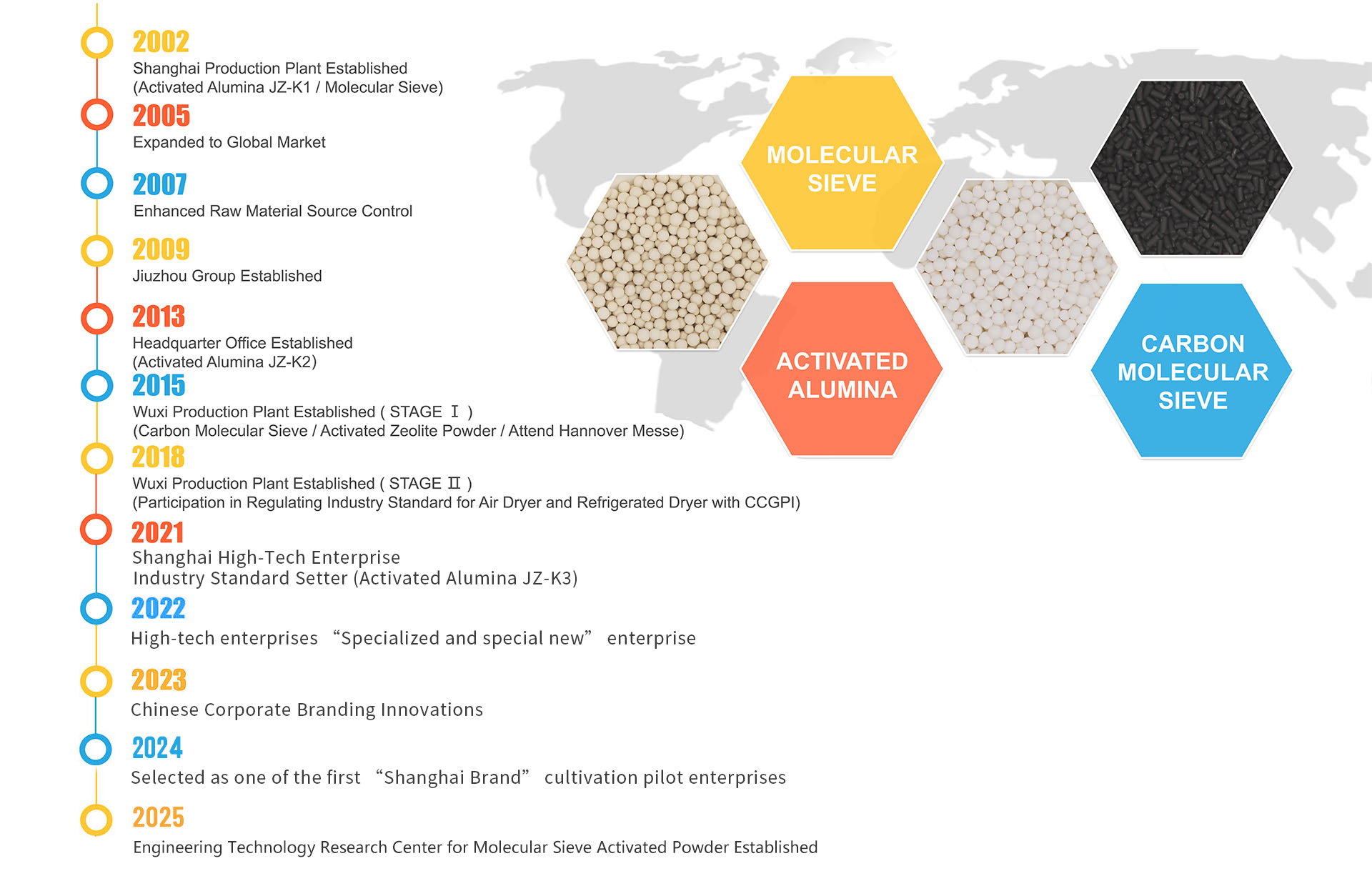
Shanghai Jiuzhou Chemicals Co., Ltd. is located in Shanghai, the largest economic development city in China. Over the years, Jiuzhou has always adhered to the "quality control, innovation" principles, committed to the development, research, and manufacturing of high-quality, innovative chemical products. Our main products include various molecular sieve powders, molecular sieves, activated powder, activated alumina, aluminum oxide catalysts, different types of alumina packing and ceramic balls, sodium silicates, aluminum hydroxide, zeolite 4A, sodium carbonates, SLES, and high-performance carbon molecular sieves. All our products have passed the ISO9001:2008 quality management system certification and TUV & SGS Certification.
The Jiuzhou factory boasts a professional, world-class research team and experts in chemical product resources. We utilize the best in international production technology and professional production equipment, constructed in line with national standards. Our operations are supported by a large-scale multipurpose plant monitoring and analysis instrument composition in our central laboratory. In terms of quality inspection, Jiuzhou maintains rigorous control to ensure all products meet international standards.
Jiuzhou's technical strength and industry reputation lead the field in desiccants and adsorbents. With senior experts, extensive technical reserves, automated multi-functional production workshops, and a dynamic laboratory, we have established a scientific and complete operating system. Joozeo products are exported to all parts of the world, with a distribution network spanning the United States, Southeast Asia, Japan, Europe, North and South America, and the Middle East, providing partners with high-quality products, customized services, and more energy-saving and environmentally friendly adsorption solutions.
Frequently Asked Questions (FAQ)
Q1: What nitrogen purity is required for sintering non-oxide ceramics?
A1: Generally, a nitrogen purity of 99.99% to 99.999% is required to prevent oxidation and ensure proper densification of non-oxide ceramics such as silicon nitride and aluminum nitride. CMS-PSA systems can easily achieve these purity levels on-site.
Q2: How does Carbon Molecular Sieve nitrogen generation compare to liquid nitrogen in terms of cost?
A2: On-site CMS-PSA nitrogen generation can reduce gas costs by up to 80% compared to liquid nitrogen delivery. It eliminates costs associated with logistics, cylinder rentals, and product loss due to evaporation.
Q3: How does oxygen contamination affect carbon-bonded refractories?
A3: At high temperatures, oxygen reacts with the carbon additives (graphite, pitch) in the refractories, causing them to burn out. This leaves behind a highly porous, weak structure that is susceptible to cracking and chemical attack by slag.
Q4: What is the lifespan of Carbon Molecular Sieve in a PSA system?
A4: With proper air pre-treatment (removal of moisture, oil, and dust), high-quality CMS from Shanghai Jiuzhou Chemicals can last for 8 to 10 years, maintaining high adsorption efficiency and nitrogen output.
Complete Product Portfolio for Refractory & Ceramic Additives
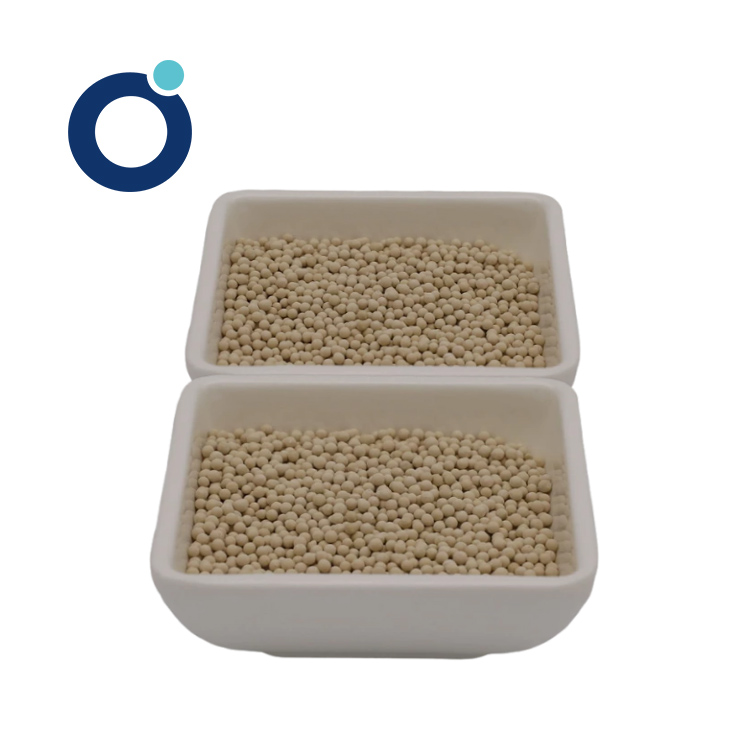
Molecular Sieve JZ-ZMS4 for Refractory Sintering Atmosphere Control
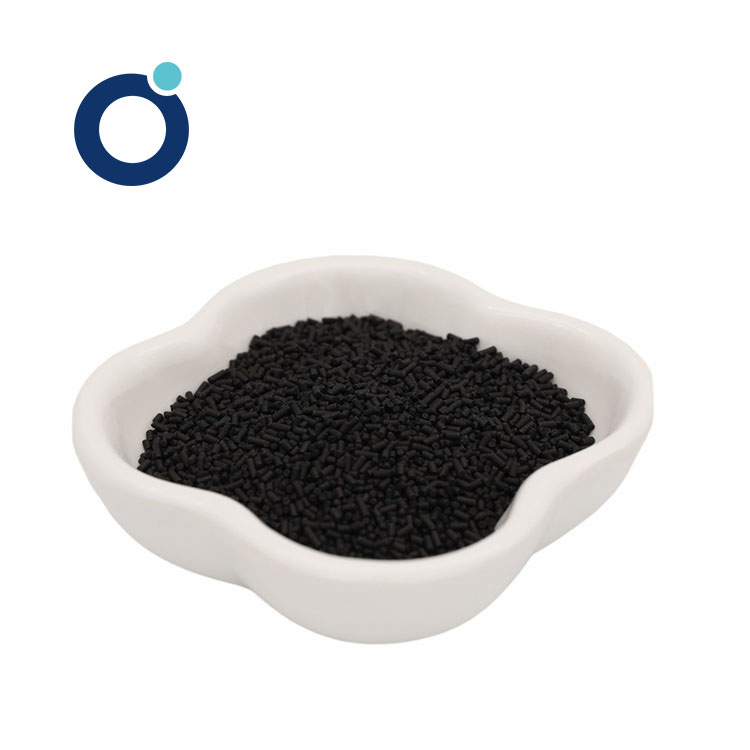
Carbon Molecular Sieve JZ-CMS2N for Ceramic Nitrogen Generation
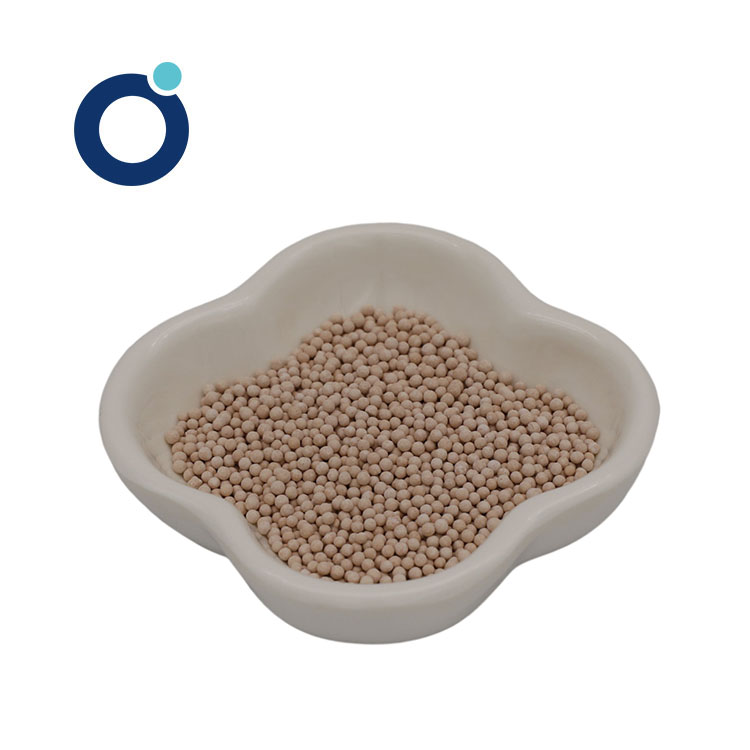
Molecular Sieve JZ-ZRF Catalyst Carrier for Ceramic Additives
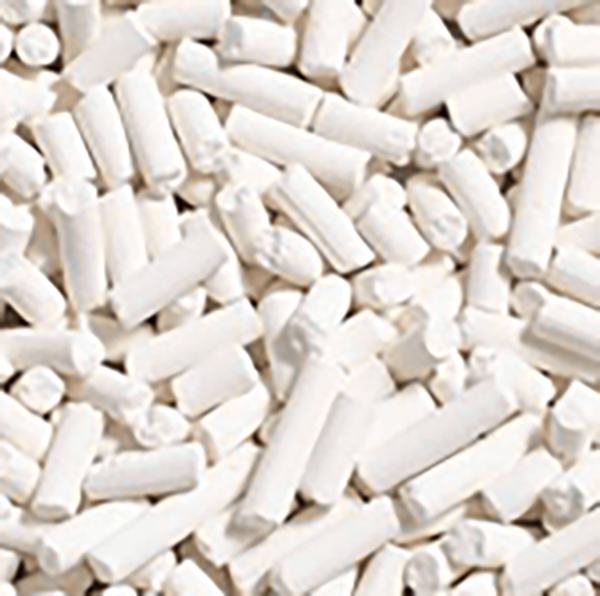
Duralyst Ti-850 Sintering Enhancer for Refractory Processing
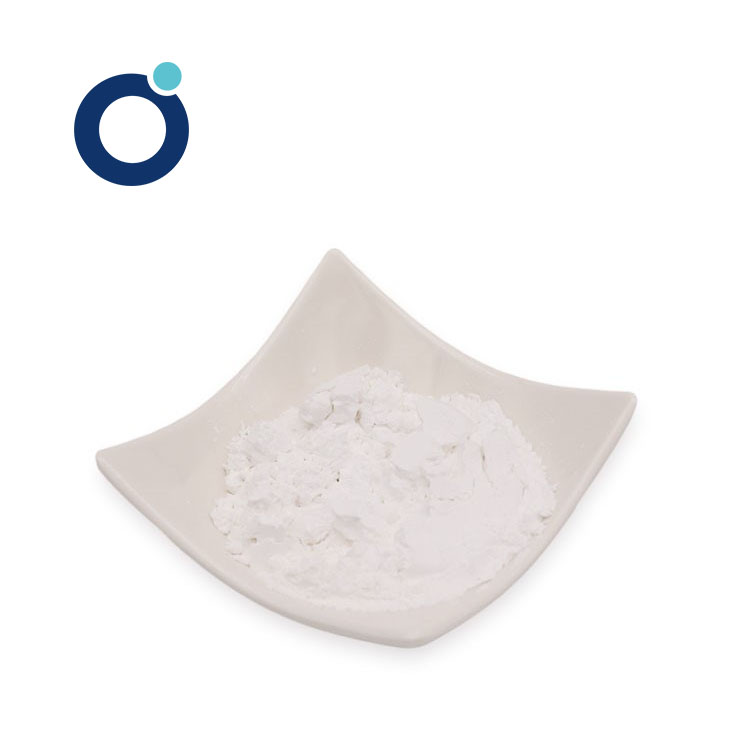
Soda Ash Dense JZ-DSA-H Fluxing Agent for Ceramic Glazes
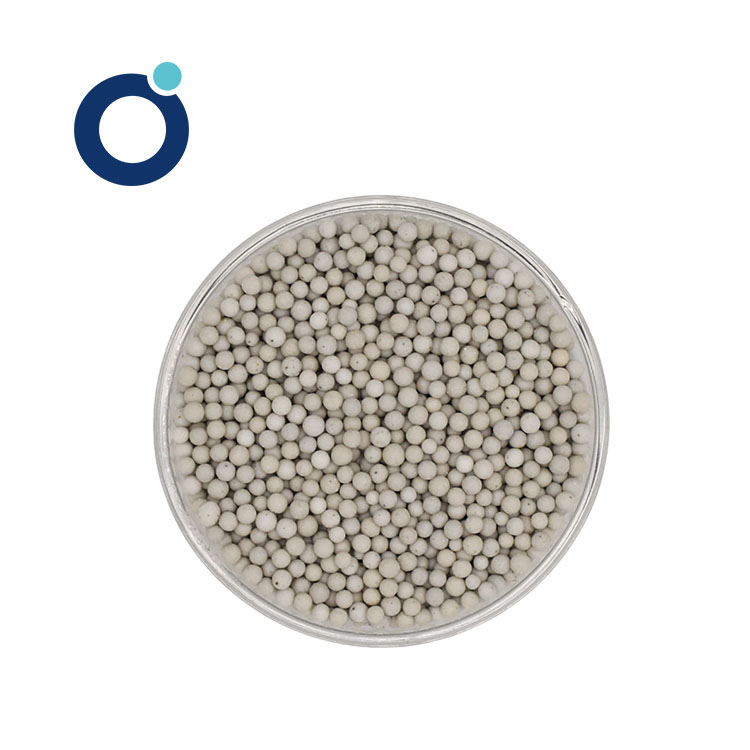
Alumina Ceramic Ball JZ-CB High-Temperature Refractory Support
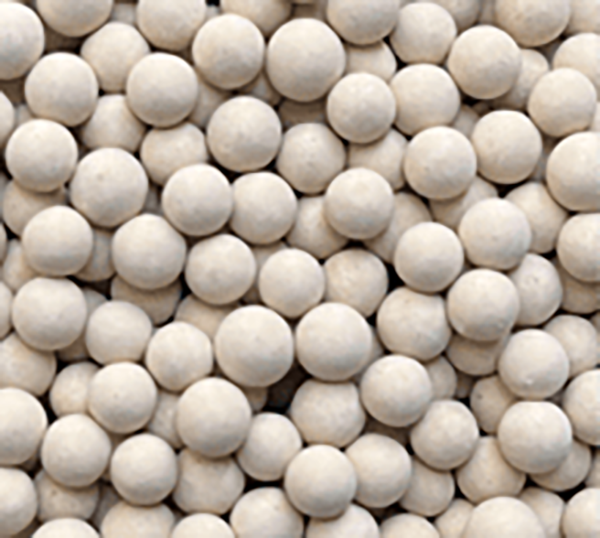
JooSorb AC-16 Binder Adsorbent for Technical Ceramics