Featured Separation & Adsorption Media
Introduction to Water Defluoridation Challenges
Fluoride is a naturally occurring element in water sources, but elevated levels pose a severe threat to public health. Chronic ingestion of high-fluoride water leads to dental and skeletal fluorosis, joint stiffness, and potential neurological complications. According to the World Health Organization (WHO), the permissible limit for fluoride in drinking water is 1.5 mg/L. To mitigate this global issue, municipal water treatment facilities and industrial sectors must deploy robust, cost-effective defluoridation systems. Among the various methods, adsorption is widely recognized as the most practical and efficient technique. However, maintaining the efficiency of adsorption media and managing the regeneration processes require precise atmospheric control. This is where Carbon Molecular Sieve (CMS) generated Nitrogen plays a vital, yet often overlooked, role in industrial water defluoridation operations.
Did you know? High-purity nitrogen generated on-site via Carbon Molecular Sieve (CMS) systems prevents the oxidation of active sites on defluoridation media during thermal regeneration, extending adsorbent lifespan by up to 40%.
The Role of Carbon Molecular Sieve (CMS) in Nitrogen Generation
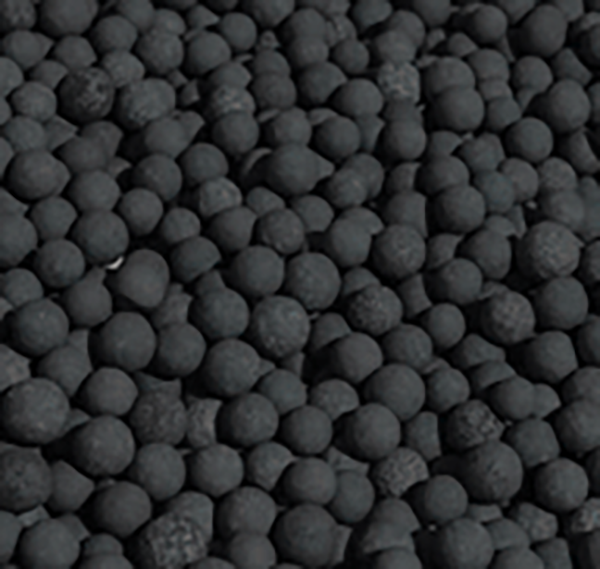
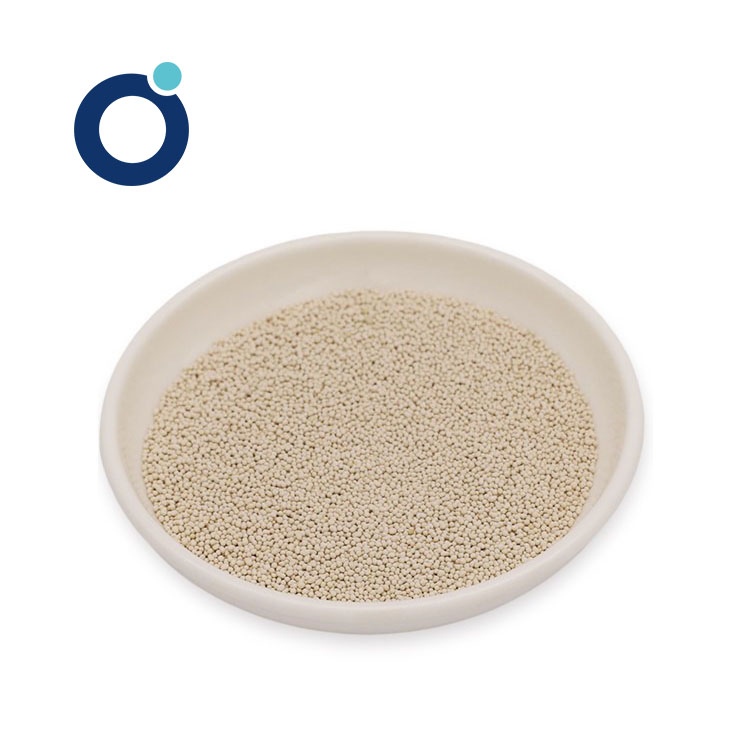
Carbon Molecular Sieve (CMS) is the core adsorbent used in Pressure Swing Adsorption (PSA) nitrogen generators. CMS features an intricate network of micropores with diameters closely matching the molecular sizes of oxygen and nitrogen. Because oxygen molecules are slightly smaller and diffuse faster into the micropores of the CMS than nitrogen molecules, PSA systems can effectively separate air. Under pressure, oxygen is adsorbed by the CMS, allowing high-purity nitrogen gas to flow out as the product. When the pressure is released, the CMS desorbs the oxygen, regenerating the bed for the next cycle.
This on-site nitrogen generation technology offers an uninterrupted, cost-efficient supply of nitrogen gas, which is crucial for modern industrial processes. In the context of water defluoridation, high-purity nitrogen is deployed to optimize the performance, safety, and longevity of the adsorption media used to extract fluoride ions from water.
PSA Efficiency
High-performance CMS optimizes oxygen-nitrogen kinetic separation, reducing energy consumption in nitrogen generation systems.
Oxidation Protection
Nitrogen purging prevents the degradation of active functional groups on defluoridation adsorbents during high-temperature cycles.
Eco-Friendly Regeneration
Minimizes chemical waste by enabling efficient thermal stripping of impurities from spent water treatment beds.
Deep-Dive: How Nitrogen Enhances Water Defluoridation Processes
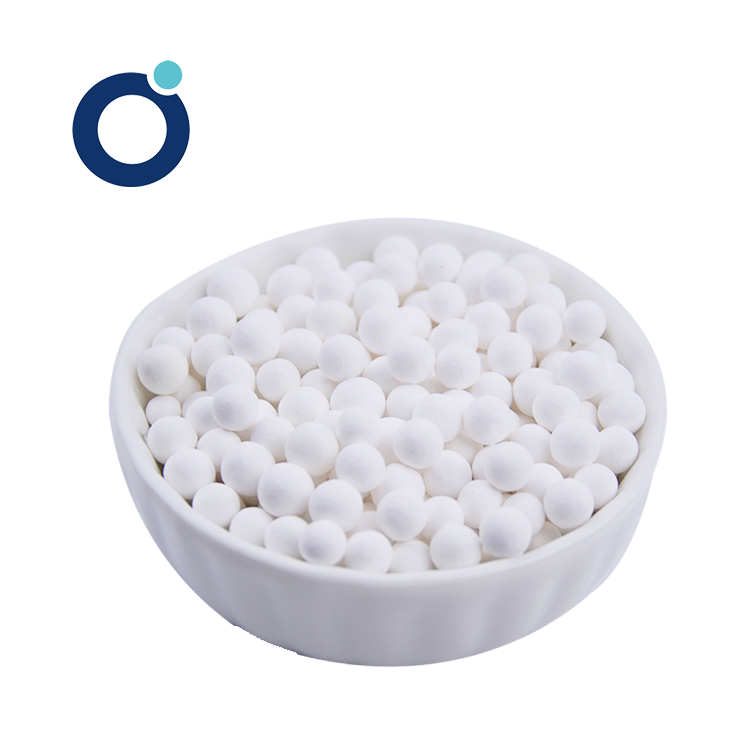
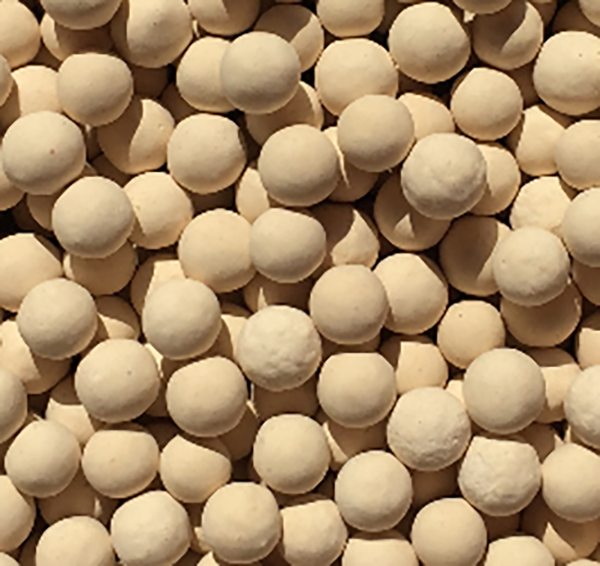
Water defluoridation systems typically utilize adsorbents such as activated alumina, bone char, or modified carbonaceous materials. Over time, these media become saturated with fluoride ions and other co-existing ions (such as sulfates, phosphates, and organic matter). To make the process economically viable, these adsorbents must undergo regeneration. The regeneration and preservation of these media are where CMS-generated nitrogen becomes indispensable:
1. Inert Gas Blanketing During Thermal Regeneration
Thermal regeneration is a common method to restore the capacity of saturated defluoridation adsorbents. However, exposing active carbon or metal-oxide based adsorbents to oxygen at high temperatures causes oxidation. Oxidation alters the surface chemistry, destroys active site networks, and reduces the overall fluoride adsorption capacity. By introducing a continuous stream of high-purity nitrogen generated by CMS, the regeneration chamber remains completely inert. This prevents thermal oxidation, preserves the structural integrity of the adsorbent pores, and ensures the media can be reused for significantly more cycles.
2. Stripping Volatile Organic Compounds (VOCs) and Moisture
Industrial wastewater containing fluoride often contains complex organic co-contaminants. During regeneration, these organic compounds must be stripped from the media. Nitrogen gas acts as an excellent stripping agent. Its dry, inert nature allows it to carry away volatilized organics and moisture without reacting with the adsorbent matrix or creating hazardous oxidized sub-products. This results in a cleaner, more efficient recovery of the defluoridation bed.
3. Preventing Acidic Corrosion and Safe Chemical Handling
In chemical regeneration processes, strong acids (like sulfuric acid) or bases (like sodium hydroxide) are used to elute fluoride ions from adsorbents like activated alumina. These processes can generate toxic or corrosive fumes. Nitrogen blanketing of storage tanks and reaction vessels prevents the accumulation of explosive gas mixtures and shields the equipment from atmospheric moisture, which could otherwise accelerate acidic corrosion.
Commercial and Industrial Status of CMS Nitrogen in Defluoridation
Globally, the market for water defluoridation is expanding rapidly, driven by stringent environmental regulations and growing awareness of clean drinking water access. Geographies such as East Africa, India, Northern China, and parts of the United States face severe groundwater fluoride issues. In industrial sectors like semiconductor manufacturing, photovoltaics, and electroplating, fluoride-rich wastewater is a major byproduct that must be treated before discharge.
Historically, industrial plants relied on bulk liquid nitrogen deliveries to support their thermal regeneration and chemical purging processes. However, logistics costs, evaporation losses, and supply chain vulnerabilities have shifted the industry preference toward on-site nitrogen generation. By integrating CMS-based PSA systems directly into water treatment facilities, operators can achieve a self-sustaining utility model. The return on investment (ROI) for an on-site CMS nitrogen generator is typically realized within 12 to 24 months, making it a highly attractive option for large-scale industrial defluoridation plants.
Future Trends: Smart Integration and High-Selectivity Materials
As the water-energy nexus becomes more critical, the integration of smart technologies is shaping the future of industrial defluoridation. We are seeing the rise of automated, modular water treatment units combined with compact PSA nitrogen systems. These systems utilize advanced IoT sensors to monitor adsorbent saturation levels and dynamically adjust nitrogen flow rates during regeneration cycles, minimizing energy waste.
Furthermore, material science is advancing the development of specialized Carbon Molecular Sieves with higher kinetic selectivity and lower air-to-nitrogen ratios. This allows smaller, more efficient nitrogen generators to supply the high flow rates required for rapid thermal regeneration, lowering both the capital expenditure (CAPEX) and operational expenditure (OPEX) of water treatment operations.
About Shanghai Jiuzhou Chemicals
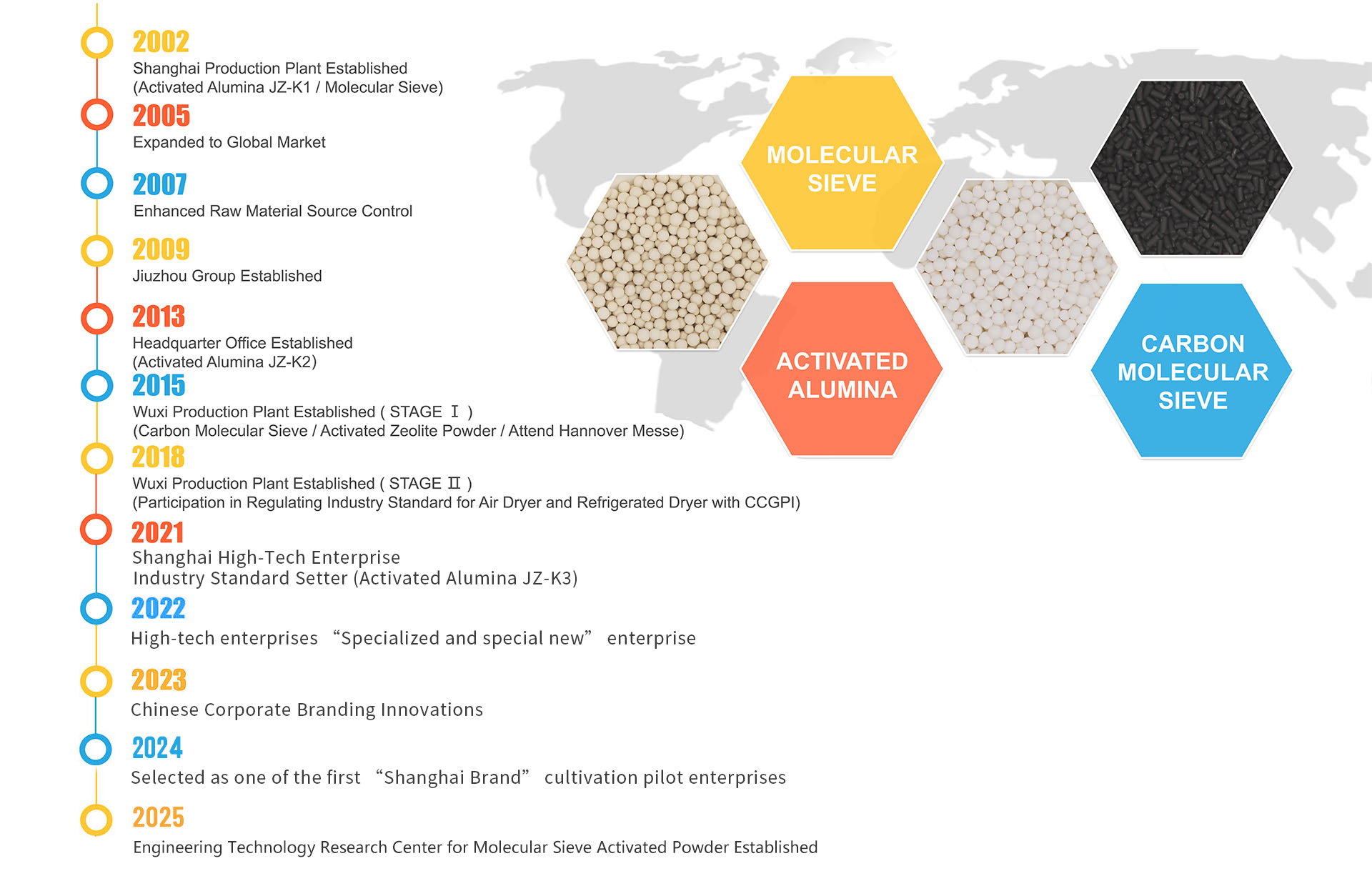
Shanghai Jiuzhou Chemicals Co., Ltd. is located in the largest Economic Development city, Shanghai. Over the years, Jiuzhou has always adhered to the "quality control, innovation" principles, committed to the development, research, and manufacturing of high-quality innovative chemical products. Our main products include various molecular sieve powders, molecular sieves, activated powder, activated alumina, aluminum oxide catalysts, different types of alumina packing and ceramic balls, sodium silicates, aluminum hydroxide, zeolite 4A, sodium carbonates, SLES, etc. All our products have passed the ISO9001: 2008 quality management system certification and TUV & SGS Certification.
Jiuzhou factory has a professional and world-class research team and experts in chemical product resources. We use the best in international production technology and professional production equipment, constructed in line with national standards and supported by a large multipurpose plant monitoring and analysis instrument composition in our central laboratory. In terms of quality inspection, Jiuzhou ensures that all products strictly meet international standards.
Jiuzhou's technical strength and industry reputation lead the field of desiccants and adsorbents. With senior experts, technical reserves, automated multi-functional production workshops, and a central and dynamic laboratory composed of large-scale monitoring and analysis instruments, we maintain rigorous quality control. In terms of supporting services, a scientific and complete operating system has been established. Joozeo products are exported to all parts of the world, with distribution networks established in the United States, Southeast Asia, Japan, Europe, North and South America, the Middle East, and other regions, providing partners with high-quality products, customized services, and energy-saving, environmentally friendly adsorption solutions.
Our Complete Product Portfolio