Primary Adsorbents for Refrigerant Dehydration
Explore our top-tier molecular sieve and ceramic media solutions engineered specifically to remove trace moisture and protect cooling systems from acid corrosion and ice blockages.
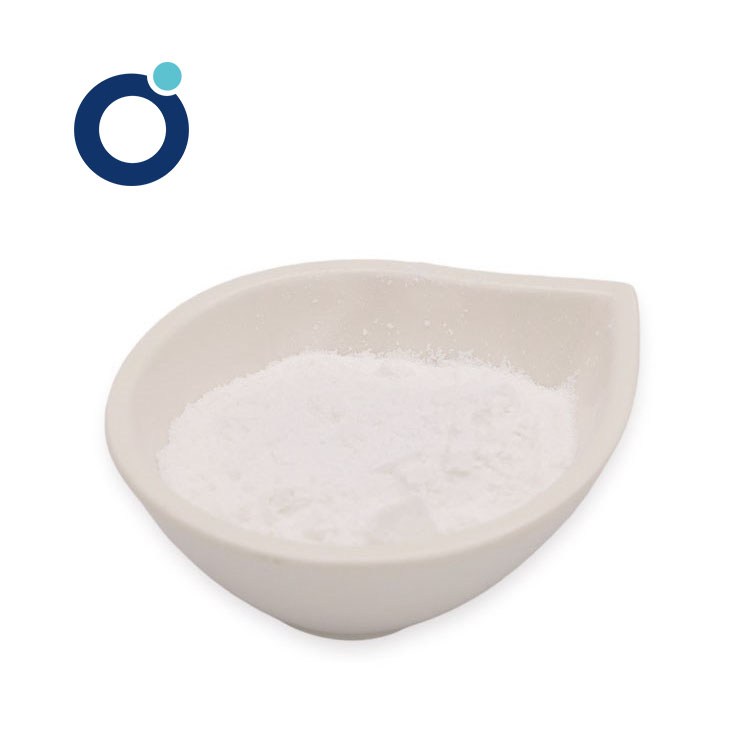
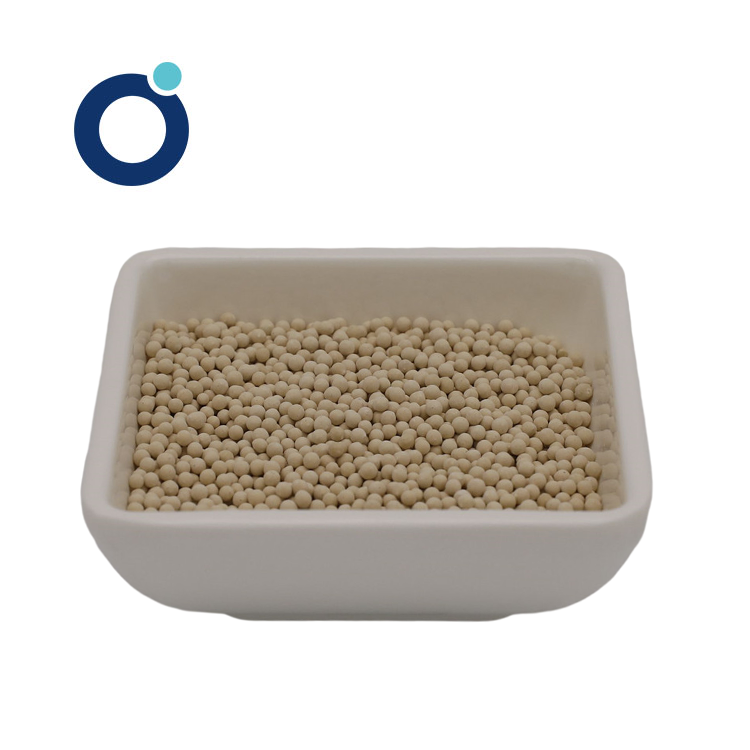
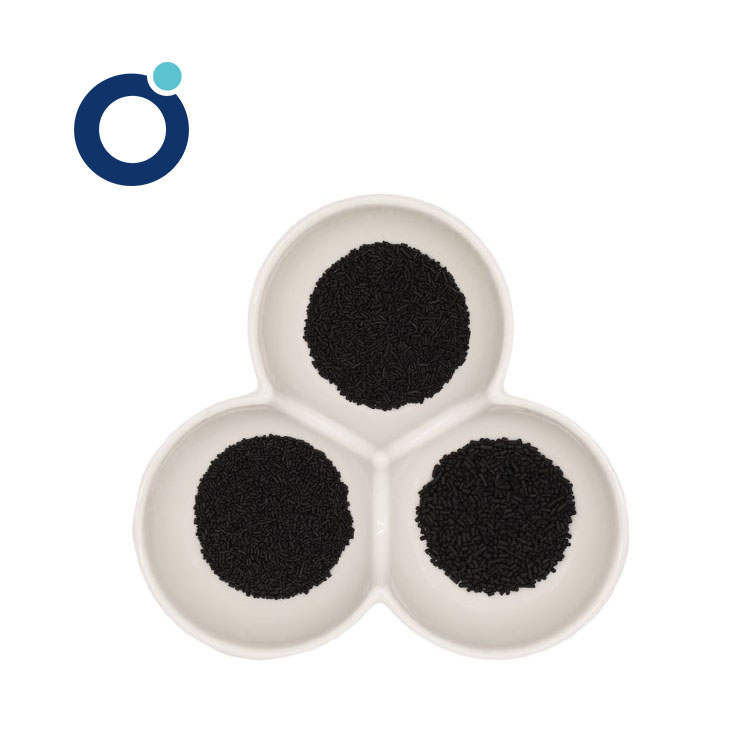
The Critical Role of Ceramic Balls & Molecular Sieves in Refrigerant Drying
In modern industrial refrigeration, HVAC systems, and automotive climate control, maintaining the purity of the refrigerant loop is paramount. Moisture is the single greatest enemy of a closed-loop refrigeration cycle. When water vapor enters the system—whether through minor leaks, improper servicing, or slow permeation through seals—it reacts with refrigerants and lubricating oils to form highly corrosive acids (such as hydrofluoric or hydrochloric acids). These acids corrode copper tubing, degrade compressor windings, and ultimately lead to catastrophic system failure.
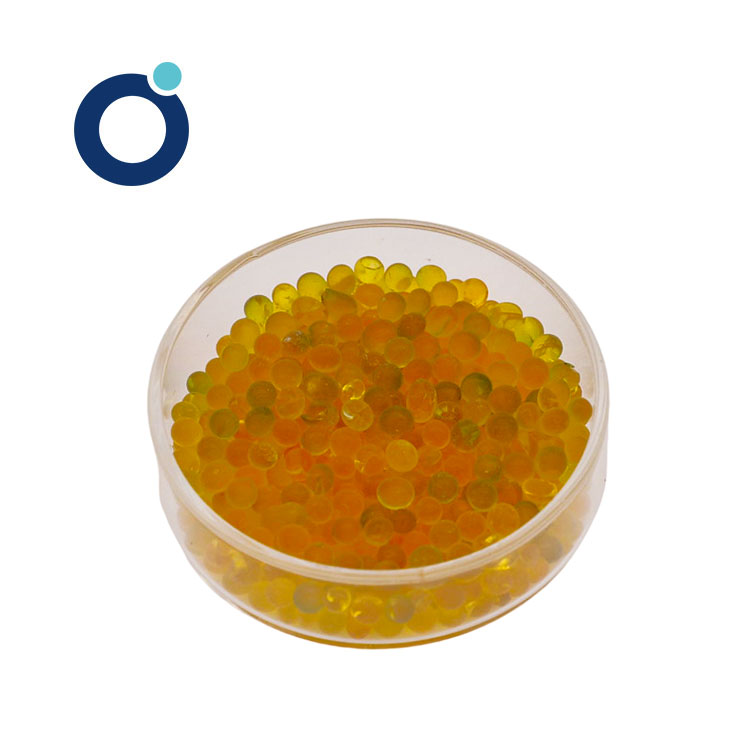
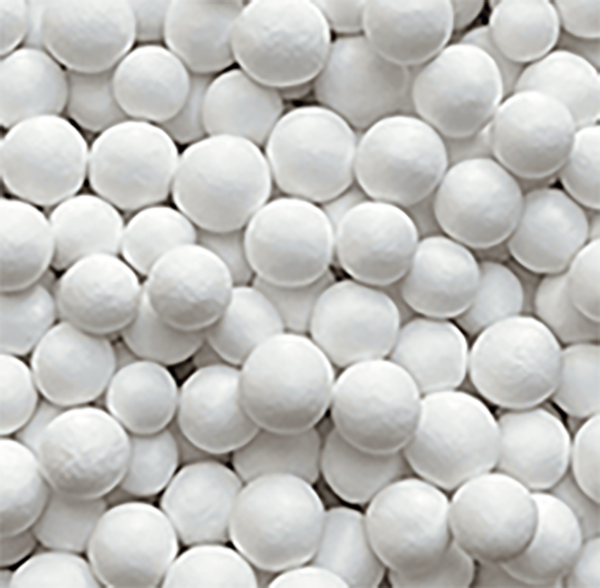
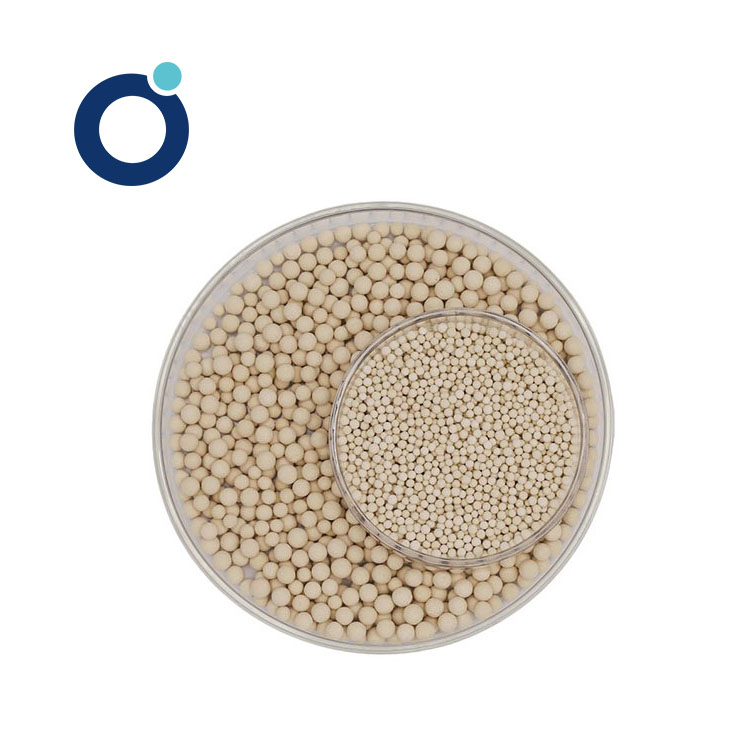
To prevent this, specialized desiccant media, commonly referred to in the industry as ceramic balls for sale for refrigerant drying (including molecular sieve beads, activated alumina, and zeolite matrices), are integrated into filter-driers. These engineered ceramic adsorbents act as physical chemical traps, capturing water molecules down to parts-per-million (ppm) levels while allowing the refrigerant molecules to pass through unobstructed.
Why Selectivity Matters: The Pore Size Engineering
Refrigerants like R-134a, R-410A, and new low-GWP HFOs (like R-1234yf) have specific molecular dimensions. Standard silica gels or wide-pore alumina can co-adsorb the refrigerant itself, leading to capacity loss and heat generation. Premium ceramic molecular sieves (typically with a 3Å or 4Å pore structure) exclude the larger refrigerant molecules while selectively capturing water molecules (which have a kinetic diameter of approximately 2.6Å).
Commercial & Industrial Landscape of Refrigerant Dehydration
The global demand for high-efficiency refrigerant drying media is experiencing rapid growth, driven by tightening environmental regulations and the global transition towards sustainable cooling. As traditional hydrofluorocarbons (HFCs) are phased down under the Kigali Amendment, the HVAC industry is shifting toward Hydrofluoroolefins (HFOs) and natural refrigerants (such as carbon dioxide R-744, isobutane R-600a, and propane R-290).
These modern eco-friendly refrigerants, particularly HFOs, are chemically more complex and often more sensitive to hydrolytic degradation than their predecessors. Consequently, the performance requirements for desiccant ceramic balls have become significantly more stringent. Modern systems operate under higher pressures and temperatures, demanding desiccants with exceptional thermal stability, high mechanical crush strength, and minimal dust formation to prevent capillary tube blockages.
Deep Application Scenarios for Drying Media
Depending on the specific operating environment, the configuration and composition of ceramic drying balls must be tailored to meet distinct performance criteria:
- Automotive Air Conditioning (MAC): Requires highly compact filter-driers filled with highly vibration-resistant molecular sieve beads. Constant road vibration can cause inferior ceramic balls to rub together, generating fine dust that clogs expansion valves. Specialized high-strength zeolites, such as JZ-2ZAS, are optimized for this high-vibration environment.
- Commercial Cold Chain & Supermarkets: These systems feature extensive piping networks and multiple evaporators, increasing the risk of moisture ingress. Continuous-duty filter-driers utilize a blend of molecular sieves and activated ceramic matrices to manage high flow rates and continuous moisture scavenging over multi-year maintenance cycles.
- Residential Heat Pumps and HVACs: With the rise of reversible heat pumps that switch between heating and cooling modes, the drying core must withstand bidirectional refrigerant flow without shedding particles or losing structural integrity.
- Industrial Cryogenic Gas Separation: In ultra-low temperature applications, desiccants must reduce moisture levels to less than 1 ppm to prevent ice crystallization, which can completely block heat exchangers.
INTRODUCTION
Shanghai Jiuzhou Chemicals Co., Ltd. is located in the largest economic development city, Shanghai. Over the years, Jiuzhou has always adhered to the "quality control, innovation" principles, committed to the development, research, and manufacturing of high-quality innovative chemical products.
Our main products include various molecular sieve powders, molecular sieves, activated powder, activated alumina, aluminum oxide catalysts, different types of alumina packing and ceramic balls, sodium silicates, aluminum hydroxide, zeolite 4A, sodium carbonates, SLES, etc. All of our products have passed the ISO9001: 2008 quality management system certification and TUV & SGS Certification.
Jiuzhou factory has a professional and world-class research team and experts in chemical product resources. We use the best in international production technology and professional production equipment, constructed in line with national standards and monitored by a large multipurpose plant monitoring and analysis instrument composition in our central laboratory. In terms of quality inspection, Jiuzhou has controlled and ensured that all products meet international standards.
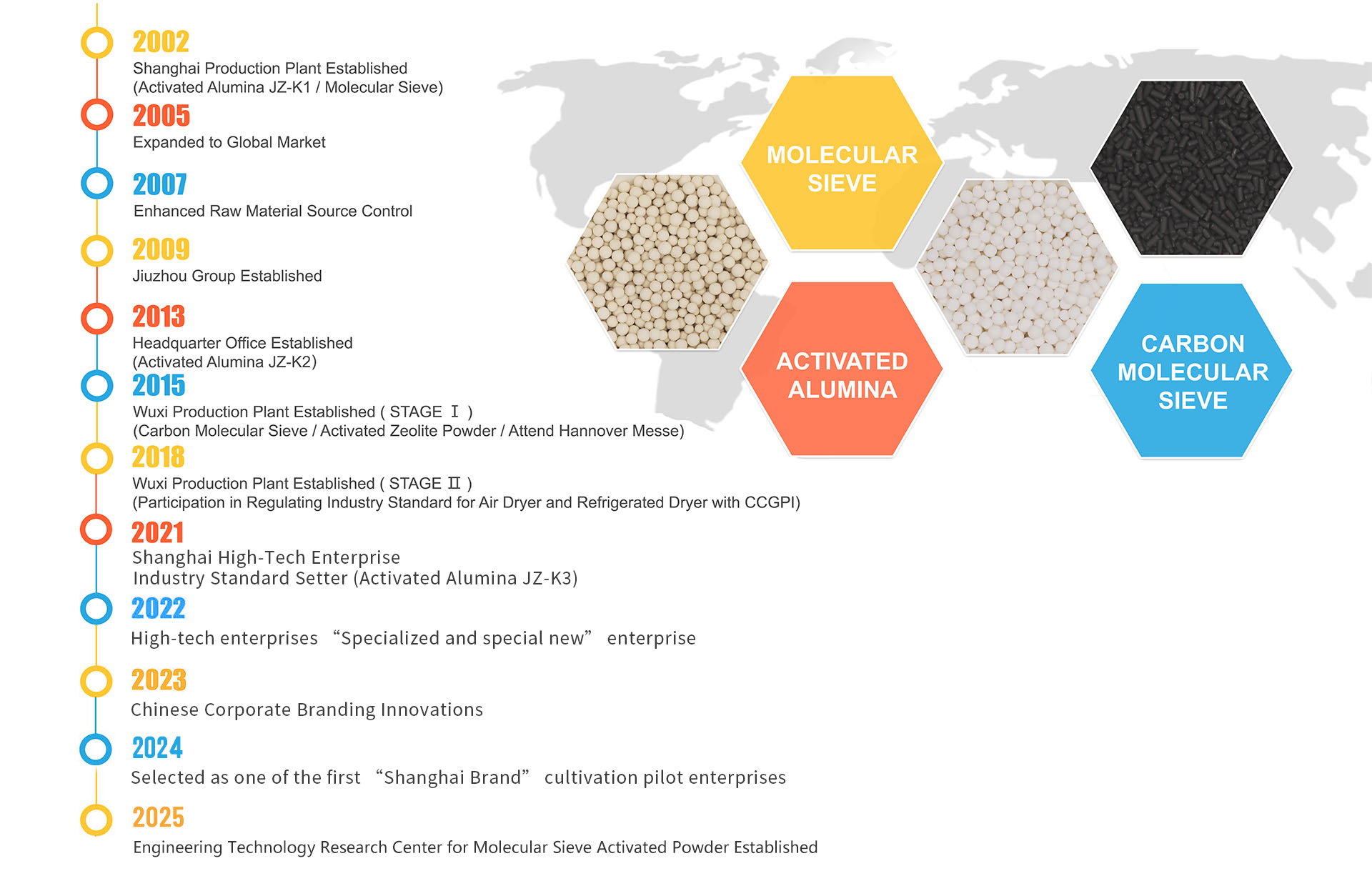
Jiuzhou's technical strength and industry reputation are leading the industry in the field of desiccants, with senior experts and technical reserves, automated multi-functional production workshops, and a central laboratory and dynamic laboratory composed of large-scale monitoring and analysis instruments. In terms of quality control and supporting services, a scientific and complete operating system has been established. Joozeo products are exported to all parts of the world, and we have established a distribution network in the United States, Southeast Asia, Japan, Europe, North and South America, the Middle East, and other places to provide partners with high-quality products, customized services, and more energy-saving and environmentally friendly adsorption solutions.
Key Selection Criteria for Refrigerant Drying Ceramic Media
When sourcing ceramic balls and molecular sieves for commercial HVAC or industrial refrigeration applications, procurement managers and design engineers must evaluate several critical parameters to ensure long-term reliability:
- Equilibrium Water Capacity: The maximum amount of water the desiccant can hold at a specific temperature and relative humidity. High-capacity media allow for smaller, lighter filter-driers.
- Crush Strength: The physical force required to fracture the ceramic beads. High crush strength prevents media breakdown under the pressure shocks typical of compressor startup cycles.
- Chemical Compatibility: The desiccant must not catalyze the decomposition of the refrigerant or the polyolester (POE) / polyvinyl ether (PVE) lubricant oils commonly used in modern systems.
- Attrition Rate: A measure of how easily the beads generate dust when subjected to friction. Low attrition rates are vital to protect precision expansion valves from clogging.
Future Trends: Smart Systems & Next-Gen Ceramic Adsorbents
Looking ahead, the integration of smart sensors into HVAC systems is driving the development of dynamic desiccant indicators. Researchers are exploring composite ceramic balls infused with non-toxic humidity indicator compounds that change optical properties when approaching saturation. Furthermore, as the industry pushes towards zero-emission technologies, there is a growing demand for regenerable desiccant matrices that can be dried and reused during system overhauls, reducing electronic and chemical waste.
Shanghai Jiuzhou Chemicals remains at the forefront of these innovations, investing continuously in our dynamic laboratories to analyze the performance of our zeolites and alumina catalysts under simulated real-world HVAC stress cycles. This commitment ensures our partners receive cutting-edge materials that meet both current demands and future regulatory standards.
Complete Adsorption & Drying Product Line
Browse our full range of molecular sieves, silica gels, and specialty chemical catalysts designed for heavy-duty industrial dehydration and purification.