Featured Defluoridation Media & Adsorbents
Explore our premier selection of engineered ceramic balls and chemical adsorbents specifically optimized for industrial-scale and municipal water defluoridation systems.
The Critical Need for Water Defluoridation
Fluoride is a naturally occurring element found in varying concentrations across global water sources. While low concentrations of fluoride (under 1.0 mg/L) can assist in preventing dental caries, excessive exposure to fluoride in drinking water poses severe, irreversible health risks. According to the World Health Organization (WHO), the permissible limit of fluoride in drinking water is established at 1.5 mg/L. Exceeding this threshold leads to chronic toxicological conditions, primarily dental fluorosis—characterized by the staining and pitting of teeth—and skeletal fluorosis, a debilitating bone disease that causes joint stiffness, structural deformities, and severe pain.
Geographically, high fluoride concentrations in groundwater are prevalent in extensive regions of East Africa, the Middle East, Southern Asia (particularly India and China), and parts of North and South America. In these regions, deep aquifers interact with fluoride-rich minerals such as fluorite, apatite, and micas, leaching the ion into municipal and rural drinking supplies. Consequently, cost-effective, high-capacity, and reliable water defluoridation technologies are not merely industrial preferences but absolute necessities for public health security. Among the diverse methods available, the application of specialized ceramic balls for sale has emerged as a leading, commercially viable, and ecologically sustainable solution.
💡Key Technical Challenge
Removing fluoride from water is chemically complex because the fluoride ion (F-) is highly electronegative and possesses a small ionic radius, allowing it to easily integrate into aqueous matrices. Traditional filtration methods like simple sedimentation fail, necessitating advanced surface adsorption and ion-exchange media.
Understanding Defluoridation Ceramic Balls
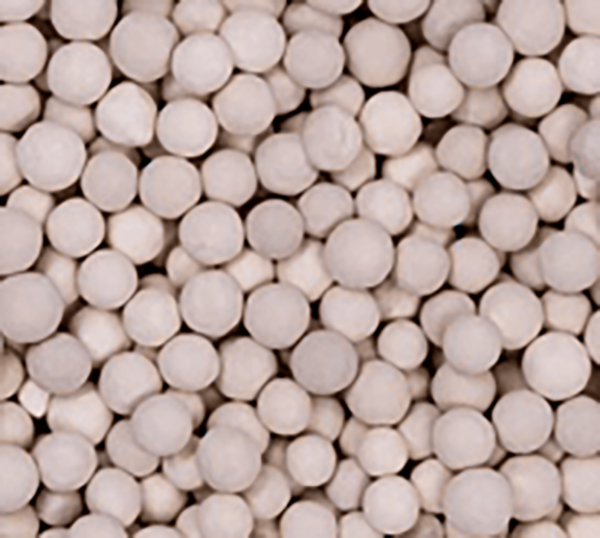
Ceramic balls designed for water defluoridation represent a pinnacle of functional materials engineering. These spheres are typically fabricated from a synergistic blend of activated alumina, natural zeolites, rare-earth oxides, and bio-ceramic clays. Through precise thermal processing (calcination) at controlled temperatures, manufacturers generate a highly porous structure with an expansive specific surface area, often exceeding 200 to 350 square meters per gram.
The primary operational mechanism relies on physical adsorption combined with chemisorption (ion exchange). When fluoride-laden water percolates through a bed of these ceramic balls, the fluoride ions are selectively attracted to the active hydroxyl groups and metallic sites on the ceramic surface. The fluoride ions displace hydroxide ions or become bound within the micro- and mesoporous channels of the media. Because of their spherical shape, these ceramic balls optimize hydraulic flow rates, prevent media compaction, minimize pressure drops across filtration vessels, and ensure maximum contact time between the water and the active adsorbent sites.
Unlike loose powders, ceramic balls offer superior mechanical strength and attrition resistance. This structural integrity prevents the media from breaking down under hydraulic stress, avoiding the release of fine particulate matter into the treated water stream. This makes them highly preferred for both high-flow municipal plants and compact gravity-fed household filters.
Industrial Status & Global Commercial Market
The global market for water defluoridation media is experiencing robust growth, driven by tightening environmental regulations, rising industrialization, and expanding public awareness of waterborne diseases. The industrial sectors leading the demand include chemical manufacturing, semiconductor fabrication, glass etching, and electroplating industries. These processes generate high-concentration fluoride wastewater that must be treated to strict regulatory limits before discharge into local aquatic ecosystems.
Commercially, the selection of defluoridation media involves balancing initial capital expenditure (CAPEX) with long-term operational expenditure (OPEX). While membrane technologies such as Reverse Osmosis (RO) and Nanofiltration (NF) offer high removal efficiencies, they suffer from high energy consumption, severe membrane fouling, and the generation of massive volumes of highly concentrated reject water. In contrast, adsorption systems utilizing ceramic balls for sale provide a low-energy, zero-liquid-discharge alternative. The media can be operated in simple gravity-flow or low-pressure vessels, drastically reducing energy costs. Furthermore, many modern ceramic formulations allow for in-situ regeneration using mild alkaline and acid washes, extending the operational lifespan of the media to several years and optimizing the total cost of ownership.
⚙️Low OPEX
Operates under gravity or minimal pressure, eliminating the high energy demands associated with high-pressure membrane systems.
♻️Regenerability
Can be washed and regenerated multiple times, significantly lowering the long-term cost of media replacement.
🌱Eco-Friendly
Constructed from inert minerals that do not leach harmful secondary chemical byproducts into the treated water supply.
Deep-Dive Applications: From Municipal to Specialized Industries
The versatility of defluoridation ceramic balls allows them to be seamlessly integrated into a wide spectrum of water treatment architectures:
1. Municipal Water Treatment Plants: Large-scale municipal plants in high-fluoride regions utilize massive vertical pressure filters packed with ceramic balls. These systems run continuously, processing millions of gallons daily. The high mechanical crush strength of the ceramic balls ensures they can withstand the immense weight of the bed and the high pressures of backwashing cycles without fracturing.
2. Point-of-Use (POU) and Point-of-Entry (POE) Systems: In residential settings, ceramic balls are incorporated into under-sink filtration cartridges and countertop gravity filters. Their slow release of beneficial alkaline minerals (in specialized multi-functional formulations) simultaneously balances the water's pH, offering consumers not only fluoride-free water but also mineral-rich, alkaline drinking water.
3. Industrial Wastewater Remediation: Industries like semiconductor manufacturing use hydrofluoric acid for silicon wafer etching, producing effluent with extremely high fluoride levels. Ceramic ball beds are used as polishing stages following initial calcium precipitation, ensuring the final effluent meets stringent environmental discharge standards (often below 5 mg/L or even 1 mg/L depending on regional laws).
4. Disaster Relief and Remote Communities: Because ceramic ball filtration does not require electricity, it is highly suitable for deployment in remote villages and disaster-stricken areas. Simple gravity-fed column filters packed with ceramic balls can provide safe, clean drinking water immediately, preventing acute fluoride poisoning in vulnerable populations.
Future Trends and Innovations in Ceramic Media
The field of adsorptive water treatment is rapidly evolving, with research focusing on enhancing the selectivity and capacity of ceramic media. One of the most promising trends is the nanotechnology integration, where ceramic matrices are doped with metal oxide nanoparticles (such as iron, zirconium, titanium, or manganese oxides). These nanoparticles provide a higher density of active surface sites, increasing the fluoride adsorption capacity by up to 200% compared to standard activated alumina media.
Another significant development is the engineering of multi-functional ceramic balls. Modern R&D is producing media that can simultaneously remove fluoride, arsenic, and heavy metals (such as lead and mercury), while also exhibiting antimicrobial properties. By incorporating silver nanoparticles or copper ions into the ceramic structure, these balls prevent biofouling within the filter bed, maintaining high flow rates and preventing bacterial growth over long operational periods. Additionally, green manufacturing processes utilizing industrial waste products like fly ash or bauxite tailings to synthesize high-performance ceramics are gaining traction, aligning the water treatment industry with circular economy principles.
Shanghai Jiuzhou Chemicals Co., Ltd.
Shanghai Jiuzhou Chemicals Co., Ltd. is located in Shanghai, the largest economic development city in China. Over the years, Jiuzhou has always adhered to the "quality control, innovation" principles, committed to the development, research, and manufacturing of high-quality, innovative chemical products. Our main product line includes various molecular sieve powders, molecular sieves, activated powder, activated alumina, aluminum oxide catalysts, different types of alumina packing, ceramic balls, sodium silicates, aluminum hydroxide, zeolite 4A, sodium carbonates, SLES, and more. All of our products have successfully passed the ISO9001: 2008 quality management system certification, as well as TUV & SGS Certification.
The Jiuzhou factory boasts a professional, world-class research team and renowned experts in chemical product resources. We utilize the finest international production technologies and professional production equipment, constructed in strict alignment with national standards. Our operations are supported by a large-scale, multi-purpose plant monitoring and analysis instrument composition within our central laboratory. In the aspect of quality inspection, Jiuzhou maintains strict control measures to guarantee that all products meet and exceed international standards.
Jiuzhou's technical strength and industry reputation lead the field of desiccants and adsorbents. With senior experts, extensive technical reserves, automated multi-functional production workshops, and a dynamic laboratory, we have established a scientific and complete operating system for quality control and supporting services. Joozeo products are exported worldwide, supported by an established distribution network in the United States, Southeast Asia, Japan, Europe, North and South America, the Middle East, and other regions. We are dedicated to providing our partners with high-quality products, customized services, and energy-saving, environmentally friendly adsorption solutions.
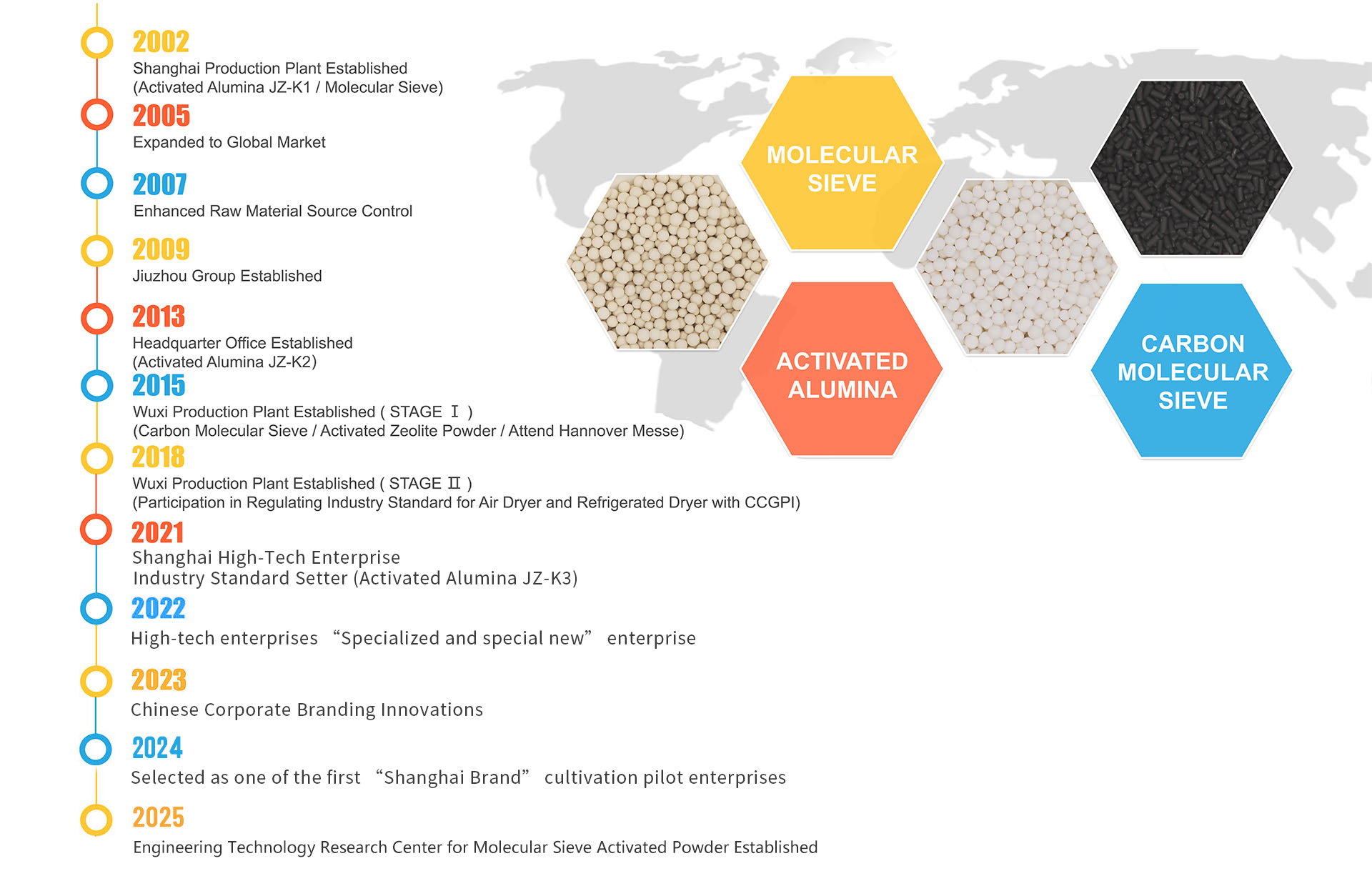
Our Complete Range of Water Treatment & Adsorbent Products
Browse our comprehensive catalog of molecular sieves, zeolites, and activated alumina solutions engineered to meet the highest international standards for purification and dehydration.
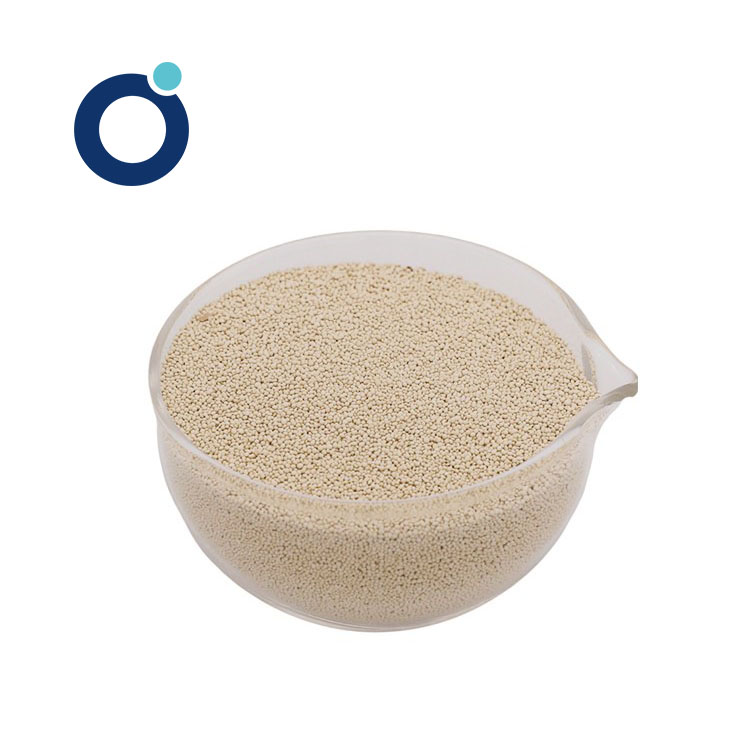
Defluoridation Molecular Sieve JZ-ZIG
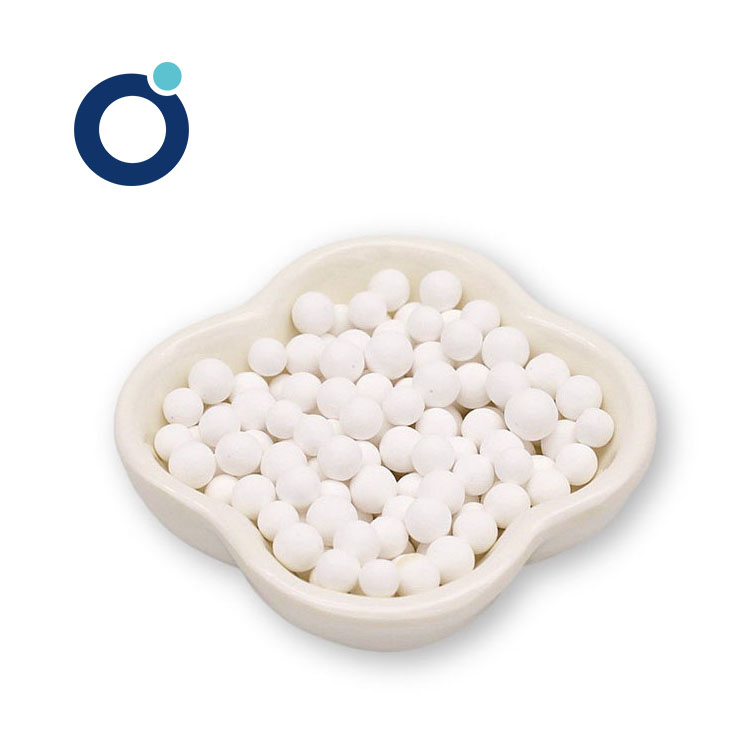
Fluoride Adsorbent Activated Alumina JZ-K2
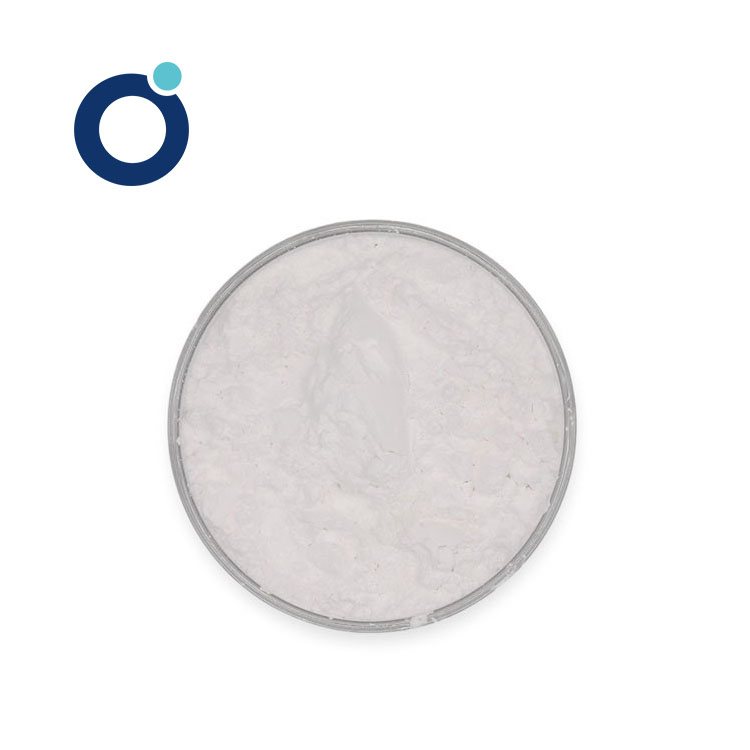
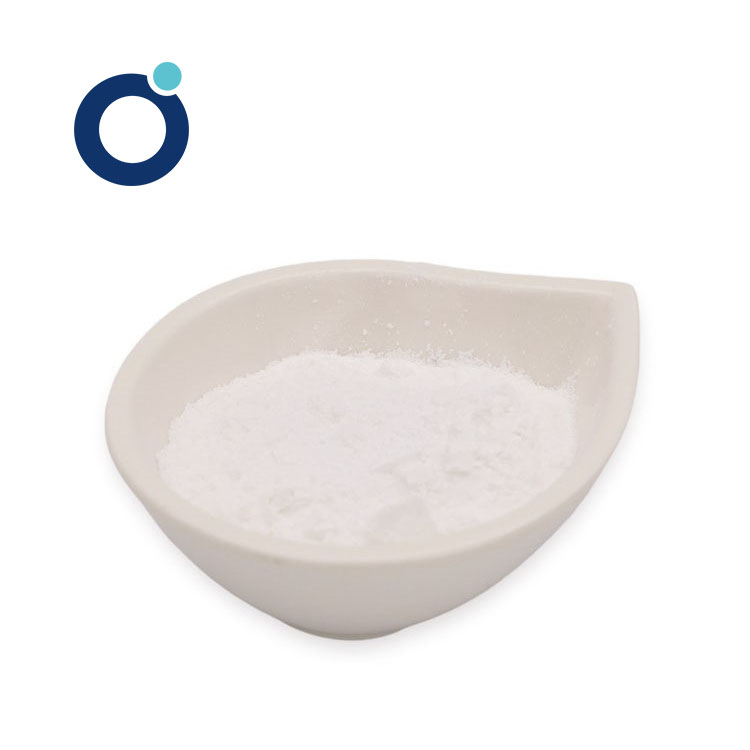
Defluoridation Molecular Sieve Powder JZ-ZT
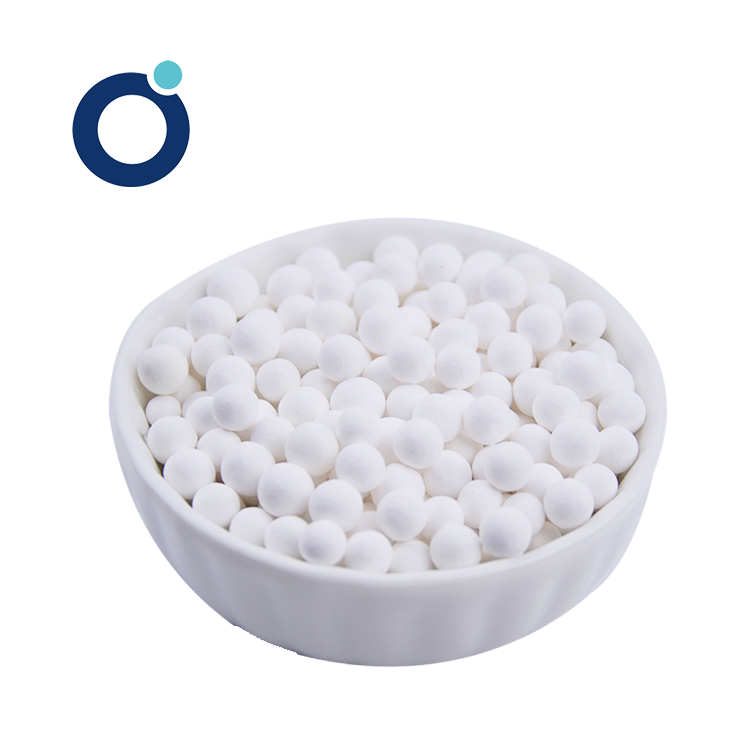
Water Treatment Activated Alumina JZ-E
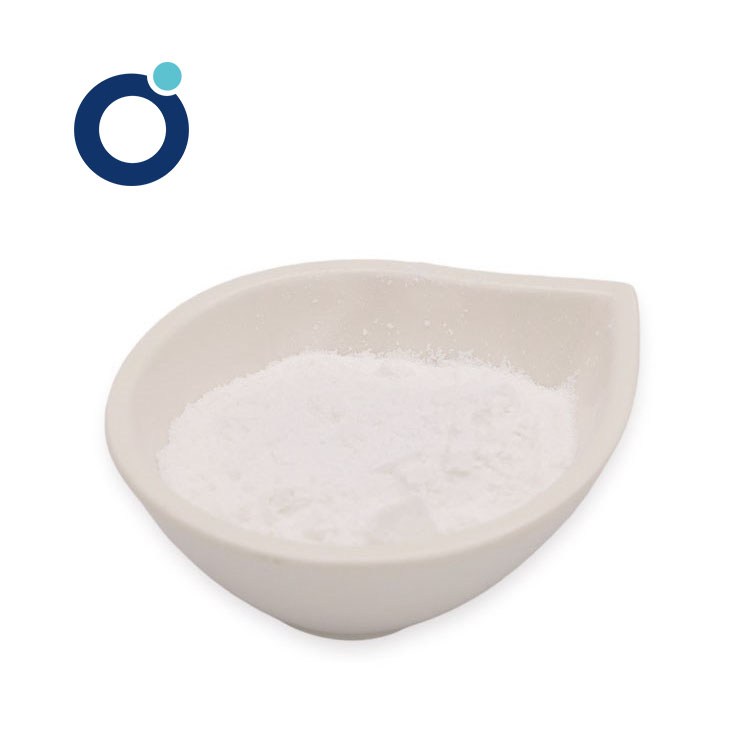
Fluoride Removal Zeolite JZ-D4ZT
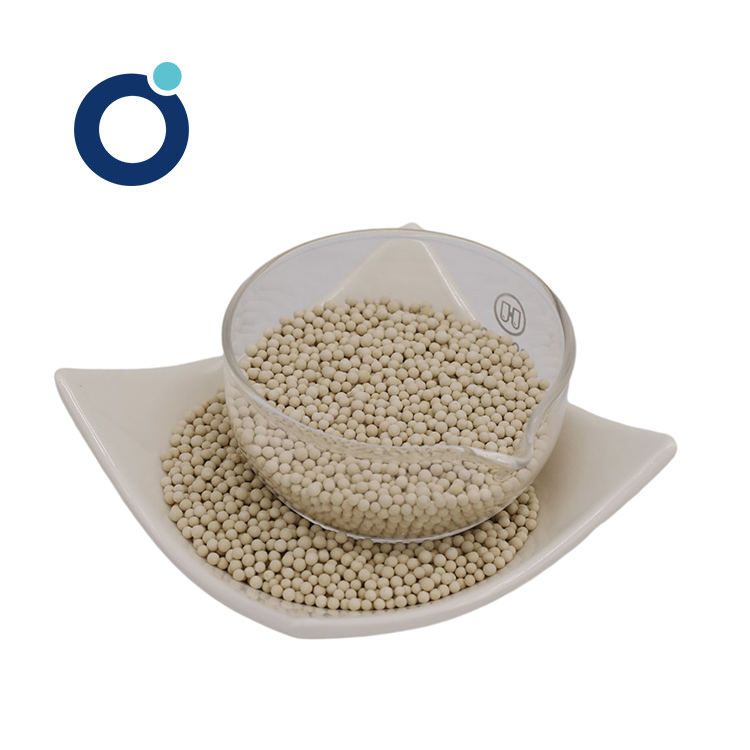
Purification Molecular Sieve JZ-ZMS3
Defluoridation DuraChem AM-4S