
Featured Molecular Sieve & Adsorbent Solutions
Engineered for extreme environments in petrochemical dehydration, separation, and purification.
The Critical Role of Molecular Sieves in Petrochemical Refining
In the modern petrochemical landscape, the demand for high-purity feedstocks has never been more pressing. Petrochemical refining involves complex thermal and catalytic cracking processes that transform crude fractions into valuable building blocks such as ethylene, propylene, butadiene, and BTX aromatics. However, these processes are highly sensitive to contaminants. Moisture, sulfur compounds, carbon dioxide, and trace polar impurities can poison expensive catalysts, cause downstream corrosion, and lead to hydrate formation in cryogenic separation units. This is where high-performance molecular sieves, historically pioneered by industry leaders like Grace, play an indispensable role.
Molecular sieves are synthetic crystalline aluminosilicates (zeolites) characterized by highly uniform pore structures. Their unique ability to selectively adsorb molecules based on size and polarity makes them the preferred choice for deep dehydration and purification. In petrochemical plants, these adsorbents operate under extreme thermal swing adsorption (TSA) or pressure swing adsorption (PSA) cycles, requiring exceptional mechanical strength, hydrothermal stability, and adsorption kinetics to ensure continuous, trouble-free plant operation.
“Optimizing molecular sieve performance directly translates to reduced energy consumption, extended catalyst lifetimes, and minimized unplanned downtime in multi-billion dollar refining complexes.”
Commercial & Industrial Landscape of Petrochemical Adsorbents
The global market for petrochemical-grade molecular sieves is experiencing robust growth, driven by the expansion of ethylene cracking capacities in the Middle East, North America, and Asia-Pacific. With the shale gas revolution providing abundant ethane feedstocks, the scale of steam crackers has scaled up dramatically. Larger plants process larger volumes of gas, requiring larger adsorbent beds that must perform reliably over years of thermal cycling.
Commercially, operators are shifting from standard commodity zeolites to high-engineered formulations. The focus is on maximizing the "operating capacity" rather than just the equilibrium capacity. This means molecular sieves must maintain their structural integrity and pore volume even after hundreds of high-temperature regenerations (typically between 200°C and 320°C). Furthermore, the reduction of green-popcorn polymer formation during olefins drying has become a primary commercial objective, prompting manufacturers to develop low-reactivity binders and optimized pore geometry.
Deep-Dive Application Scenarios in Modern Refineries
1. Ethylene and Propylene Cracked Gas Drying
Ethylene is the cornerstone of the petrochemical industry. During steam cracking, the cracked gas contains significant amounts of water. Before this mixture enters the cryogenic fractionation train (where temperatures drop below -100°C to separate ethylene, methane, and hydrogen), moisture must be reduced to less than 0.1 ppmv. If moisture is not removed, it will form solid hydrates, plugging columns and heat exchangers, leading to catastrophic plant shutdowns.
The primary challenge in cracked gas drying is preventing the co-adsorption and subsequent polymerization of unsaturated hydrocarbons (like ethylene, propylene, and butadiene) inside the zeolite pores. A specialized 3A molecular sieve, with a controlled pore opening of approximately 3 Ångstroms, is utilized. This pore size allows water molecules (diameter ~2.8 Å) to enter and be adsorbed while strictly excluding larger ethylene molecules (diameter ~3.9 Å). This kinetic exclusion prevents coking and green oil formation, ensuring long-term bed activity.
2. Natural Gas Dehydration and LNG Pre-treatment
Petrochemical plants often utilize natural gas liquids (NGL) as feedstock. Natural gas contains water, carbon dioxide, and hydrogen sulfide. Prior to liquefaction (LNG) or NGL extraction, these compounds must be rigorously removed. A typical system uses a combination of 4A molecular sieves (for deep water removal) and 13X molecular sieves (for simultaneous removal of carbon dioxide and trace sulfur compounds like mercaptans).
In these setups, the molecular sieve bed must handle high operating pressures (often exceeding 50 bar) and varying feed compositions. The hydrothermal stability of the zeolite crystal structure is paramount here, as the presence of high-pressure steam during the regeneration phase can cause structural collapse of less stable zeolites.
3. Reformate and Liquid Hydrocarbon Isomerization
In catalytic reforming and isomerization processes, trace moisture is a poison to the highly active platinum/chlorided alumina catalysts. Molecular sieves are installed in the feed lines to dry liquid hydrocarbons (such as isomerate, reformate, or benzene feeds) down to sub-ppm levels. Liquid-phase dehydration requires adsorbents with rapid adsorption kinetics to overcome boundary-layer mass transfer resistance, ensuring that the mass transfer zone (MTZ) remains as narrow as possible, maximizing the utilization of the adsorbent bed.
4. Hydrogen Purification via Pressure Swing Adsorption (PSA)
Hydrogen is widely used in hydrotreating and hydrocracking processes within refineries to remove sulfur and saturate aromatics. The off-gases from these units, rich in hydrogen but contaminated with methane, ethane, CO, and CO2, are processed in PSA systems. A multi-bed PSA system uses a layer of activated alumina or silica gel for moisture removal, followed by 5A and 13X molecular sieves to adsorb nitrogen, carbon monoxide, and light hydrocarbons, yielding hydrogen purities exceeding 99.999%.
Key Trends Shaping the Future of Zeolite Adsorption
As the petrochemical industry aligns with global net-zero carbon goals, the design and operation of molecular sieve systems are undergoing significant evolution. Three primary trends are shaping the future of this technology:
Energy-Efficient Regeneration
Traditional TSA systems consume vast amounts of fuel gas to heat the regeneration stream. New molecular sieve formulations focus on lower regeneration temperatures and faster heat-transfer characteristics, enabling operators to shorten cycle times and reduce the thermal footprint of the purification unit.
High-Attrition Resistance
Mechanical degradation of molecular sieve beads leads to dusting, which increases pressure drop across the bed and restricts gas flow. Modern binder technologies are engineered to provide superior crush strength, preventing attrition even under rapid pressure changes in PSA systems.
Customized Pore Architectures
With advanced synthesis techniques, manufacturers can now tailor the zeolitic framework at the molecular level, creating hierarchical pore structures that combine micropores (for high capacity) with mesopores (for rapid diffusion rates).
INTRODUCTION & COMPANY PROFILE
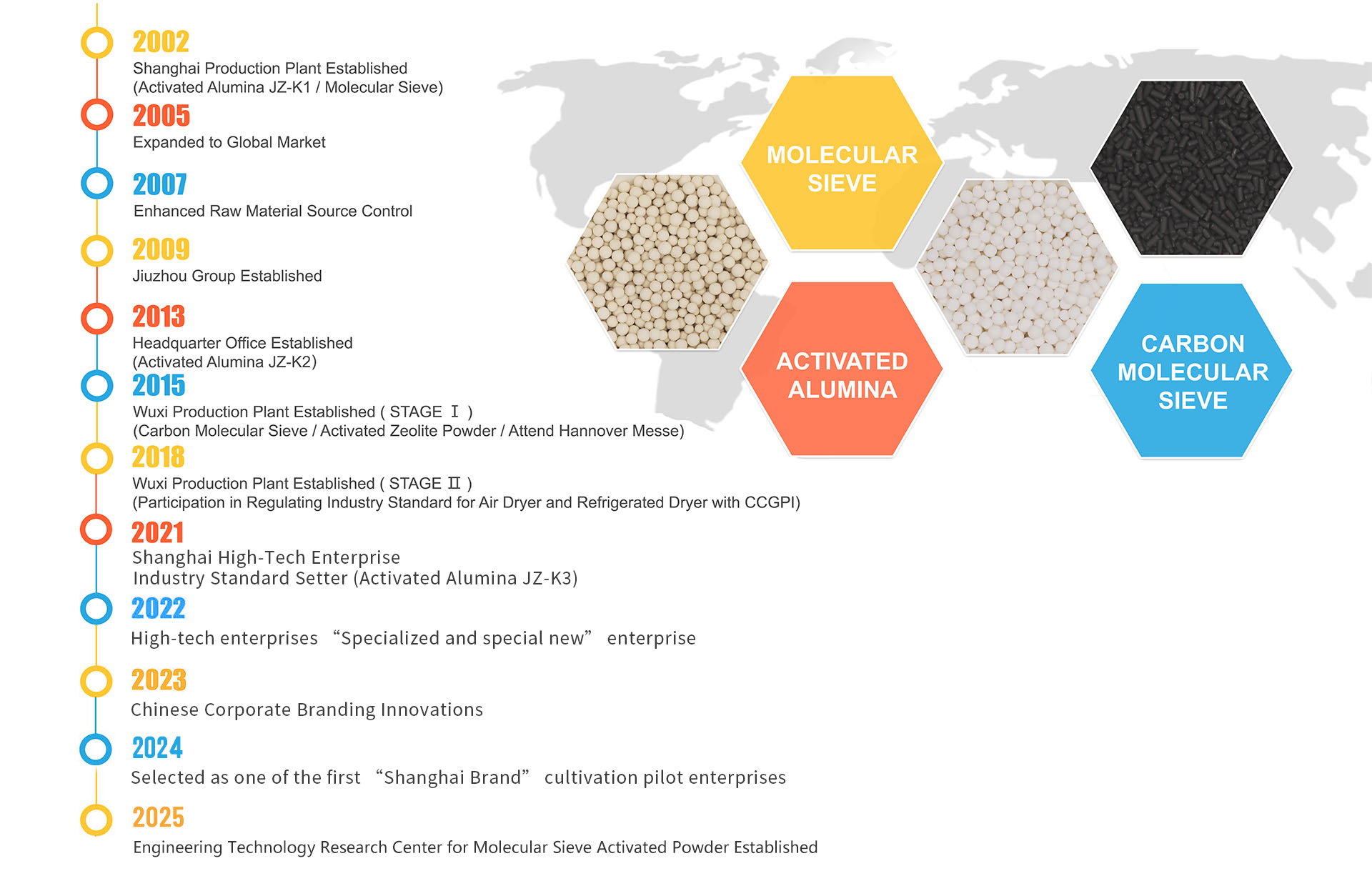
Shanghai Jiuzhou Chemicals Co., Ltd. Located in the biggest Economic Development city Shanghai. Over the years Jiuzhou has always adhered to the “quality control, innovation “principles, committed to the development, research, manufacturing of high quality innovative chemical products. Our main products includes various molecular sieve powders, molecular sieves, activated powder, activated alumina, aluminum oxide catalysts, different types of alumina packing and ceramic balls, sodium silicates, aluminum hydroxide,zeolite 4A, sodium carbonates, SLES, etc. Our all products passed the ISO9001: 2008 quality management system certification and TUV & SGS Certification.
Jiuzhou factory has a professional and world-class research team and experts in chemical product resources.We use the best in international prodution technonlogy and professional production equipment, constructed in line with national standards and by the large multipurpose plant monitoring, analysis instrument composition the central laboratory. And in quality inspection aspect Jiuzhou have controlled and that products meet international standards.
Jiuzhou's technical strength and industry reputation are leading the industry in the field f desiccants, with senior experts and technical reserves, automated multi-unctional production workshops, and a central laboratory and dynamic laboratory composed of large-scale monitoring and analysis instruments. It is in quality control And in terms of supporting services, a set of scientific and complete operating system has been established Joozeo products are exported to all parts of the world, and have established a distribution network in the United States, Southeast Asia, Japan, Europe, North and South America, the Middle East and other places to provide parthers with high-quality products, customized services, and more eneray-saving and environmentally friendly adsorption solutions.
Our Complete Petrochemical Adsorption Portfolio
Explore our full range of molecular sieves, silica gels, and specialty chemical products engineered for global refining applications.
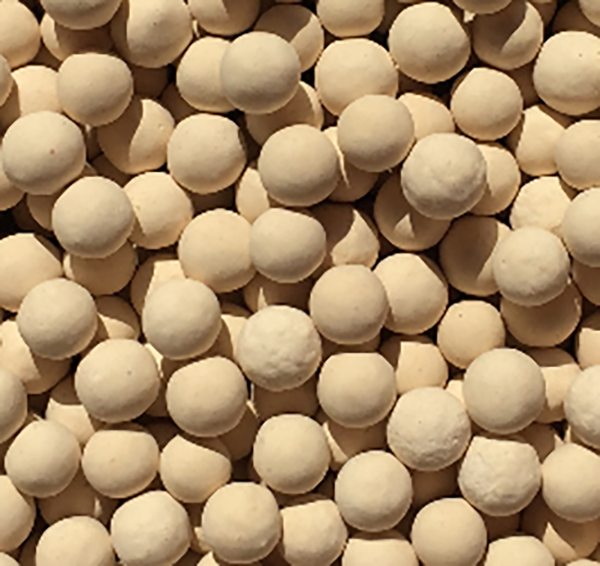 JooSorb ZA-40 Petrochemical Grade Catalyst Support
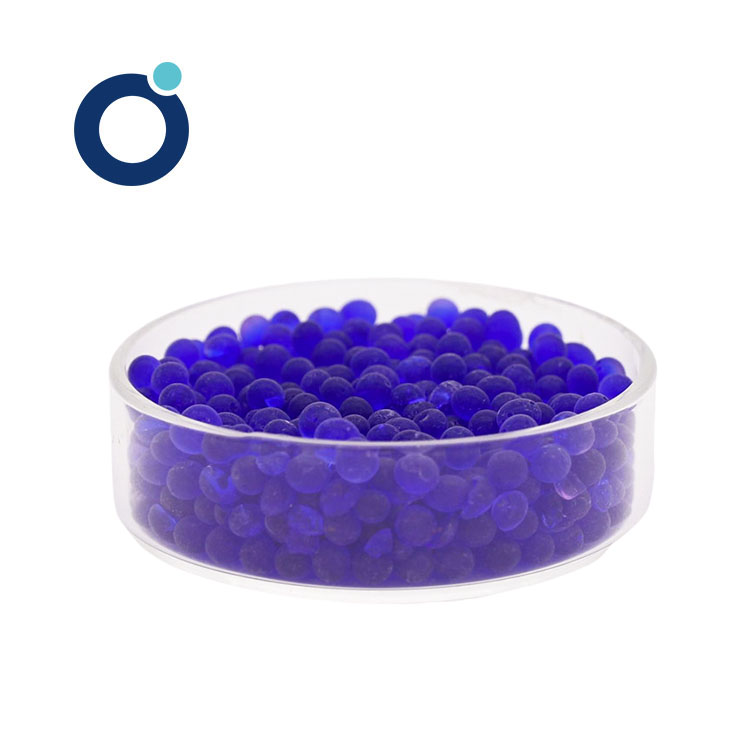 Silica Gel JZ-SG-B Refining Grade Desiccant
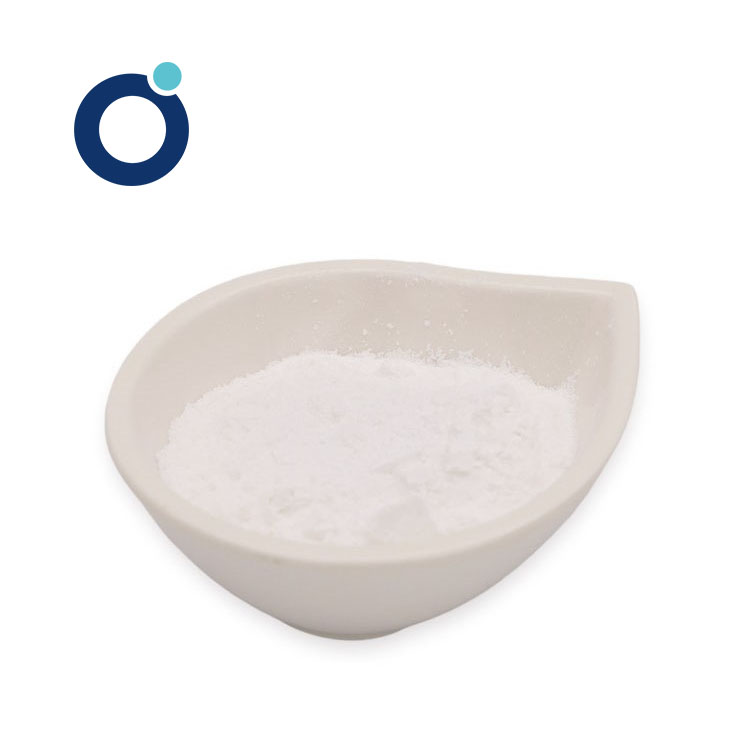 Molecular Sieve JZ-AZ Deep Dehydration Adsorbent
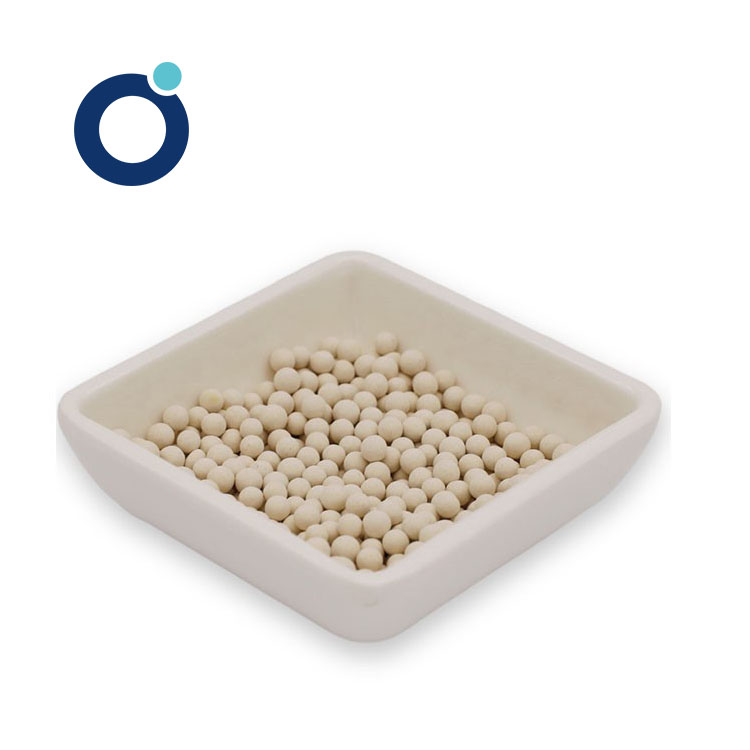 Molecular Sieve JZ-ZAC Hydrocarbon Purification Zeolite
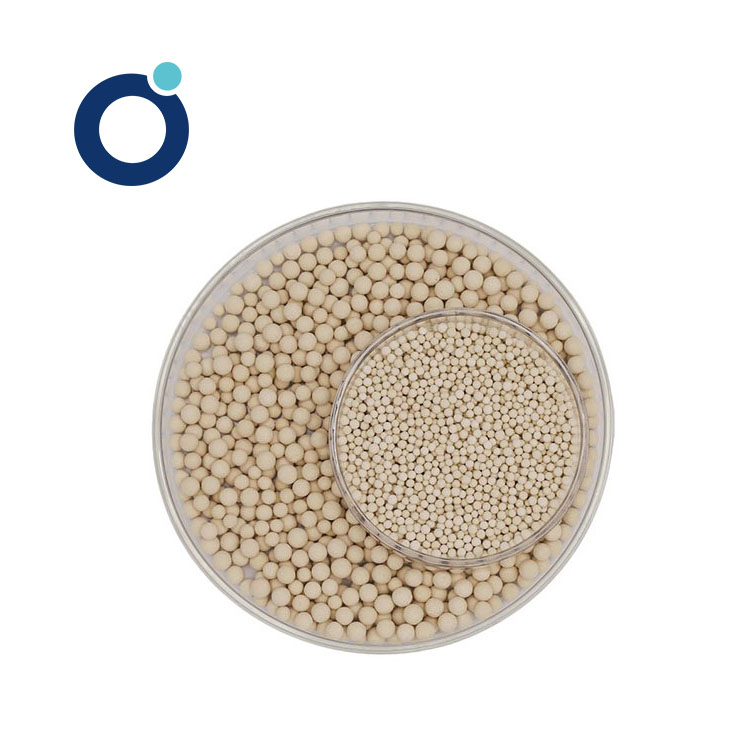 Molecular Sieve JZ-3ZAS Ethylene Drying Zeolite
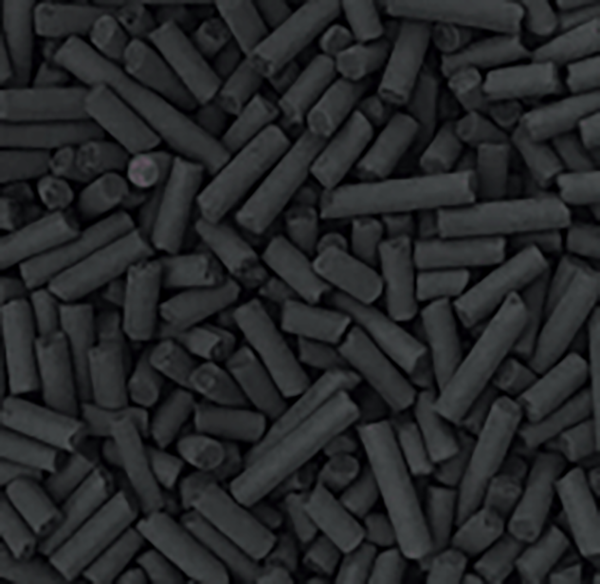 DuraChem CSM-12 Petrochemical Acid Scavenger
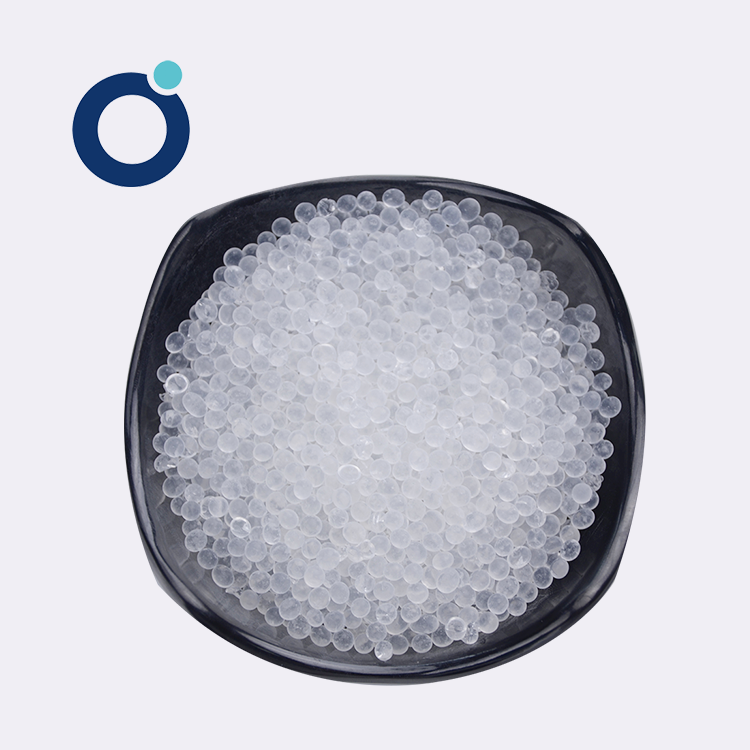 Silica Gel JZ-CSG Gas Sweetening Adsorbent
 Molecular Sieve Powder JZ-ZT Catalytic Cracking Additive