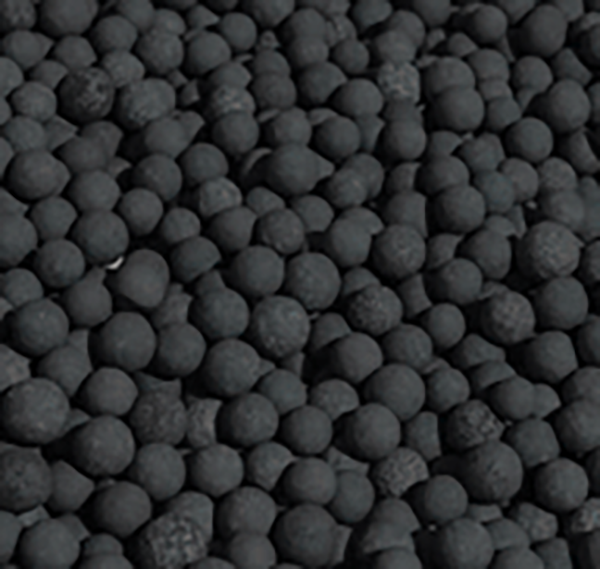
The Critical Challenge of Fluoride Contamination in Global Water Resources
Fluoride is a naturally occurring element found in various concentrations within the Earth's crust. While trace levels of fluoride are beneficial for dental health, excessive exposure through drinking water poses severe risks to human health, including dental fluorosis, skeletal fluorosis, joint stiffness, and neurological disorders. According to the World Health Organization (WHO), the permissible limit for fluoride in drinking water is established at 1.5 mg/L. However, millions of people worldwide across regions like East Africa, the Middle East, South Asia, and parts of the Americas are exposed to groundwater containing fluoride concentrations far exceeding this safe threshold.
Addressing this global challenge requires robust, scalable, and economically viable technologies. Among the array of chemical, physical, and biological treatment methods, adsorption remains the most widely adopted due to its simplicity, cost-effectiveness, and high efficiency. In this landscape, the Grace Molecular Sieve for water defluoridation has emerged as a groundbreaking class of synthetic adsorbents, offering unprecedented selectivity, high capacity, and structural stability compared to conventional media.
Why Selectivity Matters in Defluoridation
Unlike general adsorbents, Grace Molecular Sieves are engineered with specific pore sizes and surface chemistry to selectively target fluoride ions even in the presence of competing anions like sulfates, chlorides, and bicarbonates.
The Science and Mechanism of Grace Molecular Sieve in Water Defluoridation
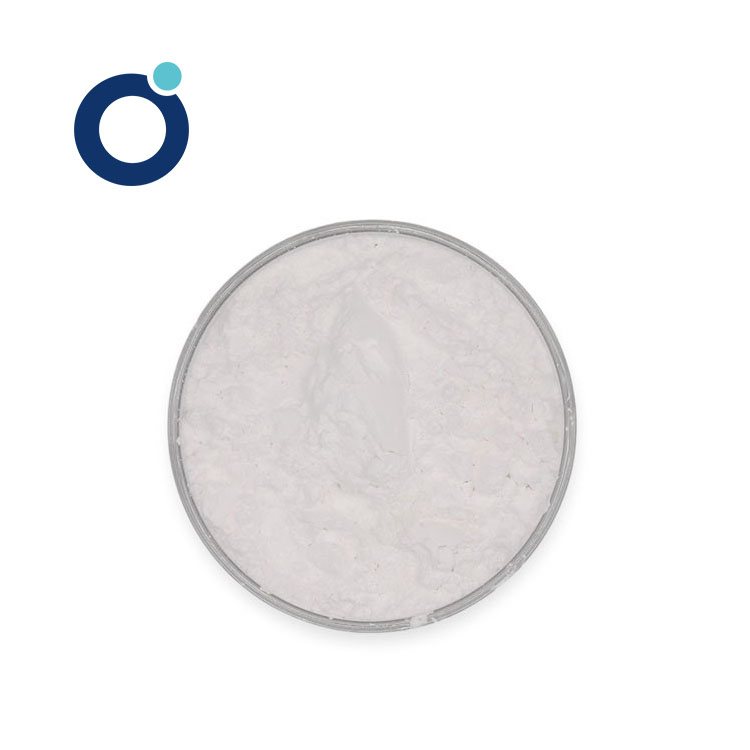
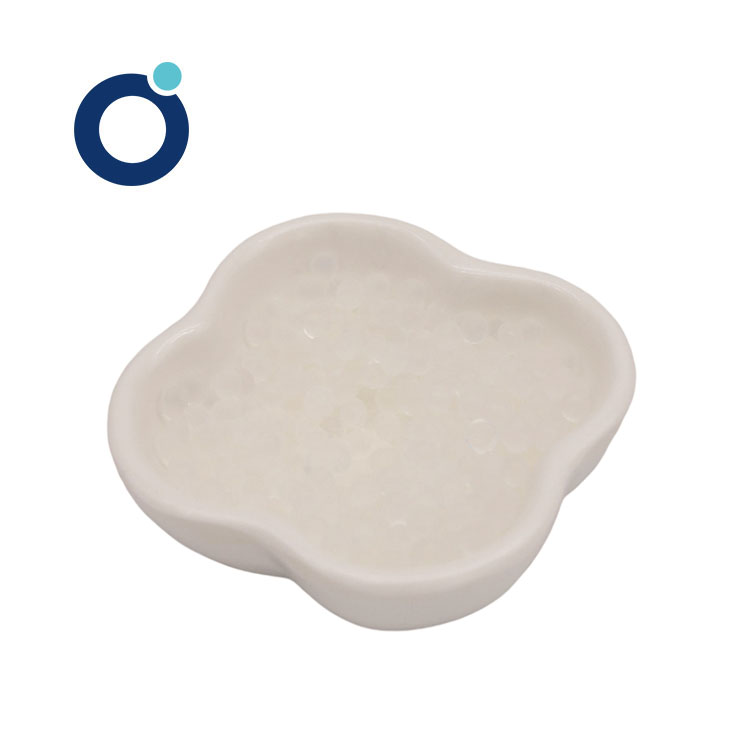
Molecular sieves are crystalline aluminosilicates characterized by highly ordered, three-dimensional porous networks. The framework consists of SiO4 and AlO4 tetrahedra linked by shared oxygen atoms. This structure yields uniform pore diameters of molecular dimensions, allowing the material to selectively adsorb molecules based on size, shape, and polarity.
For water defluoridation, the unmodified framework of standard zeolites often exhibits limited capacity due to the negative charge of the aluminosilicate lattice, which naturally repels anionic species like fluoride (F-). To overcome this, Grace Molecular Sieves are modified through advanced surface engineering. This typically involves:
- Metal Ion Exchange: Introducing multivalent metal cations such as Aluminum (Al3+), Iron (Fe3+), Zirconium (Zr4+), or Lanthanum (La3+) into the zeolite cavities. These ions act as active coordination sites with high affinity for fluoride.
- Electrostatic Attraction and Ligand Exchange: The positively charged metal sites attract the highly electronegative fluoride ions. The fluoride ions subsequently replace hydroxyl groups or other weak ligands coordinated to the metal centers, forming stable metal-fluoride complexes.
- Pore Size Optimization: Tailoring the pore openings to match the hydrated radius of fluoride ions, facilitating rapid intraparticle diffusion while excluding larger organic pollutants.
Industrial & Commercial Landscape of Defluoridation Technologies
The commercial market for water defluoridation has evolved rapidly over the past decade. Driven by stringent environmental regulations and rising public health awareness, municipal authorities and industrial operators are shifting from low-cost, low-performance media to advanced engineered materials.
Traditionally, activated alumina has been the industry standard for fluoride removal. However, it suffers from several drawbacks: limited operational pH range (optimally 5.5 to 6.5, requiring acid pre-treatment and subsequent neutralization), low capacity in the presence of competing ions, and structural degradation over repeated regeneration cycles.
The commercial introduction of modified Grace Molecular Sieves addresses these critical pain points. Industrially, these molecular sieves are deployed in automated, high-throughput column reactors. Their superior mechanical strength prevents attrition and pressure drops within the beds, extending the operational lifespan to several years. From a commercial standpoint, although the initial capital expenditure (CAPEX) for molecular sieves can be higher than activated alumina, the significantly lower operating expenditure (OPEX)—achieved through longer run times, reduced regeneration chemical consumption, and lower waste generation—delivers a superior return on investment (ROI).
Industrial Performance Indicators
Grace Molecular Sieves maintain stable performance across a wide pH range (5.0 to 9.0), eliminating the need for extensive chemical pH adjustment before and after the filtration process.
Deep Dive: Diverse Application Scenarios
The versatility of Grace Molecular Sieve technology allows it to be integrated into diverse water treatment architectures:
1. Municipal Drinking Water Treatment Plants: In regions with geogenic fluoride contamination, municipal plants utilize large-scale vertical pressure vessels packed with molecular sieves. The system design often features lead-lag configurations, ensuring continuous operation during regeneration phases. The high adsorption kinetics of these molecular sieves allow for higher space velocities (flow rates), reducing the physical footprint of the treatment facility.
2. Industrial Wastewater Remediation: Industries such as semiconductor manufacturing, glass etching, electroplating, and chemical fertilizer production generate wastewater with extremely high fluoride concentrations (often exceeding 1000 mg/L). In these harsh environments, Grace Molecular Sieves are used as a polishing step following primary precipitation (calcium fluoride precipitation) to reduce residual fluoride to compliant discharge levels (typically below 5-10 mg/L).
3. Rural and Decentralized Water Systems: In developing nations, centralized infrastructure is often absent. Here, community-level gravity filtration units filled with modified molecular sieves provide a reliable, electricity-free solution for clean drinking water. The material’s resistance to biofouling and ease of operation make it ideal for remote deployments.
Comparative Analysis: Molecular Sieves vs. Alternative Media
To understand the competitive advantage of Grace Molecular Sieves, it is essential to compare them against alternative defluoridation technologies:
As demonstrated, modified molecular sieves offer a superior balance of capacity, operational flexibility, and longevity, positioning them as the premium choice for modern water treatment engineering.
Future Trends and Technological Innovations
The future of molecular sieve defluoridation lies in nanotechnology and hybrid materials. Researchers are currently focusing on developing nano-structured zeolites that offer exponentially higher surface areas, thereby increasing the density of active adsorption sites.
Another promising trend is the synthesis of "smart" molecular sieves that change color or electrical conductivity upon saturation, providing real-time telemetry on bed exhaustion without the need for manual water sampling. Furthermore, green chemistry initiatives are driving the synthesis of molecular sieves from industrial waste products, such as coal fly ash and rice husk silica, reducing the environmental footprint of the adsorbent manufacturing process itself.
AI-Driven Material Engineering
Advanced computational chemistry is now used to simulate and predict the optimal pore topologies and metal-loading patterns for maximum fluoride binding affinity, accelerating the development of next-generation adsorbents.
About Shanghai Jiuzhou Chemicals Co., Ltd.
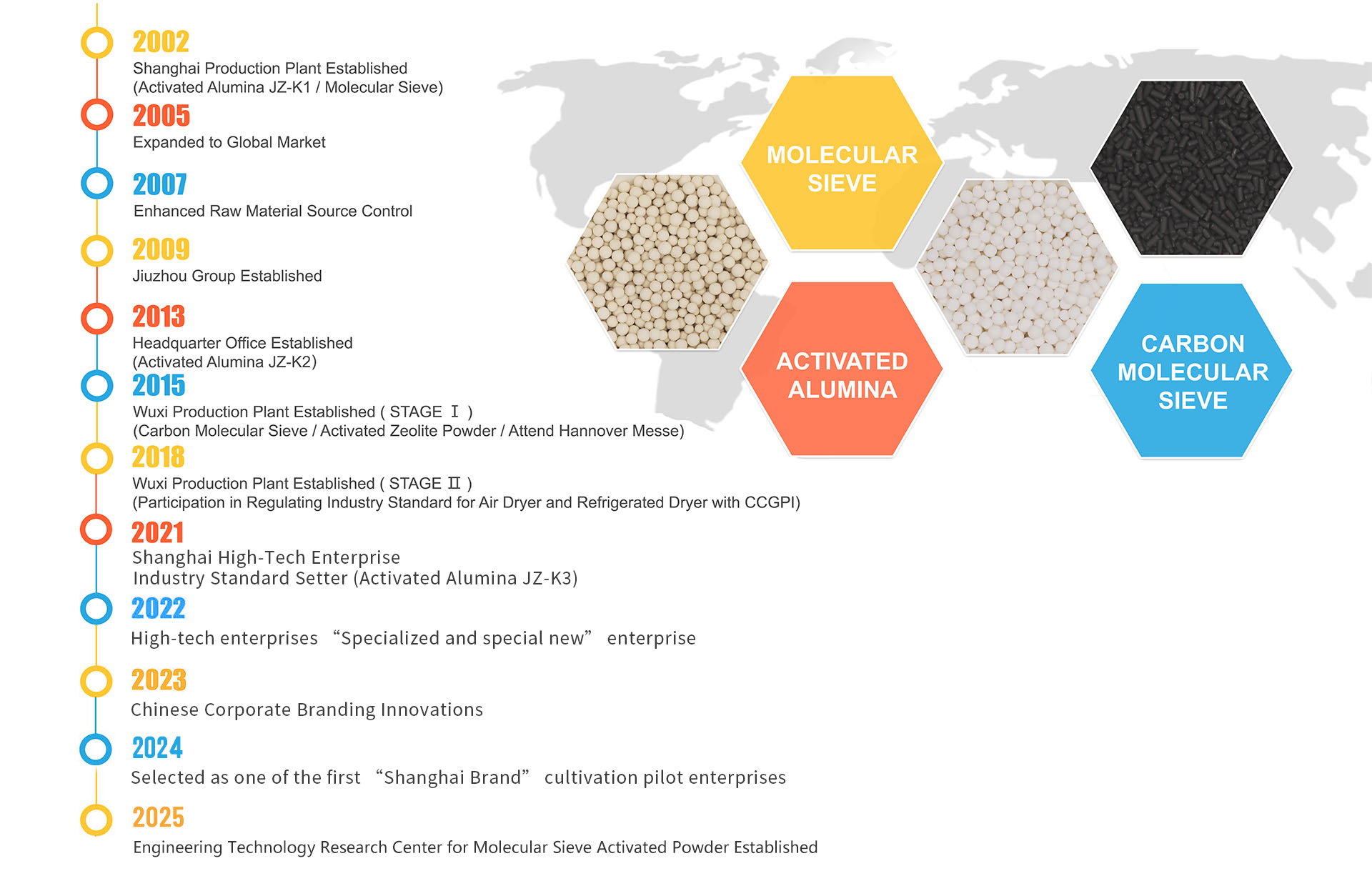
Shanghai Jiuzhou Chemicals Co., Ltd. Located in the biggest Economic Development city Shanghai. Over the years Jiuzhou has always adhered to the “quality control, innovation “principles, committed to the development, research, manufacturing of high quality innovative chemical products. Our main products includes various molecular sieve powders, molecular sieves, activated powder, activated alumina, aluminum oxide catalysts, different types of alumina packing and ceramic balls, sodium silicates, aluminum hydroxide,zeolite 4A, sodium carbonates, SLES, etc. Our all products passed the ISO9001: 2008 quality management system certification and TUV & SGS Certification.
Jiuzhou factory has a professional and world-class research team and experts in chemical product resources.We use the best in international prodution technonlogy and professional production equipment, constructed in line with national standards and by the large multipurpose plant monitoring, analysis instrument composition the central laboratory. And in quality inspection aspect Jiuzhou have controlled and that products meet international standards.
Jiuzhou's technical strength and industry reputation are leading the industry in the field of desiccants, with senior experts and technical reserves, automated multi-functional production workshops, and a central laboratory and dynamic laboratory composed of large-scale monitoring and analysis instruments. It is in quality control And in terms of supporting services, a set of scientific and complete operating system has been established Joozeo products are exported to all parts of the world, and have established a distribution network in the United States, Southeast Asia, Japan, Europe, North and South America, the Middle East and other places to provide partners with high-quality products, customized services, and more energy-saving and environmentally friendly adsorption solutions.