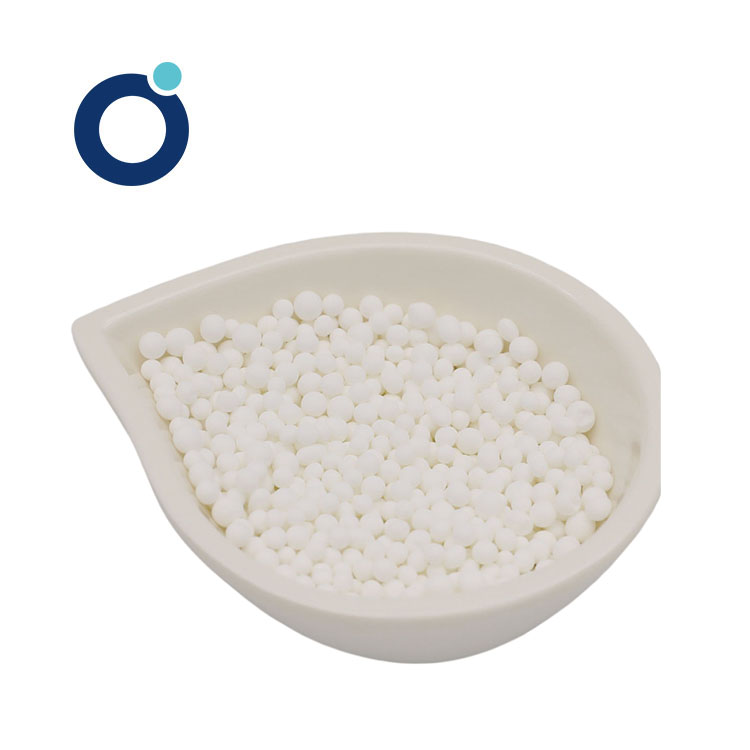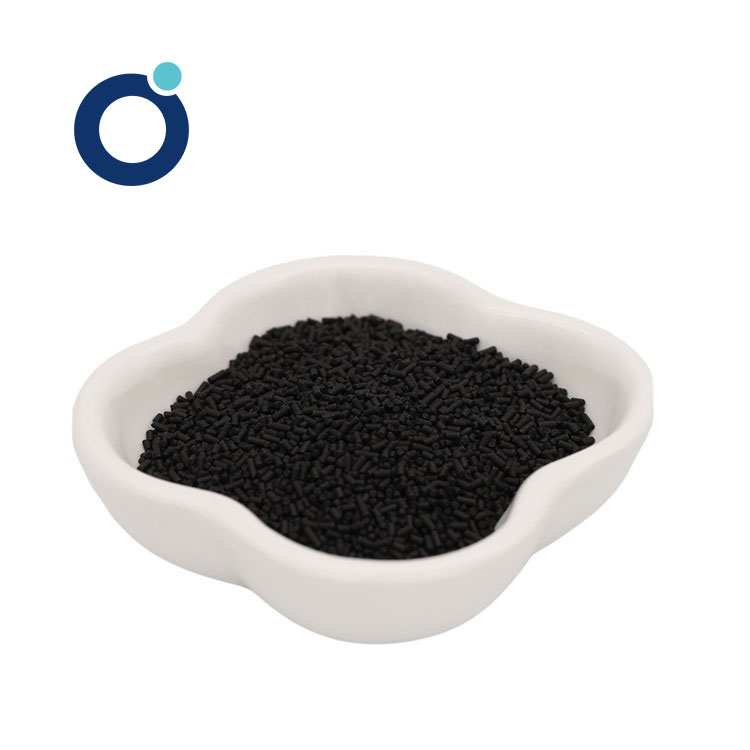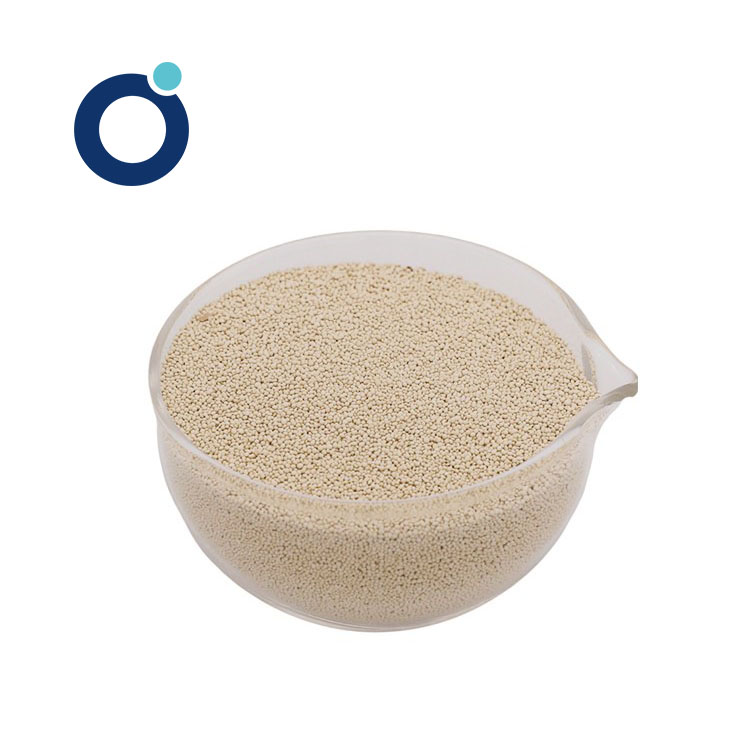
Featured Arsenic Removal Solutions
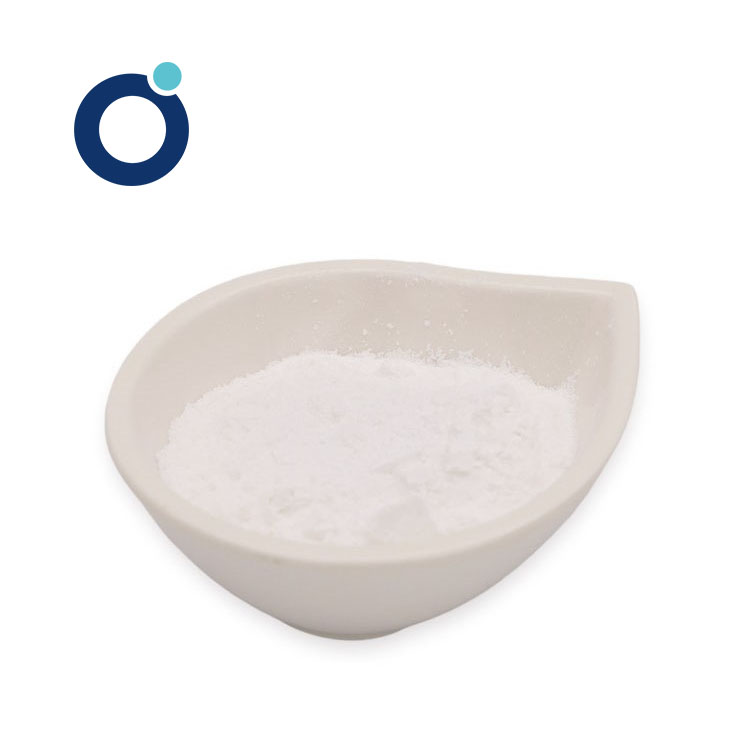
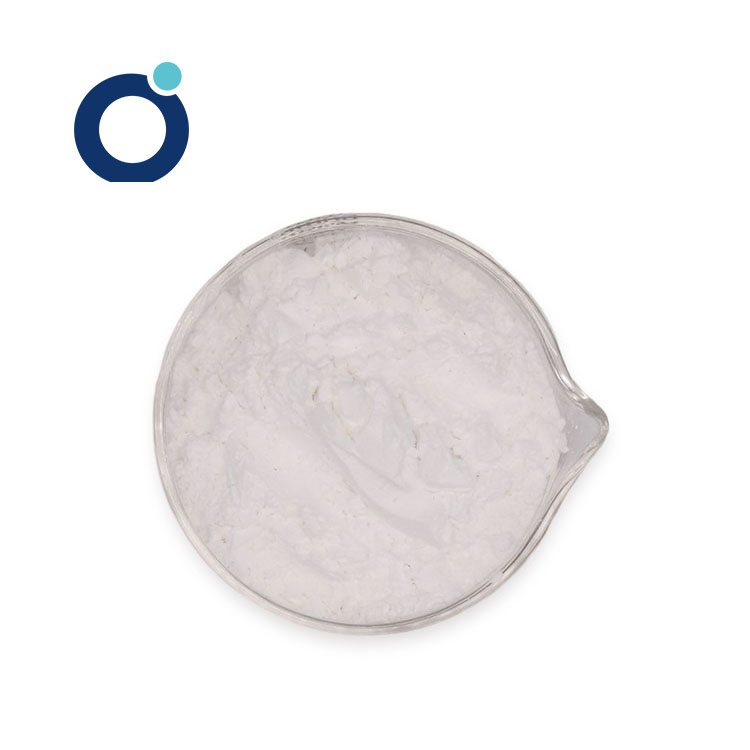
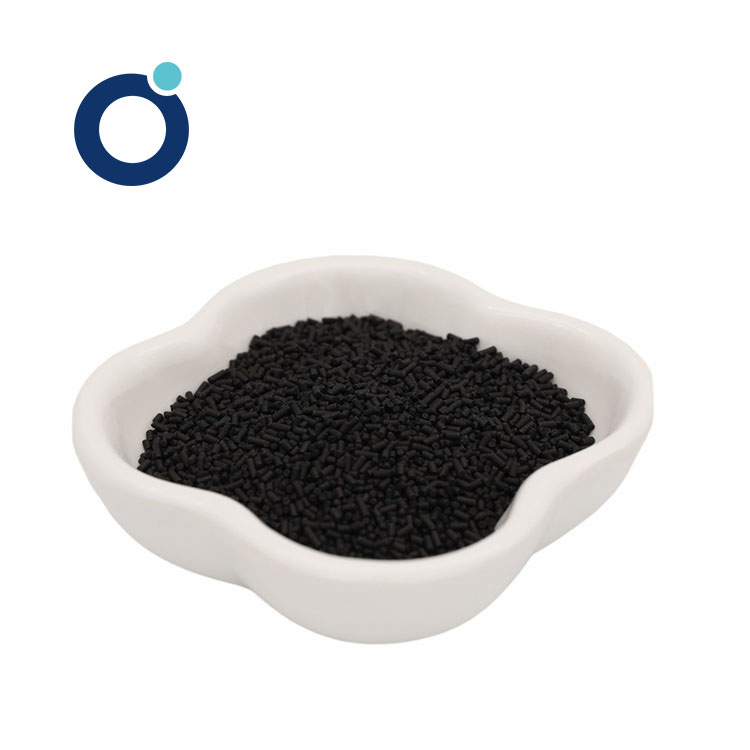
Explore our high-performance molecular sieves and chemical agents specifically optimized for selective heavy metal adsorption and water purification processes.
The Global Challenge of Arsenic Contamination in Water
Arsenic contamination in groundwater is a critical global public health issue, affecting millions of people across continents, particularly in regions like South Asia, South America, and parts of North America. Arsenic is a highly toxic metalloid that enters water supplies through natural geological weathering of arsenic-rich rocks, volcanic activity, and anthropogenic processes such as mining, pesticide application, and industrial waste disposal. Prolonged ingestion of arsenic-contaminated water even at low concentrations leads to severe health implications, including arsenicosis, skin lesions, cardiovascular diseases, and various forms of cancer (lung, bladder, and skin).
Consequently, regulatory bodies such as the World Health Organization (WHO) and the United States Environmental Protection Agency (EPA) have established a stringent Maximum Contaminant Level (MCL) of 10 micrograms per liter (10 ppb) for arsenic in drinking water. Achieving this low threshold requires highly efficient, cost-effective, and robust water treatment technologies. Among the various methods available—such as coagulation-flocculation, membrane filtration, and ion exchange—adsorption stands out as the most viable option due to its simplicity, high efficiency, and minimal sludge generation. Over the past decade, Molecular Sieve 5A has emerged as a revolutionary adsorbent for selective arsenic removal.
Critical Health Hazard Warning
Arsenic is classified as a Group 1 human carcinogen. Reducing levels to below 10 ppb is mandatory for municipal and industrial water supplies. Molecular Sieve 5A provides the micro-porous structure required to trap these dangerous ions effectively.
Understanding Molecular Sieve 5A and Its Chemical Structure
Molecular Sieve 5A is a calcium-rich, synthetic crystalline aluminosilicate zeolite with an effective pore opening of approximately 5 Angstroms (0.5 nm). Chemically represented as a divalent calcium exchange form of the Type A zeolite structure, its framework consists of interconnected tetrahedra of silica (SiO4) and alumina (AlO4). The presence of calcium ions (Ca2+) instead of sodium ions (Na+) yields a larger pore aperture compared to Molecular Sieve 4A, allowing molecules with kinetic diameters larger than 4Å but smaller than 5Å to enter the internal crystalline cavities.
This precise pore structure, combined with a high internal surface area and strong electrostatic fields generated by the framework cations, makes Molecular Sieve 5A an exceptional candidate for selective adsorption. In the context of aqueous solutions, the surface chemistry of the zeolite can be modified or utilized directly to target specific ionic species. The structural stability of the 5A zeolite ensures that it remains intact under varying hydraulic pressures and pH conditions typical of industrial water treatment plants.
Key Structural Advantages of 5A Molecular Sieves
The unique framework of Molecular Sieve 5A offers unparalleled advantages in water treatment systems over traditional activated carbon or sand filtration media:
- Uniform Pore Size (5 Ångströms): Prevents fouling by larger organic macromolecules while allowing target ions to enter the active adsorption sites.
- High Ion-Exchange Capacity: The presence of exchangeable calcium ions facilitates the electrostatic binding of arsenic complexes.
- Thermal and Chemical Stability: Can withstand aggressive regeneration cycles and chemical washes without structural degradation.
- Eco-Friendly Composition: Non-toxic aluminosilicate base ensures no secondary contamination of the treated water stream.
The Mechanism of Arsenic Adsorption on Molecular Sieve 5A
Arsenic primarily exists in two inorganic forms in natural water sources: Arsenite [As(III)] and Arsenate [As(V)]. As(III) is predominantly uncharged at neutral pH levels (as arsenious acid, H3AsO3), making it particularly difficult to remove using standard ion-exchange resins. As(V), on the other hand, exists as negatively charged species (H2AsO4- and HAsO42-) within typical drinking water pH ranges (6.5 to 8.5).
The mechanism of arsenic removal using Molecular Sieve 5A involves a combination of physical adsorption, electrostatic attraction, and surface complexation. To maximize the efficiency of 5A zeolites, they are frequently pre-treated or impregnated with transition metal oxides (such as iron, manganese, or zirconium oxides). The metal oxides form a high-affinity coating on the zeolite's massive internal surface area.
When arsenic-laden water passes through the bed of Molecular Sieve 5A, the negatively charged As(V) species are attracted to the positively charged metal-cation sites within the 5Å pores. This forms stable inner-sphere surface complexes. For As(III), a pre-oxidation step (often using mild oxidants or catalytic surfaces) converts it to As(V) to guarantee maximum removal efficiency, achieving residual arsenic levels well below the 10 ppb regulatory limit.
Commercial and Industrial Status of Arsenic Mitigation
The commercial landscape for arsenic removal technologies has witnessed explosive growth over the last decade. Rapid industrialization, combined with strict environmental enforcement by governments worldwide, has forced industries to adopt advanced zero-liquid-discharge (ZLD) schemes and highly efficient polishing steps. In sectors such as mining, metallurgy, and chemical manufacturing, wastewater streams often contain toxic levels of arsenic alongside other heavy metals.
Molecular Sieve 5A has established a strong commercial foothold as a premium adsorbent due to its high efficiency-to-cost ratio. Large-scale municipal water treatment plants are transitioning from traditional coagulant-based systems—which produce massive amounts of hazardous sludge—to fixed-bed adsorption columns filled with engineered zeolite media. The market demand is highly driven by the ease of operation, as adsorption columns require minimal operator intervention and can be easily automated using modern AI-driven flow-monitoring systems.
Furthermore, commercial suppliers are focusing on providing spherical, high-crush-strength molecular sieve beads that prevent pressure drops in deep bed filters, ensuring continuous, high-throughput water processing.
Future Trends and Technological Advancements
The future of water purification lies in the convergence of nanotechnology and materials science. Researchers and engineers are actively developing hybrid molecular sieves that incorporate nano-structured iron oxyhydroxides directly into the zeolite matrix during the crystallization phase. This "nano-composite" approach significantly increases the density of active adsorption sites, resulting in a three-fold increase in arsenic adsorption capacity compared to standard 5A zeolites.
Another key trend is the development of circular economy models for spent adsorbents. Once a molecular sieve bed reaches its saturation capacity, it must be regenerated or safely disposed of. Emerging technologies utilize chemical regeneration cycles that strip the arsenic into a highly concentrated, low-volume stream, which can then be vitrified or stabilized into non-leachable solids, while the Molecular Sieve 5A is returned to service.
Additionally, the integration of smart sensors and IoT (Internet of Things) devices in adsorption systems allows real-time tracking of breakthrough curves, predicting exactly when a molecular sieve bed will require regeneration, thus optimizing operational costs.
Deep Dive: Application Scenarios in Water Purification
Molecular Sieve 5A is deployed across a wide spectrum of water treatment scenarios, each requiring specific engineering configurations to maximize performance:
1. Municipal Drinking Water
Large-scale municipal plants utilize multi-stage adsorption beds filled with 5A zeolites to treat groundwater supplies for entire cities, ensuring consistent compliance with WHO drinking water standards.
2. Industrial Effluent
Mining and electroplating facilities generate wastewater with complex chemical matrixes. Modified 5A molecular sieves selectively capture arsenic ions even in the presence of high concentrations of competing anions like sulfates and chlorides.
3. Point-of-Use (POU) Filters
For rural or decentralized communities lacking centralized infrastructure, compact point-of-use or point-of-entry cartridge filters containing Molecular Sieve 5A provide a reliable, low-maintenance solution for safe cooking and drinking water.
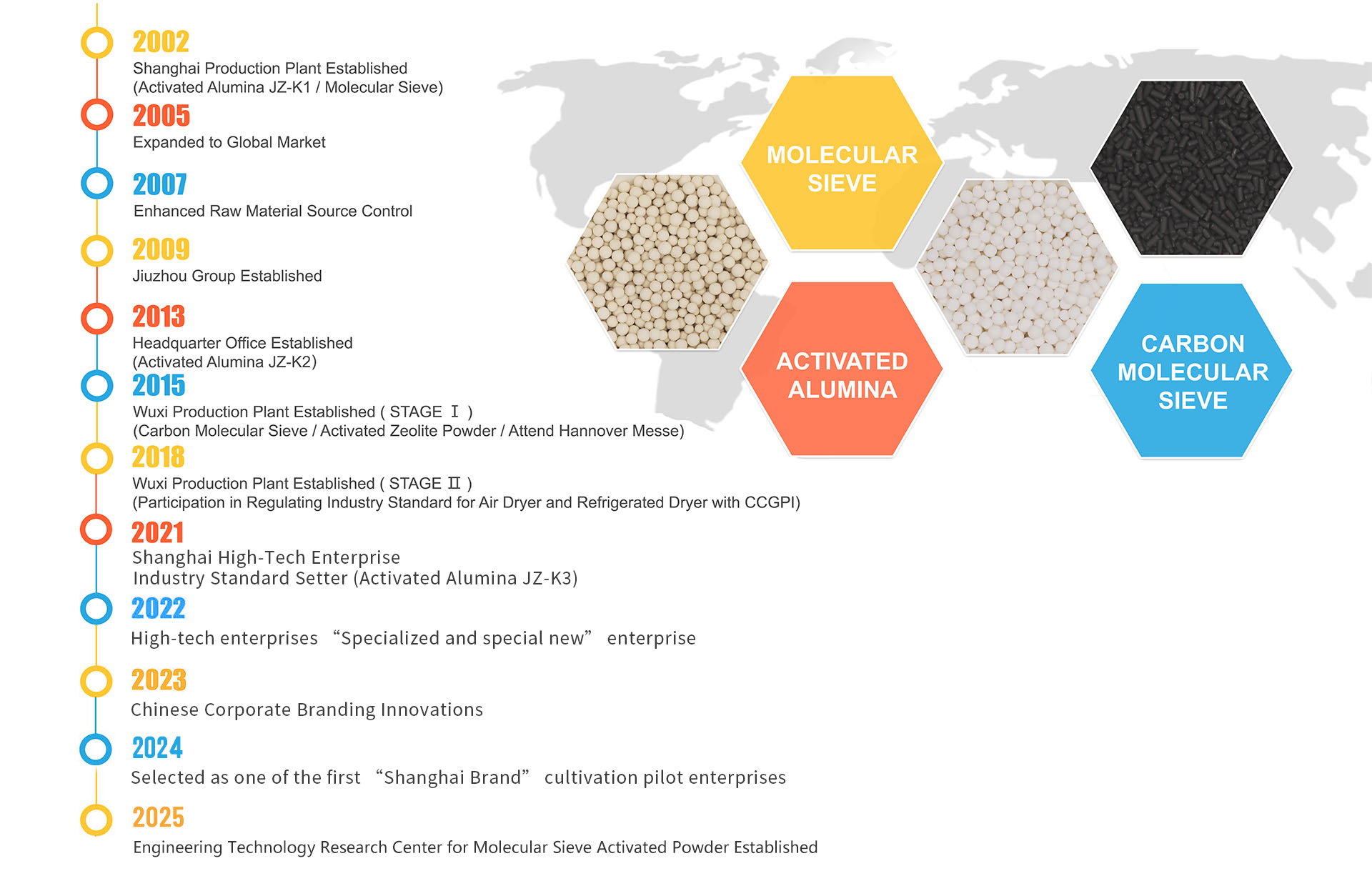
Shanghai Jiuzhou Chemicals Co., Ltd. — Industry Leader
Shanghai Jiuzhou Chemicals Co., Ltd. is located in the biggest Economic Development city, Shanghai. Over the years, Jiuzhou has always adhered to the "quality control, innovation" principles, committed to the development, research, and manufacturing of high-quality innovative chemical products. Our main products include various molecular sieve powders, molecular sieves, activated powder, activated alumina, aluminum oxide catalysts, different types of alumina packing and ceramic balls, sodium silicates, aluminum hydroxide, zeolite 4A, sodium carbonates, SLES, etc. All of our products have passed the ISO9001: 2008 quality management system certification and TUV & SGS Certification.
Jiuzhou factory has a professional and world-class research team and experts in chemical product resources. We use the best in international production technology and professional production equipment, constructed in line with national standards and by the large multipurpose plant monitoring, analysis instrument composition the central laboratory. And in quality inspection aspect, Jiuzhou has controlled and ensured that products meet international standards.
Jiuzhou's technical strength and industry reputation are leading the industry in the field of desiccants, with senior experts and technical reserves, automated multi-functional production workshops, and a central laboratory and dynamic laboratory composed of large-scale monitoring and analysis instruments. In terms of quality control and supporting services, a scientific and complete operating system has been established. Joozeo products are exported to all parts of the world, and we have established a distribution network in the United States, Southeast Asia, Japan, Europe, North and South America, the Middle East, and other places to provide partners with high-quality products, customized services, and more energy-saving and environmentally friendly adsorption solutions.
Our Complete Water Treatment & Adsorbent Portfolio