Featured Adsorption Technology Solutions
High-performance molecular sieves and media optimized for advanced water treatment, heavy metal separation, and environmental purification.
The Critical Need for Arsenic Removal in Global Water Systems
Arsenic contamination in groundwater is a severe global public health threat, affecting tens of millions of people worldwide. Found naturally in the Earth's crust, arsenic enters water supplies through geological dissolution, mining runoff, industrial wastewater discharge, and agricultural pesticide usage. Chronic exposure to arsenic, even at microgram-per-liter levels, is linked to severe health complications, including dermatological lesions, cardiovascular diseases, neurological disorders, and various forms of cancer (lung, bladder, and skin).
To mitigate these risks, the World Health Organization (WHO) and environmental protection agencies globally have established a strict Maximum Contaminant Level (MCL) of 10 micrograms per liter (ppb) for arsenic in drinking water. Meeting this stringent standard requires highly efficient, reliable, and cost-effective treatment technologies. Traditional water treatment processes, such as coagulation-flocculation, lime softening, and simple filtration, often fall short of removing arsenic to sub-ppb levels, or they generate massive volumes of hazardous sludge. Consequently, advanced adsorption technologies utilizing engineered molecular sieves have emerged as the premier solution for industrial, municipal, and residential water decontamination.
How Molecular Sieves Revolutionize Arsenic Adsorption
Molecular sieves are crystalline aluminosilicates (zeolites) characterized by uniform pore structures, high surface areas, and exceptional ion-exchange capacities. When engineered specifically for water treatment, these materials act as molecular traps that selectively target arsenic species.
Arsenic primarily exists in two inorganic forms in aqueous environments: Arsenite [As(III)] and Arsenate [As(V)]. As(III) is predominant in anaerobic groundwater, existing as an uncharged species (H3AsO3) at neutral pH, making it notoriously difficult to remove. As(V) is more common in aerobic surface waters, existing as negatively charged ions (H2AsO4- and HAsO42-).
Modern molecular sieves are frequently doped or impregnated with transition metal oxides (such as iron, titanium, or zirconium). The metal oxide nanoparticles embedded within the zeolite framework create active surface sites that exhibit an extraordinary affinity for arsenic. Through a combination of electrostatic attraction, ligand exchange, and surface complexation, arsenic ions are bound tightly within the crystalline matrix, preventing leaching and ensuring complete immobilization.
Key Advantages of Zeolite-Based Molecular Sieves:
- High Selectivity: Maintains high arsenic adsorption capacity even in the presence of competing anions such as phosphates, sulfates, and silicates.
- Structural Integrity: Excellent mechanical strength prevents attrition and media breakdown under high-flow water treatment conditions.
- Pore Size Customization: Controlled synthesis allows for optimized diffusion rates, ensuring rapid kinetics and shorter contact times (EBCT).
- Eco-Friendly Framework: Natural or synthetic aluminosilicate bases are non-toxic and do not introduce secondary contaminants into the treated water.
Deep Dive: Commercial & Industrial Application Scenarios
The versatility of molecular sieve technology allows it to be integrated into diverse water purification systems across multiple scales.
1. Municipal Drinking Water Treatment Plants
For municipal utilities supplying drinking water to large populations, reliability and regulatory compliance are paramount. Molecular sieves are utilized in large-scale vessel systems, operating as fixed-bed adsorbers. The raw water is pre-chlorinated or aerated to convert hard-to-remove As(III) into As(V), which is then fed through the molecular sieve media beds. The high throughput and long operational lifespan of molecular sieves minimize the frequency of media replacement, reducing operational expenses (OPEX) for municipal bodies.
2. Mining and Metallurgical Wastewater Remediation
Mining operations, particularly gold, copper, and coal extraction, generate acidic mine drainage (AMD) containing extremely high concentrations of arsenic and other heavy metals. Molecular sieves engineered with high acid resistance and enhanced pore volumes are deployed to treat these harsh industrial effluents. By capturing arsenic at the source, mining operations can comply with strict environmental discharge permits and reuse processed water within their loops, promoting circular economy practices.
3. Industrial Semiconductor and Electronics Manufacturing
The electronics industry utilizes gallium arsenide (GaAs) in semiconductor fabrication, leading to arsenic-laden wastewater. This industrial stream requires ultra-purification technologies. Molecular sieves, integrated with membrane filtration systems, act as polishing stages to strip residual arsenic down to parts-per-trillion (ppt) levels, ensuring the discharge meets pristine environmental standards.
4. Rural and Decentralized Point-of-Entry (POE) Systems
In remote or underdeveloped regions where centralized water infrastructure is absent, community-scale or household-scale gravity-fed filtration columns packed with molecular sieves offer an ideal solution. These systems require no electricity or complex maintenance, providing safe drinking water directly to vulnerable communities.
Commercial Status and Future Development Trends
The global market for arsenic removal technologies is experiencing robust growth, driven by tightening environmental regulations, increasing industrialization, and rising awareness of water-borne health hazards. Market research indicates a shift away from traditional chemical precipitation methods—which generate unstable, hazardous waste—toward regenerable and high-capacity adsorbent materials.
The Rise of Nano-Structured Zeolites: The integration of nanotechnology with molecular sieve synthesis is a major developmental trend. By reducing the crystal size of zeolites to the nanometer scale, researchers and manufacturers have dramatically increased the external surface area and reduced internal diffusion limitations. This leads to faster kinetics, allowing water treatment facilities to operate at higher flow rates with smaller footprint equipment.
Regeneration and Waste Management: A key commercial focus is the regeneration of spent molecular sieves. Advanced desorption protocols using mild alkaline solutions allow the captured arsenic to be stripped, restoring the adsorption capacity of the molecular sieve for multiple cycles. The concentrated arsenic eluate can then be precipitated into a stable crystalline form (such as scorodite) for safe disposal, lowering the total cost of ownership.
AI-Driven Adsorbent Design: Leading manufacturers are now leveraging artificial intelligence and molecular dynamics simulations to predict the behavior of doped zeolites under varying water chemistry conditions. By simulating the interaction between arsenic molecules and modified zeolite pores, scientists can design customized molecular sieves optimized for specific regional water profiles, maximizing efficiency and minimizing experimental trial-and-error.
Corporate Strength & Manufacturing Excellence
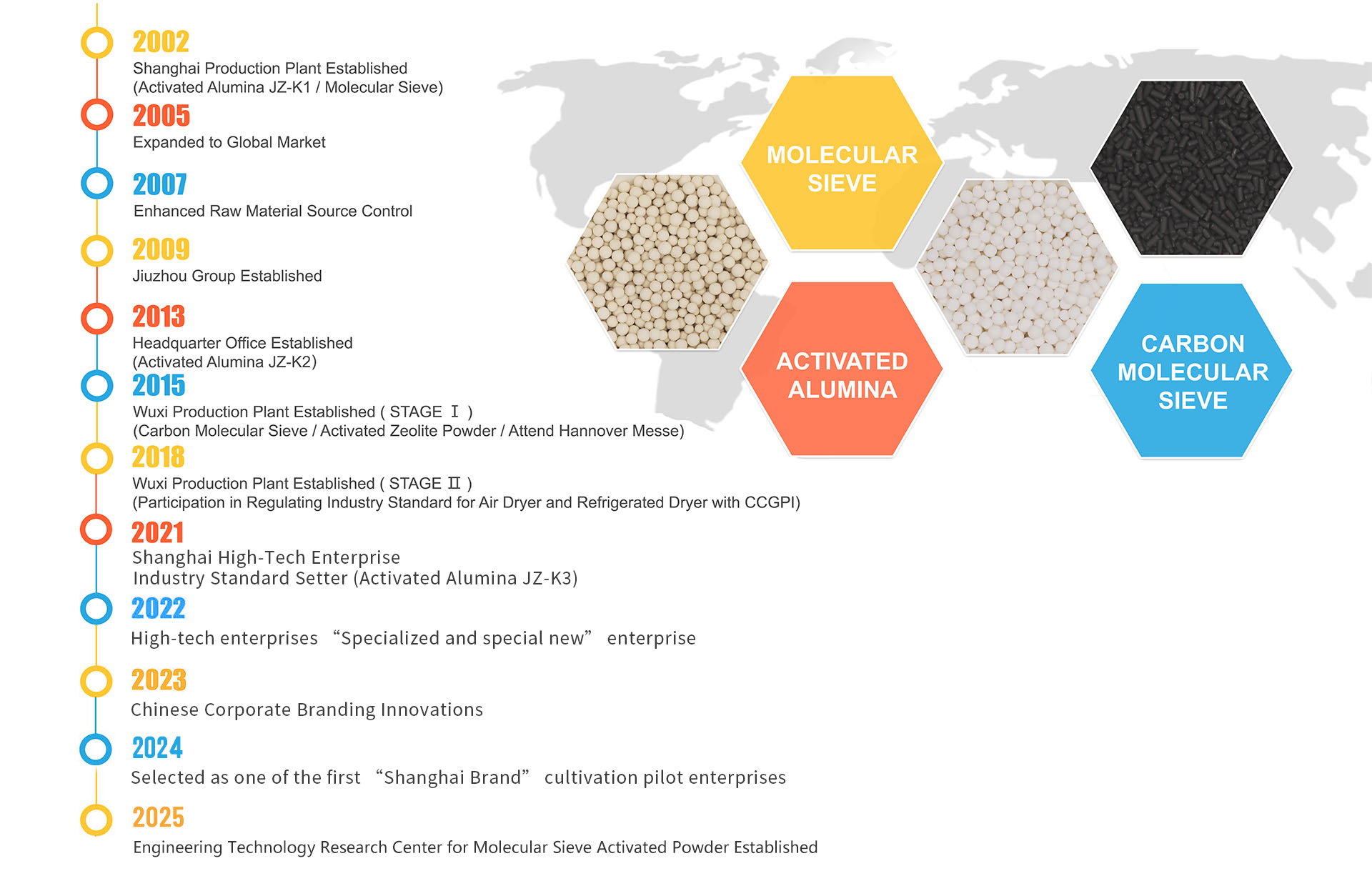
Shanghai Jiuzhou Chemicals Co., Ltd. is a global leader in the research, development, and production of high-performance molecular sieves and chemical adsorbents.
Shanghai Jiuzhou Chemicals Co., Ltd. Located in the biggest Economic Development city Shanghai. Over the years Jiuzhou has always adhered to the “quality control, innovation ”principles, committed to the development, research, manufacturing of high quality innovative chemical products. Our main products includes various molecular sieve powders, molecular sieves, activated powder, activated alumina, aluminum oxide catalysts, different types of alumina packing and ceramic balls, sodium silicates, aluminum hydroxide,zeolite 4A, sodium carbonates, SLES, etc. Our all products passed the ISO9001: 2008 quality management system certification and TUV & SGS Certification.
Jiuzhou factory has a professional and world-class research team and experts in chemical product resources.We use the best in international prodution technonlogy and professional production equipment, constructed in line with national standards and by the large multipurpose plant monitoring, analysis instrument composition the central laboratory. And in quality inspection aspect Jiuzhou have controlled and that products meet international standards.
Jiuzhou's technical strength and industry reputation are leading the industry in the field of desiccants, with senior experts and technical reserves, automated multi-functional production workshops, and a central laboratory and dynamic laboratory composed of large-scale monitoring and analysis instruments. It is in quality control And in terms of supporting services, a set of scientific and complete operating system has been established Joozeo products are exported to all parts of the world, and have established a distribution network in the United States, Southeast Asia, Japan, Europe, North and South America, the Middle East and other places to provide partners with high-quality products, customized services, and more energy-saving and environmentally friendly adsorption solutions.
Our Complete Adsorption & Purification Product Portfolio
Explore our full range of industrial molecular sieves, active powders, and specialty catalysts engineered for global environmental and industrial demands.
Oxygen Molecular Sieve JZ-OI
Silica Gel JZ-ASG
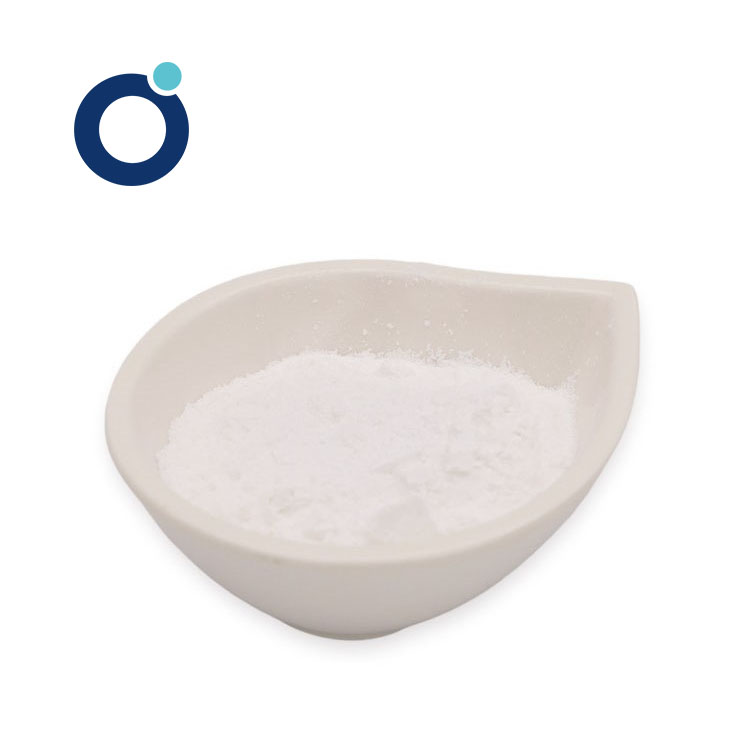
Molecular Sieve JZ-AZ
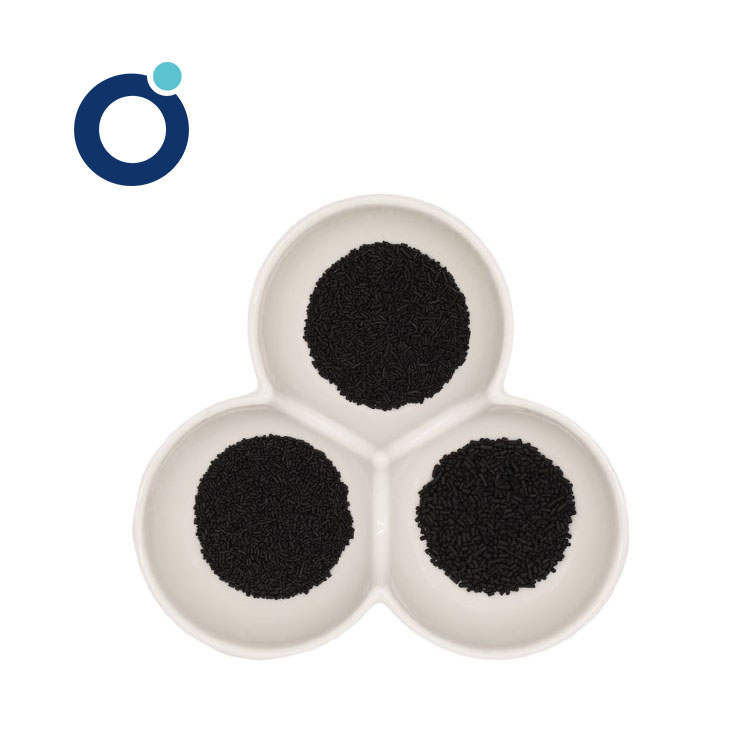
Carbon Molecular Sieve JZ-CMS6N
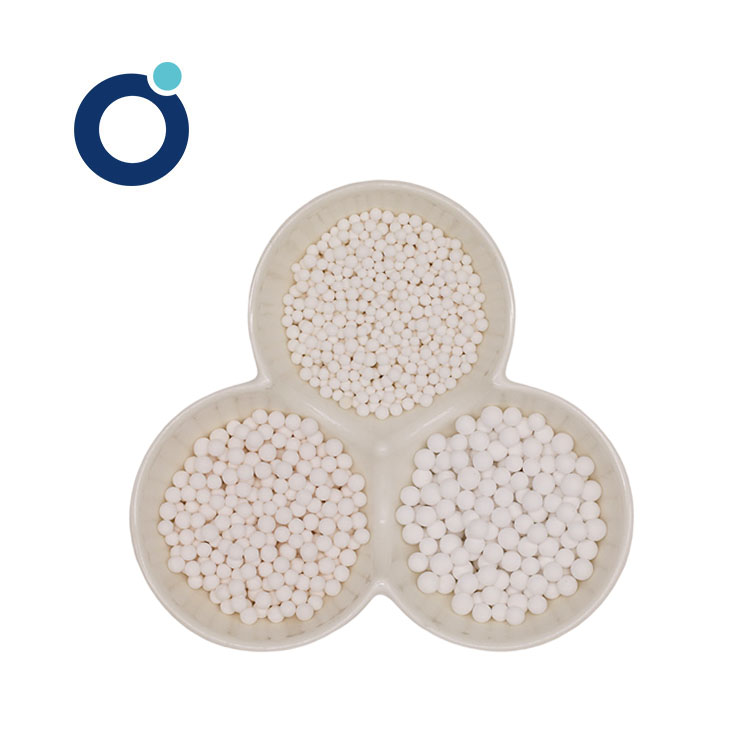
Activated Alumina JZ-K1
Duralyst DO-17T
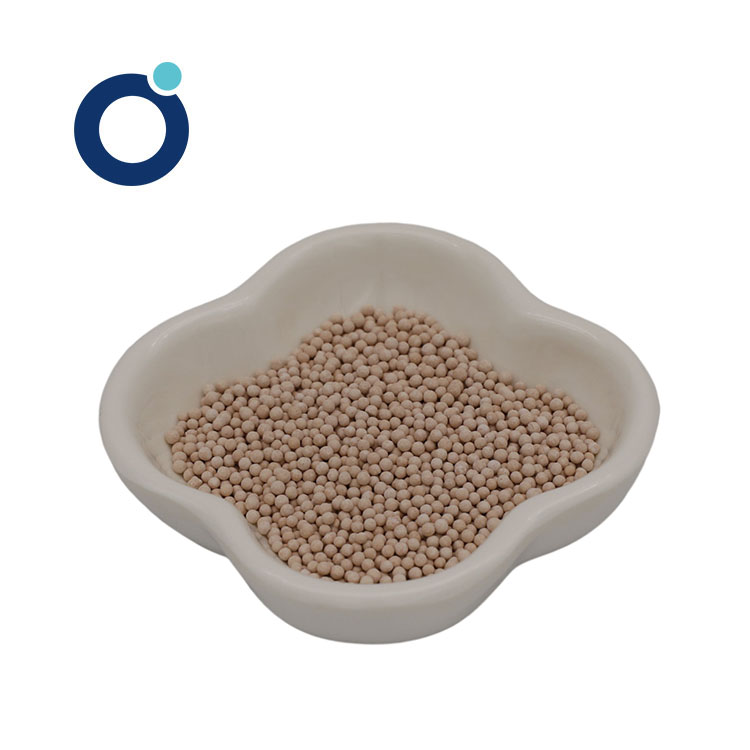
Molecular Sieve JZ-ZRF