The Strategic Role of Molecular Sieves in Azerbaijan's Industrial Evolution
Azerbaijan, historically referred to as the "Land of Fire," has long stood as a cornerstone of global energy production. Positioned strategically at the intersection of Eastern Europe and Western Asia, and bordering the resource-rich Caspian Sea, the nation has built a robust economy centered around oil and natural gas extraction, processing, and export. As Azerbaijan continues to modernize its industrial infrastructure—spearheaded by the State Oil Company of Azerbaijan Republic (SOCAR)—the demand for high-performance purification and separation technologies has experienced exponential growth. Among these technologies, Molecular Sieves (Mol Sieves) are critical components that ensure the purity, safety, and efficiency of petrochemical operations.
In the natural gas and oil refining industries, moisture, carbon dioxide, and sulfur compounds are persistent challenges. Left untreated, they lead to pipeline corrosion, reduce the heating value of gas, and form solid hydrates that block pipelines, causing catastrophic equipment failures. Molecular sieves, with their highly ordered crystalline structures and precise pore sizes, offer the most effective solution for deep dehydration and purification. By selectively adsorbing water and contaminants at the molecular level, they enable Azerbaijani processing plants to meet strict international standards, ensuring the smooth transit of gas through major corridors like the South Caucasus Pipeline and the Trans-Anatolian Natural Gas Pipeline (TANAP).
Why Molecular Sieves are Replacing Traditional Desiccants
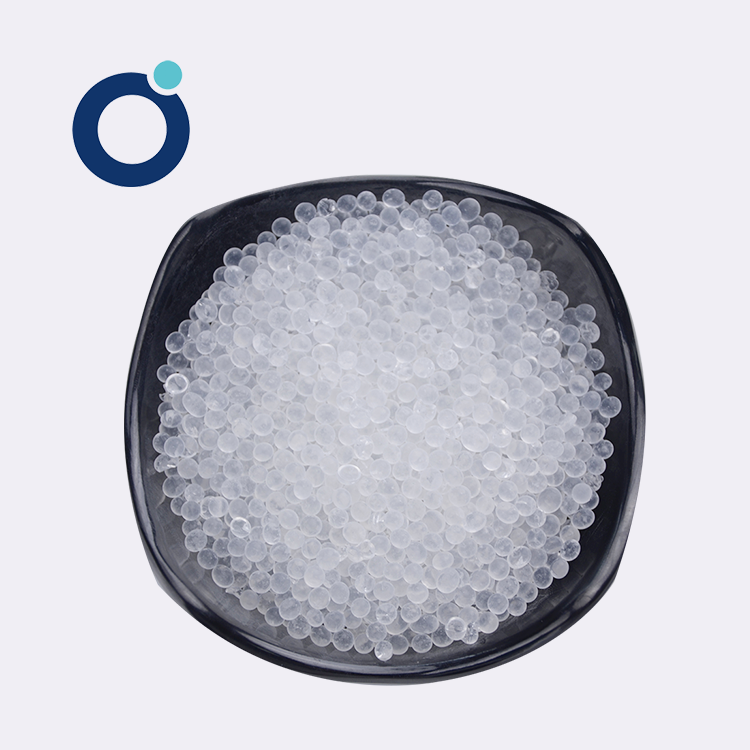
Traditional desiccants like silica gel and activated alumina still have their place in general industrial drying. However, for critical processes requiring dew points below -100°C or selective adsorption (such as removing H2S and CO2 while leaving methane intact), synthetic zeolites (molecular sieves) are unmatched. Their high adsorption capacity at elevated temperatures and low relative humidity makes them the absolute standard for modern refinery operations in Baku and Sumgait.
Local Application Scenarios for Molecular Sieves in Azerbaijan
The application of molecular sieves in Azerbaijan spans several key industrial sectors, each requiring specific pore configurations (3A, 4A, 5A, and 13X) to achieve optimal performance:
- Natural Gas Dehydration: At gas processing plants in Garadagh and offshore platforms in the Caspian Sea, Zeolite 3A and 4A molecular sieves are deployed in thermal swing adsorption (TSA) towers. They dry natural gas prior to cryogenic liquefaction or pipeline transmission, preventing ice and hydrate formation.
- Petrochemical Synthesis & Cracking: The Sumgait Chemical Industrial Park, a hub of Azerbaijan's non-oil industrial growth, utilizes molecular sieves to dry cracked gas, ethylene, and propylene. This is crucial for producing high-quality polymers without poisoning catalyst beds downstream.
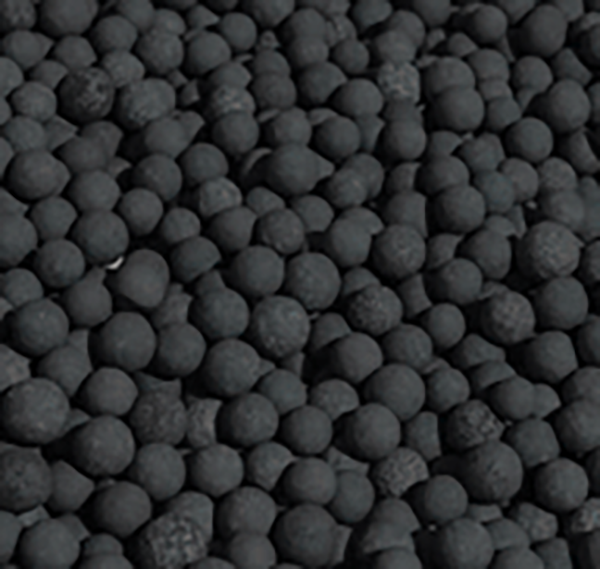
- Air Separation & Industrial Gas Production: Local metallurgical and chemical facilities require high-purity nitrogen and oxygen. Molecular sieve 13X is used in Pressure Swing Adsorption (PSA) units to remove carbon dioxide and water from ambient air before separation, while carbon molecular sieves are used to extract high-purity nitrogen.
- Refinery Hydrogen Purification: In the modernization of the Heydar Aliyev Baku Oil Refinery, hydrogen purification is essential for hydrotreating processes. Zeolite 5A molecular sieves are used to separate normal-paraffins from branched-chain hydrocarbons and purify hydrogen streams.
Molecular Sieve Market Trends & Pricelist Structure in Azerbaijan
The molecular sieve market in the Caucasus region is experiencing a shift towards high-durability, energy-efficient adsorbents. As Azerbaijani energy companies aim to reduce operational expenditures (OPEX), they look for molecular sieves that offer longer lifetimes, higher crush strength, and optimized thermal regeneration profiles. The total cost of ownership is now prioritized over the initial purchase price.
When analyzing the Molecular Sieve Pricelist in Azerbaijan, several technical and logistical variables dictate the final cost:
- Zeolite Type and Pore Size: Standard Zeolite 4A is generally the most cost-effective due to its simpler manufacturing process. Specialized Zeolite 3A (critical for avoiding co-adsorption of hydrocarbons) and Zeolite 5A/13X command higher price points due to the complexity of the ion-exchange processes involved in their production.
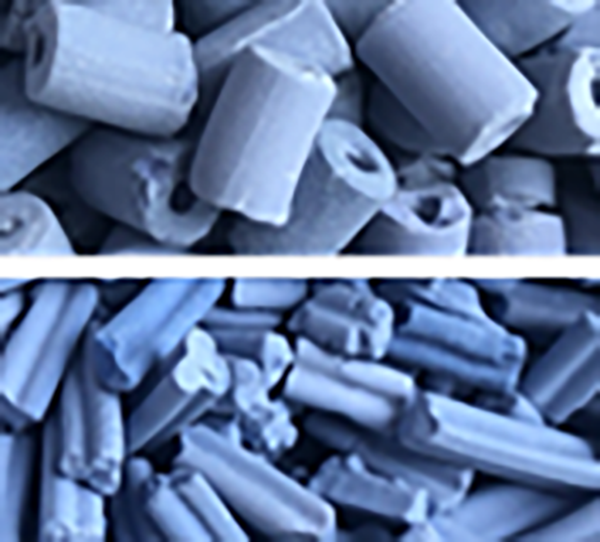
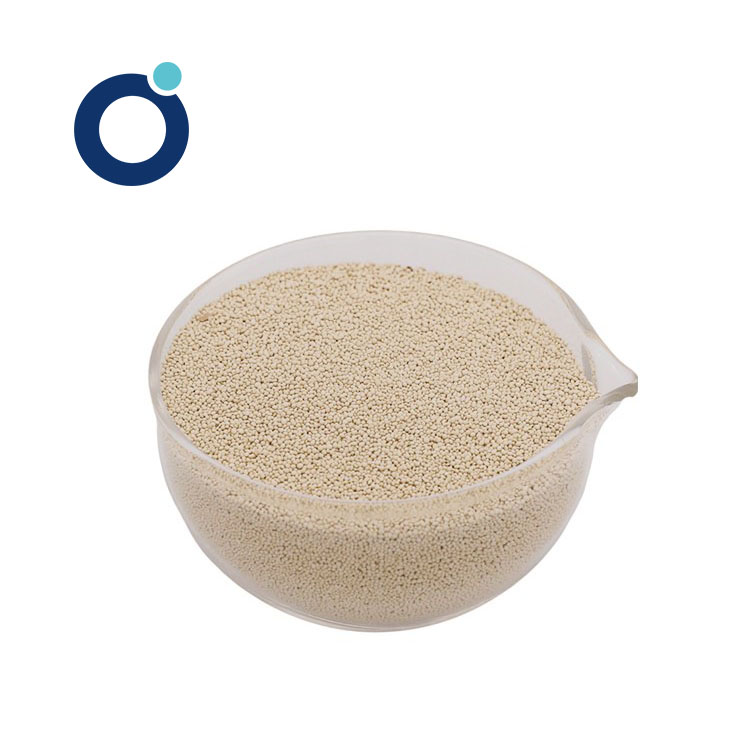
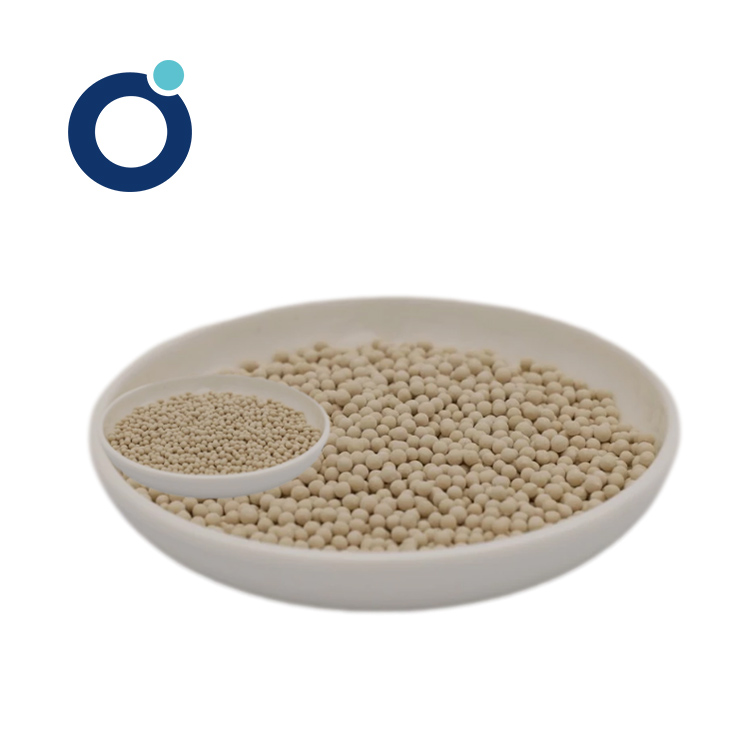
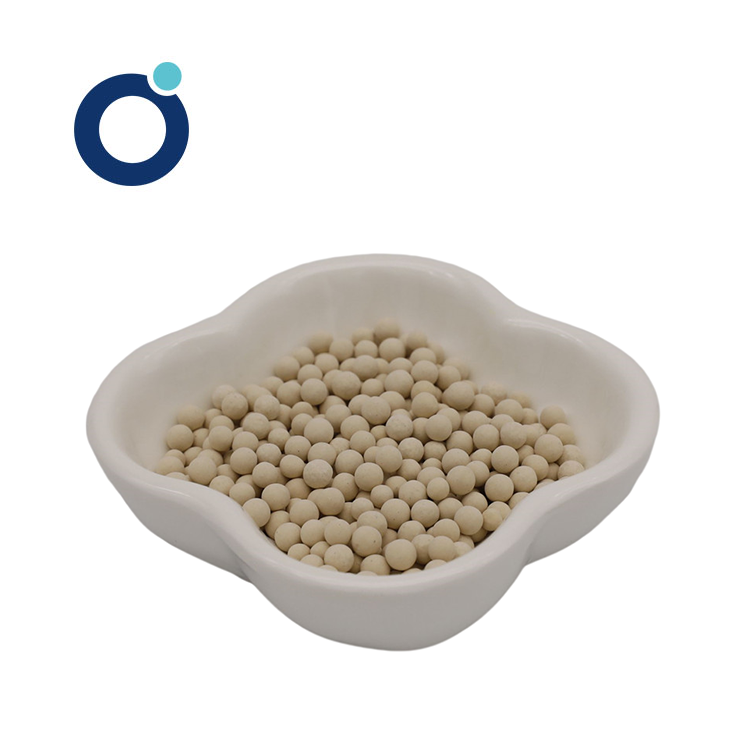
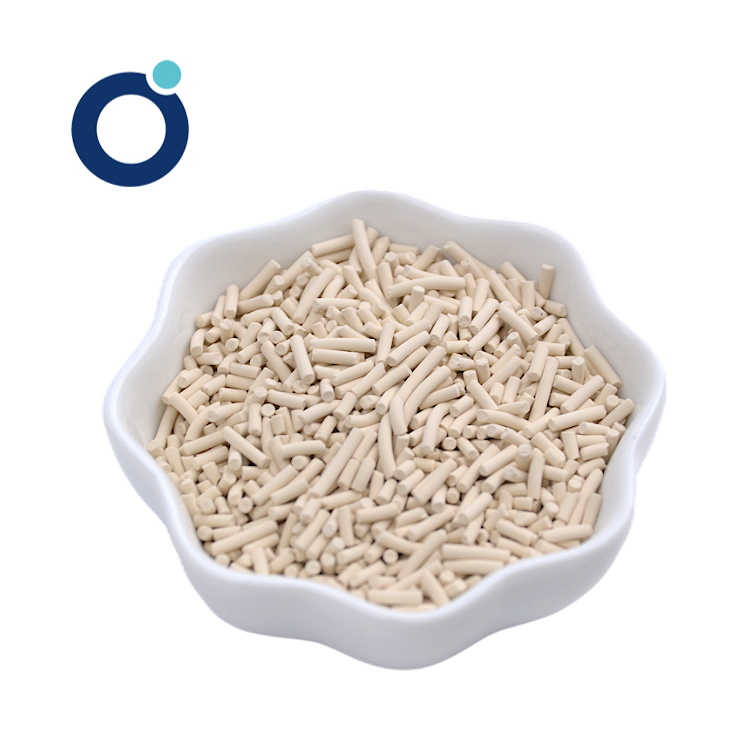
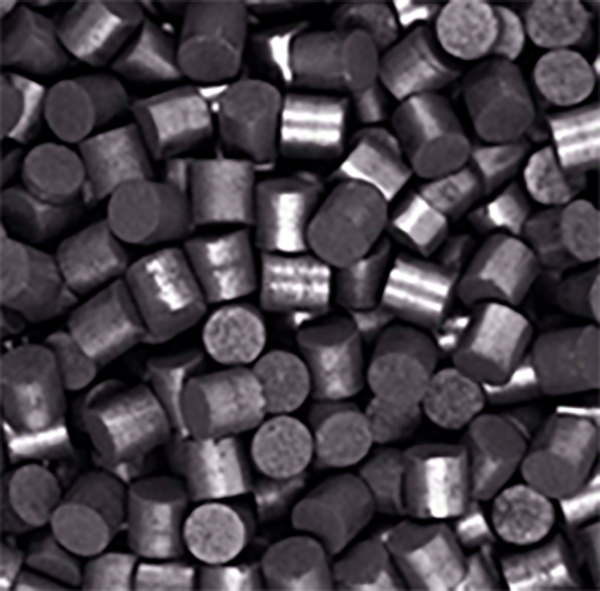
- Physical Form and Size: Molecular sieves are available as spherical beads or cylindrical extrudates. Spherical beads offer better pressure drop characteristics and are priced based on their size distribution (e.g., 1.6-2.5 mm vs. 3.0-5.0 mm). Custom extrudates with enhanced mechanical strength carry a premium.
- Regeneration Efficiency: High-grade molecular sieves require lower regeneration temperatures, which translates directly to fuel gas savings during the desorption cycle. This premium quality reduces long-term operational costs, making it a highly cost-effective choice.
- Logistics and Port Delivery: Since Azerbaijan is landlocked, shipping routes to Baku via the Middle Corridor or Caspian Sea ports play a significant role in the CIF (Cost, Insurance, and Freight) pricing. Working with a manufacturer that has robust global distribution networks ensures competitive shipping rates.
For large-scale industrial projects in Baku, Sumgait, or Ganja, procurement teams can expect bulk prices to range from $1,200 to over $3,500 per metric ton, depending heavily on the specific grade, packaging (metal drums vs. super sacks), and shipping terms. Requesting a customized quote with complete technical datasheets is recommended to ensure matching the correct adsorbent with the operating conditions of the dehydration unit.
Shanghai Jiuzhou Chemicals: Your Trusted Global Partner
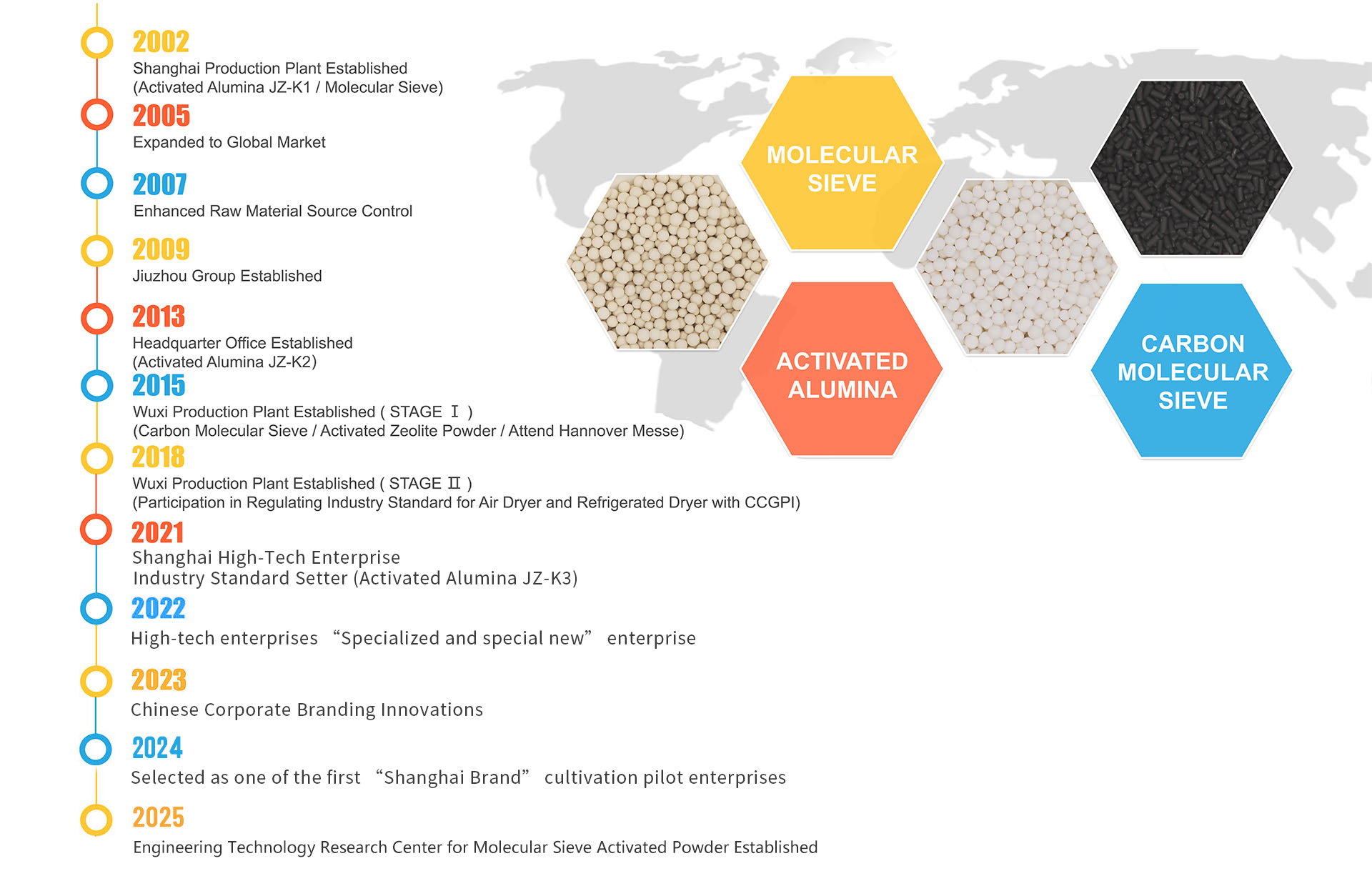
Shanghai Jiuzhou Chemicals Co., Ltd. is located in the biggest Economic Development city, Shanghai. Over the years, Jiuzhou has always adhered to the "quality control, innovation" principles, committed to the development, research, and manufacturing of high-quality innovative chemical products. Our main products include various molecular sieve powders, molecular sieves, activated powder, activated alumina, aluminum oxide catalysts, different types of alumina packing and ceramic balls, sodium silicates, aluminum hydroxide, zeolite 4A, sodium carbonates, SLES, etc. All of our products have passed the ISO9001: 2008 quality management system certification, as well as TUV & SGS Certification.
The Jiuzhou factory boasts a professional, world-class research team and experts in chemical product resources. We utilize the best in international production technology and professional production equipment, constructed in line with national standards. Our operations are supported by a large multipurpose plant monitoring system and analytical instrument composition in our central laboratory. In terms of quality inspection, Jiuzhou maintains rigorous control to ensure all products meet international standards.
Jiuzhou's technical strength and industry reputation lead the desiccants field. With senior experts, deep technical reserves, automated multi-functional production workshops, and a central laboratory complemented by a dynamic testing laboratory, we have established a scientific and complete operating system. Joozeo products are exported to all parts of the world, supported by a distribution network in the United States, Southeast Asia, Japan, Europe, North and South America, the Middle East, and the Caucasus, providing partners with high-quality products, customized services, and more energy-saving and environmentally friendly adsorption solutions.
Best Practices for Molecular Sieve Maintenance and Longevity
To maximize the return on investment for molecular sieves in demanding environments like Azerbaijan's offshore gas fields, proper operation and regeneration protocols must be followed. The lifetime of a molecular sieve bed typically ranges from 3 to 5 years, but this can be shortened by hydrothermal degradation, coking, or liquid water carryover.
Key maintenance guidelines include:
- Effective Pre-Filtration: Ensure coalescing filters upstream of the molecular sieve bed are functioning correctly. Liquid hydrocarbons and free water must be removed to prevent fouling and structural collapse of the zeolite crystals.
- Optimized Regeneration Cycles: Regeneration gas temperatures should be carefully controlled. Typically, heating gas should enter the bed at 200°C to 300°C. Heating too rapidly can cause hydrothermal damage, reducing the surface area and adsorption capacity.
- Cooling Phase Management: After the heating cycle, the bed must be cooled to the adsorption temperature using dry, contaminant-free gas. Proper cooling prevents thermal shock when the bed goes back online.
- Regular Bed Analysis: Periodic testing of the outlet dew point and monitoring pressure drop across the bed helps detect early signs of channeling or adsorbent attrition.