Industrial Landscape of Molecular Sieve Absorbents in Petrochemical Refining
In the modern petrochemical refining sector, the demand for ultra-pure feedstocks and high-efficiency separation processes has never been more critical. As environmental regulations tighten and downstream processes become more sensitive to trace contaminants, the role of molecular sieve absorbents has transitioned from basic utility components to vital enablers of chemical processing efficiency. Molecular sieves, with their highly ordered crystalline aluminosilicate structures, provide precise pore sizing that allows for selective molecular separation on an angstrom scale.
From a commercial standpoint, the global market for molecular sieve adsorbents in petrochemical refining is experiencing robust growth. This expansion is driven by the rapid development of mega-refineries, particularly in the Asia-Pacific region and the Middle East, as well as the widespread adoption of advanced catalytic cracking and polymerization technologies. These systems require feedstocks with moisture levels below 1 ppm to prevent catalyst poisoning and maximize process yields. Without highly specialized molecular sieve absorbents, the production of essential petrochemical building blocks like ethylene, propylene, and butadiene would suffer from severe operational inefficiencies and frequent catalyst replacements.
Removes trace impurities such as water, sulfur compounds, and CO2, preventing the premature poisoning of downstream noble metal catalysts.
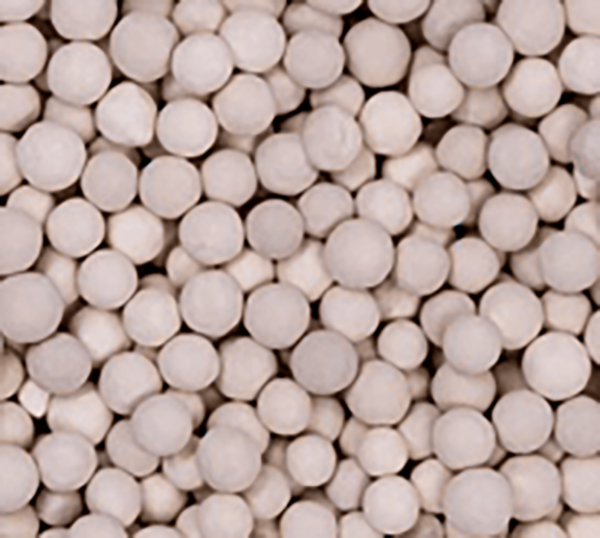
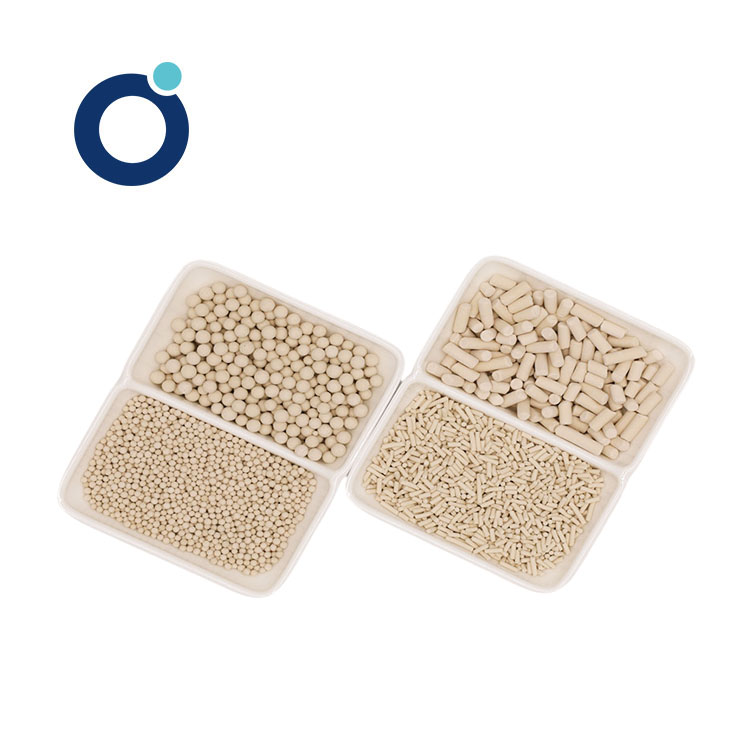
Utilizes precise pore structures (3A, 4A, 5A, 13X) to selectively adsorb target molecules without co-adsorbing valuable hydrocarbons.
Optimized regeneration profiles reduce thermal energy expenditure in Pressure Swing Adsorption (PSA) and Thermal Swing Adsorption (TSA) units.
Emerging Trends and Technological Advancements
The petrochemical industry is undergoing a major transition towards decarbonization and sustainable manufacturing. Consequently, molecular sieve technology is evolving to meet these new standards. Key trends include the development of high-durability zeolites that resist hydrothermal degradation during regeneration cycles, and the formulation of hybrid adsorbents designed for carbon capture and storage (CCS) within refining complexes. Furthermore, the integration of digital twin modeling in refinery operations has heightened the demand for adsorbents with highly consistent physical properties, allowing operators to predict breakthrough curves with extreme precision and optimize cycle times.
Deep-Dive Application Scenarios in Petrochemical Processes
1. Cracked Gas Drying in Ethylene Plants
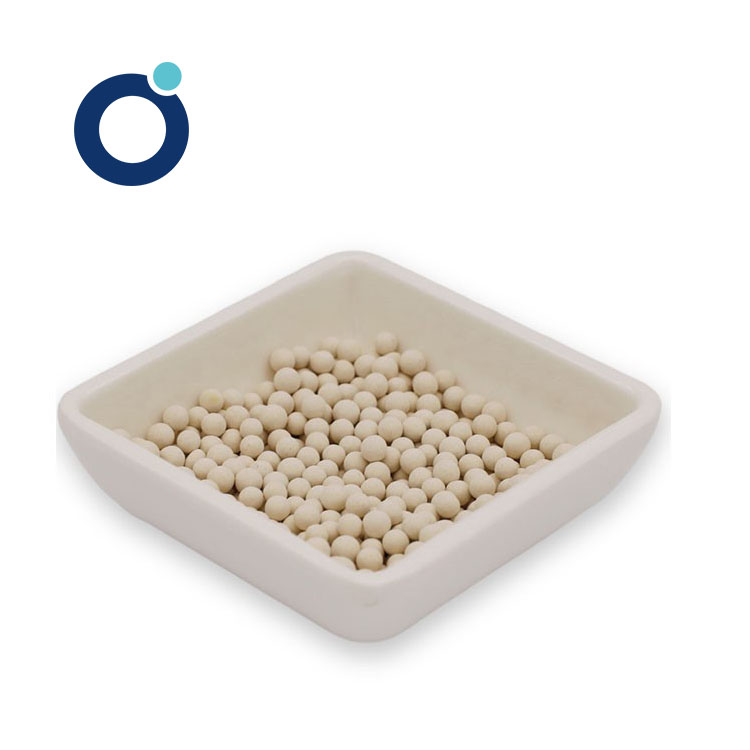
In steam cracking units, the cracked gas stream contains significant amounts of moisture. If not removed, this moisture will form hydrates at the low temperatures required for fractional distillation, leading to line blockages and catastrophic plant shutdowns. Type 3A molecular sieves are the industry standard for this application. Because their pore size is approximately 3 Ångstroms, they selectively adsorb water molecules (2.8 Å) while completely excluding ethylene (3.9 Å) and other hydrocarbons. This selective exclusion prevents the co-adsorption and subsequent polymerization of unsaturated hydrocarbons inside the zeolite pores, which would otherwise lead to rapid coking and loss of adsorption capacity.
2. Natural Gas Dehydration and Sweetening
Natural gas feedstocks destined for petrochemical conversion must undergo rigorous purification. Molecular sieve absorbents are deployed in multi-bed systems to simultaneously remove water and sulfur compounds (such as hydrogen sulfide, methyl mercaptan, and ethyl mercaptan). By utilizing a combination of 4A, 5A, and 13X zeolites, refiners can achieve deep sweetening, reducing sulfur concentrations to sub-ppm levels. This is essential for protecting downstream steam reforming catalysts used in synthesis gas and hydrogen production.
3. Liquid Hydrocarbon Purification (LPG and Alkylation Feeds)
Alkylation processes, which combine olefins with isobutane to produce high-octane alkylate, are highly sensitive to feed impurities. Moisture and sulfur compounds present in liquefied petroleum gas (LPG) streams can lead to excessive acid consumption (either sulfuric or hydrofluoric acid) and cause equipment corrosion. Utilizing high-crush-strength molecular sieve beds ensures that liquid hydrocarbon feeds are deeply dried and purified, stabilizing acid strength, minimizing acid waste, and reducing maintenance overheads.
4. Hydrogen Purification via Pressure Swing Adsorption (PSA)
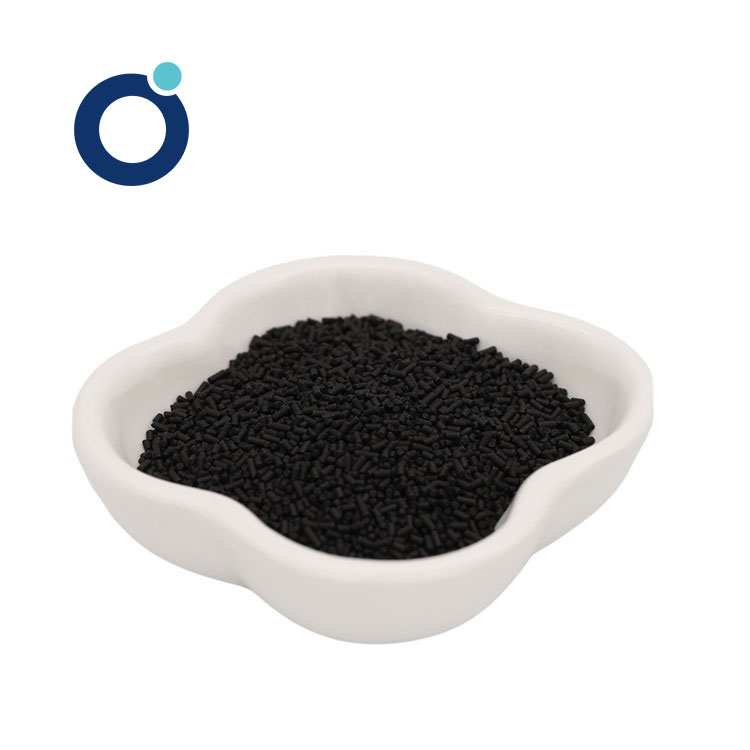
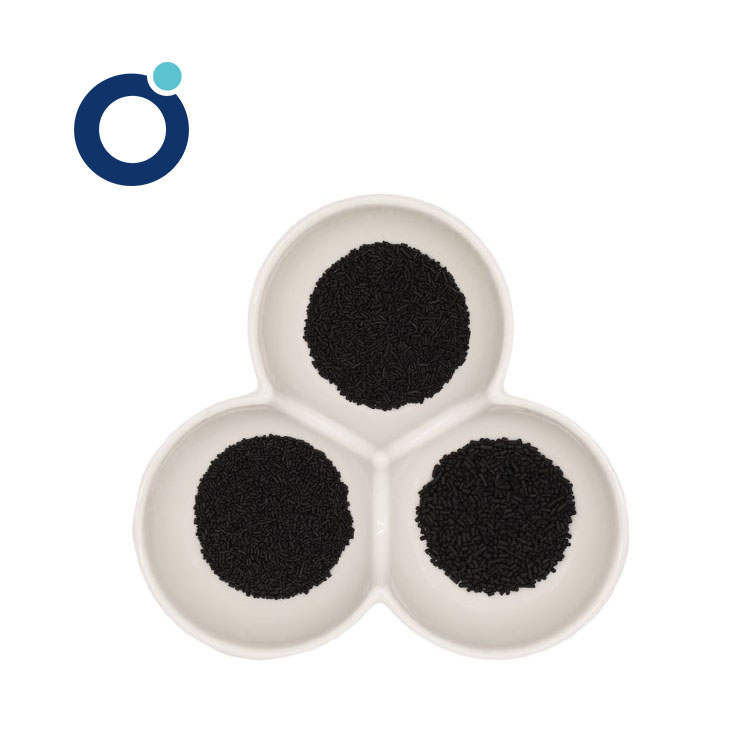
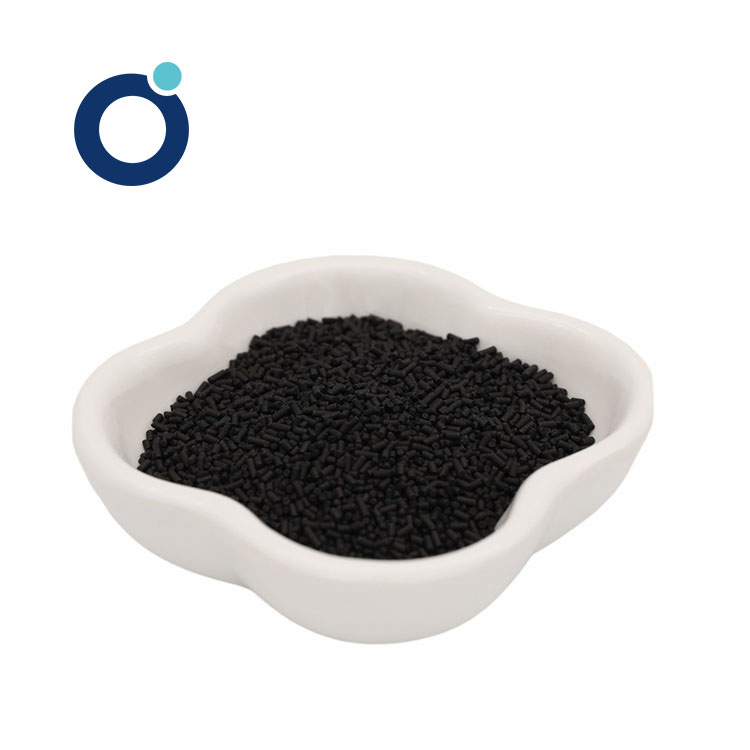
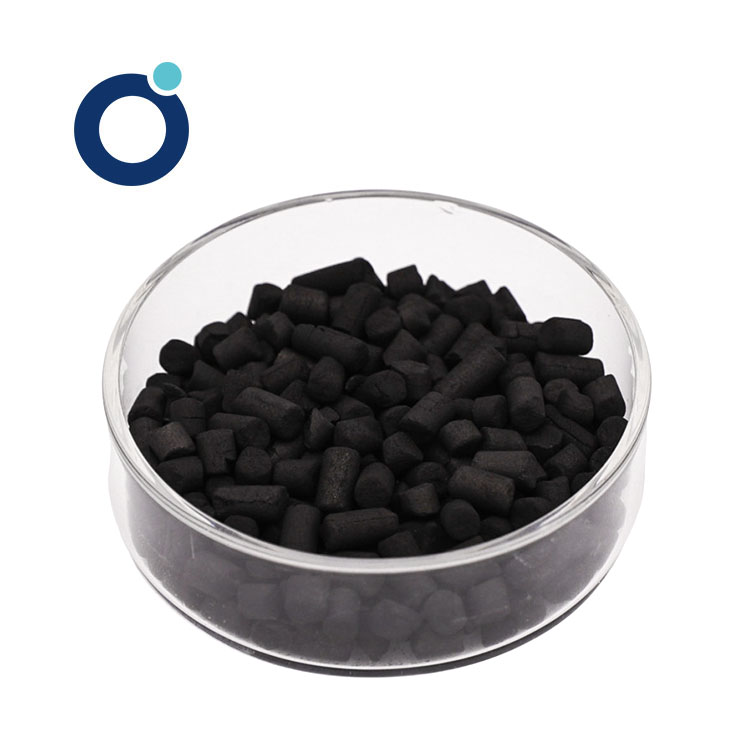
Hydrogen is a critical utility in hydrotreating and hydrocracking units. Recovering high-purity hydrogen from refinery off-gases is a major economic driver. Carbon Molecular Sieves (CMS) and specialized zeolites are utilized in PSA units to separate hydrogen from methane, carbon monoxide, carbon dioxide, and nitrogen. The unique pore size distribution of CMS allows fast-diffusing gases like hydrogen to be separated from larger, slower-diffusing molecules, ensuring hydrogen purities exceeding 99.99%.
About Shanghai Jiuzhou Chemicals
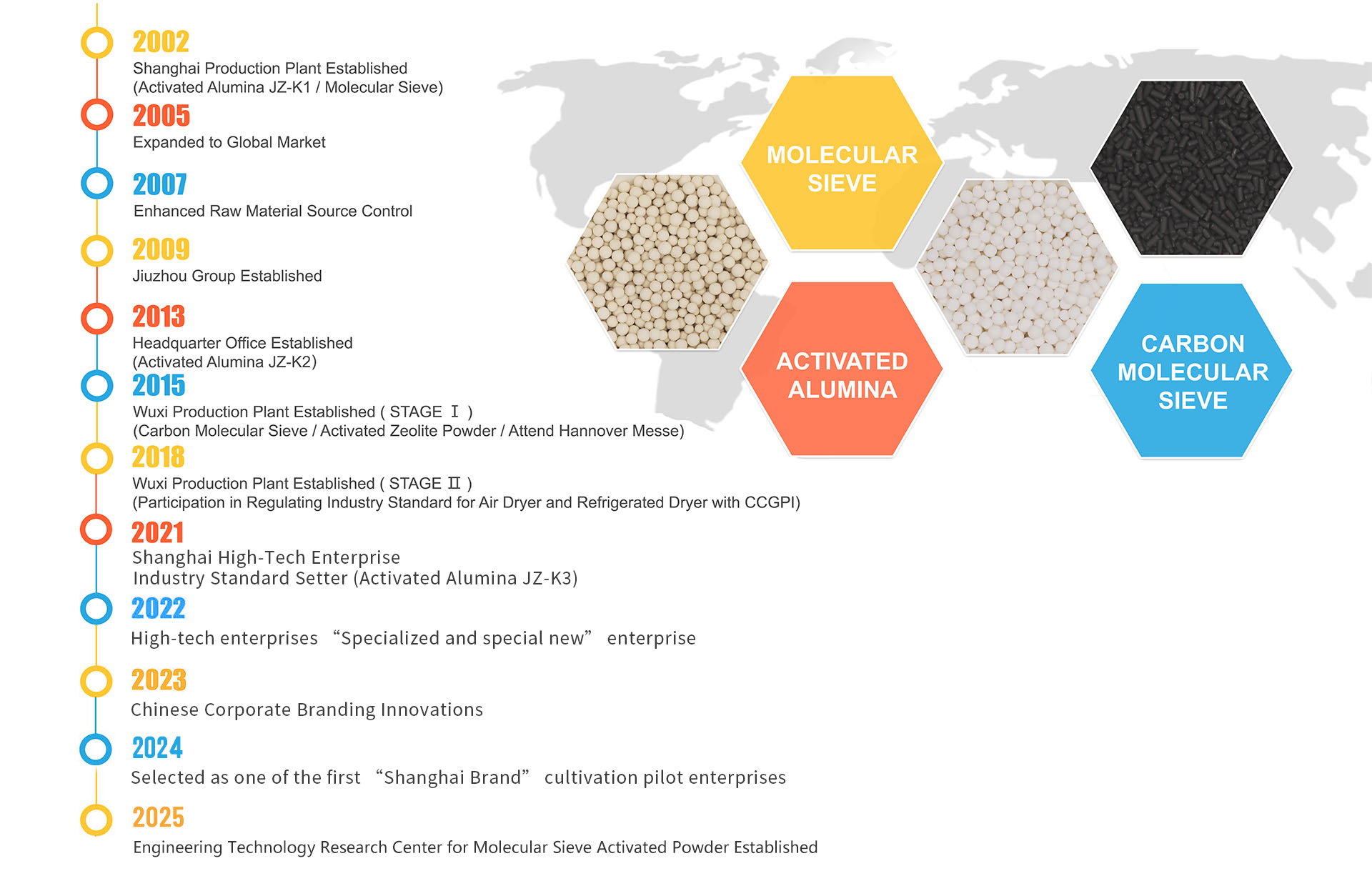
Shanghai Jiuzhou Chemicals Co., Ltd. Located in the biggest Economic Development city Shanghai. Over the years Jiuzhou has always adhered to the “quality control, innovation “principles, committed to the development, research, manufacturing of high quality innovative chemical products. Our main products includes various molecular sieve powders, molecular sieves, activated powder, activated alumina, aluminum oxide catalysts, different types of alumina packing and ceramic balls, sodium silicates, aluminum hydroxide,zeolite 4A, sodium carbonates, SLES, etc. Our all products passed the ISO9001: 2008 quality management system certification and TUV & SGS Certification.
Jiuzhou factory has a professional and world-class research team and experts in chemical product resources.We use the best in international prodution technonlogy and professional production equipment, constructed in line with national standards and by the large multipurpose plant monitoring, analysis instrument composition the central laboratory. And in quality inspection aspect Jiuzhou have controlled and that products meet international standards.
Jiuzhou's technical strength and industry reputation are leading the industry in the field f desiccants, with senior experts and technical reserves, automated multi-unctional production workshops, and a central laboratory and dynamic laboratory composed of large-scale monitoring and analysis instruments. It is in quality control And in terms of supporting services, a set of scientific and complete operating system has been established Joozeo products are exported to all parts of the world, and have established a distribution network in the United States, Southeast Asia, Japan, Europe, North and South America, the Middle East and other places to provide parthers with high-quality products, customized services, and more eneray-saving and environmentally friendly adsorption solutions.
Selecting the Right Molecular Sieve for Your Refinery
Selecting the optimum molecular sieve absorbent involves evaluating several critical parameters. Refiners must consider the feed gas composition, operating pressure, temperature, regeneration gas availability, and the desired outlet purity levels. Additionally, physical properties such as bulk density, crushing strength, and attrition loss are vital metrics that dictate the physical lifespan of the adsorbent bed. High-quality molecular sieves prevent premature dusting and pressure drop increases across the reactor, ensuring uninterrupted refining cycles and maximizing overall plant profitability.
Shanghai Jiuzhou Chemicals provides comprehensive technical support, including adsorbent bed design, process simulation, and onsite loading supervision. Our dynamic laboratories simulate real-world refinery feed conditions to verify the performance and longevity of our products, delivering tailored solutions that reduce operational risks.