Featured Adsorbents for Advanced Water Purification
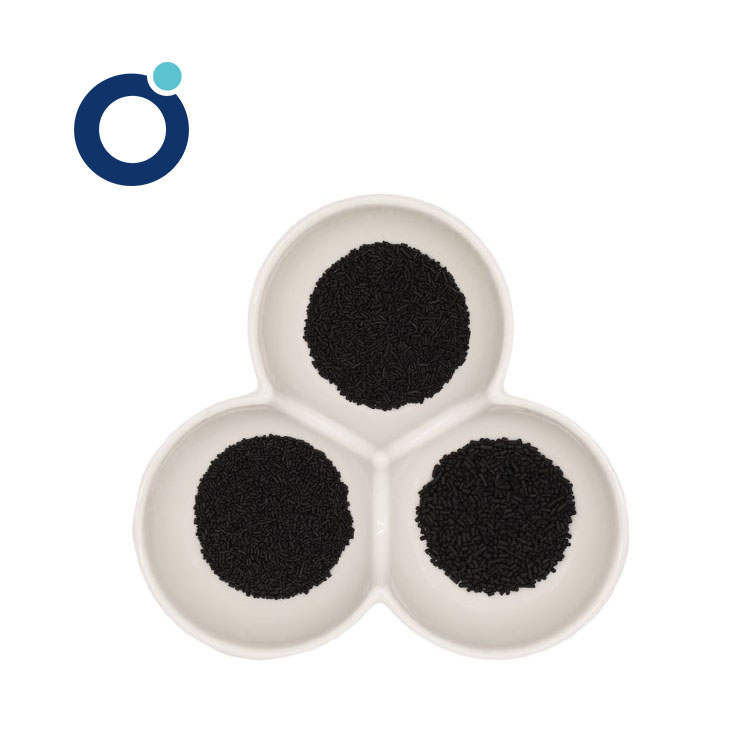
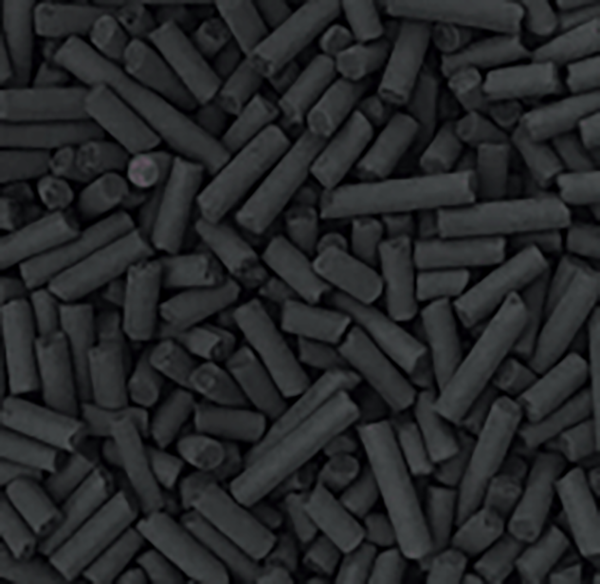
Carbon Molecular Sieve JZ-CMS6N for Nitrogen Aeration & Arsenic Oxidation
View Details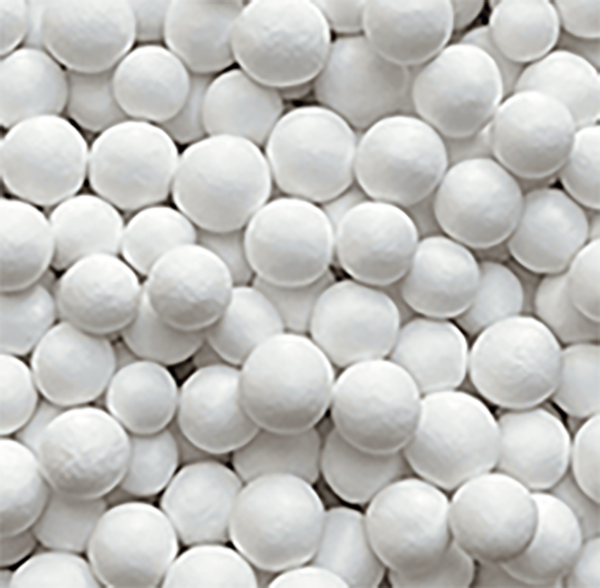
JooSorb COS Catalytic Adsorbent for Complex Water Treatment Systems
View Details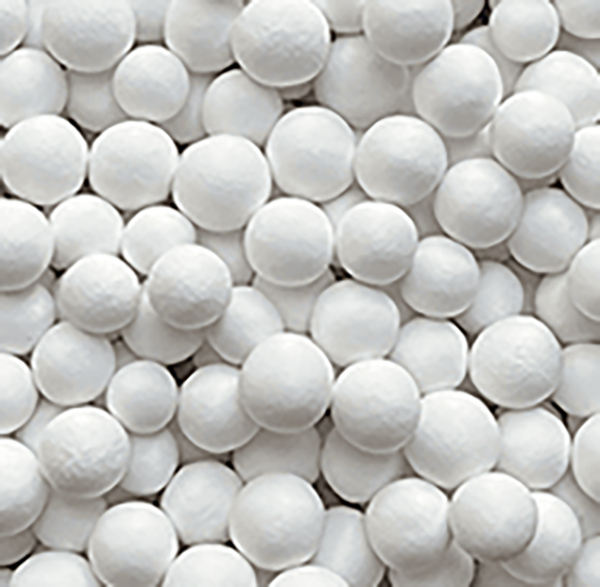
JooSorb AST-01 High-Performance Arsenic Removal Specialized Medium
View Details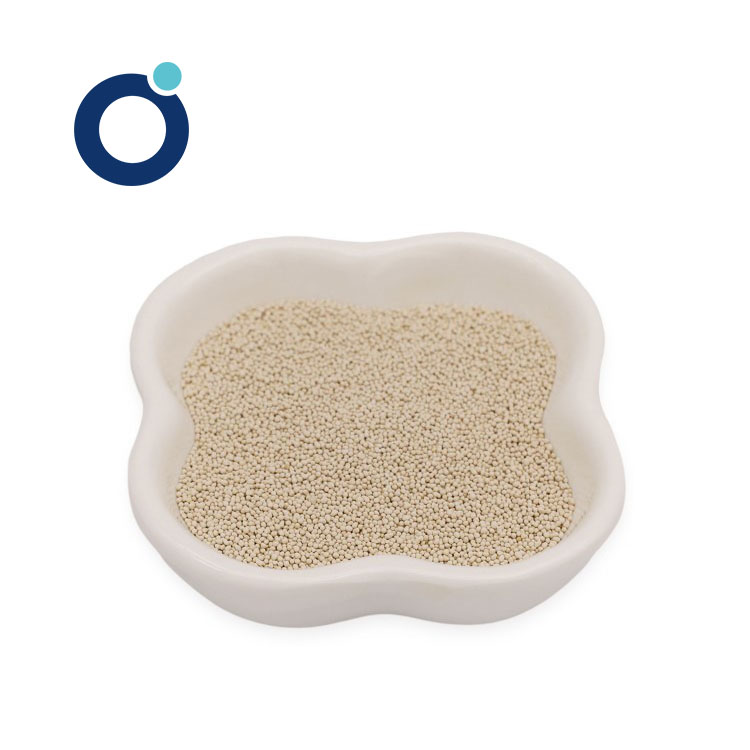
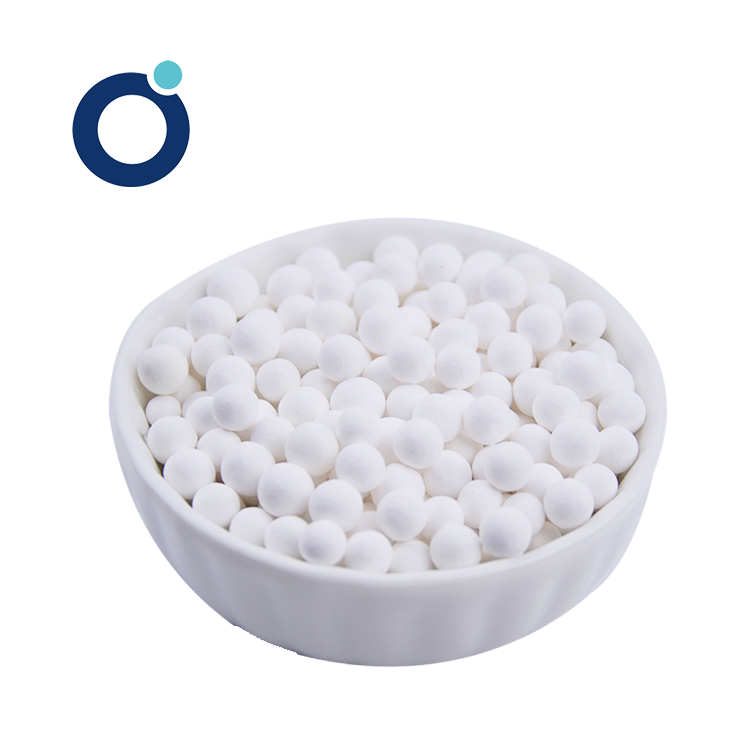
Oxygen Molecular Sieve JZ-OM for Ozone-Assisted Arsenic Precipitation
View DetailsThe Global Crisis of Arsenic Contamination in Water
Arsenic contamination in drinking water resources has emerged as one of the most critical environmental health threats globally. A naturally occurring toxic metalloid, arsenic enters groundwater aquifers through geochemical weathering of rocks, volcanic activities, and anthropogenic paths such as mining operations, industrial discharges, and pesticide runoffs. Chronic exposure to arsenic, even at trace levels, leads to severe physiological damage including dermatological lesions, cardiovascular diseases, neurological disorders, and various cancers of the skin, bladder, and lungs. The World Health Organization (WHO) and environmental protection agencies worldwide have mandated a strict limit of 10 ppb (micrograms per liter) for arsenic in drinking water, posing a significant challenge to municipal and industrial water treatment systems.
In water, arsenic primarily exists in two inorganic forms: arsenite [As(III)] and arsenate [As(V)]. Under aerobic conditions, such as surface waters, As(V) is the dominant species, existing as negatively charged ions ($H_2AsO_4^-$ and $HAsO_4^{2-}$). Conversely, under anaerobic conditions, typical of deep groundwater wells, As(III) is the prevalent form, existing primarily as uncharged arsenious acid ($H_3AsO_3$) at neutral pH levels. The neutral charge of As(III) makes it significantly more difficult to remove than As(V) using conventional filtration and precipitation methods. Consequently, advanced, highly selective technologies are required to meet regulatory standards, and molecular sieve desiccants have risen to the forefront of this industrial demand.
SEO Insight: Effective arsenic removal requires a multi-stage approach combining catalytic oxidation (converting arsenite to arsenate) and high-affinity surface adsorption using optimized molecular sieve matrices.
How Molecular Sieve Desiccants Revolutionize Arsenic Removal
Molecular sieves are crystalline aluminosilicates characterized by uniform micropore structures and high internal surface areas. While traditionally utilized as desiccants for gas drying and purification, material science innovations have enabled the modification of their framework structures to act as highly selective ion-exchangers and adsorbents in liquid phases. By adjusting the silicon-to-aluminum ratio and incorporating specific transition metal oxides (such as iron, manganese, titanium, or lanthanum) into the crystalline matrix, molecular sieves can be custom-engineered to target arsenic ions with high affinity.
The mechanism of arsenic removal using modified molecular sieve desiccants involves a combination of electrostatic attraction, surface complexation, and intra-crystalline ion exchange. The metal-doped active sites on the molecular sieve surface form stable inner-sphere complexes with arsenic anions. This chemical bond is highly stable and resistant to leaching, ensuring that the captured arsenic remains securely locked within the solid matrix, preventing secondary contamination of the treated water stream. Furthermore, the uniform pore sizes of molecular sieves act as physical barriers, excluding larger competing organic molecules and humic substances that typically foul other adsorbents like activated carbon.
Comparative Analysis of Arsenic Removal Technologies
| Adsorption Technology | Arsenic Species Affinity | Selectivity in Presence of Interfering Ions | Regeneration Potential | Operational Lifespan |
|---|---|---|---|---|
| Modified Molecular Sieves | High for both As(III) and As(V) | Excellent (due to size-exclusion pores) | High (via mild chemical washing) | Long (highly resistant to physical attrition) |
| Activated Alumina | High for As(V), Low for As(III) | Moderate (strongly competed by Fluoride & Phosphate) | Moderate (requires strong acid/base cycles) | Moderate |
| Granular Ferric Hydroxide | High for As(V) and As(III) | Moderate (fouled by organic matter) | Low (difficult to regenerate without structure collapse) | Short to Medium |
| Synthetic Ion Exchange Resins | High for As(V) only | Low (highly susceptible to Sulfate & Nitrate competition) | High (salt regeneration) | Medium |
Industrial Applications and Scenarios of Molecular Sieve Adsorbents
The implementation of molecular sieve desiccants for arsenic removal is not limited to a single configuration. Their robust physical properties, thermal stability, and customizable surface chemistry make them suitable for a wide range of industrial and municipal applications:
1. Municipal Drinking Water Treatment Plants
In large-scale municipal water treatment, modified molecular sieve desiccants are packed into large pressure vessels operating in parallel or series configurations. These systems treat groundwater at high flow rates, consistently reducing arsenic levels from hundreds of ppb to below the 10 ppb regulatory threshold. Due to their high mechanical strength, synthetic molecular sieves do not suffer from structural breakdown or pressure drop issues over prolonged periods of backwashing and operation, making them highly cost-effective for public utilities.
2. Industrial Wastewater Remediation
Industries such as mining, metallurgy, coal-fired power plants, and semiconductor manufacturing generate wastewater containing elevated levels of arsenic alongside heavy metals and acidic compounds. Traditional chemical precipitation methods produce massive volumes of toxic sludge, which are expensive to treat and dispose of. Molecular sieve adsorption columns offer a cleaner alternative, selectively capturing arsenic from complex waste streams. The high thermal and chemical stability of molecular sieves enables them to operate under harsh industrial conditions, including high temperatures and extreme pH levels.
3. Point-of-Use (POU) and Point-of-Entry (POE) Systems
For decentralized water supplies, private wells, and rural communities, centralized water treatment is often economically unfeasible. Point-of-Use (POU) filtration systems, such as under-sink cartridges, and Point-of-Entry (POE) whole-house systems utilize molecular sieve media to provide safe drinking water at the tap. The rapid kinetics of modified molecular sieves ensure complete arsenic capture even under fluctuating water flow rates, offering reliable protection for households.
4. Emergency Water Purification & Humanitarian Aid
During natural disasters or in remote regions lacking basic infrastructure, gravity-fed filtration units packed with molecular sieve desiccants provide a vital lifeline. These systems operate without electricity or chemical dosing, utilizing the high capacity of the molecular sieve to purify contaminated surface water and shallow well water for safe consumption.
Future Trends in Molecular Sieve Adsorbent Technology
As the global focus shifts toward sustainability and circular economy principles, the development of molecular sieve desiccants for water treatment is undergoing rapid innovation. Key trends defining the future of this industry include:
Nanotechnology Integration: Researchers are actively synthesizing nanocomposite molecular sieves by embedding iron oxide or titanium oxide nanoparticles within the porous zeolite channels. This approach combines the high surface reactivity of nanomaterials with the mechanical stability and ease of handling of macro-sized molecular sieve beads, preventing the leaching of nanoparticles into the treated water.
Green Synthesis Methods: The production of synthetic molecular sieves historically required significant energy input. Modern manufacturers are adopting green chemistry principles, utilizing industrial by-products like coal fly ash or agricultural silica sources to synthesize high-quality zeolites. This not only reduces the carbon footprint of production but also lowers the material cost of the final adsorbent.
Advanced Regeneration Protocols: To minimize waste and lower life-cycle costs, advanced chemical regeneration protocols are being developed. By utilizing mild alkaline or salt solutions, spent molecular sieves can be regenerated on-site, restoring their adsorption capacity for multiple cycles. The concentrated arsenic eluate can then be stabilized into inert solid matrices, such as concrete or glass, preventing environmental re-entry.
About Shanghai Jiuzhou Chemicals
Shanghai Jiuzhou Chemicals Co., Ltd. Located in the biggest Economic Development city Shanghai. Over the years Jiuzhou has always adhered to the “quality control, innovation “principles, committed to the development, research, manufacturing of high quality innovative chemical products. Our main products includes various molecular sieve powders, molecular sieves, activated powder, activated alumina, aluminum oxide catalysts, different types of alumina packing and ceramic balls, sodium silicates, aluminum hydroxide,zeolite 4A, sodium carbonates, SLES, etc. Our all products passed the ISO9001: 2008 quality management system certification and TUV & SGS Certification.
Jiuzhou factory has a professional and world-class research team and experts in chemical product resources.We use the best in international prodution technonlogy and professional production equipment, constructed in line with national standards and by the large multipurpose plant monitoring, analysis instrument composition the central laboratory. And in quality inspection aspect Jiuzhou have controlled and that products meet international standards.
Jiuzhou's technical strength and industry reputation are leading the industry in the field f desiccants, with senior experts and technical reserves, automated multi-unctional production workshops, and a central laboratory and dynamic laboratory composed of large-scale monitoring and analysis instruments. It is in quality control And in terms of supporting services, a set of scientific and complete operating system has been established Joozeo products are exported to all parts of the world, and have established a distribution network in the United States, Southeast Asia, Japan, Europe, North and South America, the Middle East and other places to provide parthers with high-quality products, customized services, and more eneray-saving and environmentally friendly adsorption solutions.