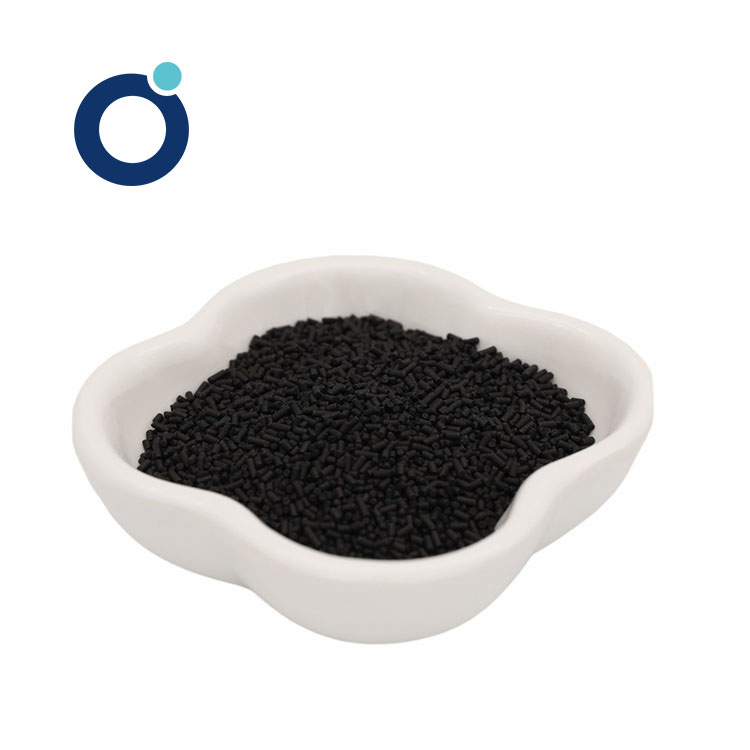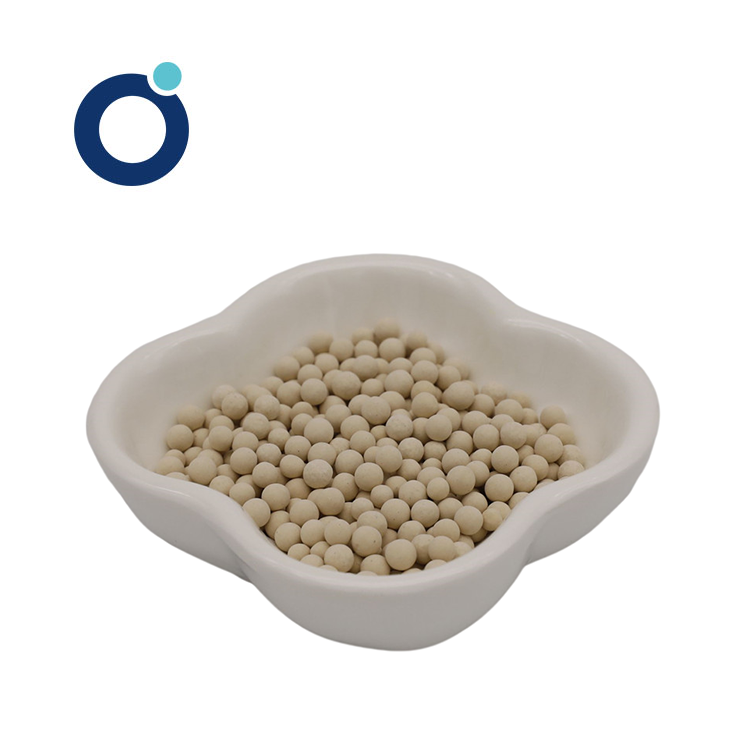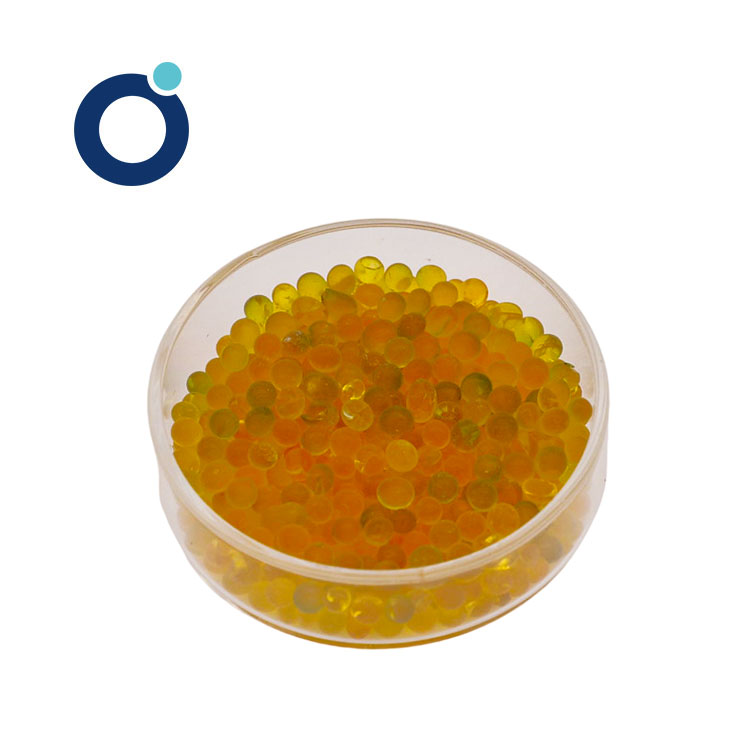
Featured Refrigerant Drying Desiccants
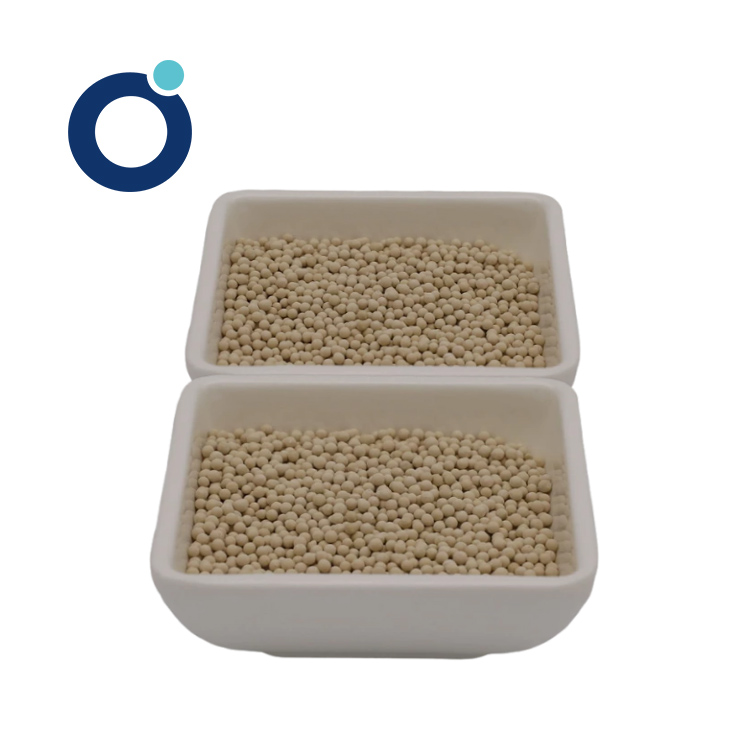
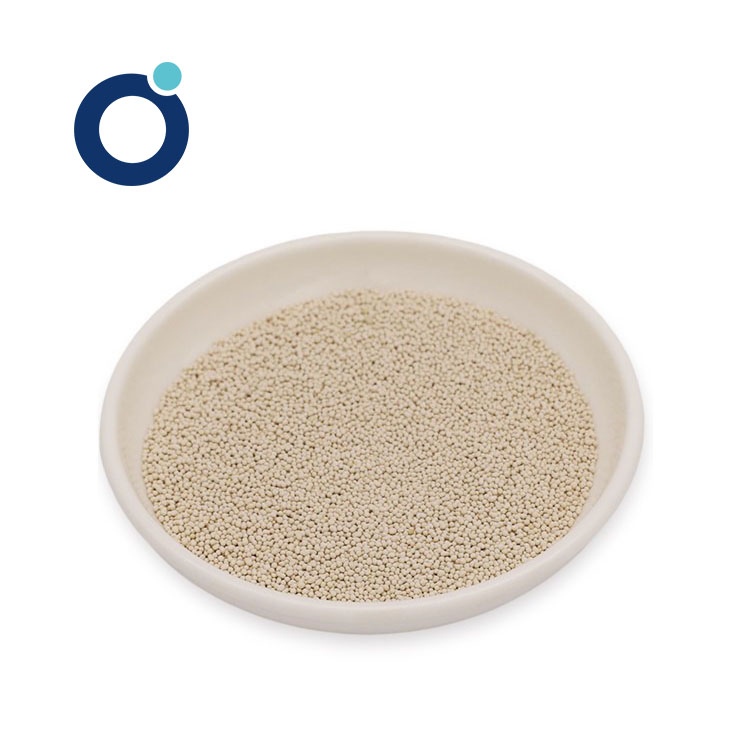
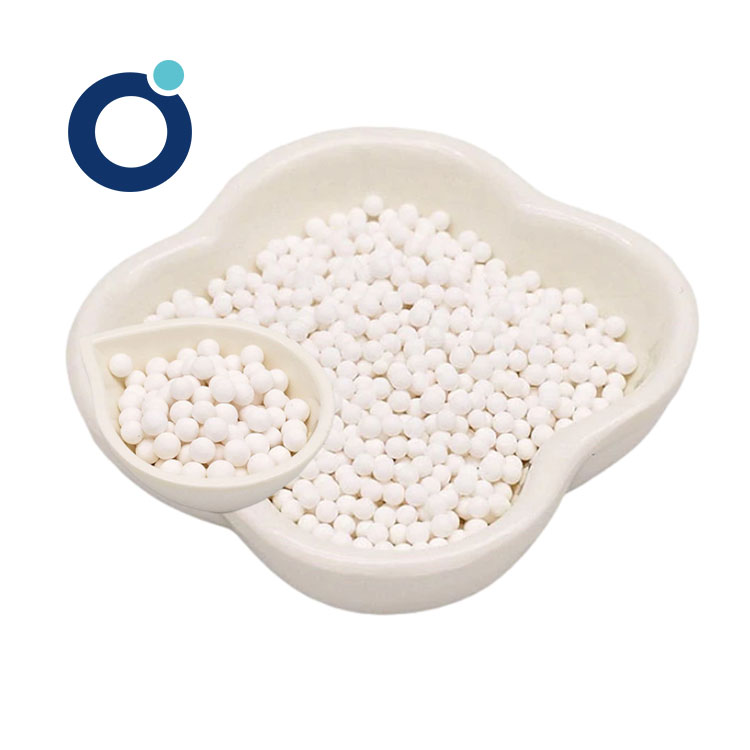
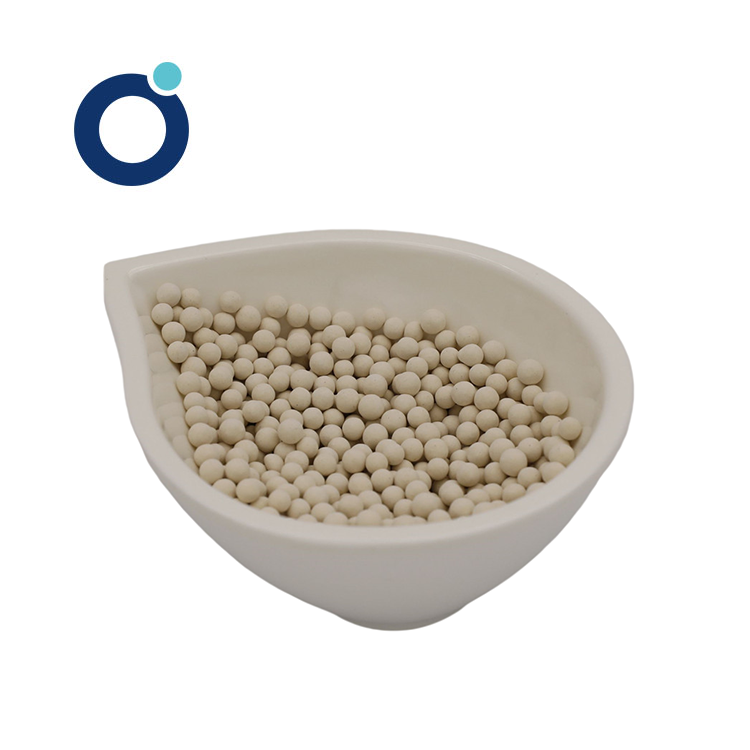
Explore our primary molecular sieves formulated specifically for deep dehydration and chemical compatibility in cooling systems.
The Critical Role of Molecular Sieve Desiccants in Refrigeration
In modern heating, ventilation, air conditioning, and refrigeration (HVAC-R) systems, moisture is the ultimate enemy. Even trace amounts of water vapor trapped inside a closed-loop refrigeration cycle can lead to catastrophic system failures. This is where high-affinity molecular sieve desiccants for refrigerant drying become indispensable. By utilizing synthetic crystalline aluminosilicates (zeolites) with highly uniform pore structures, these specialized desiccants selectively trap water molecules while leaving the circulating refrigerant and compressor lubricants completely unaffected.
Why Moisture Control is Critical in HVAC-R Systems
When moisture enters a refrigeration circuit, it reacts with fluorinated refrigerants and POE/PAG lubricants. This reaction produces highly corrosive hydrofluoric and hydrochloric acids, which degrade copper windings, damage compressor bearings, and create metallic sludge that plugs expansion valves.
Furthermore, at the expansion valve or capillary tube where the temperature drops significantly, free water will freeze into ice crystals. This phenomenon, known as "freeze-up," restricts or completely blocks the flow of refrigerant, causing immediate cooling failure and severe thermal stress on the compressor motor. Implementing a robust molecular sieve filter drier core is the industry-standard safeguard against these operational hazards.
Commercial & Industrial Landscape of Refrigerant Drying
The global refrigeration and air conditioning market is undergoing a massive regulatory shift. Driven by environmental mandates such as the Kigali Amendment to the Montreal Protocol, traditional hydrofluorocarbons (HFCs) with high Global Warming Potential (GWP)—such as R-134a, R-404A, and R-410A—are rapidly being phased down. They are being replaced by next-generation low-GWP alternatives, including Hydrofluoroolefins (HFOs) like R-1234yf and R-1234ze, as well as natural refrigerants like Isobutane (R-600a), Propane (R-290), and Carbon Dioxide (R-744).
This evolution in refrigerants directly impacts desiccant design. HFO refrigerants, characterized by their unsaturated carbon-carbon double bonds, are chemically more reactive than HFCs. Standard desiccants can catalyze the decomposition of HFOs, leading to acid formation and desiccant degradation. Consequently, the commercial demand has shifted toward highly specialized, non-reactive molecular sieves (typically customized 3A zeolites) that feature precise pore size control (approximately 3 Angstroms). This ensures that only water molecules (molecular diameter ~2.6 Å) are adsorbed, while larger refrigerant molecules (typically >4.0 Å) are excluded from the crystal lattice.
Key Market Trends:
- Transition to HFO & Natural Refrigerants: Requires chemical compatibility and prevention of catalytic refrigerant decomposition.
- Miniaturization of Cooling Systems: Demands higher volumetric water capacity from smaller, more compact filter drier cores.
- Durability in High-Vibration Environments: Automotive air conditioning (MAC) and transport refrigeration require desiccants with exceptional mechanical crush strength to prevent attrition and dust generation.
- Energy Efficiency Optimization: Dry systems operate at peak thermodynamic efficiency, reducing energy draw and carbon footprints.
Deep Application Scenarios of Molecular Sieve Desiccants
Molecular sieve desiccants are deployed across a vast spectrum of cooling technologies, each presenting unique operating parameters and engineering challenges:
1. Automotive Air Conditioning (MAC Systems)
Automotive air conditioning loops are subject to extreme temperature swings, constant vibration, and mechanical shocks. The transition from R-134a to R-1234yf in modern vehicles requires highly stable desiccants. The beads must possess superior attrition resistance so they do not break down into fine powder under constant road vibration, which could clog the expansion device or damage the variable-displacement compressor.
2. Commercial & Industrial Cold Chains
Supermarket display cases, walk-in freezers, and refrigerated transport trucks rely on continuous cooling to preserve perishables. In these systems, even a minor moisture spike can lead to evaporator icing. High-capacity molecular sieve cores are integrated into the liquid line to continuously strip moisture, ensuring uninterrupted performance and preventing costly food spoilage.
3. Stationary Domestic HVAC and Heat Pumps
Residential air conditioners and modern air-to-water heat pumps operate under high pressures, particularly those utilizing R-410A or R-32. The desiccant must maintain structural integrity and water-adsorbing capacity over an operational lifespan of 10 to 15 years without replacement, requiring exceptional thermal and chemical stability.
4. Ultra-Low Temperature (ULT) Freezers
Used in medical and laboratory settings to store vaccines, biological samples, and enzymes at temperatures as low as -80°C. In ULT systems, moisture control must be absolute. Any residual water vapor will immediately solidify into ice, blocking the capillary lines. Specialized molecular sieves capable of achieving dew points below -60°C are mandatory here.
Technical Specifications & Selection Criteria
When selecting a molecular sieve desiccant for refrigerant drying, design engineers must evaluate several critical performance metrics to ensure system longevity:
| Performance Parameter | Technical Significance | Target Value Range (Typical) |
|---|---|---|
| Pore Size (Nominal) | Prevents co-adsorption of refrigerant molecules while maximizing water capture. | 3 Å (Angstroms) |
| Equilibrium Water Capacity | Measures the maximum weight percentage of water the desiccant can hold. | ≥ 18% to 22% (at 10% Relative Humidity) |
| Crush Strength (Beads) | Prevents physical collapse of the beads under high-pressure flow and vibration. | ≥ 40 N to 80 N (depending on bead size) |
| Attrition Rate | Indicates the resistance of the desiccant to rubbing and generating dust. | ≤ 0.1% by weight |
| Chemical Compatibility | Must show zero reaction with R-134a, R-1234yf, R-32, POE, PAG, and mineral oils. | No decomposition / No acid generation |
Corporate Profile & Manufacturing Excellence
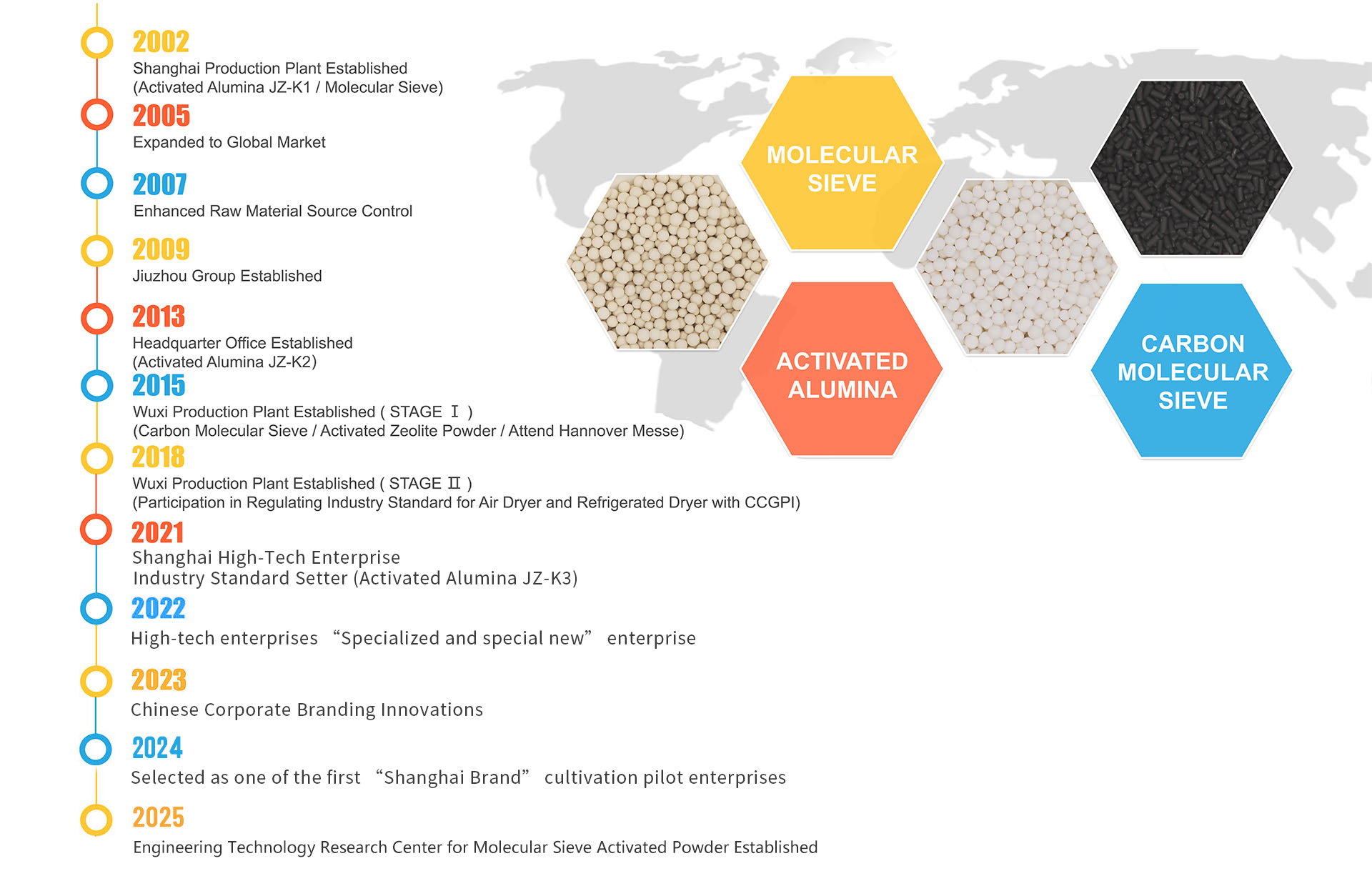
Shanghai Jiuzhou Chemicals Co., Ltd. is located in Shanghai, the largest economic development city in China. Over the years, Jiuzhou has always adhered to the "quality control, innovation" principles, committed to the development, research, and manufacturing of high-quality, innovative chemical products. Our main products include various molecular sieve powders, molecular sieves, activated powder, activated alumina, aluminum oxide catalysts, different types of alumina packing and ceramic balls, sodium silicates, aluminum hydroxide, zeolite 4A, sodium carbonates, SLES, etc. All of our products have passed the ISO9001: 2008 quality management system certification, as well as TUV and SGS Certifications.
Jiuzhou factory boasts a professional, world-class research team and experts in chemical product resources. We utilize the best in international production technology and professional production equipment. Our facilities are constructed in strict alignment with national environmental and safety standards, featuring a large, multipurpose plant monitoring system and a central laboratory equipped with advanced analytical instruments to ensure batch-to-batch consistency and high quality.
Jiuzhou's technical strength and industry reputation lead the field of desiccants. With senior experts, deep technical reserves, automated multi-functional production workshops, and a dynamic testing laboratory, we have established a scientific and complete operating system for quality control and supporting services. Joozeo products are exported globally, supported by an established distribution network in the United States, Southeast Asia, Japan, Europe, North and South America, the Middle East, and other regions. We provide our partners with high-quality products, customized services, and energy-saving, environmentally friendly adsorption solutions.
Our Complete Desiccant & Adsorbent Portfolio
Browse our full range of molecular sieves, activated aluminas, and silica gels engineered for demanding industrial adsorption applications.