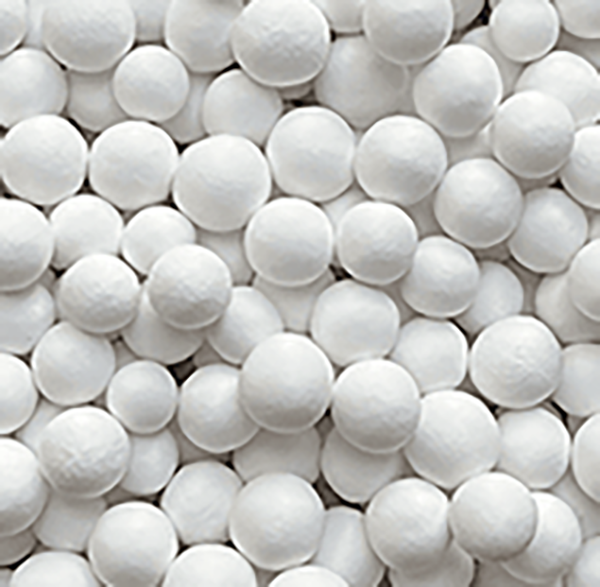
Featured Adsorbents for Hydrogen Peroxide Production
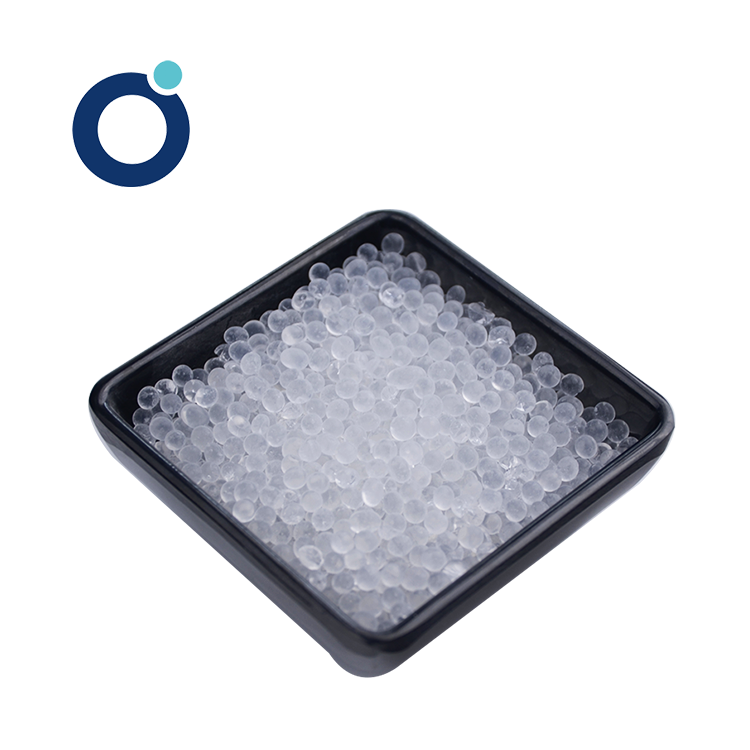
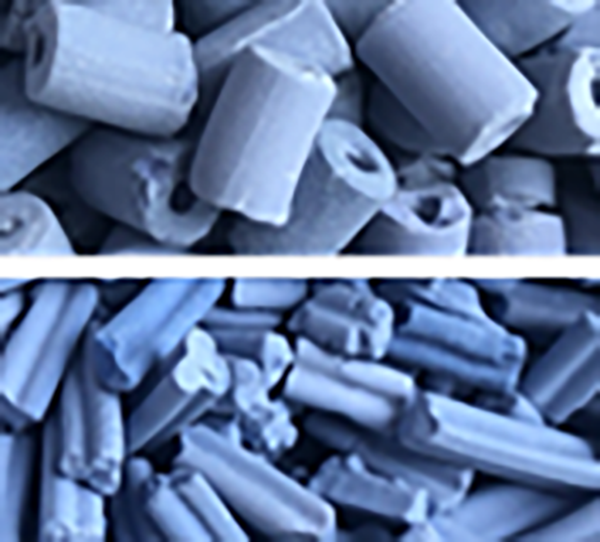
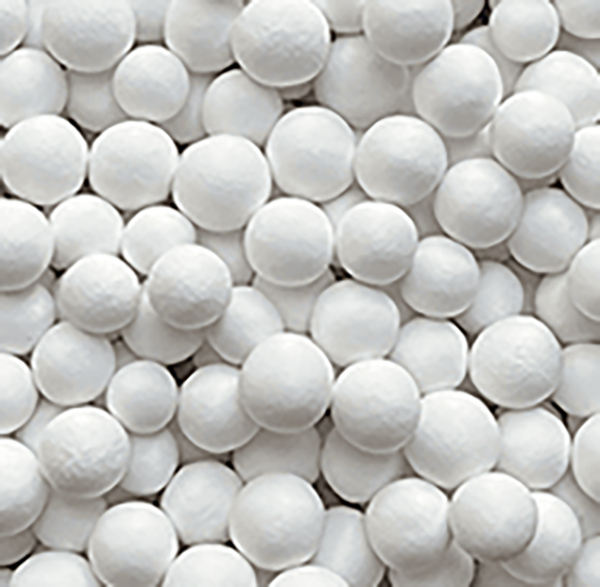
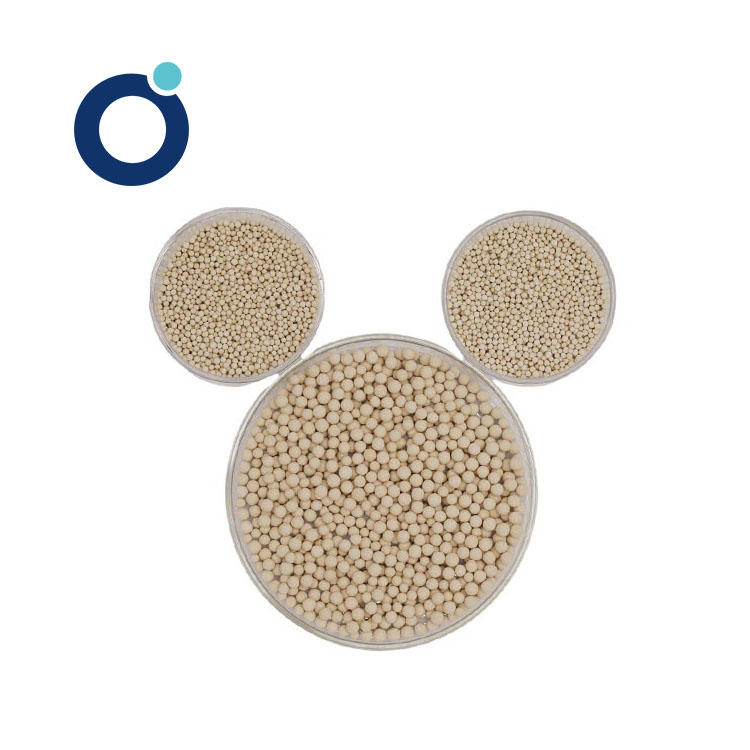
Introduction to Molecular Sieve Technologies in H2O2 Synthesis
Hydrogen peroxide (H2O2) stands as one of the most versatile and environmentally friendly chemicals in modern industry. Used extensively in pulp and paper bleaching, wastewater treatment, textile processing, chemical synthesis, and increasingly in high-tech semiconductor manufacturing, the global demand for H2O2 continues to climb. The primary industrial route for producing hydrogen peroxide is the anthraquinone auto-oxidation (AO) process. This sophisticated cyclic method relies heavily on the purity and stability of its working solution, where molecular sieves and specialized adsorbents play an indispensable role.
Within the anthraquinone loop, the working solution undergoes sequential hydrogenation and oxidation steps. Throughout these continuous chemical transformations, various unwanted degradation products, moisture, and impurities accumulate. If left unchecked, these contaminants rapidly deactivate the expensive precious metal catalysts (such as palladium) used in the hydrogenation stage. Here, high-performance molecular sieves serve as critical purification agents, selectively capturing water, degraded anthraquinone derivatives, and other polar impurities, thereby ensuring optimal process efficiency and extending catalyst lifespan.
SEO Key Insight: Implementing targeted molecular sieve adsorption systems in H2O2 manufacturing plants can improve palladium catalyst lifetime by up to 30% and reduce overall working solution replacement costs significantly.
The Anthraquinone Auto-Oxidation (AO) Process and Adsorption Dynamics
The anthraquinone process is a complex, closed-loop chemical cycle involving the hydrogenation of alkyl anthraquinones dissolved in a mixture of organic solvents (the working solution), followed by oxidation with air to generate hydrogen peroxide. The H2O2 is then extracted from the organic phase with water and concentrated. While highly efficient, this process is prone to secondary reactions. Over time, alkyl anthraquinones degrade into inactive compounds like oxanthrone, anthrone, and tetrahydroanthraquinone epoxides.
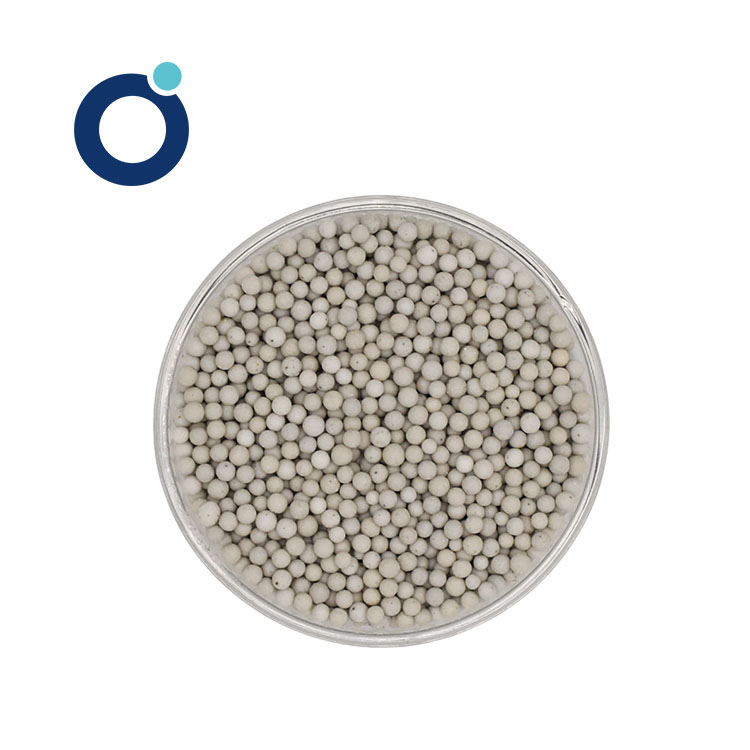
These degradation products not only lower the active carrier concentration but also alter the physical properties of the working solution, such as viscosity and density, which impairs extraction efficiency. Specialized molecular sieves and activated alumina are deployed within the filtration and regeneration loops to convert some of these degraded components back into active anthraquinones and to selectively adsorb acidic compounds and moisture. The precise pore structure of synthetic zeolites allows for molecular-level sieving, ensuring that active anthraquinones remain untouched while detrimental impurities are securely trapped within the crystalline framework.
Key Application Scenarios of Molecular Sieves in H2O2 Plants
1. Working Solution Regeneration and Acid Removal
During the oxidation and extraction stages of the H2O2 production cycle, acidic compounds are often generated or introduced. These acids catalyze further degradation of the working solution and corrode downstream equipment. Alumina-silicate molecular sieves and activated alumina act as excellent acid scavengers, neutralizing and adsorbing acidic species. This maintaining of a neutral or slightly alkaline working solution environment is vital for preventing uncontrolled decomposition of hydrogen peroxide during the extraction phase.
2. Feed Air Drying and Nitrogen Purification
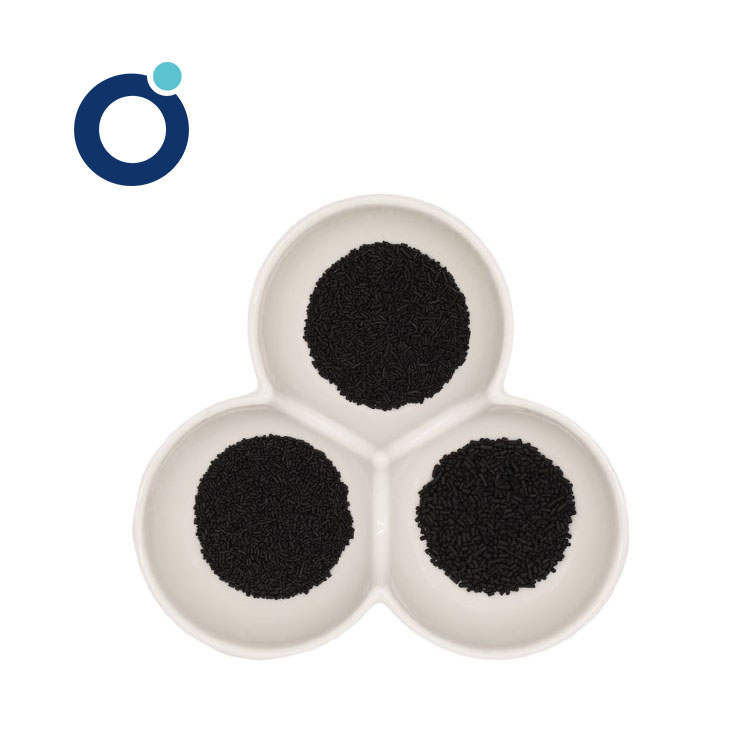
The oxidation step requires a continuous, high-volume feed of clean, dry air. Any moisture introduced via the air feed can disrupt the water balance of the working solution and affect the extraction column's performance. Furthermore, nitrogen gas is widely used for blanketing and purging to maintain safety in the presence of volatile organic solvents. Carbon molecular sieves (CMS) are utilized in Pressure Swing Adsorption (PSA) units to generate high-purity nitrogen onsite, ensuring an inert, moisture-free atmosphere across the plant.
3. Hydrocarbon and VOC Recovery from Off-Gas
The off-gas from the oxidation reactor contains vapors of the working solution solvents (typically heavy aromatics and polar solvents like trioctyl phosphate). Discharging this off-gas directly into the atmosphere is both an environmental hazard and a significant economic loss. Hydrophobic molecular sieves and specialized silica gels are implemented in vapor recovery systems to selectively adsorb these organic solvents from the gas stream, allowing them to be recycled back into the process loop.
Industrial Status & Economic Impact of Advanced Adsorbents
The industrial landscape for hydrogen peroxide production is shifting toward larger-scale, highly integrated plants designed to minimize waste and energy consumption. As profit margins tighten, plant operators are focusing on reducing operational expenditures (OpEx), where catalyst replacement and working solution replenishment represent a substantial share. High-quality molecular sieves directly influence these cost centers. By maintaining the purity of the working solution, sieves reduce the frequency of catalyst regeneration cycles, keeping the plant operating at peak capacity for longer periods.
Moreover, the rise of "green chemistry" initiatives globally has pressured manufacturers to eliminate chlorinated solvents and minimize wastewater discharge. Advanced molecular sieves facilitate cleaner separation processes, reducing the need for chemical washes and secondary purification steps that generate hazardous waste streams. Consequently, the integration of premium adsorbents has transitioned from an optional optimization step to a standard design protocol for modern H2O2 production facilities.
Future Trends: The Drive Toward Electronics-Grade H2O2
One of the fastest-growing segments in the chemical industry is the demand for Ultra-High-Purity (UHP) or Electronics-Grade Hydrogen Peroxide (EG-H2O2). Used extensively in the semiconductor industry for cleaning silicon wafers and etching circuits, EG-H2O2 requires impurity levels to be restricted to parts-per-trillion (ppt) ranges. Standard anthraquinone-derived H2O2 contains trace organic impurities and metal ions that render it unsuitable for semiconductor applications without intensive post-treatment.
To meet these stringent standards, advanced purification units utilizing specialized zeolite molecular sieves and ion-exchange resins are deployed at the tail end of the production line. These specialized molecular sieves are engineered with custom pore geometries and surface chemistries designed to target specific micro-impurities, such as TOC (total organic carbon) and specific metal cations, without introducing any contaminants. The development of these high-selectivity, ultra-clean molecular sieves represents the frontier of research and development in the adsorbent industry today.
Shanghai Jiuzhou Chemicals: Leading the Evolution of Adsorption Technology
As a global leader in the manufacture of high-performance adsorbents, Shanghai Jiuzhou Chemicals Co., Ltd. has spent decades refining its molecular sieve formulations to meet the evolving demands of the hydrogen peroxide industry. By combining state-of-the-art manufacturing processes with a deep understanding of the anthraquinone loop chemistry, Jiuzhou delivers products that optimize process efficiency, protect valuable catalysts, and support the production of high-purity H2O2 grades.
Our dedicated research teams continuously innovate to produce molecular sieves with enhanced mechanical strength, high adsorption capacities, and superior thermal stability, ensuring long service lifetimes even under the demanding cyclic conditions of modern chemical plants. Whether for working solution regeneration, air drying, or nitrogen generation, Jiuzhou provides tailored adsorption solutions that drive sustainability and profitability for our global partners.
Company Profile
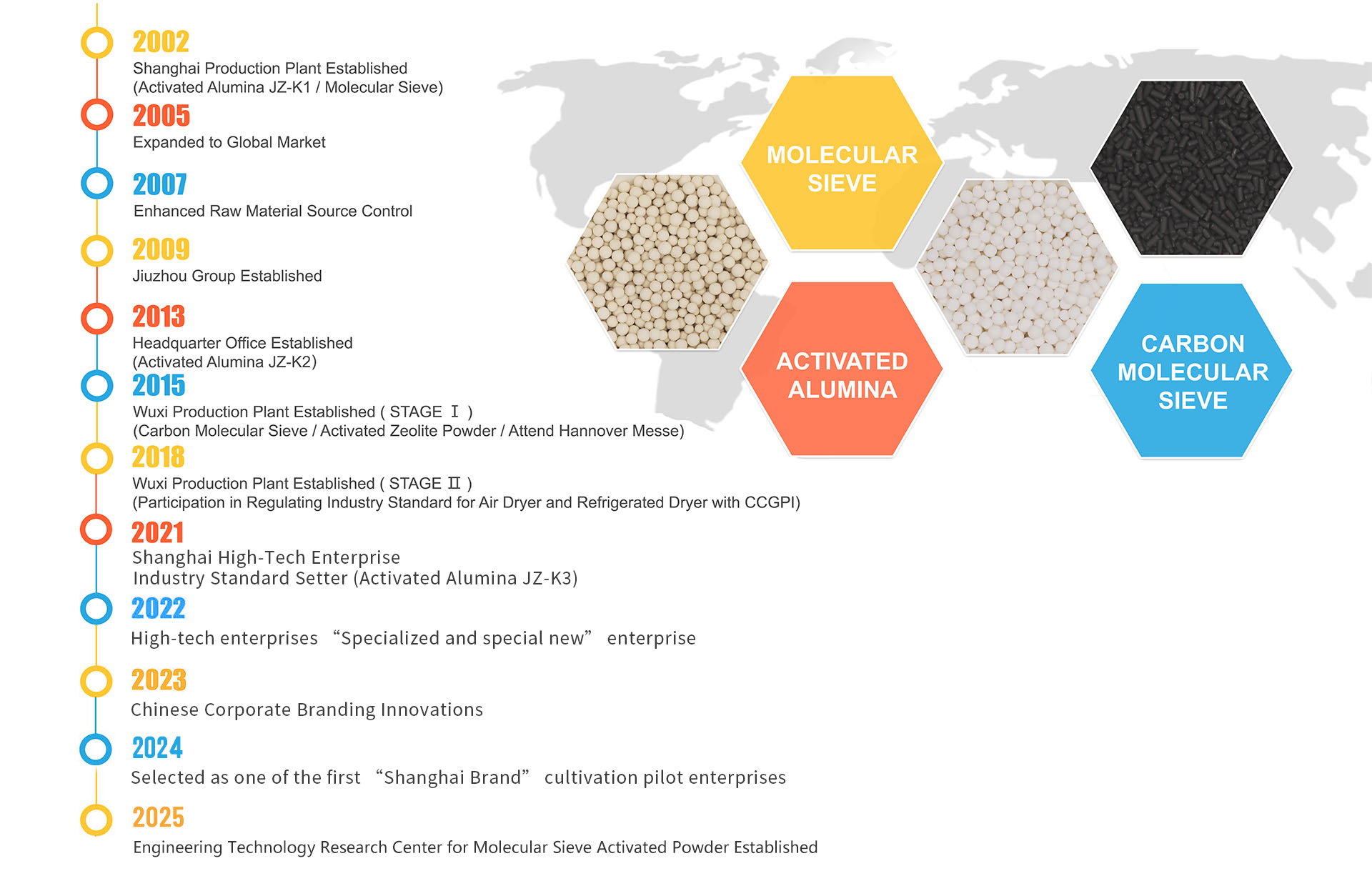
Shanghai Jiuzhou Chemicals Co., Ltd. is located in the largest economic development city, Shanghai. Over the years, Jiuzhou has always adhered to the "quality control, innovation" principles, committed to the development, research, and manufacturing of high-quality innovative chemical products.
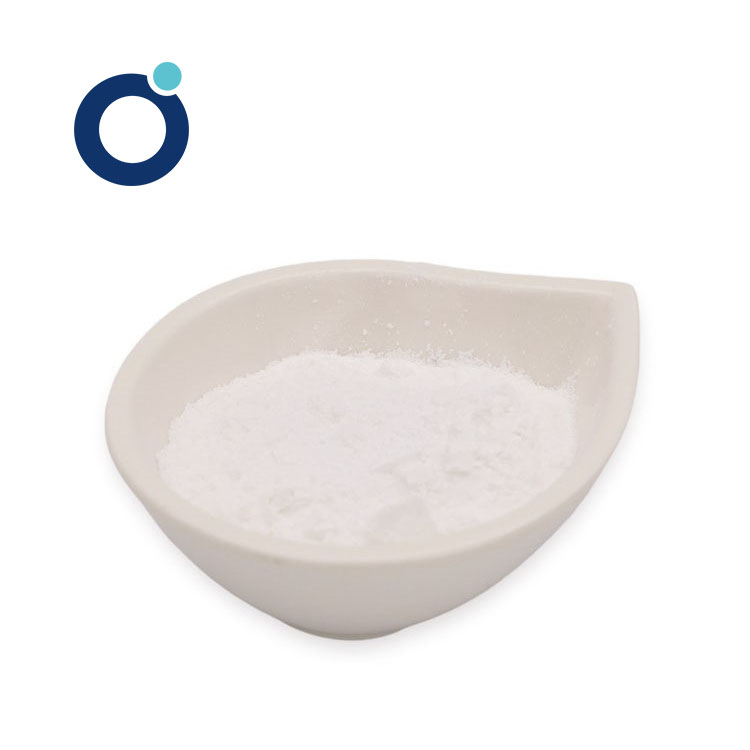
Our main products include various molecular sieve powders, molecular sieves, activated powder, activated alumina, aluminum oxide catalysts, different types of alumina packing and ceramic balls, sodium silicates, aluminum hydroxide, zeolite 4A, sodium carbonates, SLES, etc. All our products have passed the ISO9001: 2008 quality management system certification and TUV & SGS Certification.
Jiuzhou factory has a professional and world-class research team and experts in chemical product resources. We use the best in international production technology and professional production equipment, constructed in line with national standards and by the large multipurpose plant monitoring, analysis instrument composition the central laboratory. And in quality inspection aspect, Jiuzhou has controlled and ensured that products meet international standards.
Jiuzhou's technical strength and industry reputation are leading the industry in the field of desiccants, with senior experts and technical reserves, automated multi-functional production workshops, and a central laboratory and dynamic laboratory composed of large-scale monitoring and analysis instruments. In terms of quality control and supporting services, a scientific and complete operating system has been established. Joozeo products are exported to all parts of the world, and have established a distribution network in the United States, Southeast Asia, Japan, Europe, North and South America, the Middle East, and other places to provide partners with high-quality products, customized services, and more energy-saving and environmentally friendly adsorption solutions.