Introduction: The Crucial Need for Natural Gas Dehydration
Natural gas extracted from underground reservoirs is saturated with water vapor. If left untreated, this moisture poses severe operational hazards during pipeline transmission and processing. When temperature and pressure drop, water reacts with light hydrocarbons to form solid gas hydrates (clathrates). These ice-like structures can restrict or completely block pipelines, damage valves, and lead to catastrophic equipment failures. Furthermore, water combines with sour gases like carbon dioxide (CO2) and hydrogen sulfide (H2S) to form highly corrosive acids, accelerating pipeline degradation. Therefore, achieving a water dew point below -100°C (-148°F) is mandatory for downstream applications, especially cryogenic Liquefied Natural Gas (LNG) processing where water content must be strictly kept under 0.1 ppmv.
Why Molecular Sieves are Indispensable
While glycol absorption (TEG) systems can reduce moisture levels to around 30-50 ppmv, only solid-bed adsorption using specialized molecular sieves can reliably achieve the ultra-low dew points required for cryogenic turbo-expanders and LNG liquefaction plants.
How Molecular Sieves Work: The Chemistry and Physics of Adsorption
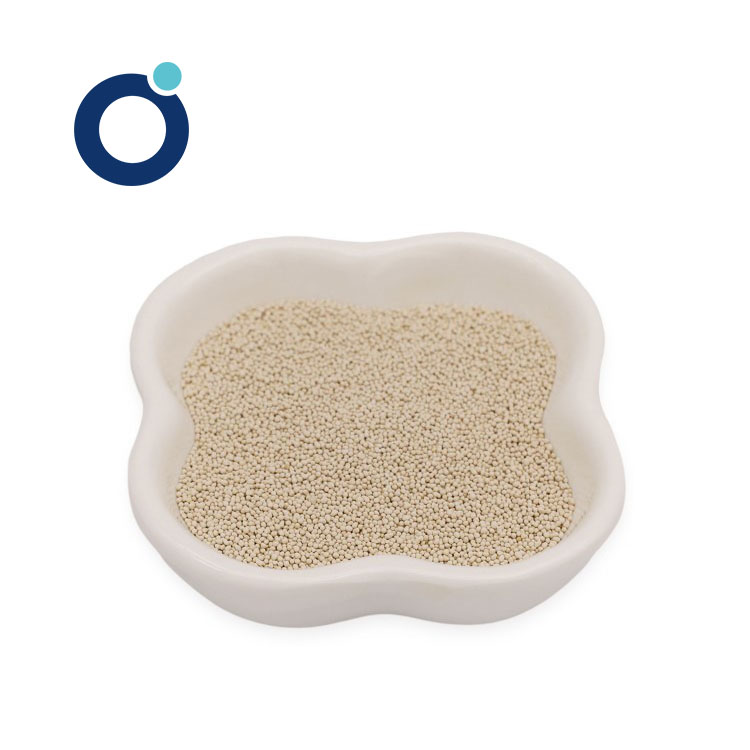
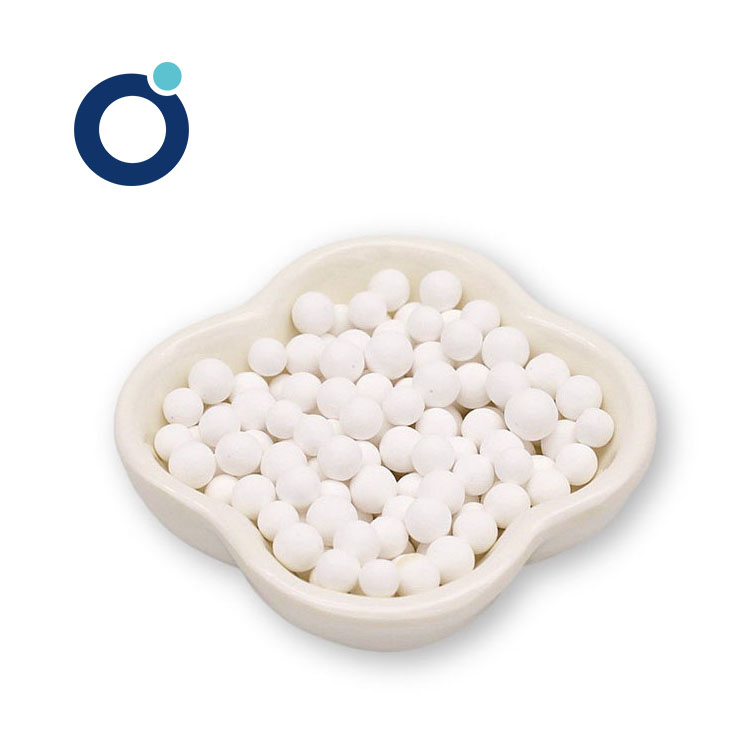
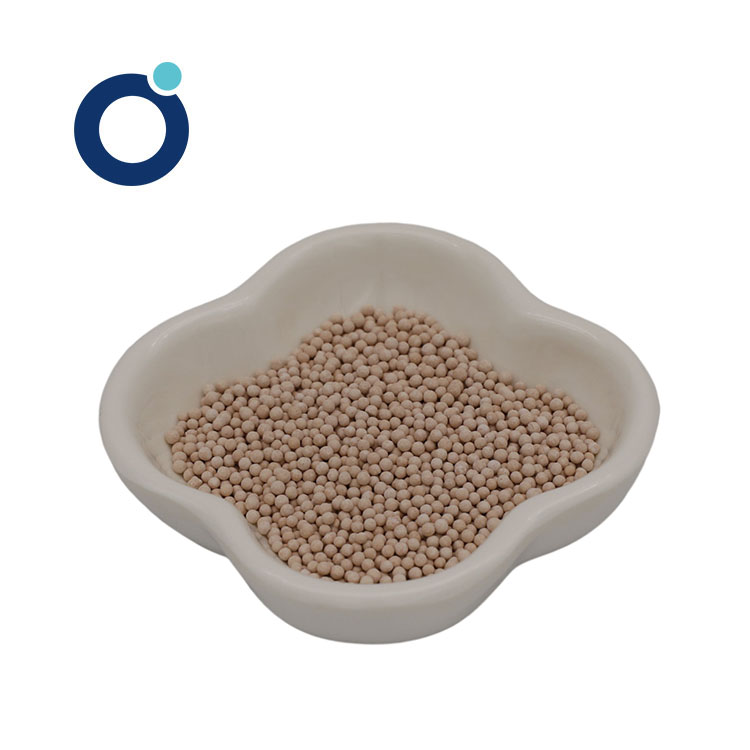
Molecular sieves are crystalline aluminosilicates (zeolites) featuring a highly uniform, three-dimensional porous structure. The framework consists of SiO4 and AlO4 tetrahedra, which form cages with precise pore openings. These pores function on two primary principles: size exclusion and electrostatic attraction.
1. Size Exclusion (Steric Separation)
Zeolites are engineered with specific pore sizes, typically measured in Angstroms (Å). For natural gas dehydration, 3A (pore size ~3 Å) and 4A (pore size ~4 Å) molecular sieves are widely utilized. A water molecule has a kinetic diameter of approximately 2.65 Å. Methane, the primary component of natural gas, has a kinetic diameter of 3.8 Å. By utilizing a 3A molecular sieve, water molecules easily enter the crystalline structure and are trapped, while methane, ethane, and heavier hydrocarbons are excluded. This prevents co-adsorption of the valuable fuel components, maximizing dehydration efficiency.
2. Polar Affinity and Electrostatic Attraction
The zeolite framework carries a net negative charge balanced by metal cations (such as sodium, potassium, or calcium). This creates extremely strong localized electrostatic fields within the cavities. Water, being a highly polar molecule, exhibits a strong dipole moment. The electrostatic attraction between the polar water molecules and the ionic site inside the pores is incredibly strong. This allows molecular sieves to adsorb water even at very low relative humidity and elevated temperatures, a capability where other adsorbents like silica gel or activated alumina fall short.
Industrial Status & Market Dynamics of Gas Dehydration
The global demand for natural gas as a clean transition fuel has surged, driving massive investments in LNG export terminals, pipeline systems, and processing facilities. Consequently, the market for high-performance molecular sieves has grown rapidly. Modern industrial operations prioritize energy efficiency, extended adsorbent lifespans, and reduced operating costs. The regeneration of molecular sieves is energy-intensive, typically requiring Thermal Swing Adsorption (TSA) cycles where dry gas is heated to 200°C - 300°C to drive off the adsorbed water. As carbon taxes and environmental regulations tighten, operators are demanding advanced zeolites that require lower regeneration temperatures and offer higher mechanical strength to prevent attrition losses over thousands of cycles.
Deep Application Scenarios in Natural Gas Processing
Scenario A: Cryogenic LNG Production and Pre-treatment
In LNG liquefaction plants, natural gas is cooled to -162°C (-260°F) to transition it into a liquid state for overseas shipping. At these extremely cold temperatures, even trace amounts of water will freeze instantly, coating heat exchanger surfaces and causing critical blockages. Molecular sieve beds are placed immediately upstream of the cryogenic cold box. They act as the final, absolute barrier against moisture, reducing water concentration to less than 0.1 ppmv. The molecular sieves must also demonstrate resistance to hydrothermal degradation, as they are subjected to repetitive heating and cooling cycles during regeneration.
Scenario B: Natural Gas Liquids (NGL) Fractionation
NGL recovery facilities extract valuable ethane, propane, and butane from the natural gas stream. Similar to LNG plants, these processes utilize cryogenic turbo-expanders. Water must be removed to prevent hydrate formation in the expander nozzles. Molecular sieves ensure the feed gas is deeply dehydrated, protecting the integrity of the fractionation columns and maximizing liquid recovery rates.
Scenario C: Sour Gas Treatment & COS Prevention
In reservoirs containing high amounts of carbon dioxide (CO2) and hydrogen sulfide (H2S), chemical reactions can occur on the surface of standard molecular sieves. The catalytic activity of typical 4A zeolites can promote the reaction between CO2 and H2S to form carbonyl sulfide (COS) and water:
CO2 + H2S ⇌ COS + H2O
COS is a contaminant that is difficult to remove and can poison downstream catalysts. To prevent this, specialized low-catalytic-activity molecular sieves, such as 3A zeolites or custom-formulated adsorbents like JooSorb COS, are utilized. These selectives adsorb water while minimizing side reactions that generate COS.
Future Trends: Sustainability, AI Optimization, and Next-Gen Materials
The future of natural gas dehydration is heavily focused on sustainability and smart operations. Research is ongoing into structured adsorbents, such as monoliths or 3D-printed zeolite structures, which offer lower pressure drops and faster mass transfer rates compared to traditional beads. Furthermore, the integration of AI and machine learning in processing plants allows for real-time monitoring of adsorption wavefronts. By analyzing temperature profiles and outlet dew points, AI-driven control systems can optimize the timing of regeneration cycles, preventing premature switching and saving millions of dollars in utility heating costs annually.
INTRODUCTION (Original Text)
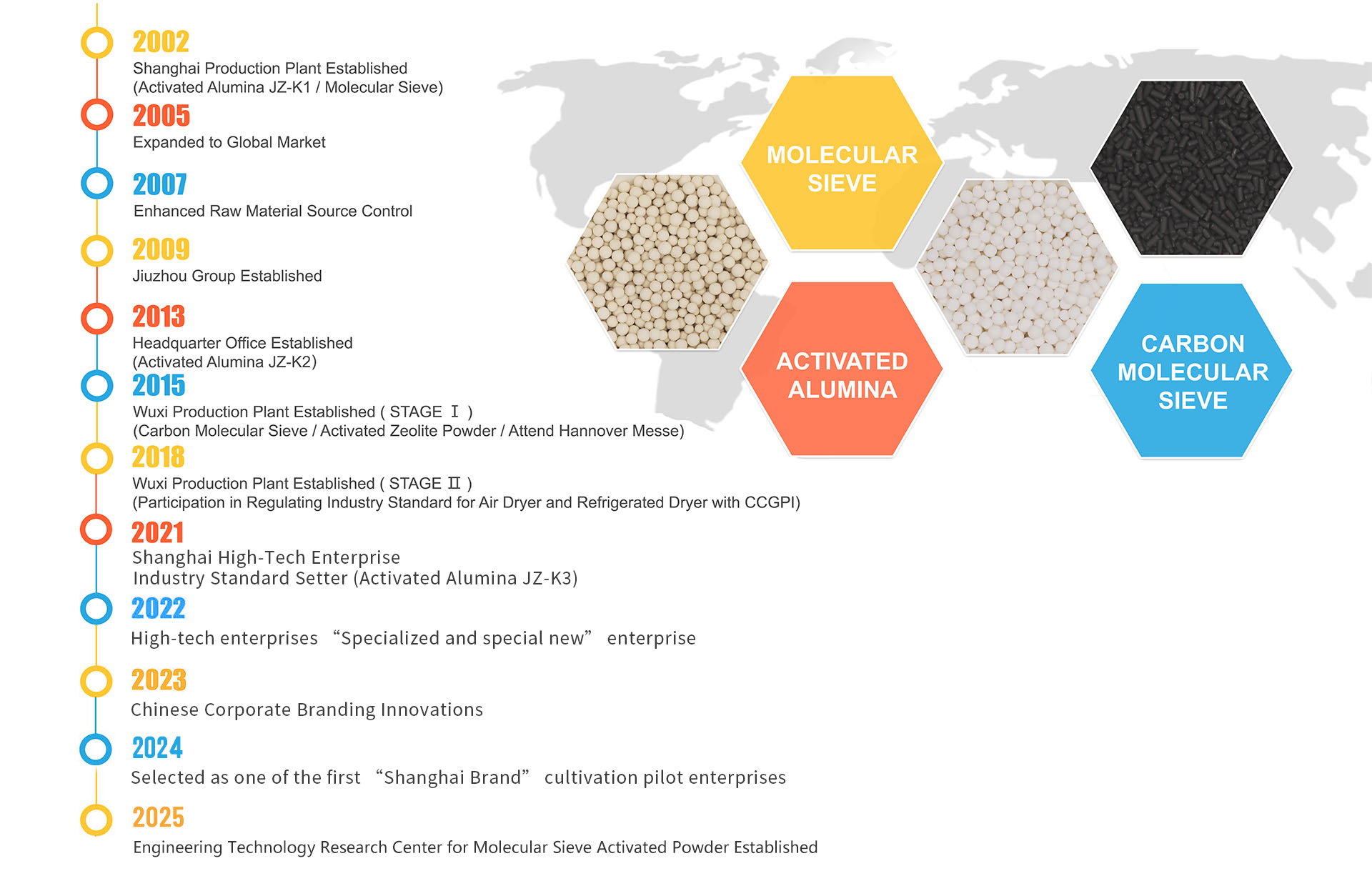
Shanghai Jiuzhou Chemicals Co., Ltd. Located in the biggest Economic Development city Shanghai. Over the years Jiuzhou has always adhered to the “quality control, innovation “principles, committed to the development, research, manufacturing of high quality innovative chemical products. Our main products includes various molecular sieve powders, molecular sieves, activated powder, activated alumina, aluminum oxide catalysts, different types of alumina packing and ceramic balls, sodium silicates, aluminum hydroxide,zeolite 4A, sodium carbonates, SLES, etc. Our all products passed the ISO9001: 2008 quality management system certification and TUV & SGS Certification.
Jiuzhou factory has a professional and world-class research team and experts in chemical product resources.We use the best in international prodution technonlogy and professional production equipment, constructed in line with national standards and by the large multipurpose plant monitoring, analysis instrument composition the central laboratory. And in quality inspection aspect Jiuzhou have controlled and that products meet international standards.
Jiuzhou's technical strength and industry reputation are leading the industry in the field f desiccants, with senior experts and technical reserves, automated multi-unctional production workshops, and a central laboratory and dynamic laboratory composed of large-scale monitoring and analysis instruments. It is in quality control And in terms of supporting services, a set of scientific and complete operating system has been established Joozeo products are exported to all parts of the world, and have established a distribution network in the United States, Southeast Asia, Japan, Europe, North and South America, the Middle East and other places to provide parthers with high-quality products, customized services, and more eneray-saving and environmentally friendly adsorption solutions.
Operational Best Practices: Troubleshooting & Bed Protection
To maximize the operational life of molecular sieves (typically 3 to 5 years), proper bed management is crucial:
- Liquid Water Carryover: Liquid water entering the molecular sieve bed causes hydrothermal degradation during regeneration, leading to the collapse of the zeolite crystal structure. Robust coalescing filters must be installed upstream.
- Hydrocarbon Contamination: Heavy hydrocarbons and compressor oils can deposit on the molecular sieve, blocking the pore openings (coking). Guard beds of activated alumina or silica gel are often placed at the inlet to capture these heavy contaminants.
- Regeneration Control: Heating and cooling rates must be carefully controlled to prevent thermal shock and mechanical stress, which can lead to adsorbent attrition and dust formation.