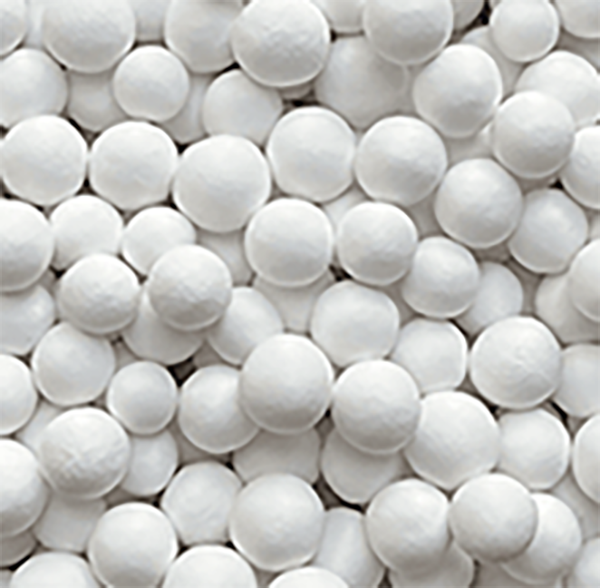
Featured Purification & Adsorption Media
High-performance molecular sieves and desiccants designed for oxygen concentration and industrial oil purification systems.
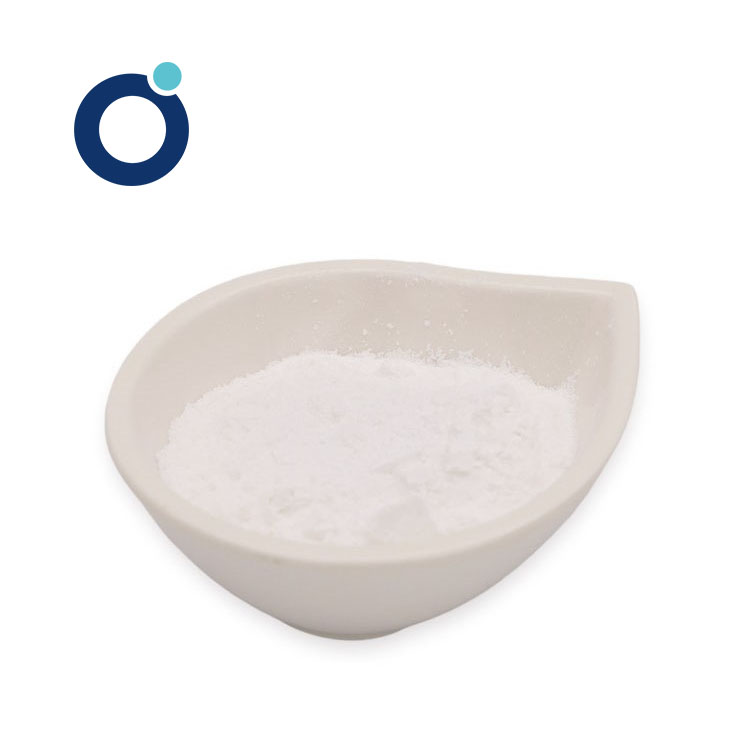
Molecular Sieve JZ-AZ for Oil Dehydration
Learn More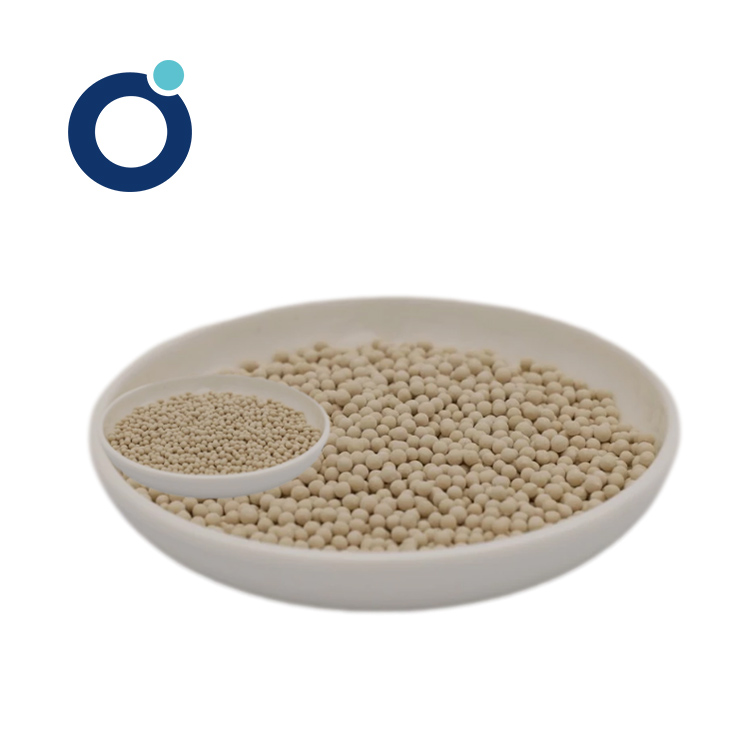
Molecular Sieve JZ-ZMS5 for Oxygen Generation
Learn More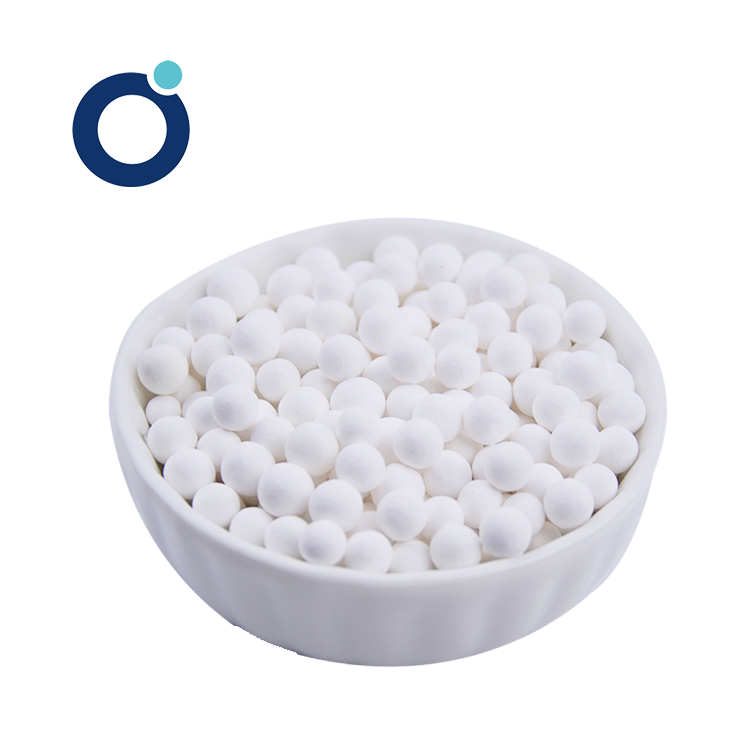
Activated Alumina JZ-E for Acid Removal
Learn More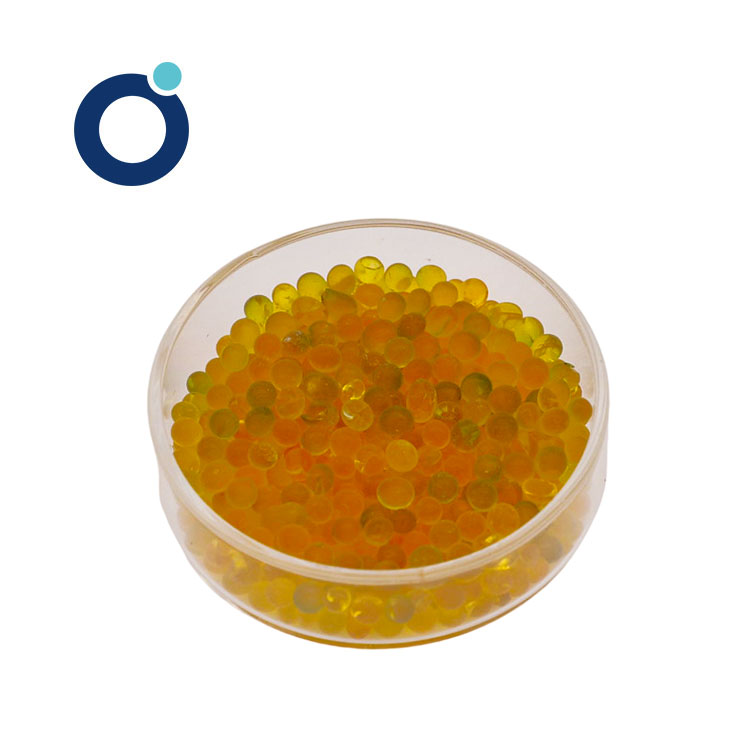
Silica Gel JZ-SG-O for Transformer Breathers
Learn MoreThe Critical Role of Molecular Sieves in Oxygen Concentrators and Transformer Oil Purification
In the global energy transmission landscape, power transformers represent the most critical infrastructure assets. The insulation system of these transformers, typically composed of cellulose paper and insulating mineral oil, is subject to continuous thermal, electrical, and chemical degradation. Among all degrading factors, moisture and dissolved oxygen are the primary catalysts for insulation aging, leading to reduced dielectric strength and catastrophic failures.
To mitigate this, modern electrical engineering utilizes specialized gas generation and direct adsorption technologies. At the heart of these systems is the molecular sieve for oxygen concentrator systems, which generates high-purity oxygen or nitrogen used in oil degassing, alongside direct-contact molecular sieves used to dehydrate transformer oil. By utilizing Pressure Swing Adsorption (PSA) technology, molecular sieves allow for the on-site generation of dry gases that strip moisture and combustible gases from the insulating oil, ensuring optimal grid performance.
“The synergy between high-purity gas generation via zeolite molecular sieves and direct bypass oil filtration represents the modern gold standard for transformer life-extension programs.”
How Oxygen Concentrator Molecular Sieves Feed the Purification Cycle
Oxygen concentrators rely on synthetic zeolites, such as lithium-exchanged or sodium-based aluminosilicates (e.g., JZ-ZMS5 and JZ-OM), to separate nitrogen from ambient air. Through a process of selective adsorption under pressure, the molecular sieve traps nitrogen molecules due to their larger quadrupole moment, allowing oxygen to pass through as a product gas. But how does this connect to transformer oil purification?
In advanced purification systems, the generated oxygen can be converted into ozone for specialized oxidation treatments of heavily degraded oils, or the PSA technology is modified to produce ultra-dry nitrogen. Nitrogen is widely utilized as a blanketing gas in transformer conservator tanks, preventing atmospheric air and moisture from entering. Furthermore, dry gas stripping systems bubble dry nitrogen through transformer oil to pull dissolved moisture and carbon dioxide out of the fluid, maintaining its breakdown voltage above critical thresholds.
Key Technologies in Oil Reclamation
Understanding the multi-faceted approach to maintaining dielectric fluid stability.
Pressure Swing Adsorption (PSA)
Utilizing JZ-ZMS5 molecular sieves to generate dry gases on-site, providing the necessary dry air or nitrogen for oil degassing units.
Direct Dehydration
Using JZ-AZ molecular sieves directly in oil bypass loops to adsorb dissolved water molecules down to less than 10 ppm.
Acid & Polar Removal
Deploying Activated Alumina JZ-E to neutralize soluble acids and decay products, restoring the oil's interfacial tension.
Commercial and Industrial Status of Transformer Oil Purification
The global market for transformer oil purification and regeneration is witnessing unprecedented growth. This surge is driven by the rapid expansion of ultra-high voltage (UHV) transmission networks, particularly in developing economies, and the aging electrical infrastructure in North America and Europe. Utilities are increasingly shifting away from the costly and environmentally hazardous practice of replacing degraded oil, opting instead for online, automated oil reclamation systems.
From a commercial perspective, the efficiency of an oil purification rig is directly tied to the quality of its adsorbent bed. Molecular sieves engineered with high mechanical strength, uniform pore sizes, and high thermal stability are in high demand. These materials must withstand continuous contact with hot mineral oil (often up to 80°C) without shedding dust or collapsing structurally, which could otherwise contaminate the transformer.
Development Trends: Smart and Energy-Efficient Regeneration
The future of industrial adsorption lies in energy efficiency and real-time monitoring. Traditional molecular sieve regeneration requires heating the bed to temperatures above 200°C to desorb moisture. Current research and development are focused on developing low-temperature regeneration zeolites that significantly reduce the carbon footprint of mobile purification units.
Additionally, the integration of IoT sensors within molecular sieve columns allows operators to monitor moisture saturation levels in real-time. This predictive maintenance capability ensures that the molecular sieve is regenerated only when necessary, maximizing the operational lifespan of both the adsorbent media and the transformer oil.
Deep Application Scenarios of Molecular Sieves in Power Grids
1. Ultra-High Voltage (UHV) Transformer Commissioning
Before a new UHV transformer (operating at 800kV or above) is energized, the insulating oil must undergo a rigorous purification process. The presence of even minor moisture traces can lead to partial discharges and localized overheating. Mobile oil purification units, equipped with vacuum chambers and molecular sieve polishing columns, process the oil at high flow rates. The molecular sieve ensures that the final moisture content is pushed below 5 ppm, providing a critical safety margin for the initial startup.
2. On-Load Tap Changer (OLTC) Online Filtration
OLTCs are the only moving parts in a transformer and are highly prone to generating carbon particles and moisture due to arcing during tap changes. Dedicated online oil filtration systems are installed on individual transformers to continuously clean the OLTC oil. By utilizing a hybrid bed of JZ-AZ molecular sieves and activated alumina, these systems continuously remove moisture and acids, preventing arc-over failures and extending the maintenance intervals of the tap changer.
3. Wind Farm Substation Maintenance
Offshore and onshore wind farm transformers operate under highly variable load conditions, which accelerate oil degradation. Because of their remote locations, performing traditional oil changes is logistically challenging and expensive. Compact, skid-mounted purification units utilizing specialized oxygen concentrators and molecular sieve filters are permanently installed on these sites to provide continuous, maintenance-free oil conditioning.
Company Strengths & Global Reach
Shanghai Jiuzhou Chemicals Co., Ltd. delivers world-class chemical adsorbents backed by rigorous quality control and technical expertise.
About Shanghai Jiuzhou Chemicals
A leading force in the research and manufacture of high-performance chemical adsorbents.
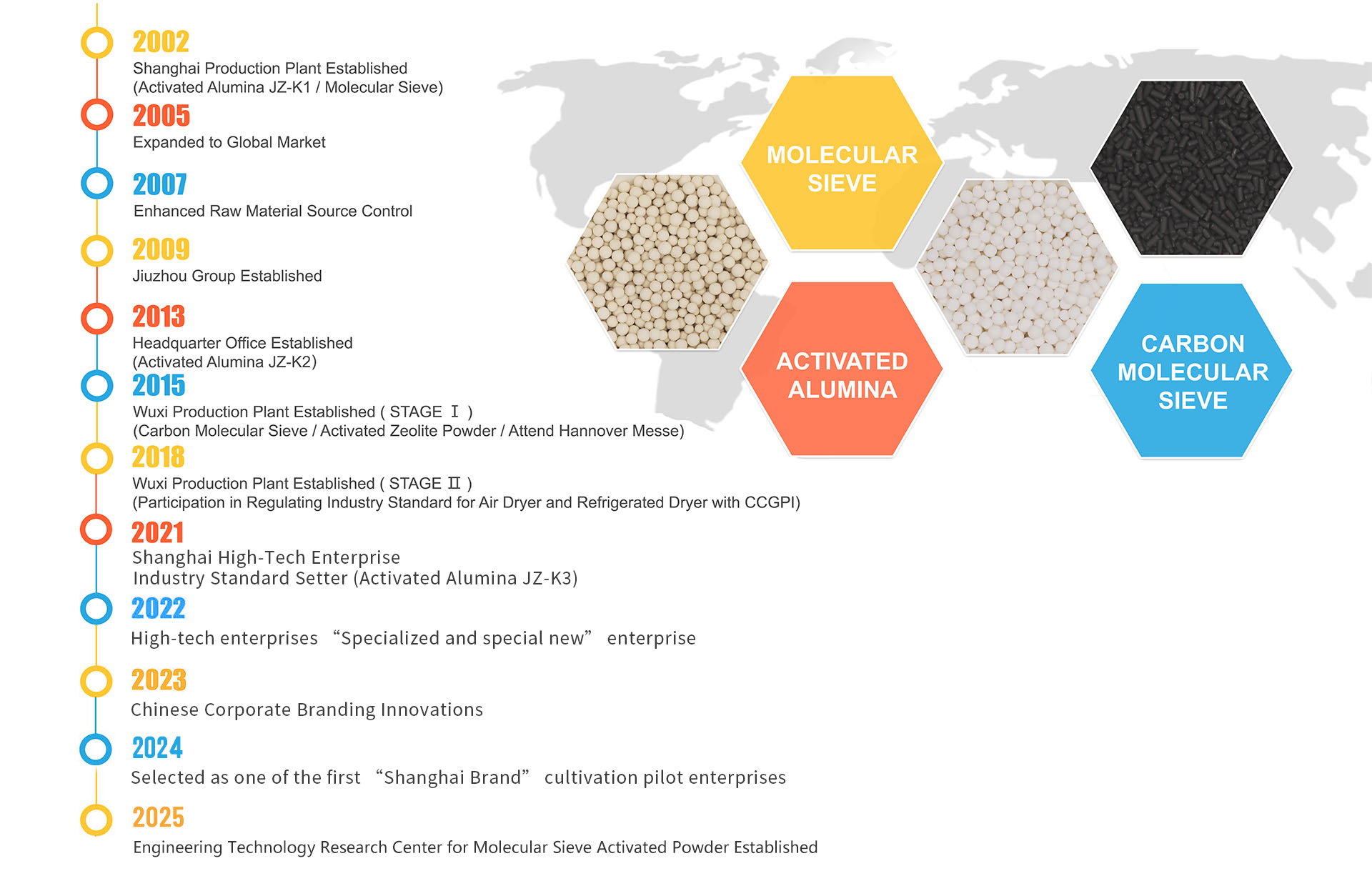
Shanghai Jiuzhou Chemicals Co., Ltd. Located in the biggest Economic Development city Shanghai. Over the years Jiuzhou has always adhered to the “quality control, innovation “principles, committed to the development, research, manufacturing of high quality innovative chemical products. Our main products includes various molecular sieve powders, molecular sieves, activated powder, activated alumina, aluminum oxide catalysts, different types of alumina packing and ceramic balls, sodium silicates, aluminum hydroxide,zeolite 4A, sodium carbonates, SLES, etc. Our all products passed the ISO9001: 2008 quality management system certification and TUV & SGS Certification.
Jiuzhou factory has a professional and world-class research team and experts in chemical product resources.We use the best in international prodution technonlogy and professional production equipment, constructed in line with national standards and by the large multipurpose plant monitoring, analysis instrument composition the central laboratory. And in quality inspection aspect Jiuzhou have controlled and that products meet international standards.
Jiuzhou's technical strength and industry reputation are leading the industry in the field f desiccants, with senior experts and technical reserves, automated multi-unctional production workshops, and a central laboratory and dynamic laboratory composed of large-scale monitoring and analysis instruments. It is in quality control And in terms of supporting services, a set of scientific and complete operating system has been established Joozeo products are exported to all parts of the world, and have established a distribution network in the United States, Southeast Asia, Japan, Europe, North and South America, the Middle East and other places to provide parthers with high-quality products, customized services, and more eneray-saving and environmentally friendly adsorption solutions.
Our Complete Product Portfolio
Explore our full range of molecular sieves, activated alumina, and catalyst products optimized for industrial purification.
Molecular Sieve JZ-AZ for Oil Dehydration
View Product
Molecular Sieve JZ-ZMS5 for PSA Oxygen
View Product
Activated Alumina JZ-E Acid Adsorbent
View Product
Silica Gel JZ-SG-O Breather Desiccant
View Product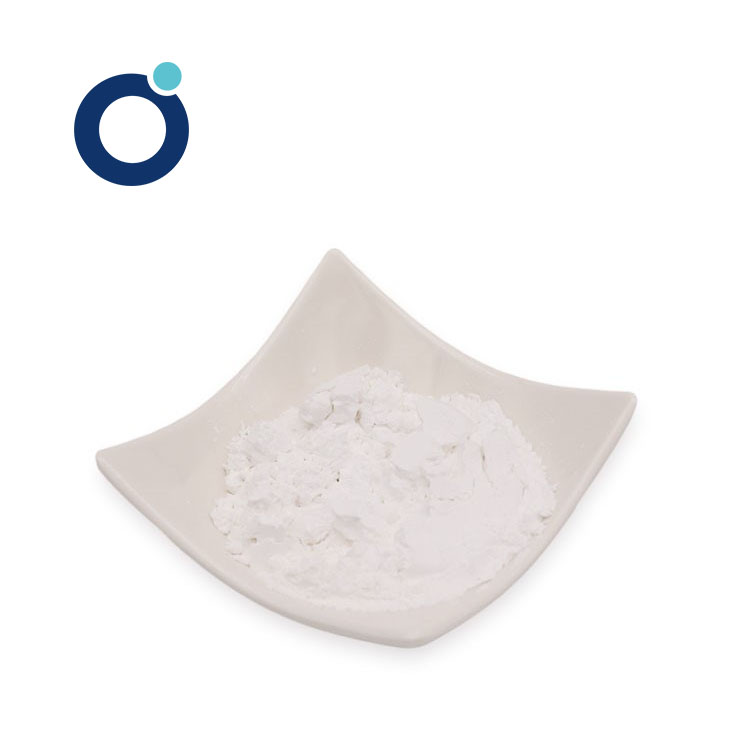
Soda Ash Dense JZ-DSA-H for Water Treatment
View Product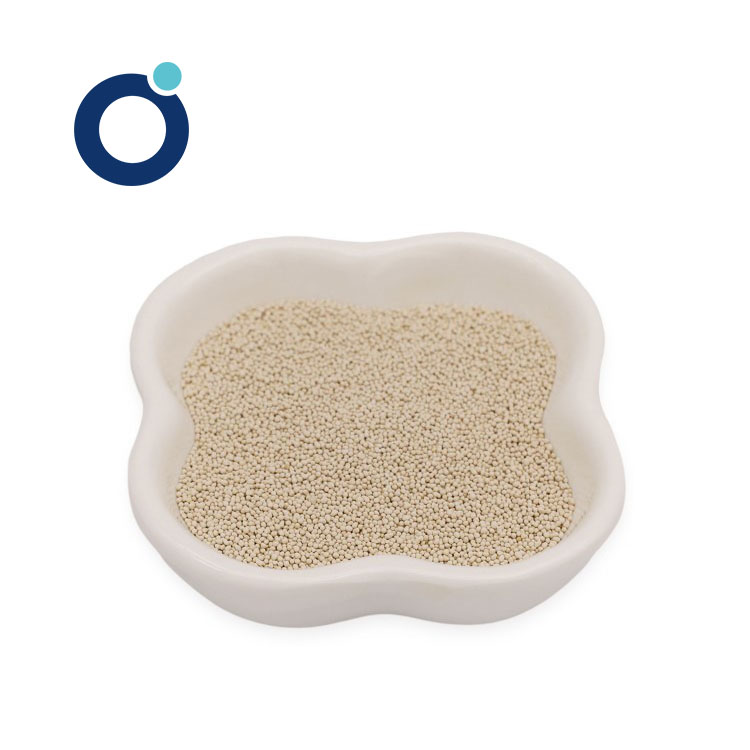
Oxygen Molecular Sieve JZ-OM High Purity
View Product
Duralyst Ti-850 High-Strength Catalyst
View Product