Key Adsorption Solutions
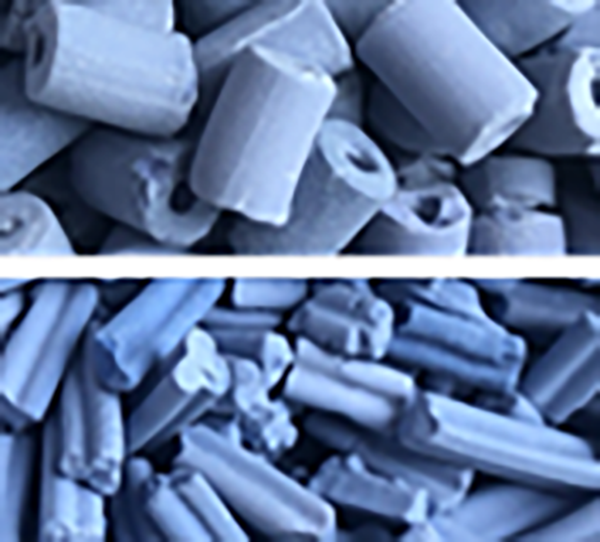
1. Introduction to Molecular Sieves in Kuwait's Modern Landscape
In recent years, the demand for highly efficient gas separation technologies has surged globally, and Kuwait is no exception. At the heart of this technological revolution lies the molecular sieve for oxygen concentrators in Kuwait. As a critical component in both medical therapy and industrial processes, molecular sieves—specifically synthetic zeolites—serve as the molecular engine that filters nitrogen from ambient air to deliver high-purity oxygen.
Kuwait's unique geographical location, characterized by extreme desert climates, high ambient temperatures, and intensive industrial operations, demands exceptionally robust materials. Whether deployed in portable oxygen concentrators (POCs) for patient care in Kuwait City or incorporated into large-scale Pressure Swing Adsorption (PSA) plants in the Shuaiba Industrial Area, these adsorbents must operate at peak thermodynamic efficiency. The selection of the right molecular sieve is not merely a technical choice but a critical operational decision that impacts energy consumption, system longevity, and the safety of human lives.
2. Understanding PSA Technology & How Molecular Sieves Generate Oxygen
To understand the significance of molecular sieves, one must look at the mechanics of Pressure Swing Adsorption (PSA). The atmosphere consists of approximately 78% nitrogen, 21% oxygen, and 1% other trace gases. An oxygen concentrator utilizing PSA technology exploits the physical properties of zeolites to separate these gases under pressure.
"Under high pressure, the molecular sieve selectively adsorbs nitrogen due to its strong electrostatic interaction with the cations inside the zeolite's crystalline framework. This allows oxygen to pass through as the product gas, reaching purities of up to 93% to 95%."
Once the zeolite bed is saturated with nitrogen, the system drops the internal pressure (venting to the atmosphere), which releases the trapped nitrogen and regenerates the molecular sieve bed for the next cycle. This continuous pressure swinging requires the molecular sieve to possess outstanding mechanical strength, high nitrogen adsorption capacity, and rapid desorption kinetics. Any degradation in the sieve's structure leads to dust formation, system clogging, and a rapid drop in oxygen purity—issues that are magnified under the harsh operating conditions of the Middle East.
3. The Kuwaiti Market: Medical Infrastructure & Home Healthcare Needs
Kuwait's healthcare system, managed by the Ministry of Health (MOH), is undergoing rapid modernization. With the expansion of major medical complexes such as the Jaber Al-Ahmad Al-Sabah Hospital and the Amiri Hospital, the demand for stable, localized oxygen generation has reached an all-time high.
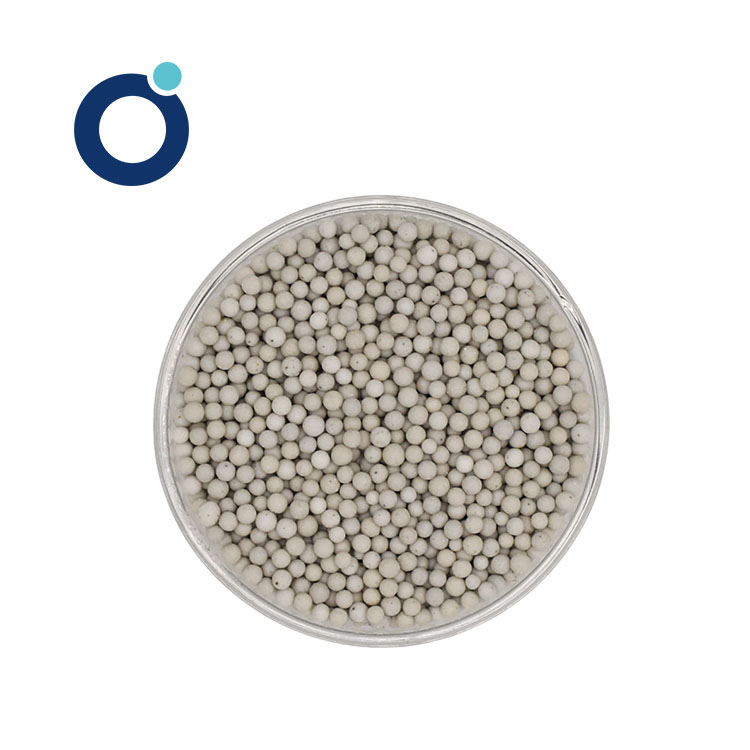
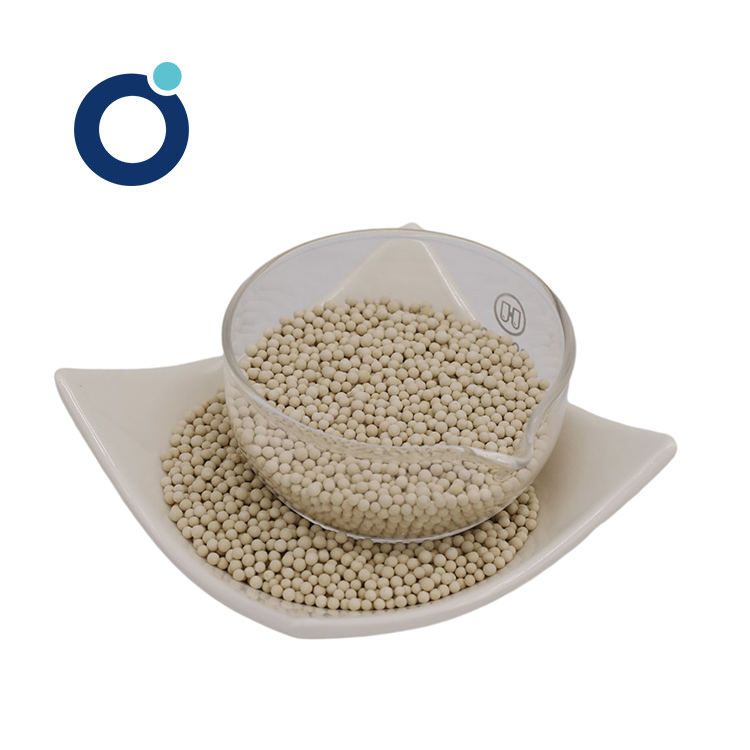
Furthermore, home healthcare is expanding rapidly in Kuwait. Patients suffering from chronic respiratory conditions, such as Chronic Obstructive Pulmonary Disease (COPD) or asthma—which are often exacerbated by seasonal dust storms (known locally as *Sarrayat* or *Khamaseen*)—rely heavily on portable and stationary oxygen concentrators. For these home care devices, the molecular sieve must be highly efficient, lightweight, and capable of producing medical-grade oxygen from compact canisters. Our specialized lithium-based and sodium-based molecular sieves, such as the Molecular Sieve JZ-ZMS3, are designed specifically to maximize oxygen yield per unit volume, making them the preferred choice for medical equipment manufacturers supplying the Kuwaiti market.
4. Industrial Applications: Oil, Gas, and Environmental Engineering in Kuwait
Beyond the medical sector, the application of molecular sieves in Kuwait extends deep into its core industrial sectors. Kuwait's economy is heavily anchored by its petroleum and petrochemical industries. Refineries managed by Kuwait National Petroleum Company (KNPC) and petrochemical complexes run by PIC require massive volumes of industrial gases.
- Sulfur Recovery & Tail Gas Treatment: Molecular sieves are used to dehydrate and purify feed gases, preventing catalyst poisoning.
- Wastewater Treatment: Oxygen-enriched aeration systems are critical for treating industrial effluents before they are discharged into the Arabian Gulf. High-output PSA oxygen generators equipped with robust molecular sieves ensure continuous bioreactor performance.
- Aquaculture: In Kuwait's growing aquaculture sector, particularly fish farming in Sabriya and Jahra, maintaining dissolved oxygen levels in breeding tanks is crucial. Localized PSA generators provide a reliable, cost-effective alternative to liquid oxygen deliveries.
5. Environmental Challenges in Kuwait & Material Resilience
Operating gas separation equipment in Kuwait presents severe environmental challenges. Summer temperatures regularly exceed 50°C (122°F), accompanied by high relative humidity along the coastal areas. High heat accelerates the kinetic energy of molecules, which can reduce the adsorption selectivity of standard zeolites.
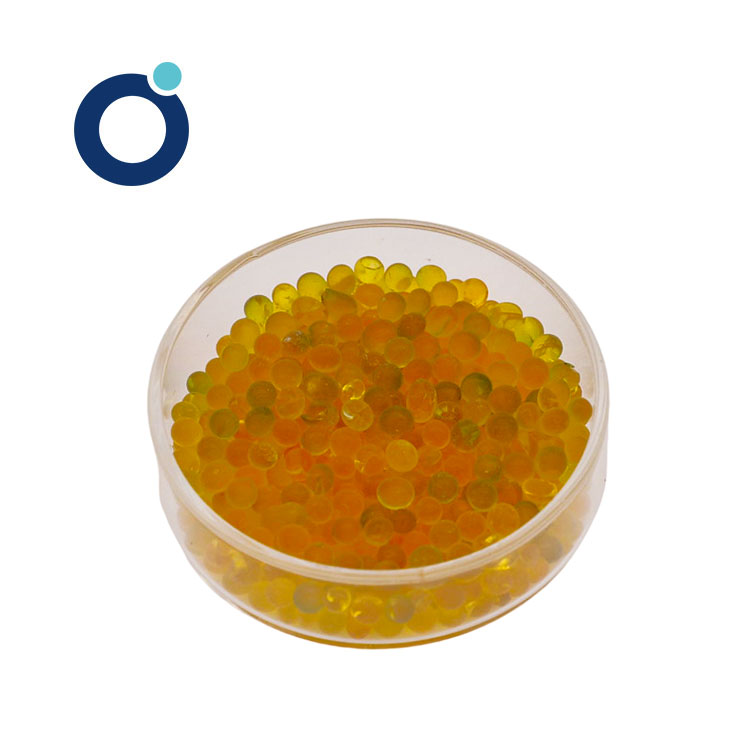
Additionally, humidity is the natural enemy of molecular sieves. If moisture enters the zeolite bed, the molecular sieve will preferentially adsorb water over nitrogen, rapidly deactivating the material. To combat this, advanced system designs in Kuwait utilize pre-drying layers consisting of Silica Gel JZ-SG-O or Activated Alumina to protect the primary molecular sieve bed. Shanghai Jiuzhou's molecular sieves are engineered with optimized pore structures and superior hydrothermal stability, ensuring they maintain their structural integrity and adsorption capacity even when subjected to thermal fluctuations and high moisture challenges.
6. The Future Trend of Oxygen Generation in Kuwait
Looking forward, Kuwait's development plan, "Kuwait Vision 2035" (New Kuwait), emphasizes sustainability, infrastructure modernization, and technological integration. This vision is driving several key trends in the local gas separation industry:
First, there is a clear shift from liquid oxygen imports and heavy cylinder logistics toward decentralized, on-site PSA oxygen generation. On-site plants eliminate the carbon footprint associated with transporting heavy gas cylinders across the desert and secure a continuous supply of vital gases during supply chain disruptions.
Second, smart technology integration is becoming standard. Modern oxygen concentrators are equipped with IoT sensors that monitor oxygen purity, flow rates, and pressure drops in real-time. By analyzing these parameters, operators can predict when the molecular sieve bed is approaching the end of its lifecycle, allowing for scheduled maintenance and preventing sudden equipment failures.
About Shanghai Jiuzhou Chemicals
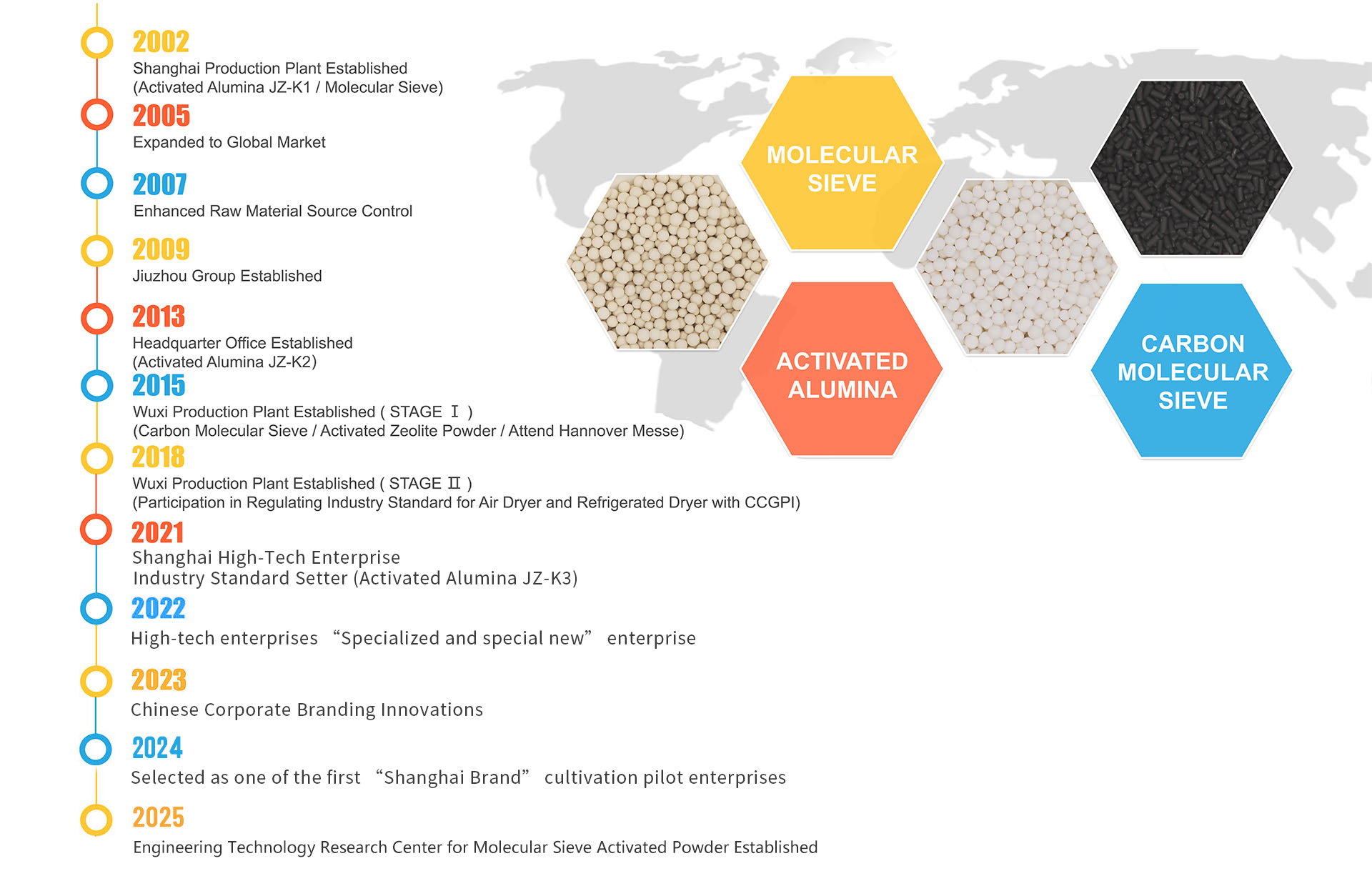
Shanghai Jiuzhou Chemicals Co., Ltd. is located in China's largest economic development city, Shanghai. Over the years, Jiuzhou has always adhered to the "quality control, innovation" principles, committed to the development, research, and manufacturing of high-quality, innovative chemical products. Our main products include various molecular sieve powders, molecular sieves, activated powder, activated alumina, aluminum oxide catalysts, different types of alumina packing and ceramic balls, sodium silicates, aluminum hydroxide, zeolite 4A, sodium carbonates, SLES, etc. All of our products have passed the ISO9001: 2008 quality management system certification, as well as TUV & SGS Certification.
The Jiuzhou factory boasts a professional, world-class research team and leading experts in chemical product resources. We utilize the best in international production technology and professional production equipment. Our facilities are constructed in line with national standards and monitored by a large, multi-purpose plant monitoring and analysis instrument system inside our central laboratory. In terms of quality inspection, Jiuzhou maintains strict control to ensure all products meet and exceed international standards.
Jiuzhou's technical strength and industry reputation make us a leading force in the field of desiccants and adsorbents. With senior experts, extensive technical reserves, automated multi-functional production workshops, and a dynamic laboratory, we have established a scientific and complete operating system. Today, Joozeo products are exported to all parts of the world. We have established a robust distribution network in the United States, Southeast Asia, Japan, Europe, North and South America, and the Middle East—including Kuwait—to provide our partners with high-quality products, customized services, and more energy-saving, environmentally friendly adsorption solutions.