
Featured Oxygen Concentrator Molecular Sieves
Lesotho's Unique Need for High-Efficiency Molecular Sieves
Lesotho, globally renowned as the "Kingdom in the Sky," is defined by its breathtaking mountainous terrain and exceptionally high altitudes. With the entire nation sitting above 1,400 meters (4,593 feet) and some residential areas reaching over 3,000 meters, atmospheric pressure is significantly lower than at sea level. This unique geography poses a severe challenge for respiratory health and medical oxygen supply. At these high altitudes, the partial pressure of oxygen drops, making the human body work harder to draw breath. For patients suffering from chronic respiratory illnesses, cardiovascular diseases, or acute altitude sickness, the availability of reliable, medical-grade oxygen is a matter of survival.
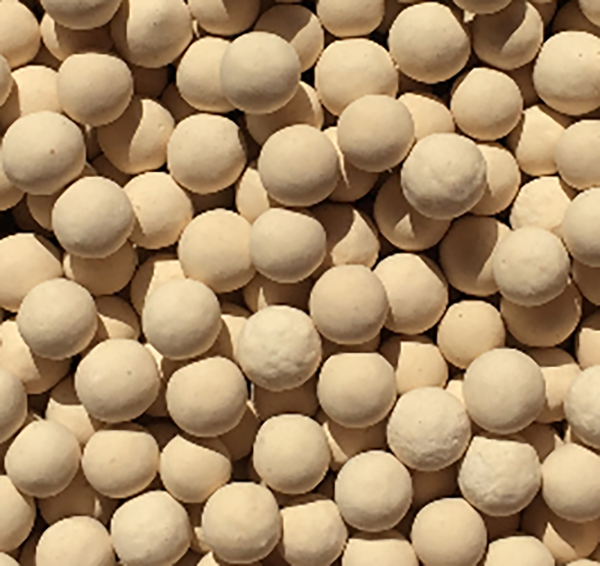
This is where Molecular Sieve For Oxygen Concentrator in Lesotho plays an indispensable role. Oxygen concentrators rely on Pressure Swing Adsorption (PSA) technology, where synthetic zeolites act as the filtration engine, selectively adsorbing nitrogen from ambient air to deliver a concentrated stream of pure oxygen (typically 93% to 95%). However, because the ambient air in Lesotho is thinner, standard oxygen concentrators equipped with low-grade molecular sieves often experience a drop in performance. To maintain high flow rates and therapeutic oxygen purity, local medical facilities and homecare providers require high-efficiency, lithium-based or advanced sodium-based molecular sieves designed to operate optimally under low-pressure conditions.
High-Altitude Performance Optimization
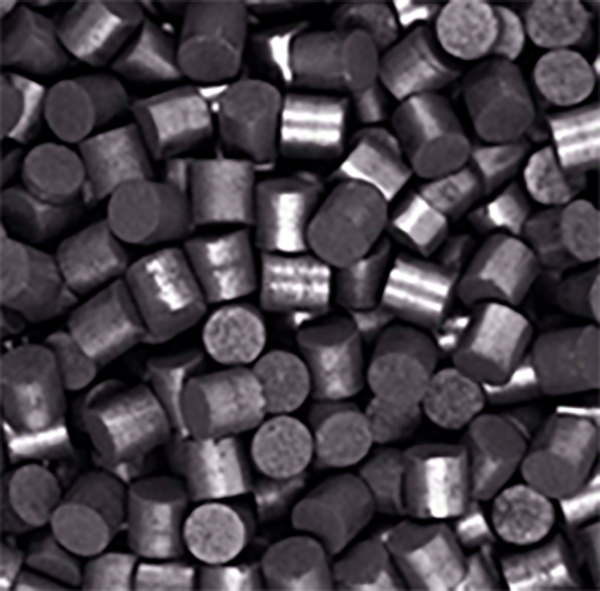
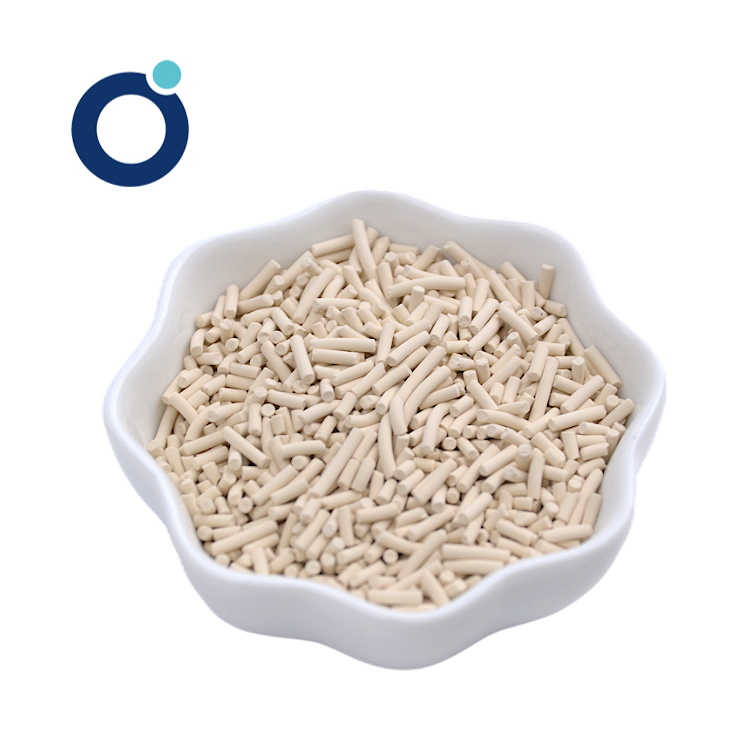
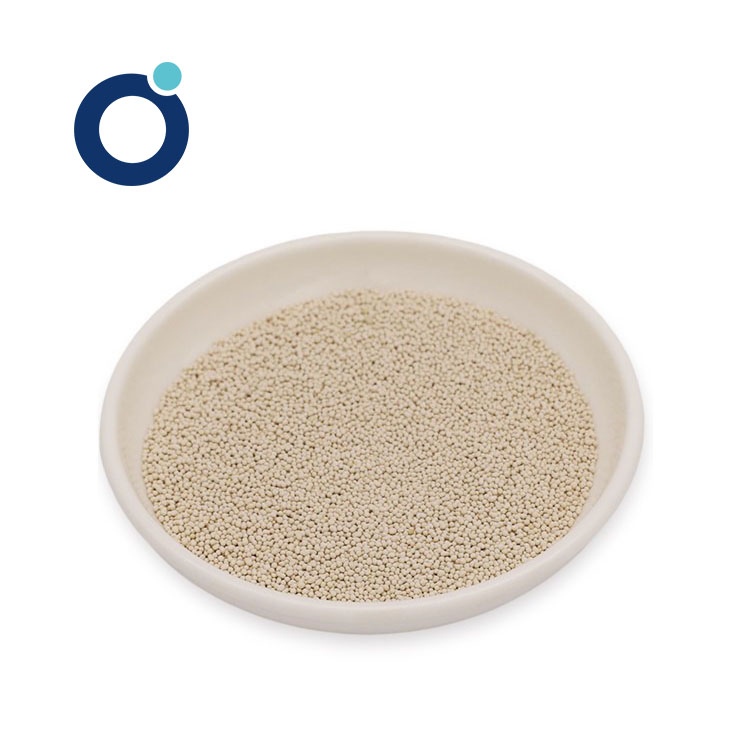
Under low atmospheric pressure, the adsorption capacity of standard zeolites decreases because there is less absolute gas density to drive the pressure swing cycle. To counteract this, advanced molecular sieves like the Oxygen Molecular Sieve JZ-OI and Duralyst DO-17T are engineered with optimized pore structures and enhanced nitrogen-to-oxygen selectivity. These properties allow the concentrators to extract the maximum possible oxygen from thinner mountain air, ensuring that rural clinics in districts like Mokhotlong, Qacha's Nek, and Thaba-Tseka can provide life-saving oxygen without relying on heavy, expensive liquid oxygen cylinders imported from South Africa.
🏔️
Altitude Adaptability
Specially formulated to maintain high N2 adsorption capacity even under low barometric pressure environments.
⚡
Rapid Adsorption Kinetics
Fast mass transfer rates allow for smaller, lighter portable oxygen concentrators (POCs) ideal for Lesotho's rugged terrain.
About Shanghai Jiuzhou Chemicals
📅
743
Time of Establishment
🌍
30+
Countries with Trade Relations
🏢
9,316
Company Area (Square Meters)
Shanghai Jiuzhou Chemicals Co., Ltd. Located in the biggest Economic Development city Shanghai. Over the years Jiuzhou has always adhered to the “quality control, innovation “principles, committed to the development, research, manufacturing of high quality innovative chemical products. Our main products includes various molecular sieve powders, molecular sieves, activated powder, activated alumina, aluminum oxide catalysts, different types of alumina packing and ceramic balls, sodium silicates, aluminum hydroxide,zeolite 4A, sodium carbonates, SLES, etc. Our all products passed the ISO9001: 2008 quality management system certification and TUV & SGS Certification.
Jiuzhou factory has a professional and world-class research team and experts in chemical product resources.We use the best in international prodution technonlogy and professional production equipment, constructed in line with national standards and by the large multipurpose plant monitoring, analysis instrument composition the central laboratory. And in quality inspection aspect Jiuzhou have controlled and that products meet international standards.
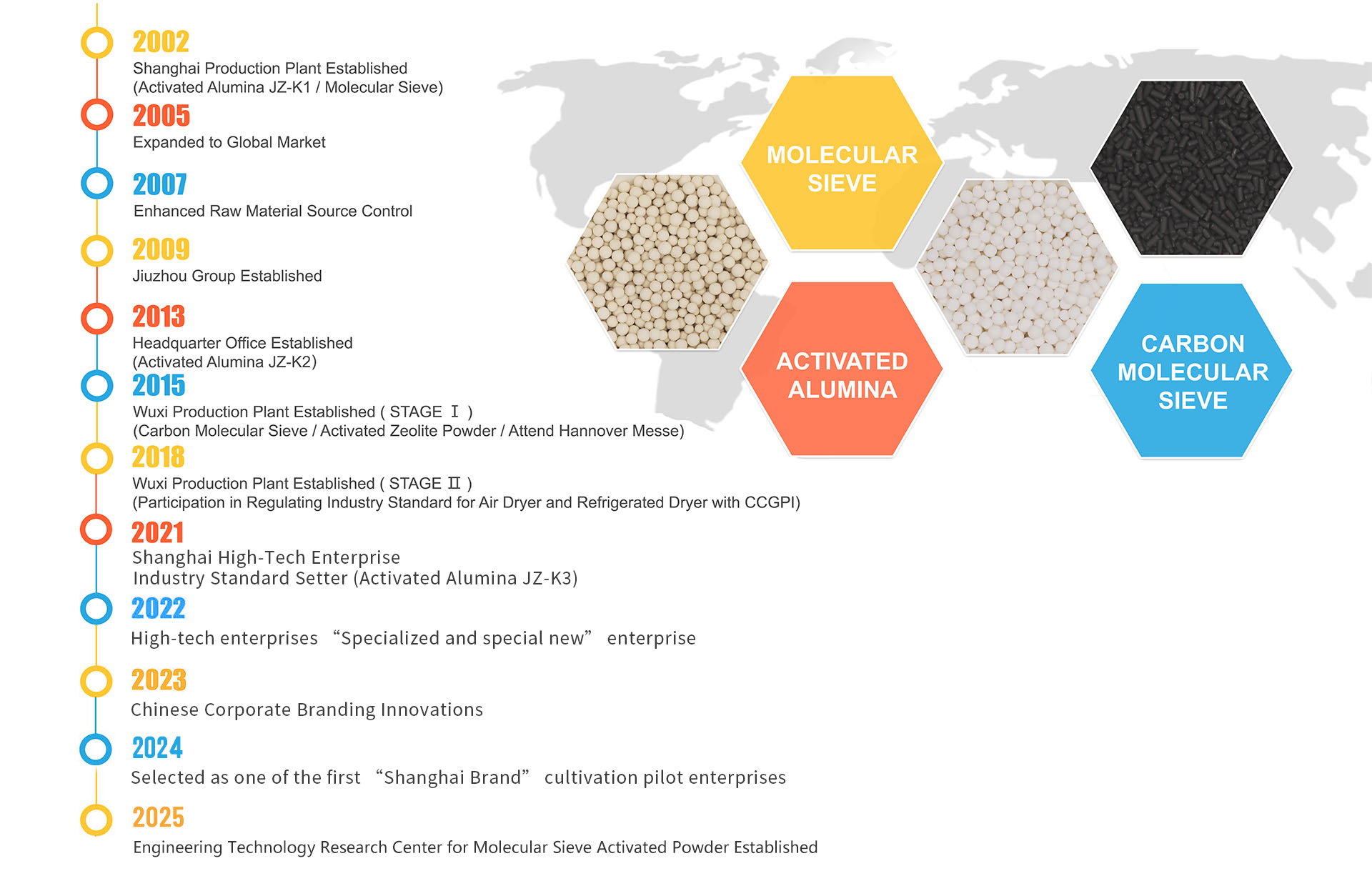
Jiuzhou's technical strength and industry reputation are leading the industry in the field of desiccants, with senior experts and technical reserves, automated multi-functional production workshops, and a central laboratory and dynamic laboratory composed of large-scale monitoring and analysis instruments. It is in quality control And in terms of supporting services, a set of scientific and complete operating system has been established. Joozeo products are exported to all parts of the world, and have established a distribution network in the United States, Southeast Asia, Japan, Europe, North and South America, the Middle East and other places to provide partners with high-quality products, customized services, and more energy-saving and environmentally friendly adsorption solutions.
Development Trends & Commercial Landscape in Lesotho
1. Decentralization of Oxygen Infrastructure
Historically, Lesotho has relied heavily on importing compressed gas cylinders from neighboring South Africa. The logistics of transporting these heavy cylinders over winding mountain passes to remote clinics are not only cost-prohibitive but also highly vulnerable to weather disruptions and border delays. Consequently, the Ministry of Health of Lesotho, alongside international development partners like the World Health Organization (WHO) and UNICEF, has actively driven a transition toward decentralized oxygen generation.
By installing localized PSA oxygen plants in district hospitals and distributing portable oxygen concentrators to rural clinics, the country is achieving self-reliance. The heart of this transition is the molecular sieve. High-grade zeolites ensure that these local PSA systems can run continuously with minimal maintenance, producing a reliable supply of medical-grade oxygen directly from the surrounding air.
2. Mining and Industrial Expansion
Beyond healthcare, Lesotho’s industrial sector is experiencing growth, particularly in diamond mining (such as the famous Letšeng Diamond Mine, known for producing large, high-quality diamonds) and textile manufacturing. Industrial processes, including gold extraction, diamond processing, and environmental wastewater treatment, require oxygen-enriched environments.
For example, in deep mining shafts where natural ventilation is poor, oxygen concentrators powered by durable molecular sieves like DuraChem CZS-12T and Molecular Sieve JZ-ZIG are used to maintain safe breathing atmospheres for miners. Furthermore, ozone generation systems used for industrial wastewater treatment in Maseru's industrial zones rely on high-purity oxygen feed gas, which is produced using PSA systems packed with premium molecular sieves.
3. Altitude Tourism & Emergency Services
Lesotho is a prime destination for adventure tourism, offering skiing at Afriski, pony trekking, and hiking in the Maloti Mountains. However, rapid ascent to these high altitudes often triggers Acute Mountain Sickness (AMS) in international tourists. Emergency rescue services, mountain lodges, and high-altitude training camps are increasingly equipping their facilities with portable oxygen concentrators. These compact devices require highly efficient molecular sieves that can deliver maximum oxygen output with minimal power consumption, allowing them to run on battery power in remote off-grid locations.
Technical Insights: Zeolite Performance in PSA Systems
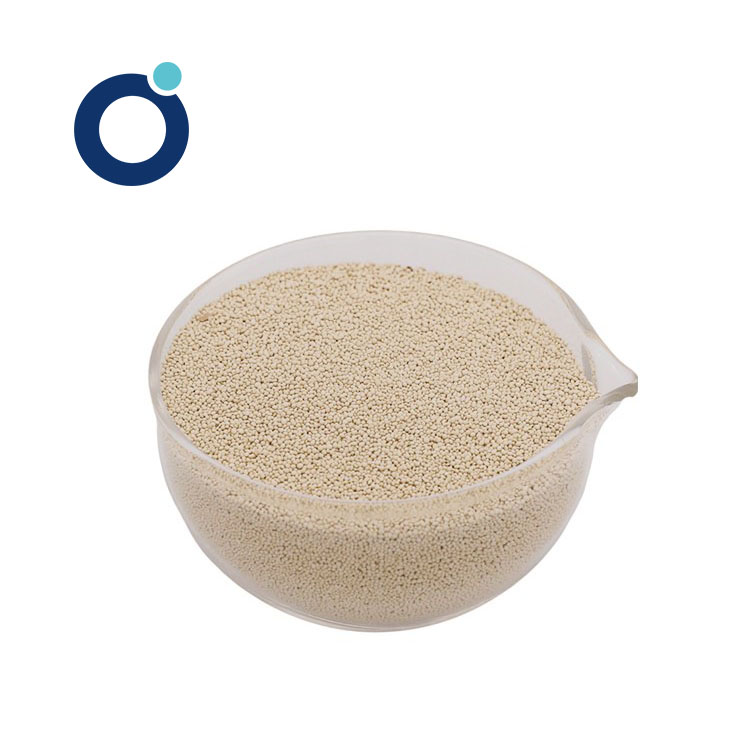
The efficiency of an oxygen concentrator is directly determined by the physical and chemical properties of the molecular sieve inside its canisters. Synthetic zeolites are crystalline aluminosilicates with highly ordered, microscopic pore structures. The pore size (typically around 9 Ångströms or 0.9 nanometers for lithium-based X-type zeolites) is perfectly calibrated to allow oxygen molecules to pass through while capturing nitrogen molecules based on their electrostatic interaction with the metal cations inside the zeolite framework.
🔬
Lithium-LSX vs. Sodium-X Zeolites
Lithium-exchanged Low Silica X (Li-LSX) molecular sieves exhibit up to 3 times higher nitrogen adsorption capacity than traditional sodium-based sieves, making them the gold standard for compact medical oxygen concentrators.
💧
Moisture Co-adsorption Mitigation
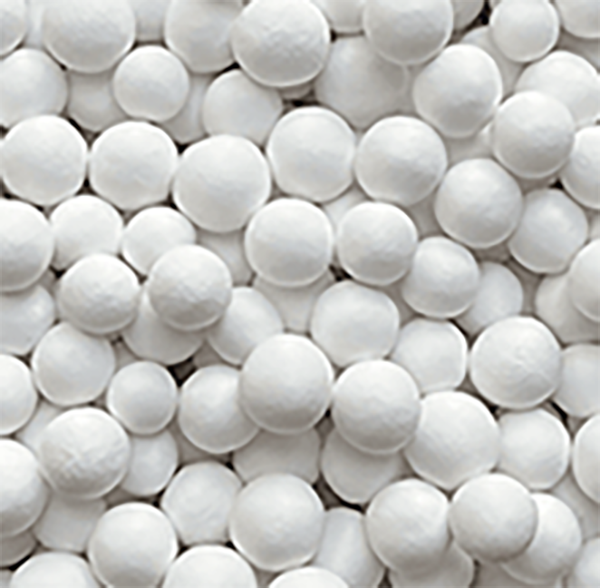
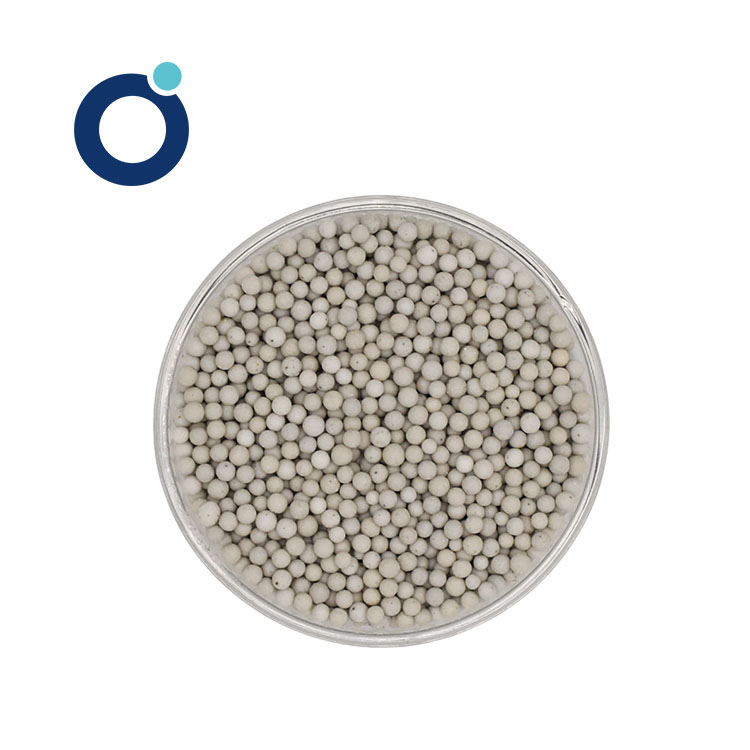
Zeolites have a strong affinity for water. If the air feed is humid, the sieve will adsorb water and lose its capacity to adsorb nitrogen. Utilizing protective layers of silica gel or activated alumina like Alumina ceramic Ball JZ-CB extends the lifespan of the molecular sieve bed.
For medical devices, consistency is vital. A drop in oxygen purity below 82% can trigger alarms and, more importantly, fail to provide therapeutic benefit to the patient. Shanghai Jiuzhou’s range of molecular sieves, including the Duralyst MA-380 and JooSorb ZC-12, are specifically manufactured to resist attrition (powdering) caused by the constant pressure cycling. This high physical strength prevents the formation of dust, which can clog valves and filters, ensuring a maintenance-free lifetime of thousands of hours for the concentrator.
As Lesotho continues to build a resilient healthcare infrastructure and expand its industrial capabilities, the demand for high-performance chemical adsorbents will grow. Partnering with an ISO9001:2008 certified global supplier like Shanghai Jiuzhou Chemicals ensures that local distributors, medical device manufacturers, and industrial operators in Lesotho have access to world-class materials that perform reliably under the most demanding environmental conditions.
Our Complete Range of Adsorbents & Molecular Sieves
Sending enquiries
Any Problem, please feel free to contact us. Respond within 24 hours.