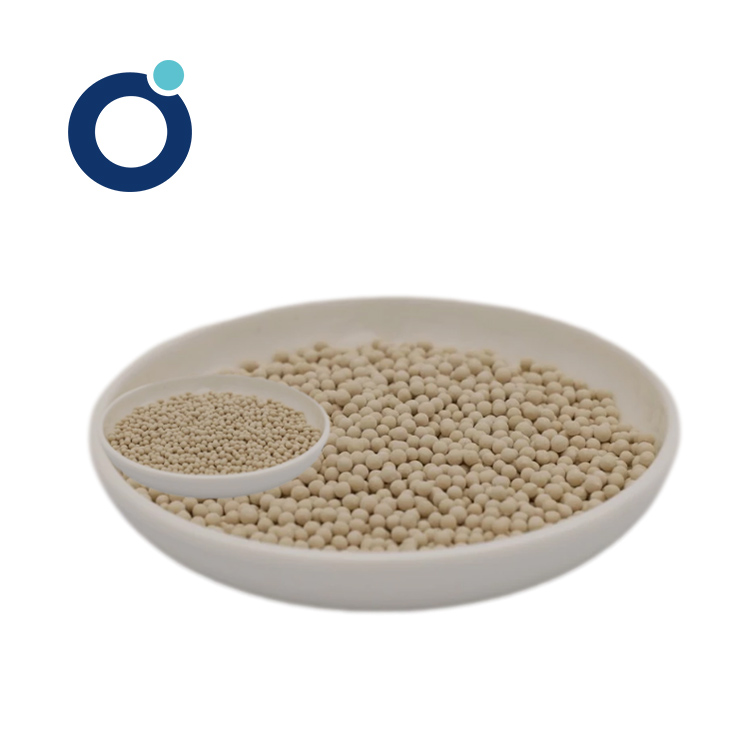
The Evolution of Molecular Sieves in Refractory and Ceramic Manufacturing
In the high-stakes sectors of technical ceramics and refractory materials, engineering structural integrity under extreme conditions is a continuous challenge. As industrial furnaces, kilns, and chemical reactors operate at increasingly elevated temperatures and in highly corrosive environments, traditional material formulations face severe limitations. This has catalyzed the demand for advanced additives capable of modifying microstructures, controlling moisture dynamics, and enhancing thermal shock resistance. Among these, molecular sieves—crystalline aluminosilicates with highly defined pore networks—have emerged as a revolutionary class of functional additives.
1Industrial Landscape & Market Dynamics
Historically utilized for gas separation, petrochemical catalysis, and dehydration, molecular sieves are now experiencing a significant expansion into structural materials. The global refractory market is shifting rapidly from shaped bricks toward monolithic refractories (castables, ramming mixes, and plastics). This transition demands precise control over binder hydration and drying phases to prevent structural defects. Molecular sieve powders, with their uniform pore diameters (ranging from 3 to 10 Angstroms), function as outstanding internal moisture regulators and phase stabilizers, addressing critical failure mechanisms in high-temperature linings.
At the same time, the technical ceramics industry—spanning aerospace components, electronic substrates, and filtration membranes—demands ultra-precise microstructural engineering. The use of molecular sieves as sacrificial templates or reactive sintering aids allows manufacturers to synthesize ceramics with highly uniform pore size distributions, minimizing structural flaws and maximizing mechanical performance under stress.
Deep Application Scenarios of Zeolite Additives
2Porosity Control and Microstructural Engineering
One of the most critical challenges in producing advanced porous ceramics (such as diesel particulate filters, membrane filters, and catalyst supports) is achieving a narrow pore size distribution. Conventional organic pore-formers often burn out unevenly, leading to microcracks and irregular voids that compromise structural strength.
By incorporating molecular sieves into the green ceramic mixture, manufacturers can leverage the stable, crystalline structure of zeolites. During the sintering process, these molecular sieves undergo controlled phase transformations at specific temperatures, integrating seamlessly into the ceramic matrix while leaving behind extremely uniform, interconnected micropores. This results in filters with high permeability, low pressure drop, and exceptional mechanical durability.
3Moisture Scavenging and Binder Stabilization in Monolithic Refractories
Monolithic refractories are mixed with water and cast directly on-site. However, during the initial heating (bake-out) phase, the rapid evaporation of chemically bound water can create immense internal steam pressure, leading to explosive spalling. This poses a major safety risk and causes premature lining failure.
Activated molecular sieve powders, acting as powerful desiccants, adsorb excess moisture during the mixing and setting stages. As the temperature rises, the molecular sieve releases this moisture gradually over a wide temperature range, preventing sudden steam accumulation. Furthermore, the presence of molecular sieves optimizes the hydration kinetics of calcium aluminate cements, leading to a more uniform binder matrix and improved cold crushing strength.
4In-Situ Phase Formation and Thermal Shock Resistance
Refractories are constantly subjected to severe thermal cycling. The introduction of molecular sieves provides a source of highly reactive silica and alumina at the nanoscale. During sintering, these components react with the surrounding matrix to form secondary phases like mullite (3Al2O3·2SiO2) or anorthite (CaO·Al2O3·2SiO2) at lower temperatures than traditional raw materials.
These in-situ formed phases possess low thermal expansion coefficients and high creep resistance. The resulting interlocking microstructures act as deflection barriers for cracks propagation, significantly enhancing the thermal shock resistance of the refractory linings in steel ladles, cement kilns, and glass furnaces.
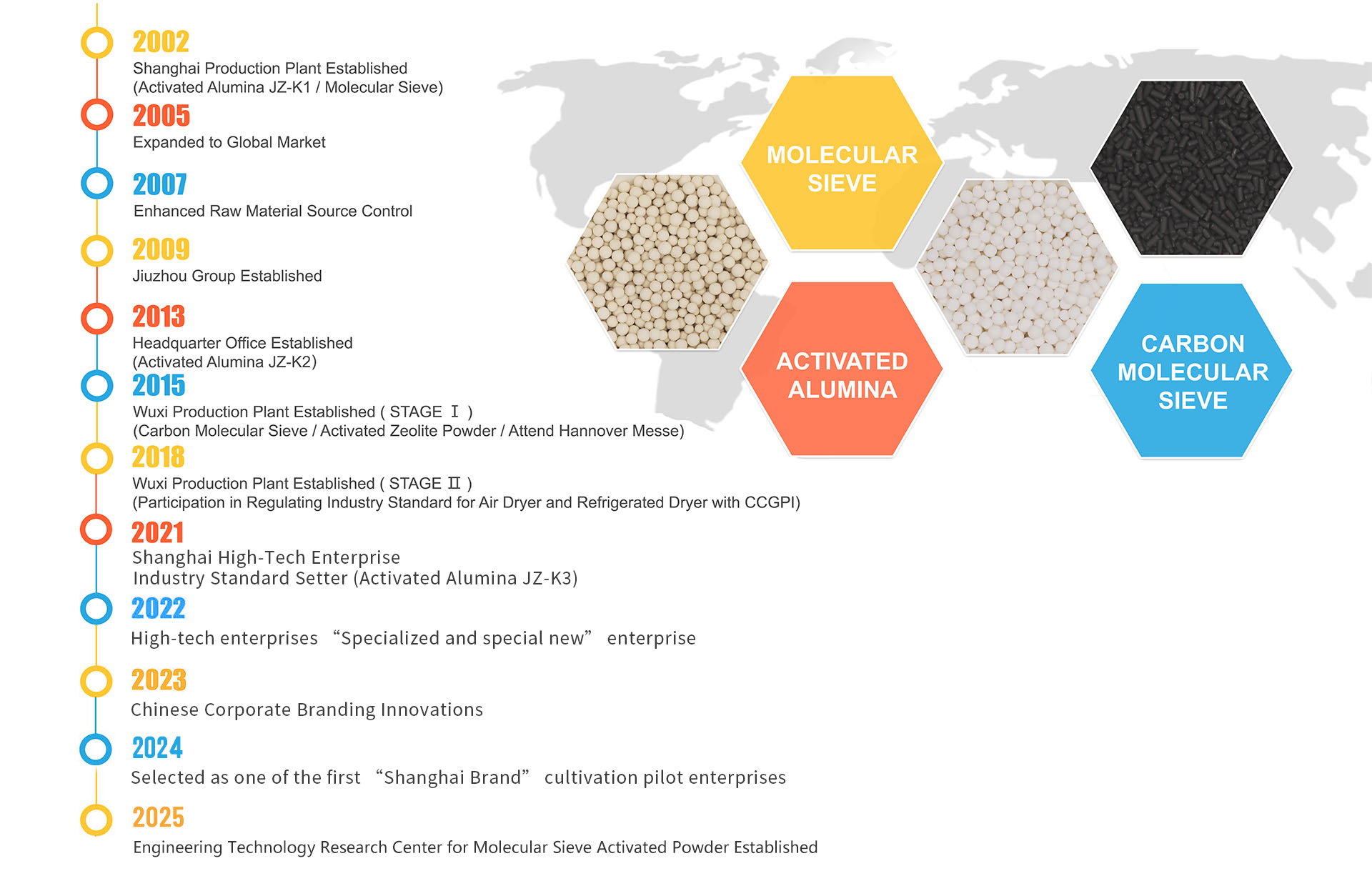
About Shanghai Jiuzhou Chemicals Co., Ltd.
Shanghai Jiuzhou Chemicals Co., Ltd. Located in the biggest Economic Development city Shanghai. Over the years Jiuzhou has always adhered to the "quality control, innovation" principles, committed to the development, research, manufacturing of high quality innovative chemical products. Our main products includes various molecular sieve powders, molecular sieves, activated powder, activated alumina, aluminum oxide catalysts, different types of alumina packing and ceramic balls, sodium silicates, aluminum hydroxide, zeolite 4A, sodium carbonates, SLES, etc. Our all products passed the ISO9001: 2008 quality management system certification and TUV & SGS Certification.
Jiuzhou factory has a professional and world-class research team and experts in chemical product resources.We use the best in international prodution technonlogy and professional production equipment, constructed in line with national standards and by the large multipurpose plant monitoring, analysis instrument composition the central laboratory. And in quality inspection aspect Jiuzhou have controlled and that products meet international standards.
Jiuzhou's technical strength and industry reputation are leading the industry in the field of desiccants, with senior experts and technical reserves, automated multi-functional production workshops, and a central laboratory and dynamic laboratory composed of large-scale monitoring and analysis instruments. It is in quality control And in terms of supporting services, a set of scientific and complete operating system has been established Joozeo products are exported to all parts of the world, and have established a distribution network in the United States, Southeast Asia, Japan, Europe, North and South America, the Middle East and other places to provide partners with high-quality products, customized services, and more energy-saving and environmentally friendly adsorption solutions.
Future Trends: Smart Additives and Green Refractories
The industrial ceramics and refractory industries are moving rapidly toward carbon neutrality and smart manufacturing. This evolution is driving several key technological trends in molecular sieve development:
- Nano-Zeolites for Ultra-Fine Ceramics: Downsizing molecular sieve additives to the nanoscale allows for highly homogeneous dispersion in ceramic slurries, resulting in defect-free sintered components with enhanced mechanical properties.
- Eco-Friendly Green Synthesis: Developing molecular sieves from industrial by-products (such as fly ash or slag) reduces raw material costs while offering an environmentally friendly additive option for green refractories.
- Functional Surface Customization: Surface modification of molecular sieves allows for controlled interaction with organic binders and solvents, preventing premature agglomeration in complex ceramic formulations.
As these technologies mature, Shanghai Jiuzhou Chemicals continues to invest in state-of-the-art R&D to provide cutting-edge solutions, helping our global partners optimize their production efficiency and material durability.
Complete Product Portfolio for Ceramics & Refractories
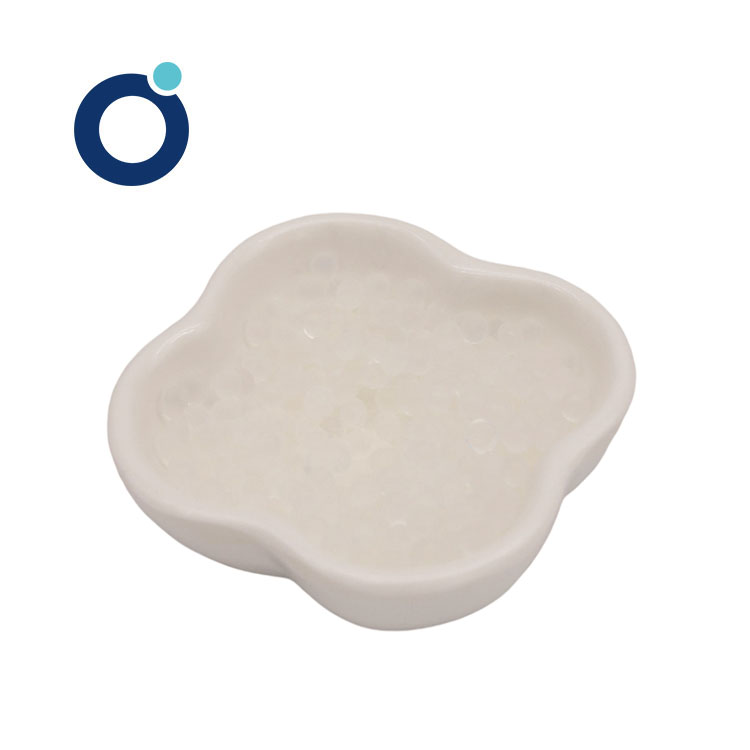
Silica Gel JZ-PSG Refractory Moisture Control Agent
View Product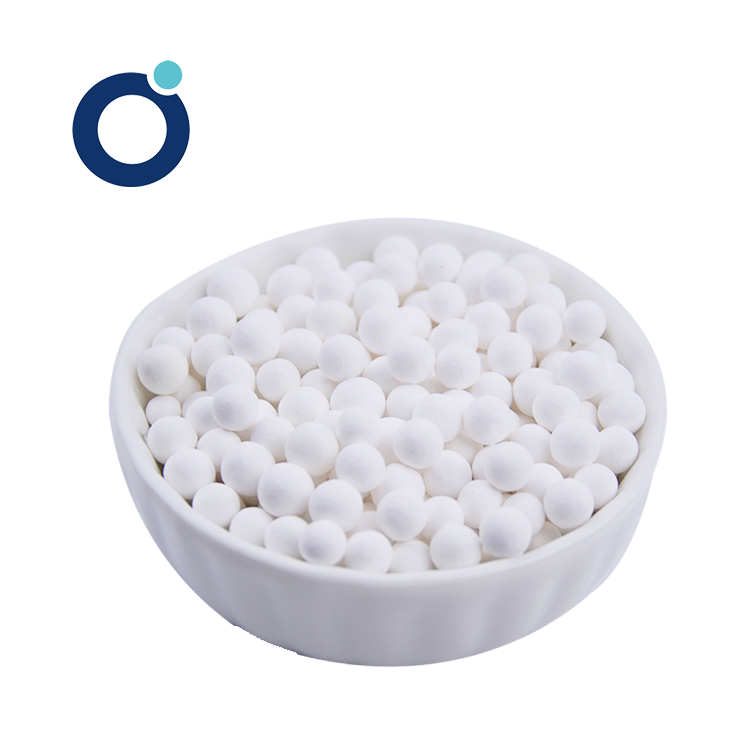
Activated Alumina JZ-E Thermal Barrier Enhancer
View Product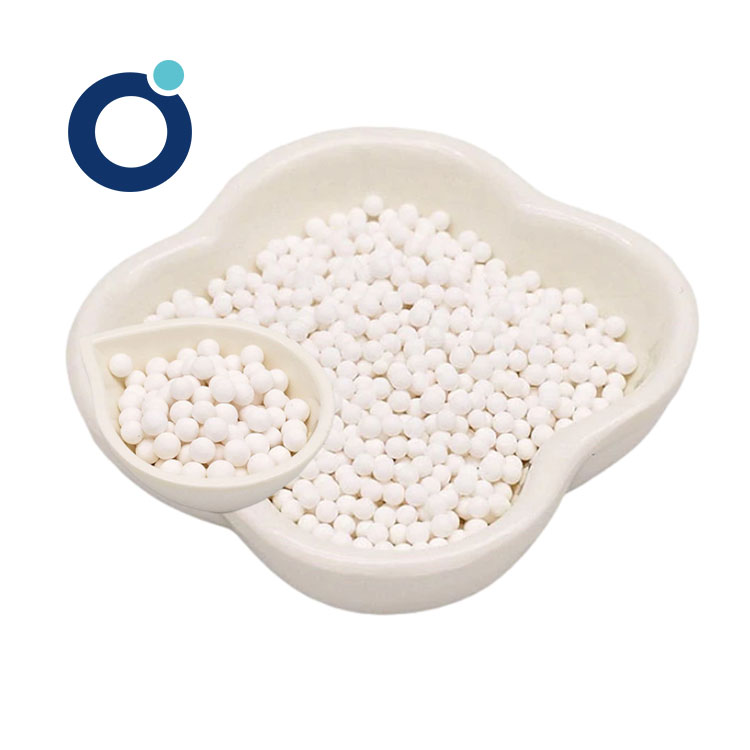
Activated Alumina JZ-K3 Ceramic Sintering Additive
View Product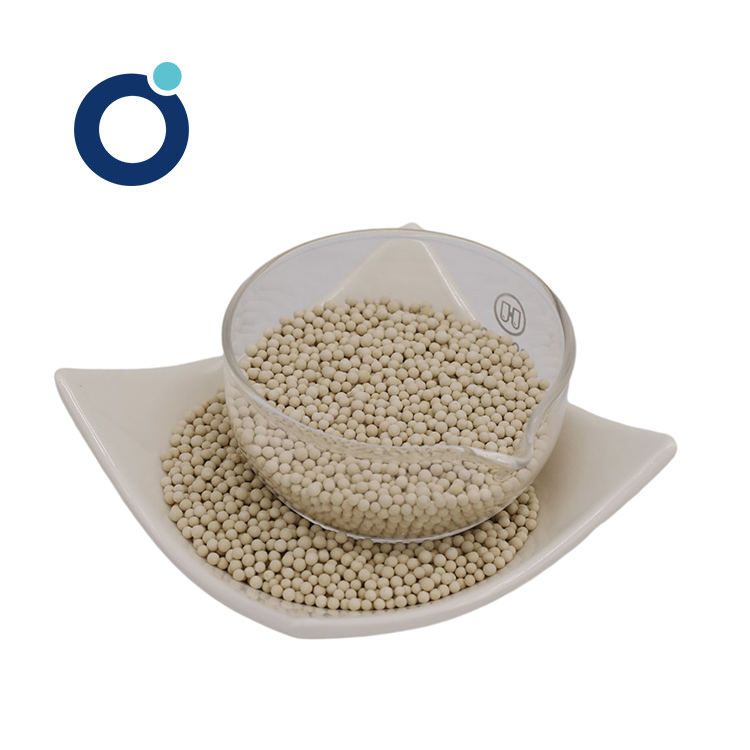
Molecular Sieve JZ-ZMS3 Structural Zeolite Additive
View Product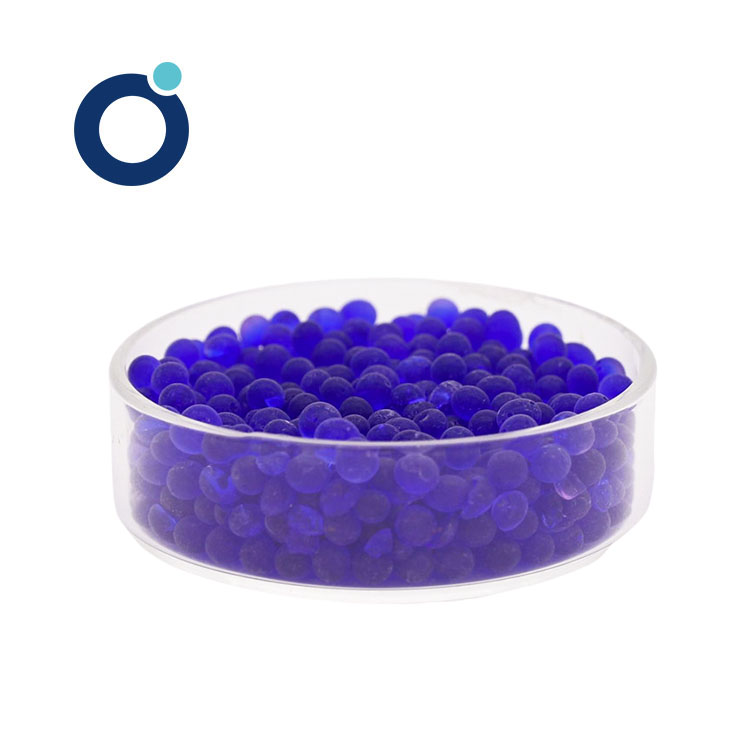
Silica Gel JZ-SG-B High-Absorption Binder Desiccant
View Product
Duralyst OS-300 Ceramic Catalyst & Purifier
View Product
JooSorb AC-12 Structural Pore-Forming Agent
View Product