Featured Refrigerant-Grade Molecular Sieves & Adsorbents
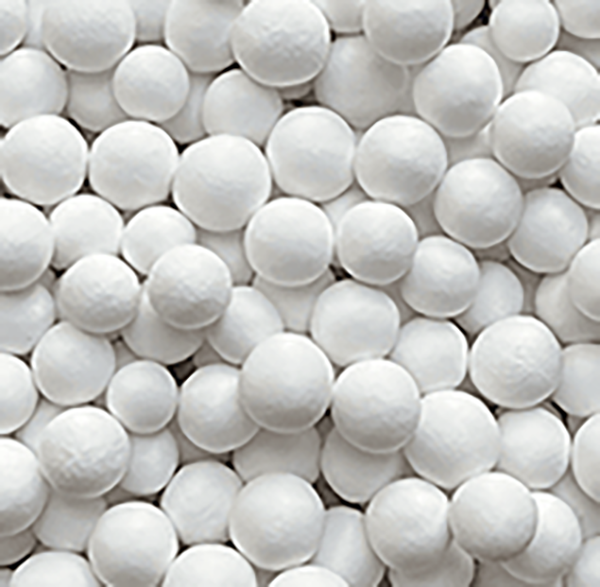
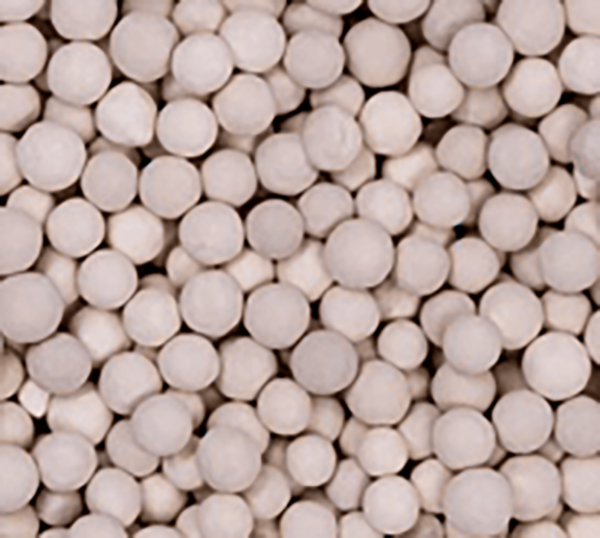
Premium dehydration solutions designed to maintain system integrity and prevent acid formation in cooling cycles.
Corporate Strength & Scientific Heritage
About Shanghai Jiuzhou Chemicals
Shanghai Jiuzhou Chemicals Co., Ltd. is located in the largest Economic Development city, Shanghai. Over the years, Jiuzhou has always adhered to the "quality control, innovation" principles, committed to the development, research, and manufacturing of high-quality innovative chemical products.
Our main products include various molecular sieve powders, molecular sieves, activated powder, activated alumina, aluminum oxide catalysts, different types of alumina packing and ceramic balls, sodium silicates, aluminum hydroxide, zeolite 4A, sodium carbonates, SLES, etc. All our products passed the ISO9001: 2008 quality management system certification and TUV & SGS Certification.
Jiuzhou factory has a professional and world-class research team and experts in chemical product resources. We use the best in international production technology and professional production equipment, constructed in line with national standards and supported by a large multipurpose plant monitoring and analysis instrument composition in our central laboratory. In the quality inspection aspect, Jiuzhou has controlled and ensured that products meet international standards.
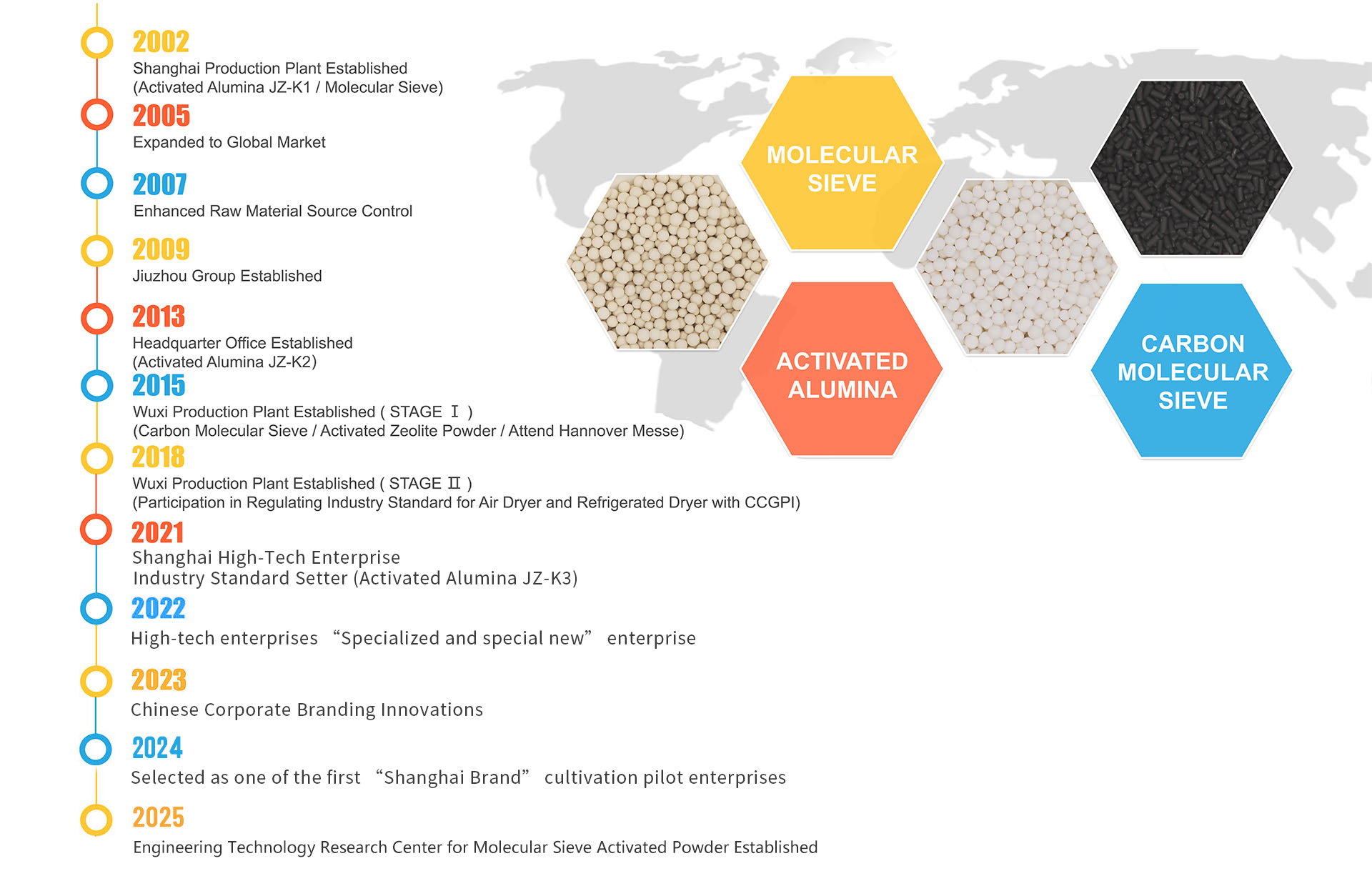
Jiuzhou's technical strength and industry reputation are leading the industry in the field of desiccants, with senior experts and technical reserves, automated multi-functional production workshops, and a central laboratory and dynamic laboratory composed of large-scale monitoring and analysis instruments. In terms of quality control and supporting services, a scientific and complete operating system has been established. Joozeo products are exported to all parts of the world, and we have established a distribution network in the United States, Southeast Asia, Japan, Europe, North and South America, the Middle East, and other places to provide partners with high-quality products, customized services, and more energy-saving and environmentally friendly adsorption solutions.
The Critical Role of Molecular Sieves in Refrigerant Drying
In modern refrigeration and air conditioning systems, moisture is one of the most dangerous contaminants. Even minute quantities of water dissolved in a refrigerant can freeze at the expansion valve or capillary tube, completely blocking the flow of the cooling agent. Furthermore, moisture reacts chemically with standard refrigerants and lubricating oils to produce highly corrosive acids (such as hydrofluoric or hydrochloric acid). These acids attack compressor windings, corrode metallic surfaces, accelerate copper plating, and ultimately lead to catastrophic compressor burnouts.
To mitigate these risks, high-performance molecular sieves are integrated into the liquid line filter driers of refrigeration systems. These synthetic zeolites act as highly selective desiccants, capturing water molecules while ignoring the larger refrigerant molecules. As the global HVAC-R (Heating, Ventilation, Air Conditioning, and Refrigeration) industry transitions toward environmentally friendly refrigerants, the demand for specialized molecular sieves for sale has surged, requiring advanced materials that remain stable under high pressures and chemical stresses.
Why Zeolite 3A is the Standard for Refrigerant Dehydration
Molecular sieve type 3A (a potassium-modified aluminosilicate) is the industry standard for refrigerant drying. With an effective pore opening of approximately 3 Ångstroms (0.3 nm), it selectively adsorbs water molecules (kinetic diameter ~2.6 Å) while completely excluding refrigerant molecules such as R-134a, R-410A, R-32, and HFO-1234yf, which have larger molecular diameters. Excluding the refrigerant is vital: if the desiccant co-adsorbs the refrigerant, it triggers a catalytic reaction that degrades the cooling fluid, releases toxic gases, and reduces the water-adsorption capacity of the sieve.
Commercial and Industrial Market Landscape
The global market for refrigerant-grade molecular sieves is experiencing rapid evolution, driven by environmental regulations and technological advancements. Historically, CFCs (Chlorofluorocarbons) and HCFCs (Hydrochlorofluorocarbons) dominated the cooling industry. However, under the Montreal Protocol and the Kigali Amendment, these ozone-depleting substances have been phased out in favor of HFCs (Hydrofluorocarbons) and, more recently, HFOs (Hydrofluoroolefins) and natural refrigerants like CO2 (R-744), Isobutane (R-600a), and Propane (R-290).
This transition has profoundly affected desiccant technology. HFOs and newer HFC blends (such as R-32 and R-454B) are chemically more sensitive than older refrigerants. They require molecular sieves with high chemical compatibility, low catalytic activity, and exceptional mechanical strength. Consequently, manufacturers of HVAC equipment seek molecular sieves for sale that offer:
- High Mechanical Crush Strength: Refrigerant flow in commercial systems causes physical vibration and pressure fluctuations. The desiccant beads must resist attrition and dusting to prevent powder from clogging the system filters.
- Low Dusting Characteristics: Fine particles generated by desiccant degradation can damage compressor bearings and valves.
- Optimized Pore Size Distribution: Ensuring absolute exclusion of new-generation refrigerants to prevent co-adsorption and subsequent chemical breakdown.
- Chemical Inertness: Preventing chemical reactions with synthetic polyolester (POE) and polyvinyl ether (PVE) lubricants commonly used with modern refrigerants.
Deep Application Scenarios of Refrigerant Desiccants
Refrigeration systems operate under highly diverse environmental conditions, ranging from sub-zero deep-freezing units to high-temperature automotive engine bays. Molecular sieves must perform reliably across all these environments.
1. Mobile Air Conditioning (MAC) Systems
Automotive air conditioning systems face extreme conditions, including continuous engine vibrations, rapid temperature swings, and space constraints. The transition from R-134a to R-1234yf in passenger vehicles has made desiccant selection critical. R-1234yf is chemically less stable than R-134a and can decompose in the presence of water and incompatible desiccants. High-density, high-strength 3A molecular sieves are packed into compact receiver-driers to ensure continuous water removal without generating dust under severe mechanical stress.
2. Commercial & Industrial Cold Chains
In supermarkets, food storage facilities, and refrigerated transport, cooling systems run continuously. A system failure due to ice blockage can result in massive financial losses from spoiled goods. Large-scale filter driers in these systems require high-capacity molecular sieves that can handle large volumes of refrigerant and quickly capture any moisture introduced during system maintenance or slow leaks. The desiccant must maintain its adsorption capacity even at elevated operating temperatures in the liquid line.
3. Residential Air Conditioning & Heat Pumps
With the rise of energy-efficient heat pumps and inverter-controlled air conditioners using R-32 or R-410A, long-term system reliability is essential. These systems are designed to operate for 15 to 20 years without desiccant replacement. The molecular sieve must possess exceptional hydrothermal stability, ensuring it does not degrade or lose its crystalline structure over thousands of heating and cooling cycles.
4. Ultra-Low Temperature (ULT) Freezers
Medical and laboratory freezers operating at temperatures as low as -80°C require virtually bone-dry environments within their refrigeration loops. Any trace of moisture will immediately freeze and lock the capillary tubes. Special high-affinity molecular sieves are deployed to achieve dew points below -60°C, ensuring continuous fluid flow and temperature stability for critical medical supplies.
Technological Trends and Future Innovations
The HVAC-R industry is moving toward smarter, more sustainable solutions. Desiccant technology is evolving in parallel to meet these requirements:
Eco-Friendly Manufacturing and Circular Economy
Leading chemical manufacturers, including Shanghai Jiuzhou Chemicals, are focusing on reducing the carbon footprint of zeolite production. This includes recycling raw materials, optimizing kiln energy consumption during the activation process, and designing packaging that prevents moisture pre-adsorption during transport and storage.
Hybrid Desiccant Systems
In certain specialized applications, molecular sieves are combined with activated alumina. While the molecular sieve targets water molecules with high affinity, the activated alumina acts as an acid scavenger, neutralizing acids formed by oil degradation. This hybrid approach extends the lifespan of both the compressor and the lubricant, offering double protection for high-load industrial chillers.
Enhanced Chemical Compatibility
As research into next-generation refrigerants with low Global Warming Potential (GWP) continues, molecular sieve surfaces are being chemically modified. Surface treatments minimize any residual acidic or basic sites on the zeolite crystals, reducing their catalytic activity to near zero and ensuring complete compatibility with complex refrigerant blends and synthetic oils.
SEO Guide: How to Select the Right Molecular Sieve for Sale
When sourcing molecular sieves for refrigerant drying, buyers must look beyond the price per kilogram. The total cost of ownership is determined by the desiccant's longevity and its protection of the compressor. Key parameters to specify include:
- Equilibrium Water Capacity: The maximum percentage of water the sieve can hold at a specific relative humidity (typically measured at 10% RH and 25°C).
- Package Water Capacity: The actual water adsorption capacity under dynamic flow conditions in a working refrigeration loop.
- Attrition Rate: A measure of how easily the beads break down into dust under friction. Lower rates prevent system clogging.
- Bulk Density: High bulk density allows more desiccant mass to be packed into a limited filter-drier volume.
Complete Product Catalog for HVAC-R & Industrial Adsorption
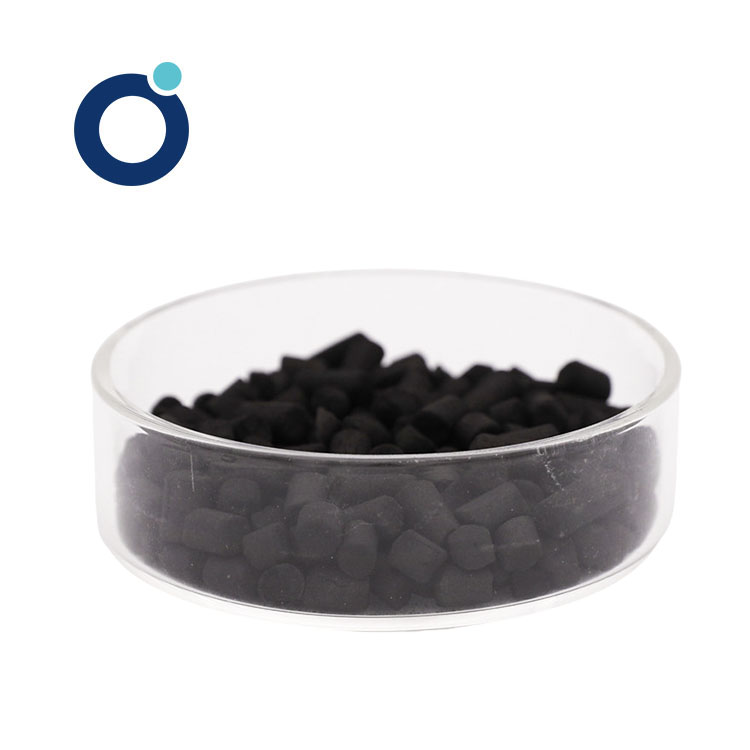
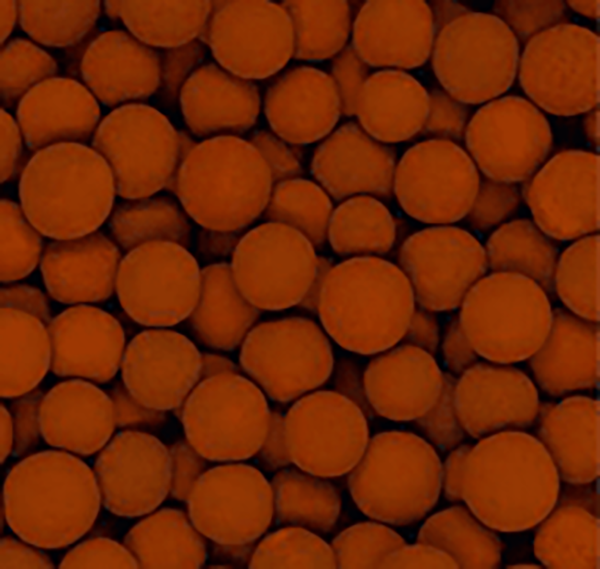
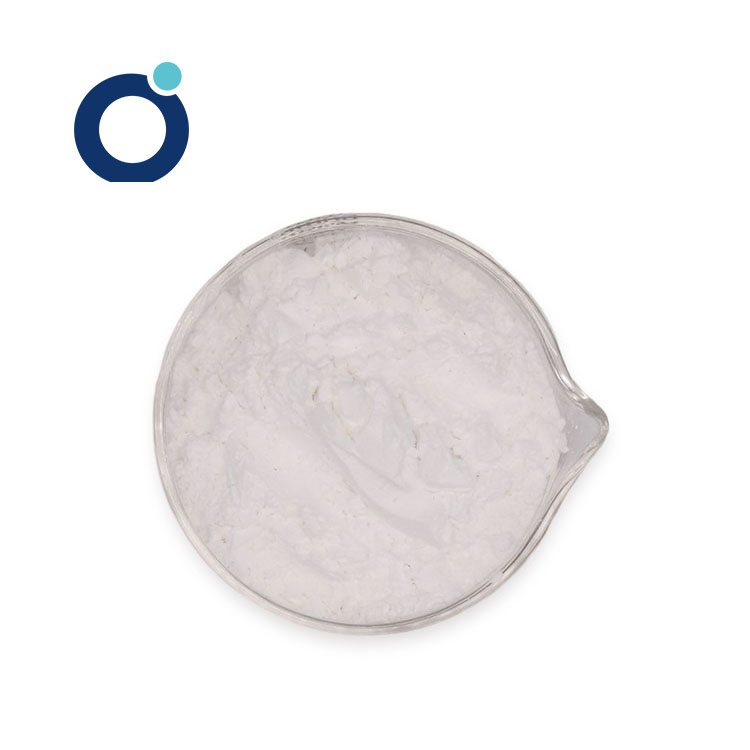
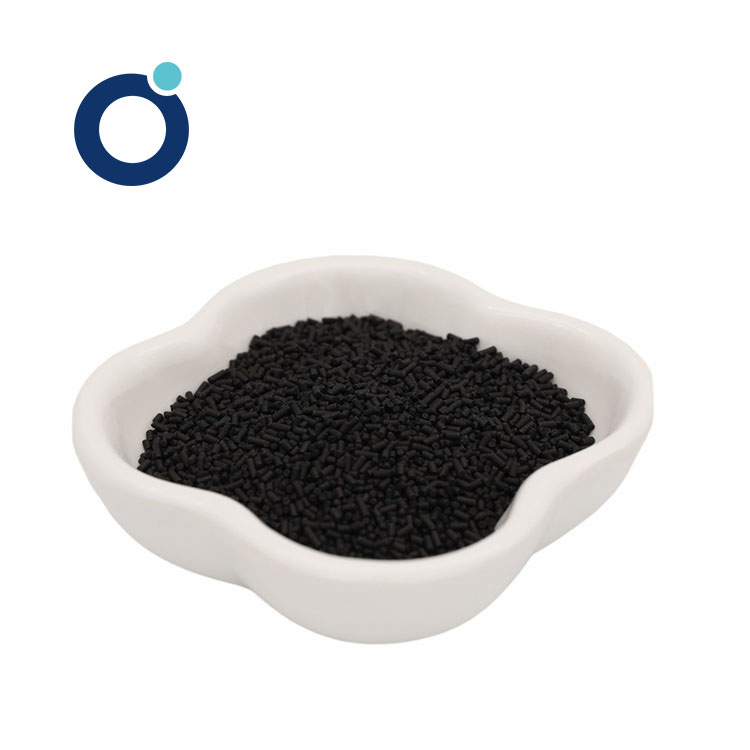
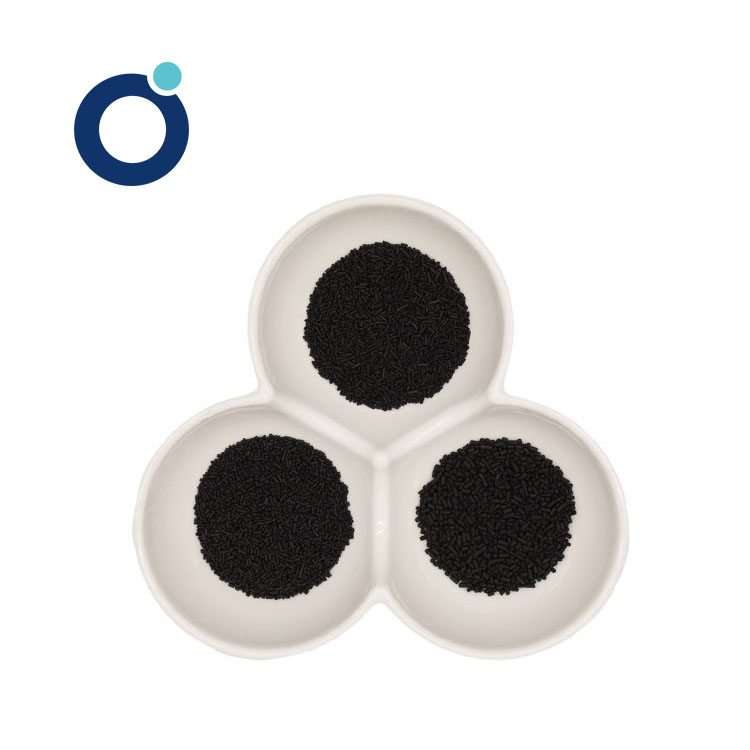
Explore our full range of molecular sieves, carbon adsorbents, and chemical agents designed for global industrial applications.