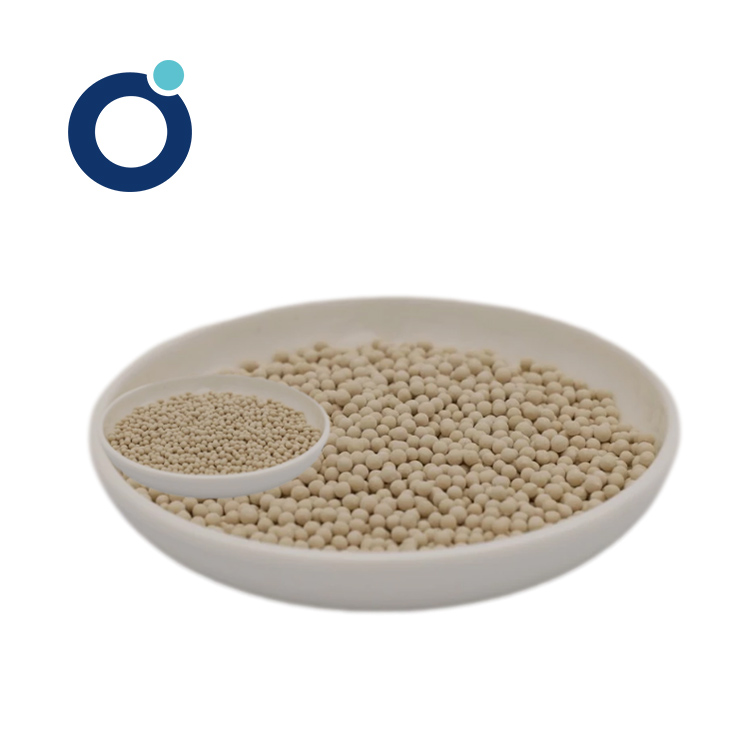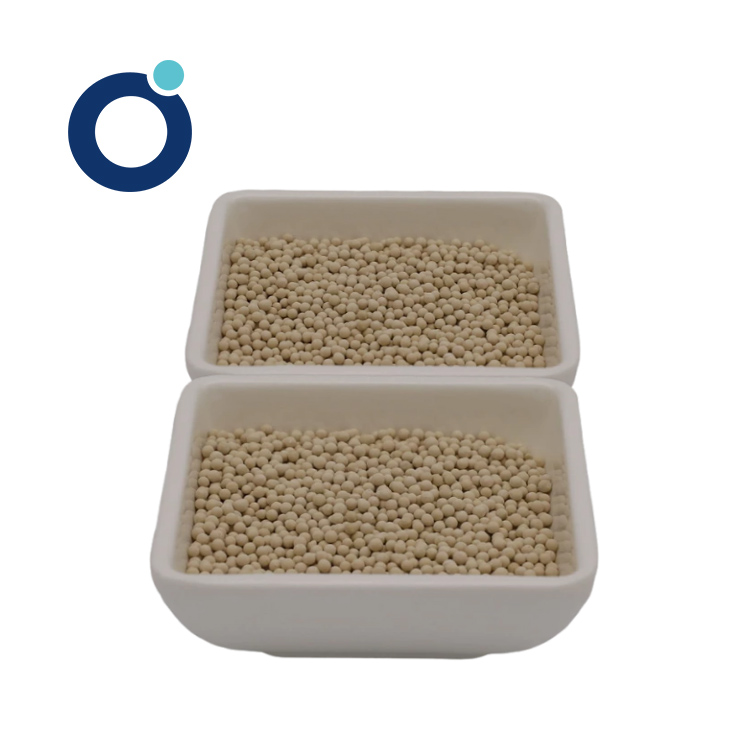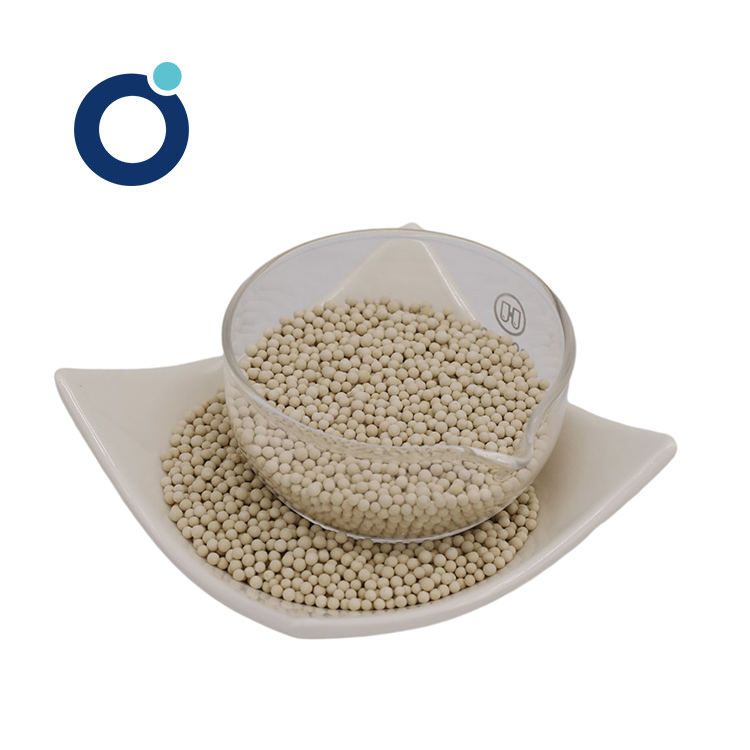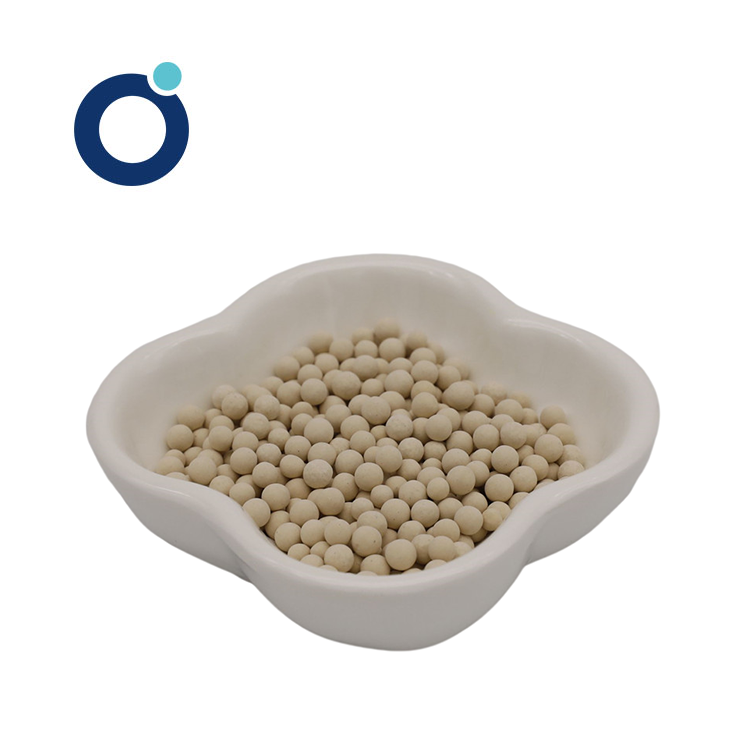
Featured Adsorbent Products
Industrial Demands & Market Overview in Manila
Metro Manila, the vibrant economic heart of the Philippines, is undergoing a rapid industrial transformation. As manufacturing, petrochemical processing, food packaging, and electronics assembly continue to scale, the demand for highly efficient moisture control and gas purification technologies has surged. In tropical climates like the Philippines, where high humidity is a constant operational challenge, the search for high-quality molecular sieve for sale in Manila has become a top priority for process engineers and procurement officers alike.
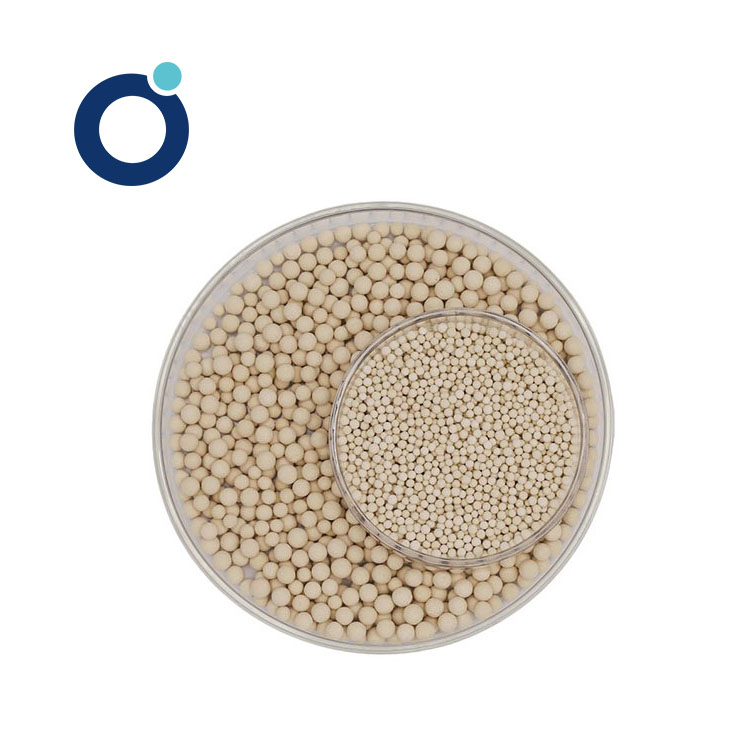
Molecular sieves are crystalline aluminosilicates (zeolites) characterized by uniform pore structures. These engineered pores act at a molecular level to selectively adsorb water, carbon dioxide, hydrogen sulfide, and various hydrocarbons while allowing other process gases to pass through unaffected. From preventing corrosion in natural gas pipelines to ensuring the purity of medical oxygen in hospitals across Quezon City, Pasig, and Makati, molecular sieves serve as the silent backbone of modern Philippine processing industries.
Did you know? In the high-humidity environment of Metro Manila, standard silica gel desiccants often reach saturation too quickly in dynamic gas systems. Industrial-grade molecular sieves offer an ultra-low dew point (down to -70°C) and high adsorption capacity even at elevated temperatures, making them the ideal choice for heavy-duty industrial applications.
Key Application Scenarios in the Philippine Market
The localized application of molecular sieves in Manila and its surrounding provinces (such as Cavite, Laguna, and Batangas) spans several high-tech and heavy-industry sectors. Understanding these applications is essential for selecting the correct pore size and formulation.
1. Natural Gas & Petrochemical Refining
In the energy hubs of Batangas and Bataan, molecular sieves are extensively used to dehydrate natural gas, liquid petroleum gas (LPG), and liquid hydrocarbons. Removing water prevents hydrate formation and pipeline corrosion, ensuring safe transport and refining.
2. Ethanol Dehydration & Biofuels
With the Philippine Biofuels Act mandating ethanol blends in gasoline, local ethanol plants utilize Molecular Sieve 3A to dehydrate crude ethanol. By selectively adsorbing water and excluding ethanol molecules, it produces fuel-grade anhydrous ethanol.
3. PSA Nitrogen & Oxygen Generation
Pressure Swing Adsorption (PSA) units in Manila's medical facilities and industrial plants rely on Carbon Molecular Sieves (CMS) and Zeolite Molecular Sieves (like ZMS5) to separate nitrogen and oxygen from ambient air, providing a continuous, high-purity gas supply.
4. Electronics & Semiconductor Packaging
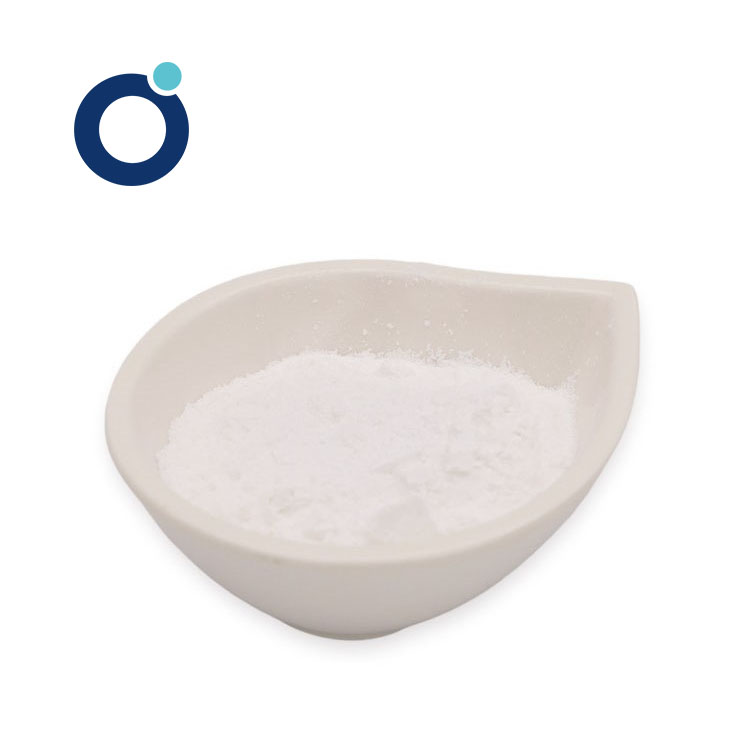
The Philippines is a major global hub for semiconductor assembly and test (OSAT) facilities. Molecular sieve powders and desiccants are crucial in packaging moisture-sensitive electronic components, protecting them from micro-cracking during reflow soldering.
5. Insulated Glass & Construction
Manila's booming real estate sector relies on energy-efficient building materials. Molecular sieves are loaded into the spacer bars of insulated glass windows to adsorb interior moisture and volatile organics, preventing fogging and maintaining clarity.
6. Refrigeration & Air Conditioning
Given the tropical climate, HVAC systems run continuously in Metro Manila. Molecular sieve beads integrated into filter driers capture trace moisture and acids within the refrigerant loop, preventing compressor failure and system freezing.
Emerging Trends in the Adsorbent Industry
As the global manufacturing sector shifts towards sustainability and carbon neutrality, the molecular sieve market is evolving rapidly. In the Philippines, local enterprises are increasingly prioritizing energy-saving adsorption solutions. Traditional thermal regeneration processes consume significant energy; therefore, modern industries in Manila are adopting advanced molecular sieves with optimized pore structures that regenerate at lower temperatures or utilize pressure swing systems to minimize energy footprints.
Furthermore, the rise of domestic pharmaceutical manufacturing and food processing in Luzon has driven the need for food-grade, non-toxic desiccants. Zeolite-based molecular sieves are replacing older, less stable chemical desiccants due to their inert nature and superior thermal stability. As local supply chains become more sophisticated, prompt local availability and technical support from experienced manufacturers like Shanghai Jiuzhou Chemicals have become key factors in supplier selection.
About Shanghai Jiuzhou Chemicals Co., Ltd.
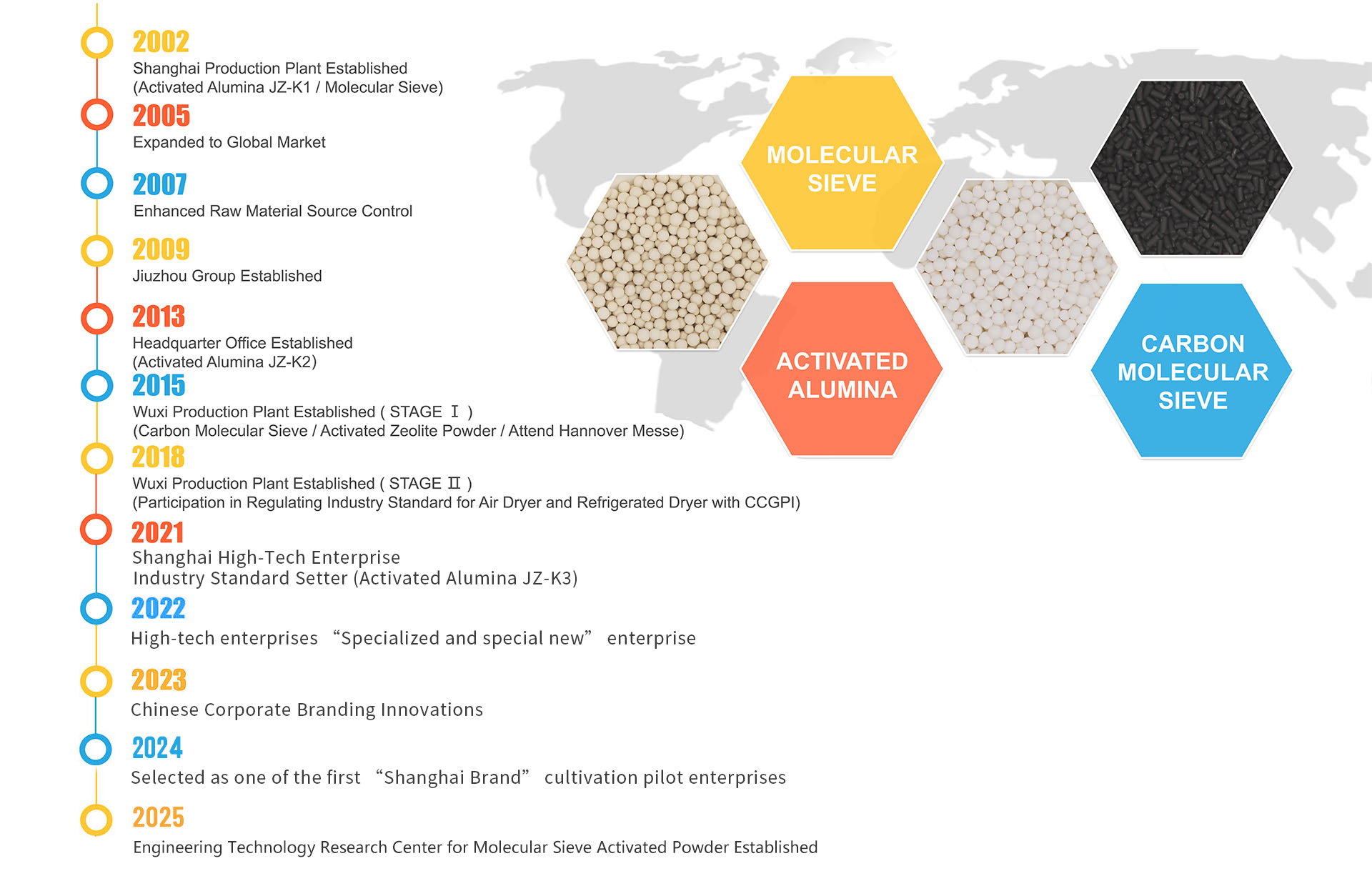
Shanghai Jiuzhou Chemicals Co., Ltd. Located in the biggest Economic Development city Shanghai. Over the years Jiuzhou has always adhered to the "quality control, innovation" principles, committed to the development, research, manufacturing of high quality innovative chemical products. Our main products includes various molecular sieve powders, molecular sieves, activated powder, activated alumina, aluminum oxide catalysts, different types of alumina packing and ceramic balls, sodium silicates, aluminum hydroxide, zeolite 4A, sodium carbonates, SLES, etc. Our all products passed the ISO9001: 2008 quality management system certification and TUV & SGS Certification.
Jiuzhou factory has a professional and world-class research team and experts in chemical product resources.We use the best in international prodution technonlogy and professional production equipment, constructed in line with national standards and by the large multipurpose plant monitoring, analysis instrument composition the central laboratory. And in quality inspection aspect Jiuzhou have controlled and that products meet international standards.
Jiuzhou's technical strength and industry reputation are leading the industry in the field of desiccants, with senior experts and technical reserves, automated multi-functional production workshops, and a central laboratory and dynamic laboratory composed of large-scale monitoring and analysis instruments. It is in quality control And in terms of supporting services, a set of scientific and complete operating system has been established Joozeo products are exported to all parts of the world, and have established a distribution network in the United States, Southeast Asia, Japan, Europe, North and South America, the Middle East and other places to provide partners with high-quality products, customized services, and more energy-saving and environmentally friendly adsorption solutions.
Selecting the Right Molecular Sieve Type
Selecting the appropriate molecular sieve depends on the molecular size of the components in your process stream. Here is a quick reference guide based on pore sizes:
Molecular Sieve 3A (Pore Size ~3 Å)
Primarily used for dehydrating unsaturated hydrocarbons, such as ethylene, propylene, and butadiene. It is also the standard choice for drying ethanol, methanol, and polar liquids. Its small pore size excludes molecules larger than 3 Å (like ethanol), preventing co-adsorption.
Molecular Sieve 4A (Pore Size ~4 Å)
Commonly used for drying saturated hydrocarbons, natural gas, and polar liquids. It effectively adsorbs water, carbon dioxide, sulfur dioxide, and hydrogen sulfide. It is widely applied in closed liquid or gas systems, such as static dehydration in packaging.
Molecular Sieve 5A (Pore Size ~5 Å)
Ideal for separating normal and isomerous hydrocarbons (PSA paraffin separation) and removing carbon dioxide and moisture from air streams. Its larger pore size allows for the adsorption of larger molecules like hydrogen sulfide and mercaptans.
Carbon Molecular Sieve (CMS)
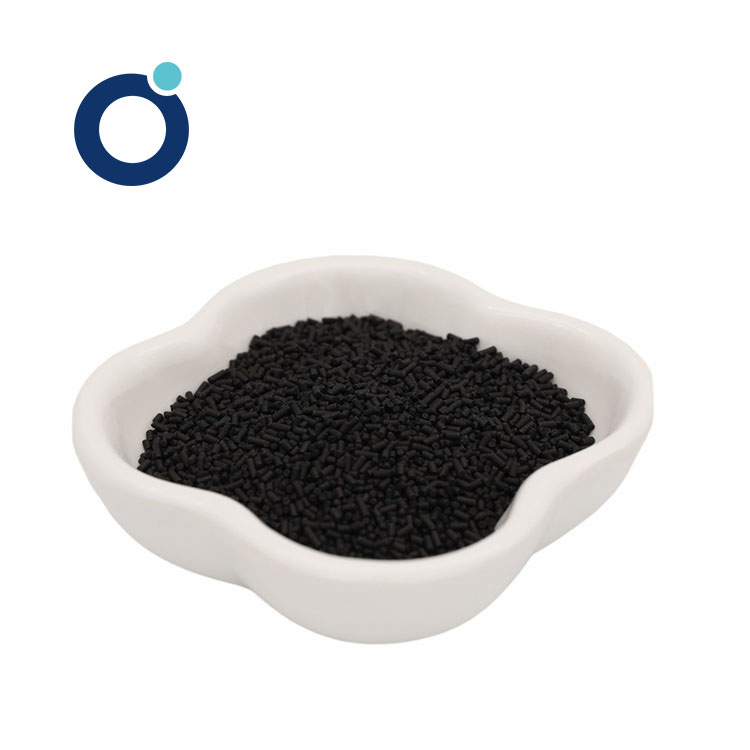
Unlike zeolite molecular sieves, Carbon Molecular Sieves (CMS) utilize carbon-based structures to separate oxygen and nitrogen. This material is the core adsorbent in PSA nitrogen generators, widely used in electronics manufacturing, food preservation, and chemical blanketing throughout Manila.
Frequently Asked Questions (FAQ)
What is the difference between molecular sieves and silica gel?
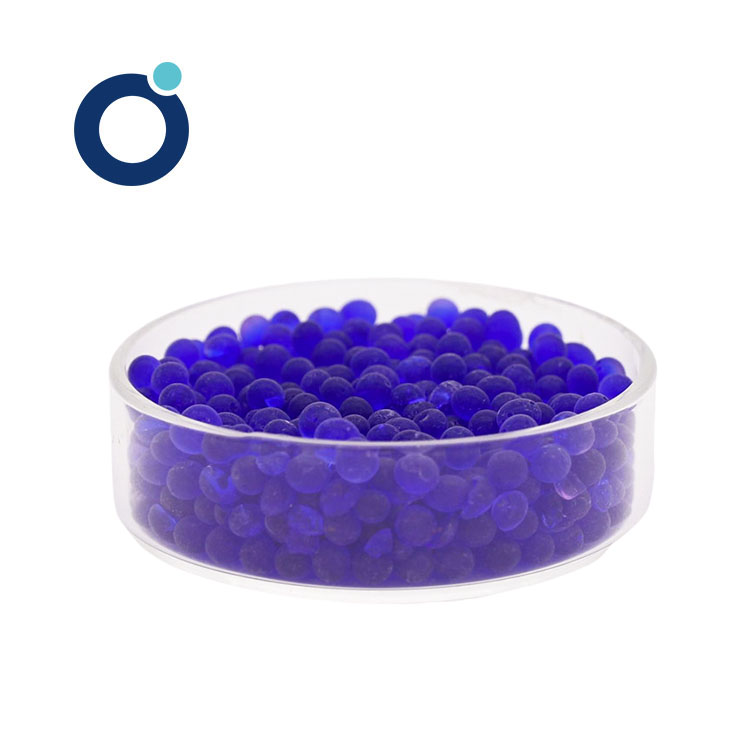
While both are desiccants, molecular sieves have highly uniform, crystalline pore structures that allow them to adsorb moisture at extremely low relative humidities and high temperatures. Silica gel is an amorphous silica structure that adsorbs water over a wider humidity range but loses its capacity rapidly at elevated temperatures and low moisture concentrations.
How long do industrial molecular sieves last?
In dynamic industrial systems (such as PSA units or gas dryers), molecular sieves typically last between 2 to 5 years, depending on operating conditions, feed gas cleanliness, regeneration temperatures, and the presence of contaminants like heavy hydrocarbons or liquid water.
Can molecular sieves be regenerated and reused?
Yes, molecular sieves can be regenerated by heating them to temperatures between 200°C and 300°C in a dry purge gas stream (Thermal Swing Adsorption, or TSA) or by reducing the system pressure (Pressure Swing Adsorption, or PSA). Proper regeneration restores their original adsorption capacity.
How can I purchase Shanghai Jiuzhou products in Manila?
Shanghai Jiuzhou Chemicals has established a reliable distribution network covering Southeast Asia, including the Philippines. You can contact our sales team directly through our website to get customized quotes, technical consultations, and fast shipping options to Metro Manila and surrounding industrial zones.