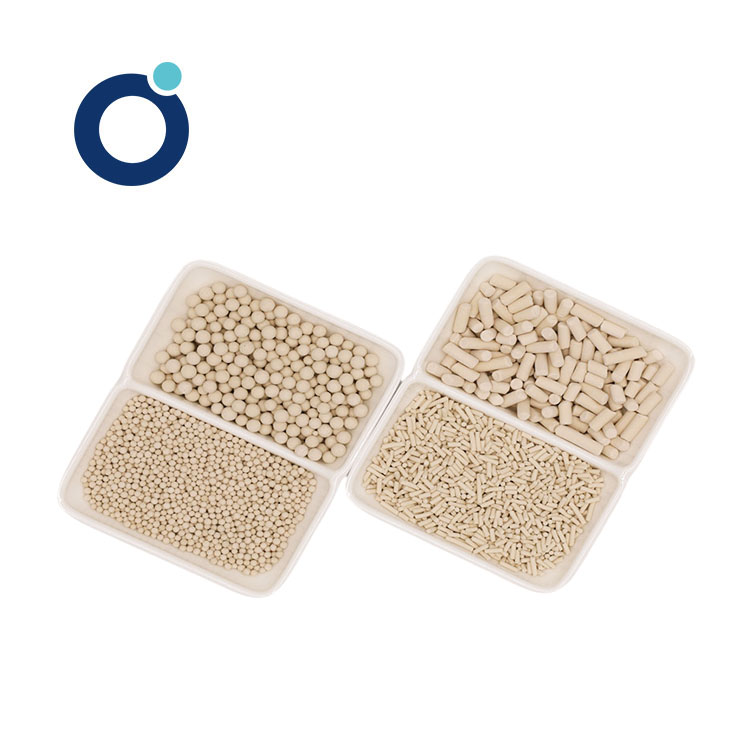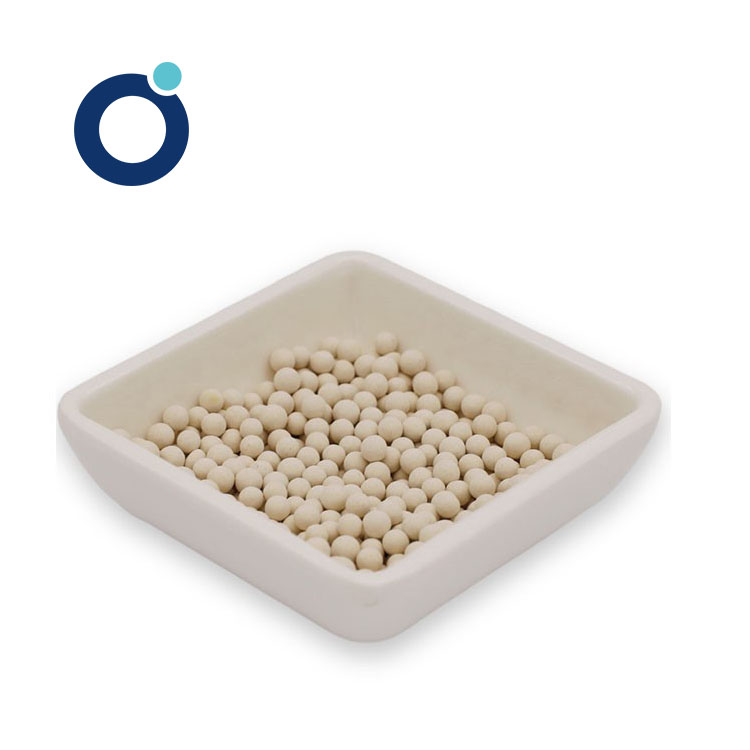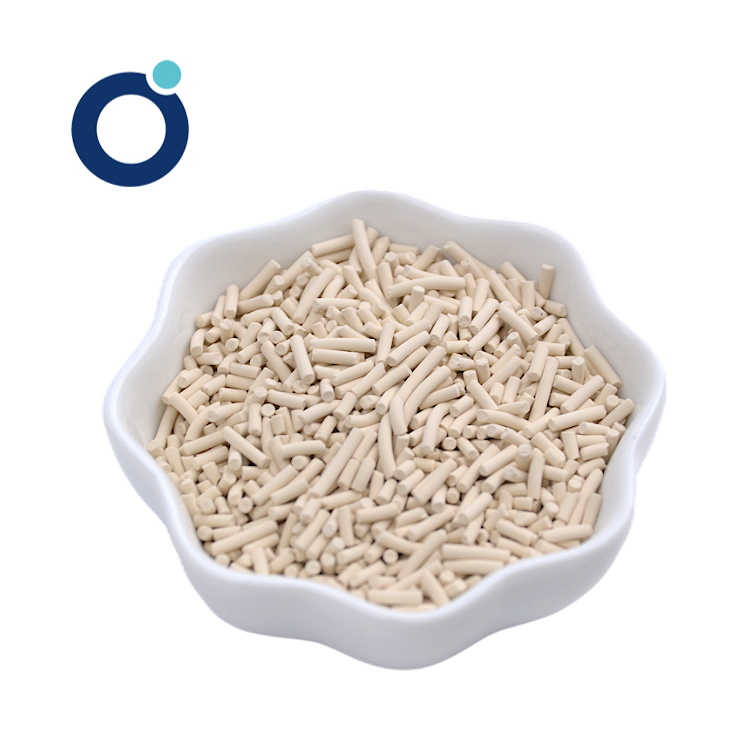
Featured Adsorption & Additive Products
Understanding Molecular Sieve Oxygen in Modern Refractory and Ceramic Industries
In the high-stakes realm of industrial manufacturing, refractories and ceramics represent the backbone of high-temperature operations. From lining blast furnaces to forming precision technical ceramic parts, these materials must withstand extreme environments, chemical corrosion, and intense thermal shock. To achieve the required material properties, precise control over combustion chemistry, sintering temperatures, and atmosphere composition is critical. This is where Molecular Sieve Oxygen plays an increasingly vital role.
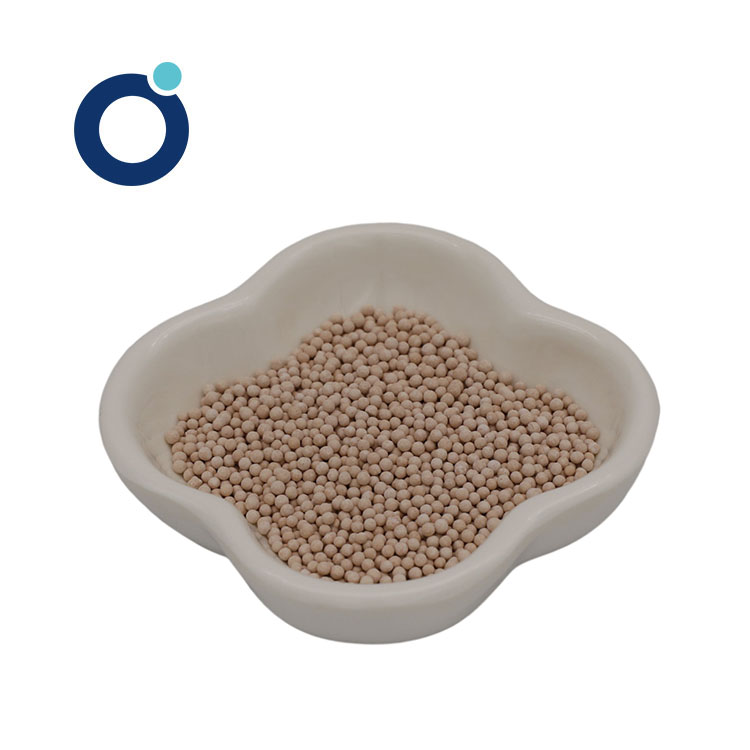
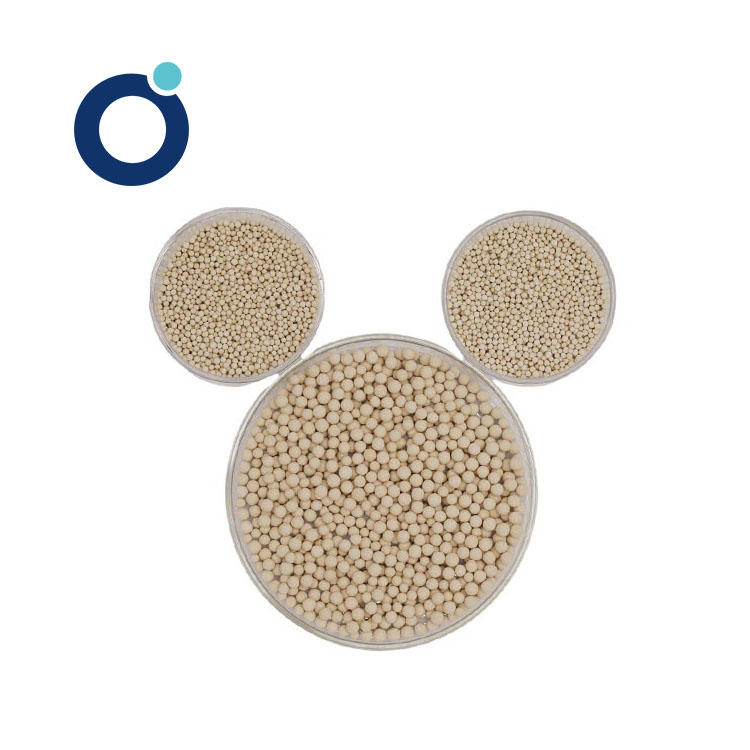
Molecular sieve oxygen refers to high-purity oxygen generated on-site using Pressure Swing Adsorption (PSA) or Vacuum Pressure Swing Adsorption (VPSA) technology. By utilizing specialized zeolite molecular sieves, nitrogen is selectively adsorbed from compressed air, yielding a continuous stream of oxygen with purities ranging from 90% to 95%. When integrated into refractory calcination and ceramic firing kilns, this oxygen-enriched air replaces conventional combustion methods, dramatically altering the thermodynamics of the process.
The Core Advantage: Oxy-Fuel Combustion & Material Synthesis
Oxy-fuel combustion, powered by molecular sieve oxygen, eliminates the ballast nitrogen present in ambient air. This results in significantly higher flame temperatures, enhanced radiative heat transfer, and a drastic reduction in exhaust gas volume. For refractory and ceramic manufacturers, this translates to faster sintering times, lower fuel consumption, and precise control over the oxidation state of the additives and raw materials.
Deep Dive: The Commercial & Industrial Landscape
Globally, the refractory and ceramic sectors are undergoing a massive transition driven by two primary forces: decarbonization and cost optimization. Traditional combustion systems relying on ambient air are inherently inefficient, as nitrogen (comprising nearly 78% of air) absorbs heat and carries it out through the flue stack. By adopting on-site PSA oxygen generation systems, plants can reduce carbon dioxide emissions by up to 30% and nitrogen oxide (NOx) emissions by up to 70%.
From a commercial standpoint, relying on delivered liquid oxygen (LOX) or cylinder gas introduces logistical vulnerabilities and price volatility. On-site molecular sieve oxygen generators offer a self-sustaining, reliable, and cost-effective alternative. The return on investment (ROI) for VPSA/PSA systems in large-scale ceramic and refractory plants is typically realized within 18 to 36 months, depending on local energy tariffs and production capacities.
Deep Application Scenarios of Molecular Sieve Oxygen & Zeolite Additives
1. Advanced Sintering of Technical Ceramics
Technical ceramics, such as alumina, zirconia, and silicon carbide, require sintering temperatures often exceeding 1600°C. In an oxygen-enriched kiln atmosphere powered by molecular sieve oxygen, the sintering process becomes highly uniform. The absence of excess nitrogen prevents nitrogen-induced defects within the ceramic matrix, resulting in higher density, reduced porosity, and superior mechanical strength.
2. Calcination of Refractory Raw Materials
Before refractories can be shaped into bricks or monolithic linings, raw minerals like bauxite, magnesite, and dolomite must undergo calcination to drive off chemically bound water and carbon dioxide. Utilizing molecular sieve oxygen in calcination rotary kilns ensures complete oxidation, preventing carbon inclusion and ensuring that the final refractory phases (such as spinel or mullite) develop their optimal crystalline structure.
3. Zeolite Molecular Sieves as Direct Structural Additives
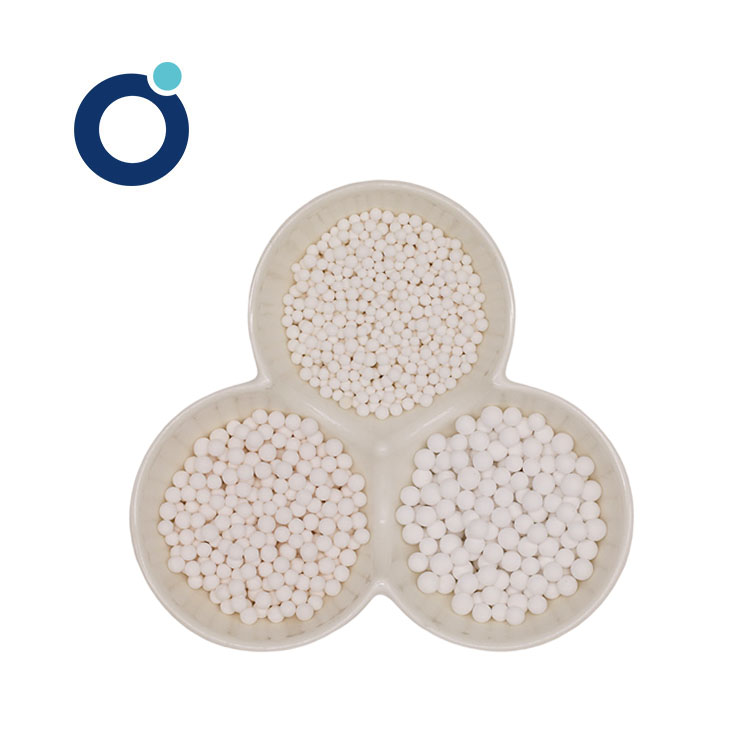
Beyond oxygen generation, molecular sieves themselves (such as synthetic zeolites) are increasingly utilized as functional additives in ceramic formulations. Due to their highly ordered pore structures and exceptional moisture-adsorption capabilities, molecular sieve powders are added to ceramic slips and green bodies to:
- Control Moisture Release: Prevent cracking and warping during the critical drying phase of complex ceramic shapes.
- Act as Pore-Forming Agents: In the production of porous ceramics used for filtration, zeolites act as structured templates that burn out or integrate cleanly during firing.
- Enhance Catalytic Properties: For ceramic catalyst supports used in emission control systems, incorporating molecular sieves improves the dispersion of active metal phases.
Corporate Profile & Achievements
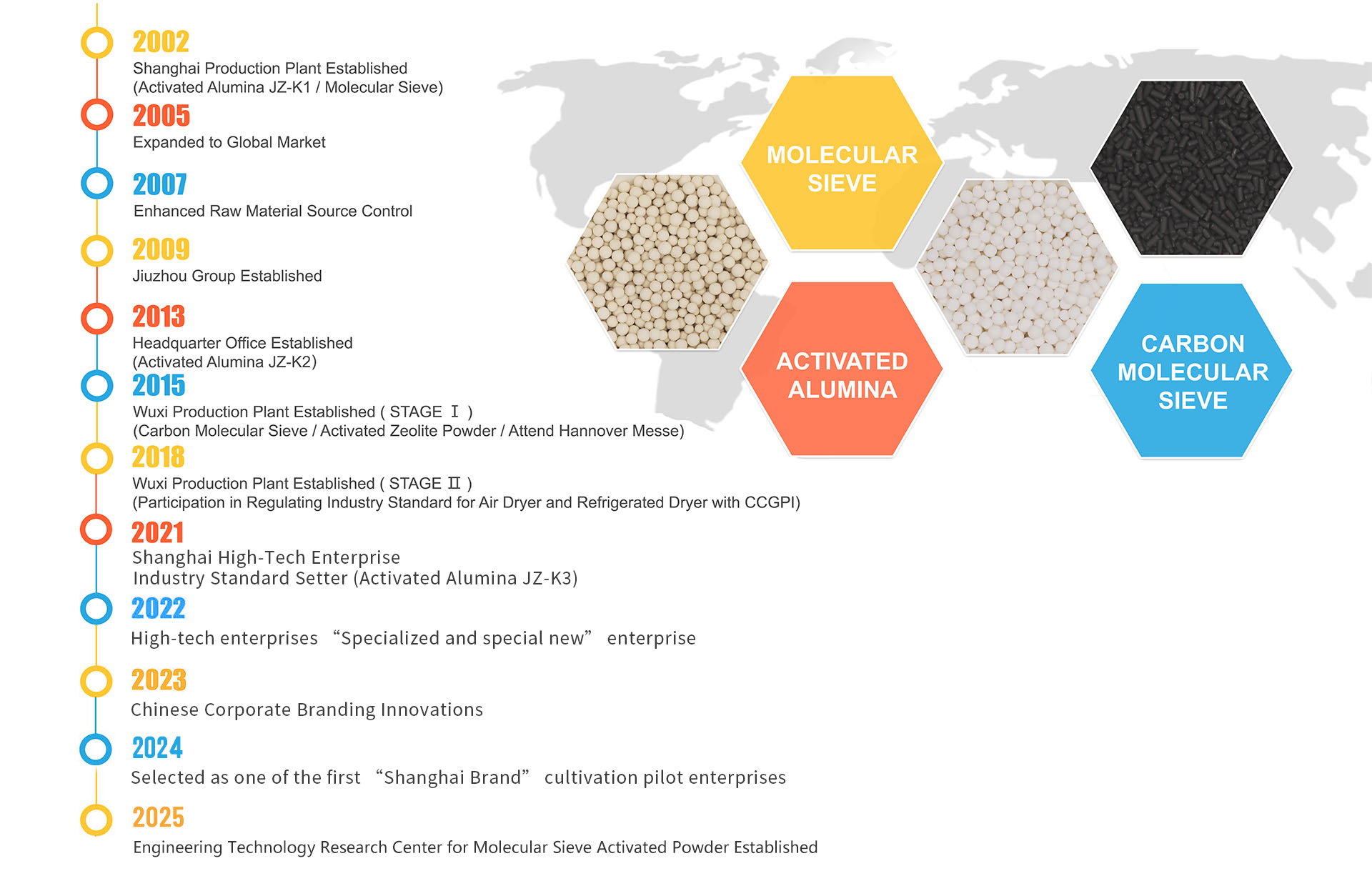
Shanghai Jiuzhou Chemicals Co., Ltd. Located in the biggest Economic Development city Shanghai. Over the years Jiuzhou has always adhered to the “quality control, innovation “principles, committed to the development, research, manufacturing of high quality innovative chemical products. Our main products includes various molecular sieve powders, molecular sieves, activated powder, activated alumina, aluminum oxide catalysts, different types of alumina packing and ceramic balls, sodium silicates, aluminum hydroxide,zeolite 4A, sodium carbonates, SLES, etc. Our all products passed the ISO9001: 2008 quality management system certification and TUV & SGS Certification.
Jiuzhou factory has a professional and world-class research team and experts in chemical product resources.We use the best in international prodution technonlogy and professional production equipment, constructed in line with national standards and by the large multipurpose plant monitoring, analysis instrument composition the central laboratory. And in quality inspection aspect Jiuzhou have controlled and that products meet international standards.
Jiuzhou's technical strength and industry reputation are leading the industry in the field f desiccants, with senior experts and technical reserves, automated multi-unctional production workshops, and a central laboratory and dynamic laboratory composed of large-scale monitoring and analysis instruments. It is in quality control And in terms of supporting services, a set of scientific and complete operating system has been established Joozeo products are exported to all parts of the world, and have established a distribution network in the United States, Southeast Asia, Japan, Europe, North and South America, the Middle East and other places to provide parthers with high-quality products, customized services, and more eneray-saving and environmentally friendly adsorption solutions.
Future Trends: The Intersection of AI, Green Hydrogen, and Zeolite Innovation
As we look toward the future of the refractory and ceramic industries, the integration of smart technologies is set to redefine operational efficiency. Artificial Intelligence (AI) and Machine Learning (ML) are beginning to play a crucial role in optimizing the adsorption cycles of PSA oxygen generators. By analyzing real-time kiln demand, ambient air temperature, and humidity, AI-driven systems can dynamically adjust the cycle times of molecular sieve beds, reducing energy consumption by up to 15% while maintaining a highly stable oxygen purity.
Furthermore, the global push toward green hydrogen is creating new opportunities for hybrid combustion systems. Combining molecular sieve oxygen with green hydrogen for combustion in ceramic kilns completely eliminates carbon emissions from the heating process, producing only water vapor as a byproduct. This requires advanced refractory linings capable of withstanding high steam concentrations, driving the demand for specialized refractory additives that prevent hydrogen embrittlement and steam-induced corrosion.
On the material side, researchers are developing next-generation synthetic zeolites with tailored pore sizes and enhanced thermal stability. These advanced molecular sieves exhibit higher nitrogen-to-oxygen selectivity and faster adsorption kinetics, allowing for smaller, more compact PSA systems that can be integrated directly into modular kiln designs.
Summary of Key Technological Benefits:
- Energy Efficiency: Up to 30% reduction in fuel consumption via heat recovery and high-efficiency oxy-fuel combustion.
- Product Quality: Precise control of kiln atmosphere prevents defects and enhances structural uniformity in technical ceramics.
- Environmental Compliance: Significant reduction in carbon footprint and nitrogen oxide emissions to meet stringent environmental regulations.
- Operational Reliability: On-site oxygen generation eliminates dependence on external supply chains and volatile gas prices.