Featured Gas Separation Products
The Dutch Industrial Landscape & The Demand for High-Purity Oxygen
The Netherlands stands as a highly developed, technology-driven economy, strategically positioned as the gateway to Europe. With major industrial hubs like the Port of Rotterdam, the chemical clusters in Geleen and Delfzijl, and a world-renowned healthcare infrastructure, the nation's requirement for high-purity gases is exceptionally sophisticated. In recent years, the Dutch market has undergone a significant transition away from traditional bulk liquid oxygen logistics towards decentralized, on-site oxygen generation systems. This shift is heavily driven by the European Green Deal, aiming to reduce carbon footprints, transport emissions, and operational hazards associated with high-pressure gas storage.
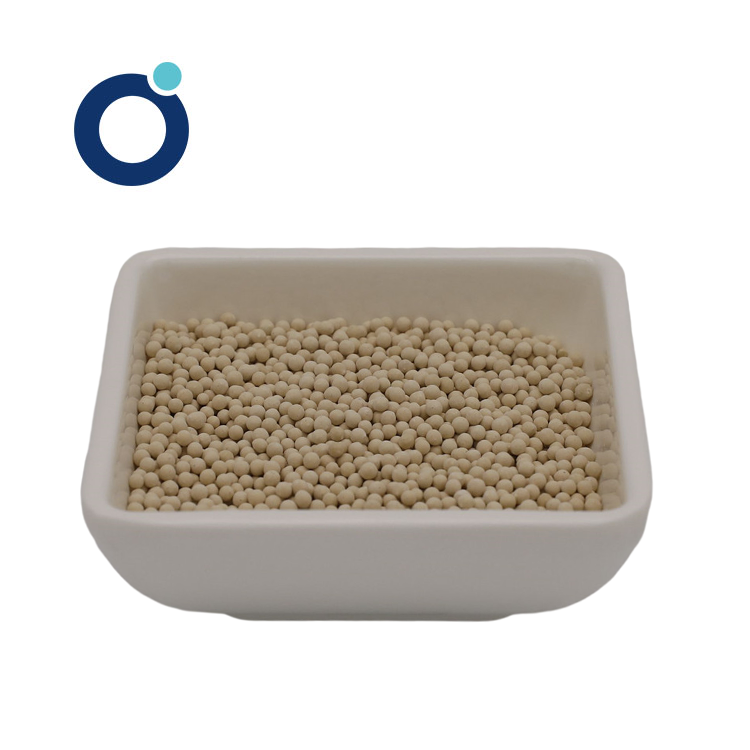
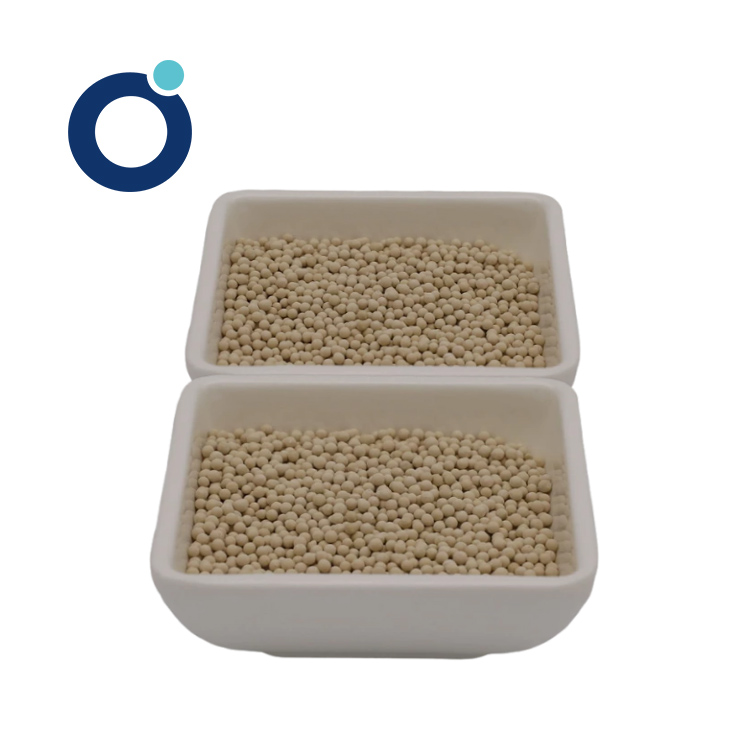
At the heart of this transition is the Pressure Swing Adsorption (PSA) and Vacuum Pressure Swing Adsorption (VPSA) technology. These systems rely on premium-grade zeolite molecular sieves to selectively adsorb nitrogen from compressed air, producing a steady, continuous stream of medical or industrial-grade oxygen. The demand for highly efficient molecular sieve oxygen products in the Netherlands has surged, particularly in specialized fields such as marine engineering, high-tech greenhouse horticulture, municipal wastewater treatment, and advanced medical respiratory equipment.
Medical & Healthcare
Powering portable and stationary oxygen concentrators for homecare and hospitals across the Netherlands, providing reliable respiratory support with high-purity output.
High-Tech Agriculture
Supporting the Dutch greenhouse sector through "oxygation"—enriching irrigation water with pure oxygen to boost root health, prevent pathogens, and maximize crop yields.
Industrial & Maritime
Enabling localized oxygen generation for marine vessels, chemical processing, metal fabrication, and glass blowing in the Rotterdam maritime corridor.
Technological Trends in Molecular Sieve Oxygen Generation
The global adsorbent industry is experiencing rapid technological evolution, with a clear focus on energy optimization and resource conservation. In the Netherlands, where energy prices and environmental regulations are among the most stringent in Europe, the efficiency of PSA oxygen plants is paramount. Traditional sodium-based molecular sieves (such as Zeolite 13X) are increasingly being replaced by advanced lithium-based molecular sieves (such as Li-X type zeolites). Lithium-exchanged zeolites possess a significantly higher nitrogen adsorption capacity and a superior N2/O2 selectivity ratio at low pressures, allowing engineering firms to design more compact oxygen generators that consume up to 30% less electricity.
Another key trend is the development of high-durability adsorbents that resist attrition and dusting. In continuous industrial operations, physical degradation of molecular sieve beads can lead to channel formation, pressure drops, and system contamination. Shanghai Jiuzhou Chemicals has addressed this by optimizing binder formulations and utilizing advanced calcination techniques, resulting in molecular sieves with exceptional mechanical crush strength and hydrothermal stability. This ensures a prolonged service life, minimizing maintenance downtime for Dutch operators.
Localized Application Scenarios in the Dutch Market
1. Decentralized Municipal Wastewater Treatment & Ozone Generation
The Netherlands is globally renowned for its water management systems. Dutch municipal wastewater treatment plants (WWTPs) are adopting advanced oxidation processes (AOPs) to eliminate micropollutants, active pharmaceutical residues, and microplastics from effluent. Ozone (O3) is a core component of these AOP systems. Because ozone must be generated on-site from high-purity oxygen feed gas, high-capacity PSA oxygen generators equipped with specialized molecular sieves are integrated directly into municipal water treatment facilities, ensuring compliance with strict European surface water quality directives.
2. Offshore Aquaculture and Fish Farming
The Dutch aquaculture sector, particularly land-based recirculating aquaculture systems (RAS), demands precise control over dissolved oxygen levels to maintain fish health and optimize stocking densities. Any interruption in oxygen supply can result in catastrophic losses within minutes. On-site PSA oxygen generators utilizing high-grade molecular sieves provide a reliable, fail-safe source of oxygen, independent of external logistics chains, ensuring continuous operation for Dutch fish farmers.
3. Maritime Shipping and On-Board Inerting Systems
With Rotterdam serving as Europe's largest seaport, the maritime sector is a major consumer of gas separation technologies. Vessels carrying volatile cargo require nitrogen inerting systems to prevent combustion, while specialized salvage and maintenance vessels require oxygen for cutting and welding. Compact, marine-certified PSA systems powered by durable molecular sieves are essential for long voyages, providing safety and self-sufficiency on the high seas.
Shanghai Jiuzhou Chemicals: Global Standards, Local Solutions
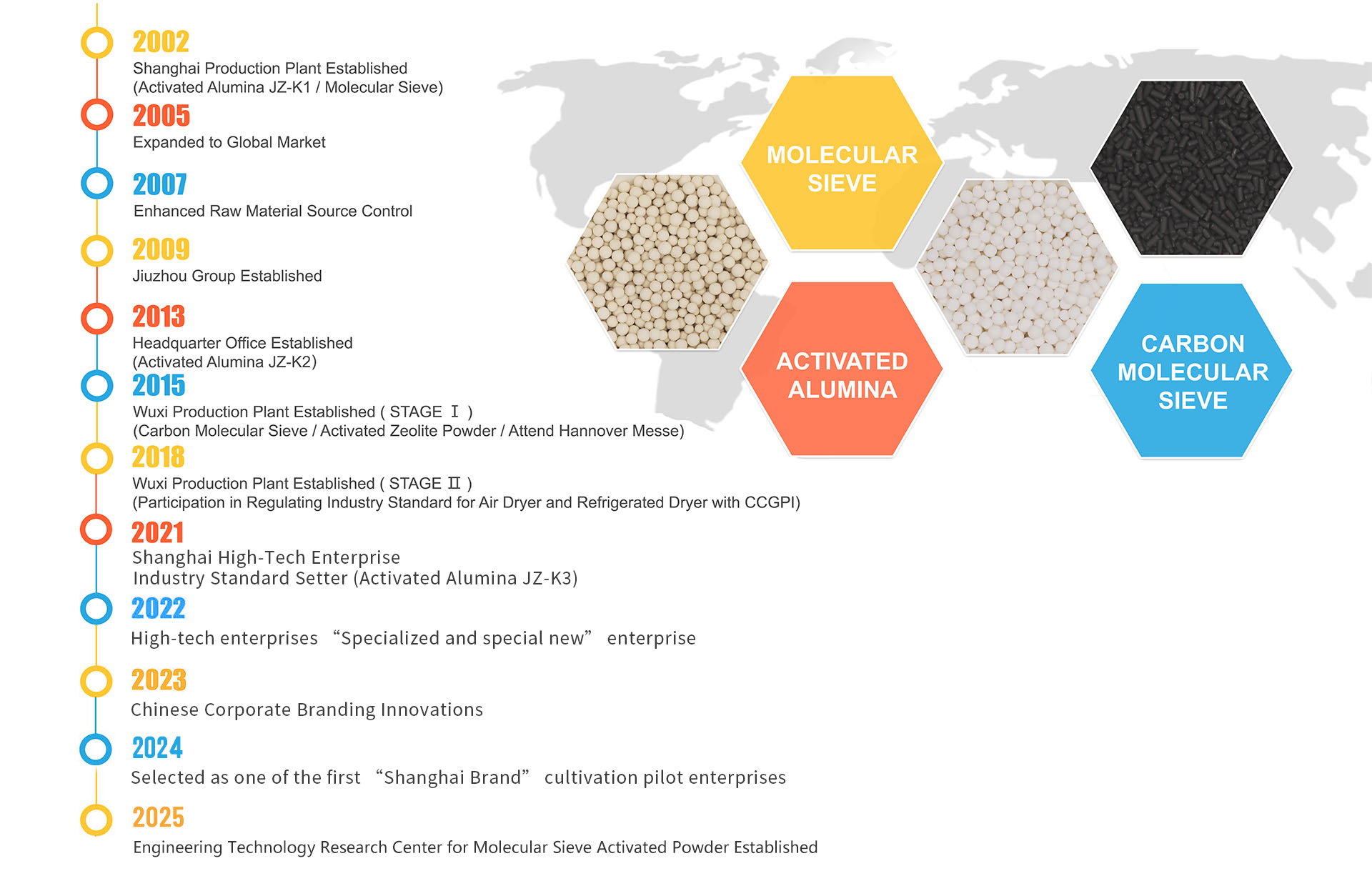
Shanghai Jiuzhou Chemicals Co., Ltd. Located in the biggest Economic Development city Shanghai. Over the years Jiuzhou has always adhered to the “quality control, innovation “principles, committed to the development, research, manufacturing of high quality innovative chemical products. Our main products includes various molecular sieve powders, molecular sieves, activated powder, activated alumina, aluminum oxide catalysts, different types of alumina packing and ceramic balls, sodium silicates, aluminum hydroxide,zeolite 4A, sodium carbonates, SLES, etc. Our all products passed the ISO9001: 2008 quality management system certification and TUV & SGS Certification.
Jiuzhou factory has a professional and world-class research team and experts in chemical product resources.We use the best in international prodution technonlogy and professional production equipment, constructed in line with national standards and by the large multipurpose plant monitoring, analysis instrument composition the central laboratory. And in quality inspection aspect Jiuzhou have controlled and that products meet international standards.
Jiuzhou's technical strength and industry reputation are leading the industry in the field f desiccants, with senior experts and technical reserves, automated multi-unctional production workshops, and a central laboratory and dynamic laboratory composed of large-scale monitoring and analysis instruments. It is in quality control And in terms of supporting services, a set of scientific and complete operating system has been established Joozeo products are exported to all parts of the world, and have established a distribution network in the United States, Southeast Asia, Japan, Europe, North and South America, the Middle East and other places to provide parthers with high-quality products, customized services, and more eneray-saving and environmentally friendly adsorption solutions.
Technical Insights: How Molecular Sieves Separate Oxygen
The separation of oxygen from air using zeolites is based on the co-existence of two primary phenomena: size exclusion and electrostatic attraction. The crystalline structure of synthetic zeolites contains a highly defined network of pores and cavities. Extra-framework cations (such as sodium, calcium, or lithium ions) reside within these cavities, creating localized electrostatic fields. Nitrogen molecules possess a significant quadrupole moment, which interacts strongly with these cations. As a result, when compressed air passes through the molecular sieve bed, nitrogen is preferentially adsorbed onto the zeolite surface, while oxygen, having a much weaker quadrupole moment, passes through as the product gas.
Our product line features specialized pore configurations optimized for different operating environments. For example, our 13X-based molecular sieves feature a nominal pore opening of 9-10Å, making them highly effective for general industrial oxygen generators. For medical concentrators, where space and weight are highly restricted, our lithium-exchanged JZ-2ZAS molecular sieve features optimized pore kinetics that maximize nitrogen adsorption capacity, allowing the system to achieve high oxygen purity (>93% ± 3%) with a minimal quantity of adsorbent material.