Deep Analysis of Molecular Sieve Separation in Natural Gas Dehydration
Natural gas, extracted from deep underground reservoirs, is inherently saturated with water vapor. If this moisture is not efficiently removed, it poses severe operational hazards, including the formation of solid gas hydrates that can plug pipelines, accelerate internal corrosion, and decrease the heating value of the gas. To address these vulnerabilities, Molecular Sieve Separation For Natural Gas Dehydration stands out as the industry standard. It achieves ultra-low water dew points (often below -100°C or 1 ppmv water content), ensuring compliance with stringent pipeline specifications and the extreme conditions required for Liquefied Natural Gas (LNG) processing.
Did you know? Traditional glycol dehydration units (TEG) can only reduce water content to around 30-50 ppmv. For deep dehydration required in cryogenic LNG plants (less than 0.1 ppmv), crystalline aluminosilicate molecular sieves are the only viable commercial solution.
The Core Mechanism of Molecular Sieve Adsorption
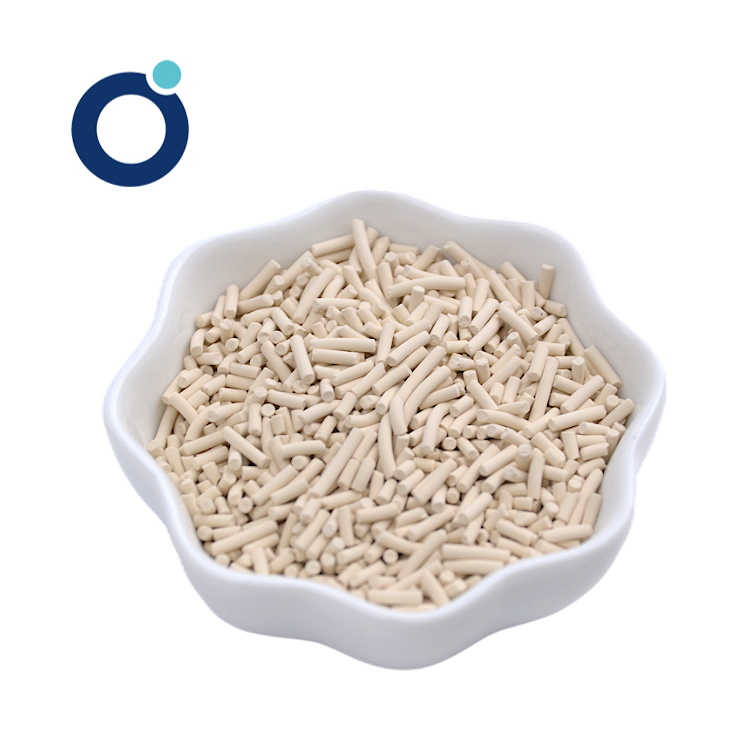
Molecular sieves are synthetic crystalline aluminosilicates (zeolites) characterized by a highly uniform three-dimensional pore network. The dehydration process operates on the principles of physical adsorption, relying on two distinct mechanisms:
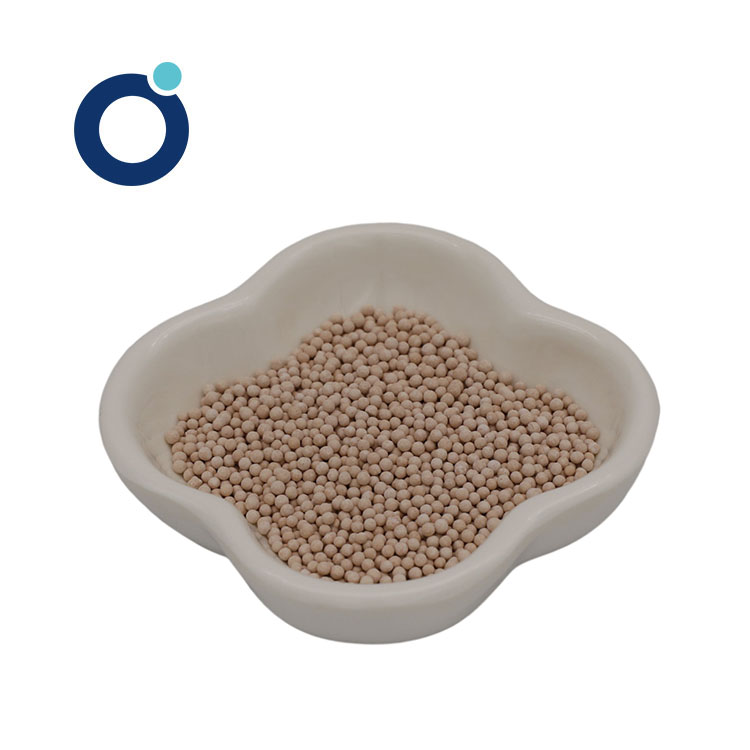
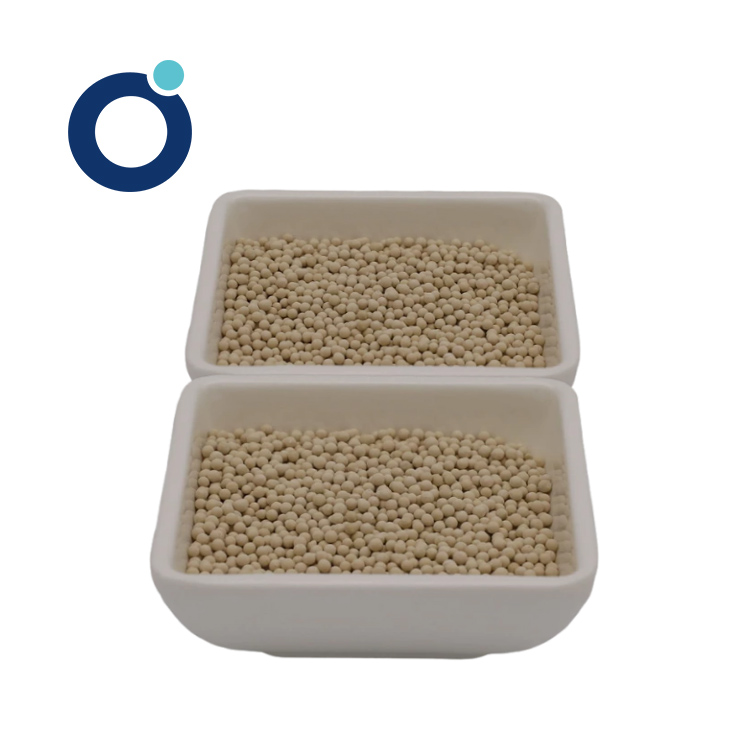
- Size Exclusion: Zeolites possess precise pore diameters (typically 3Å, 4Å, 5Å, or 10Å/13X). For natural gas dehydration, a 3A molecular sieve is widely preferred. Its 3-angstrom pore opening allows water molecules (critical diameter ~2.6Å) to enter and be adsorbed, while excluding larger hydrocarbons like methane (3.8Å), ethane, and heavier fractions, preventing co-adsorption and subsequent coking.
- Polar Affinity: Water is a highly polar molecule. The internal cavities of molecular sieves contain localized electrostatic fields generated by framework metal cations (such as sodium, potassium, or calcium). These fields exhibit a strong affinity for polar molecules, allowing the sieve to bind water tightly even under low partial pressure and elevated operating temperatures.
Commercial & Industrial Landscape of Natural Gas Dehydration
The global demand for natural gas as a cleaner transition fuel has driven massive investments in LNG infrastructure and deep-sea gas extraction. According to recent market analysis, the industrial molecular sieve market is expanding rapidly, with a projected compound annual growth rate (CAGR) of over 5.5% through the next decade. The primary drivers include:
- Strict LNG Specifications: LNG liquefaction occurs at cryogenic temperatures around -162°C. Any residual water above 0.1 ppm will freeze instantly, causing catastrophic blockages in heat exchangers and valves.
- Subsea Pipeline Transport: Deepwater pipelines operate under high pressures and low temperatures, creating the perfect environment for hydrate formation. Deep dehydration using molecular sieves is mandatory before injecting gas into these systems.
- Environmental Regulatory Pressure: Unlike liquid absorption processes (such as TEG) that may release volatile organic compounds (VOCs) and hazardous air pollutants (HAPs) during regeneration, dry molecular sieve units offer an enclosed, environmentally friendly operation.
Consequently, chemical manufacturers are focusing on producing high-durability, low-attrition, and high-crush-strength molecular sieves to withstand the mechanical stresses of rapid pressure and temperature fluctuations in industrial adsorbers.
Deep-Dive Application Scenarios
Molecular sieve separation is not a one-size-fits-all process. Depending on the feed gas composition and downstream requirements, systems are engineered for diverse, highly challenging scenarios:
1. Cryogenic LNG Pre-treatment
In LNG production plants, the molecular sieve unit (often integrated into an Acid Gas Removal Unit or AGRU) is the final safeguard before the liquefaction train. It must consistently deliver outlet water concentrations below 0.1 ppmv. The design typically utilizes a multi-bed Thermal Swing Adsorption (TSA) setup, ensuring continuous operation where one bed adsorbs while others undergo heating, cooling, and standby phases.
2. Natural Gas Liquids (NGL) Recovery
During NGL recovery, natural gas is cooled to extract ethane, propane, and butane. If water is present, hydrates will foul the demethanizer and turbo-expander. Molecular sieves protect these high-speed rotary machines by maintaining dry conditions, preventing ice crystal erosion on the expander blades.
3. Sour Gas Dehydration & Sweetening
When dealing with "sour" gas containing high concentrations of hydrogen sulfide (H2S) and carbon dioxide (CO2), standard molecular sieves can degrade due to acid formation or undergo unwanted side reactions like COS (carbonyl sulfide) formation. Special acid-resistant molecular sieves, such as modified 3A or 4A zeolites, are deployed to selectively dehydrate the gas without promoting COS synthesis or losing structural integrity.
About Shanghai Jiuzhou Chemicals
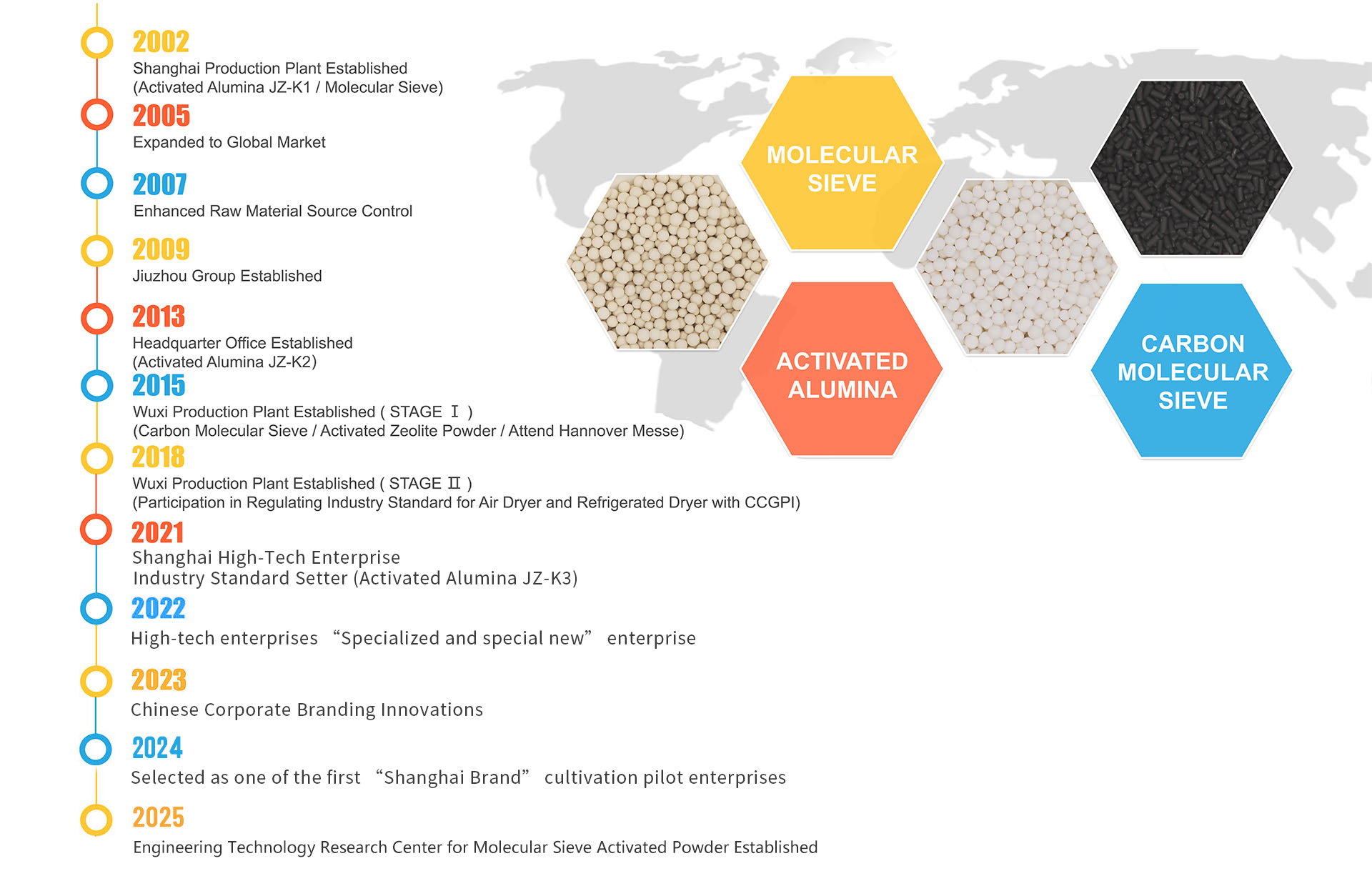
Shanghai Jiuzhou Chemicals Co., Ltd. Located in the biggest Economic Development city Shanghai. Over the years Jiuzhou has always adhered to the "quality control, innovation" principles, committed to the development, research, manufacturing of high quality innovative chemical products. Our main products includes various molecular sieve powders, molecular sieves, activated powder, activated alumina, aluminum oxide catalysts, different types of alumina packing and ceramic balls, sodium silicates, aluminum hydroxide, zeolite 4A, sodium carbonates, SLES, etc. Our all products passed the ISO9001: 2008 quality management system certification and TUV & SGS Certification.
Jiuzhou factory has a professional and world-class research team and experts in chemical product resources. We use the best in international production technology and professional production equipment, constructed in line with national standards and by the large multipurpose plant monitoring, analysis instrument composition the central laboratory. And in quality inspection aspect Jiuzhou have controlled and that products meet international standards.
Jiuzhou's technical strength and industry reputation are leading the industry in the field of desiccants, with senior experts and technical reserves, automated multi-functional production workshops, and a central laboratory and dynamic laboratory composed of large-scale monitoring and analysis instruments. It is in quality control and in terms of supporting services, a set of scientific and complete operating system has been established. Joozeo products are exported to all parts of the world, and have established a distribution network in the United States, Southeast Asia, Japan, Europe, North and South America, the Middle East and other places to provide partners with high-quality products, customized services, and more energy-saving and environmentally friendly adsorption solutions.
Future Development Trends in Molecular Sieve Dehydration
As the global energy sector shifts toward carbon neutrality and high operational efficiency, molecular sieve technology is undergoing significant evolution. Modern engineering trends focus on maximizing performance while reducing the carbon footprint of dehydration units:
1. Low-Temperature Regeneration Zeolites
Thermal Swing Adsorption (TSA) units require high temperatures (typically 200°C to 300°C) to regenerate the saturated molecular sieve bed. This process consumes considerable fuel gas. Researchers and manufacturers are developing advanced framework materials that lower the regeneration energy barrier, allowing complete desorption at lower temperatures, directly translating to substantial energy savings and reduced CO2 emissions.
2. High-Capacity Hybrid Adsorbents
Combining the high selectivity of zeolites with the high surface area of metal-organic frameworks (MOFs) is an emerging research frontier. These hybrid materials aim to deliver unprecedented water adsorption capacity, reducing the required footprint and weight of adsorption vessels—a crucial benefit for offshore platforms and floating LNG (FLNG) vessels.
3. AI-Driven Process Optimization
Integrating artificial intelligence and digital twins into industrial gas plants allows operators to predict the precise breakdown point of molecular sieve beds. By analyzing real-time variables like feed gas flow rate, pressure, temperature, and moisture levels, AI algorithms optimize the cycle switching times, preventing premature regeneration and extending the mechanical lifespan of the adsorbent beads from the typical 3-5 years to over 7 years.
Operational Best Practices: Avoiding Hydrothermal Aging & Coking
To ensure the longevity and efficiency of molecular sieve separation units, operators must adhere to strict process control protocols:
- Preventing Liquid Water Carryover: Feed gas must pass through efficient filter-separators or coalescers before entering the molecular sieve bed. Liquid water droplets hitting the hot sieve during regeneration can cause hydrothermal structural collapse, leading to rapid loss of crystallinity and capacity.
- Optimizing Heating and Cooling Rates: Rapid temperature transitions create thermal stress, causing the binder material to degrade and resulting in dust formation (attrition). Gradual heating and cooling ramps are critical to preserving the mechanical integrity of the beads.
- Hydrocarbon Contamination Control: Heavy hydrocarbons or compressor lube oils can block the micropores of the zeolite, a phenomenon known as coking. Proper pre-filtration and selection of non-adsorbing pore sizes (like 3A) prevent this degradation pathway.