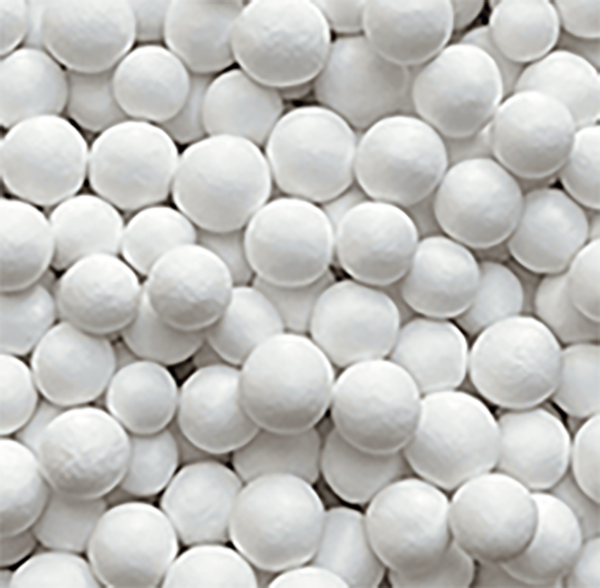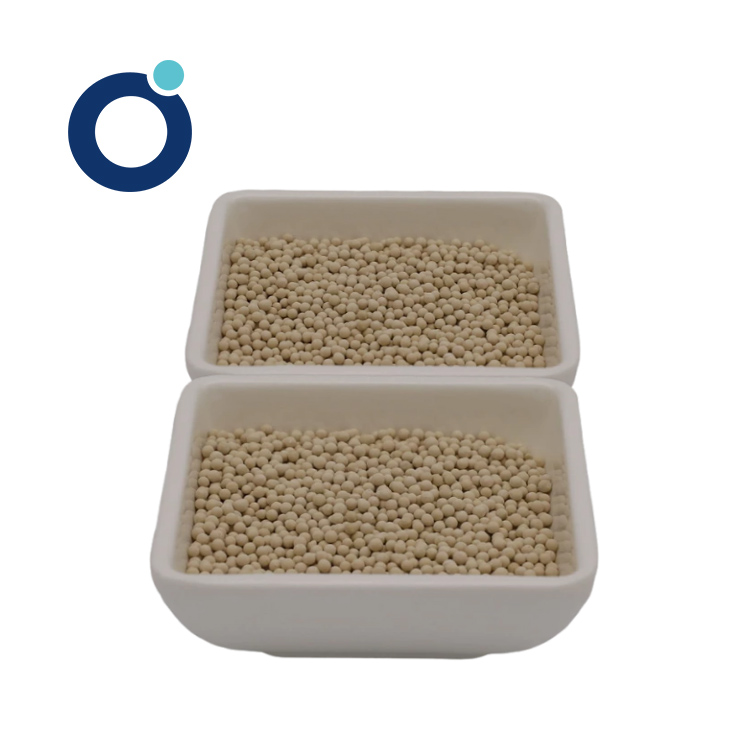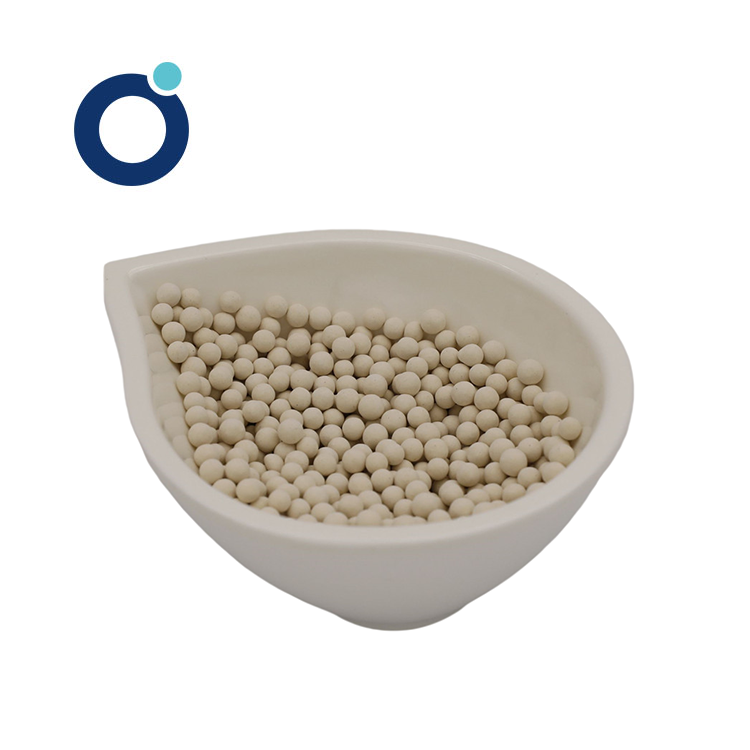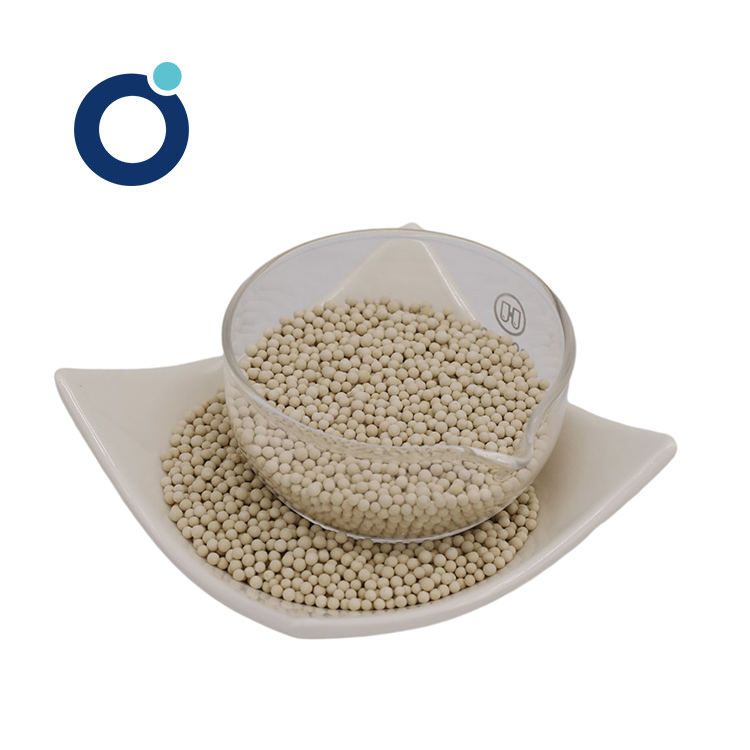
Featured Off-Gas Adsorption Solutions
Explore our high-performance molecular sieves and silica gels engineered specifically for moisture control, VOC containment, and acid gas separation in industrial processes.
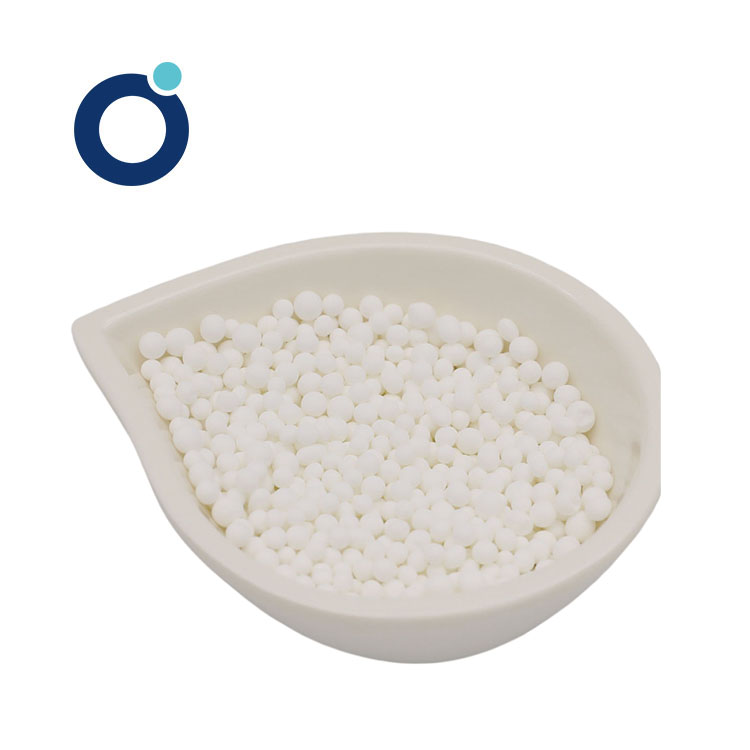
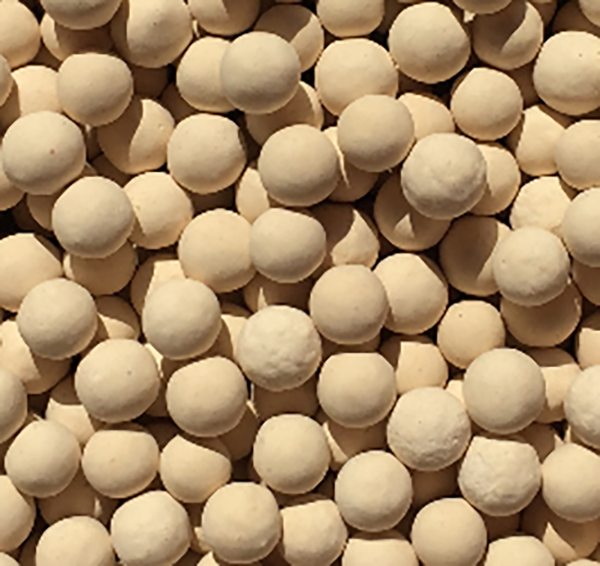
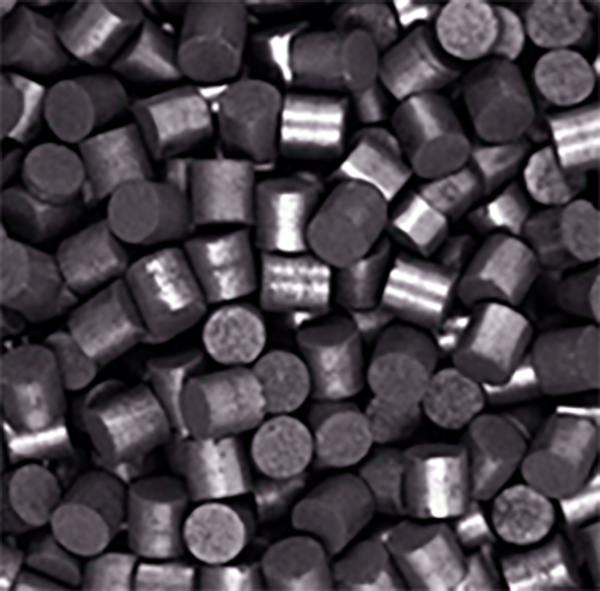
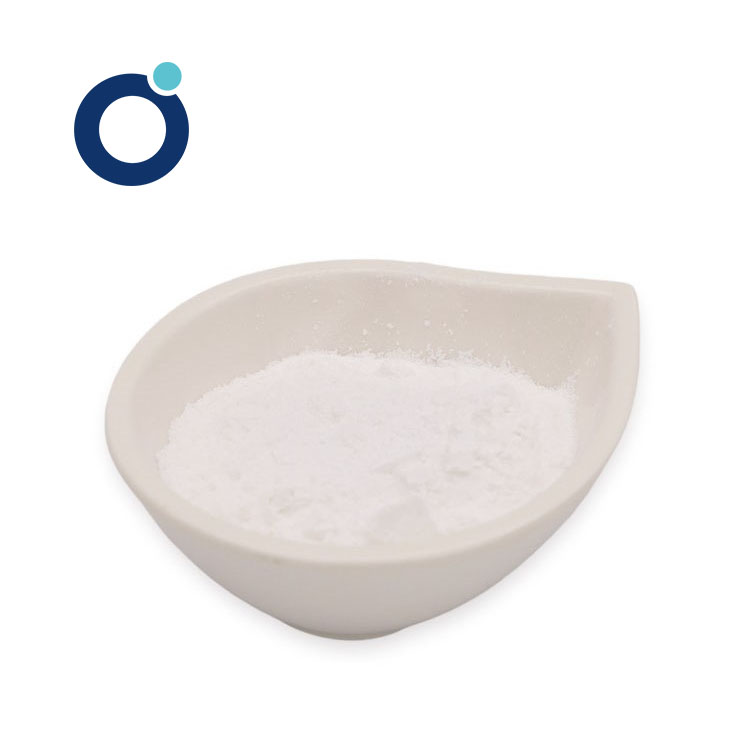
The Critical Role of Molecular Sieve Separation in Modern Off-Gas Purification
Industrial off-gases, generated across petrochemical plants, refineries, waste treatment facilities, and energy production sectors, contain a complex mixture of contaminants. These include volatile organic compounds (VOCs), greenhouse gases (CO2, CH4), acid gases (H2S, SOx), nitrogen oxides (NOx), and moisture. Discharging these untreated gases not only violates increasingly stringent environmental regulations but also wastes valuable chemical components that could otherwise be recovered and recycled.
To address this, molecular sieve separation has emerged as a premier technology for off-gas purification. Unlike traditional wet scrubbing or thermal incineration methods, which can be energy-intensive and produce secondary waste streams, molecular sieves operate on the principle of physical adsorption. These crystalline aluminosilicates feature highly uniform pore structures, a vast internal surface area, and customizable surface polarities. By selectively capturing target molecules while allowing benign gases like nitrogen or oxygen to pass through, molecular sieves provide an elegant, dry, and highly efficient purification pathway.
Why Precision Adsorption Matters
In modern industrial facilities, off-gas streams vary wildly in humidity, temperature, and contaminant concentration. Standard adsorbents like activated carbon often fail under high moisture conditions or lack the selectivity required to capture trace pollutants. Synthetic zeolites and molecular sieves solve this by offering precise pore sizing (typically from 3Å to 10Å) and tailored electrostatic fields, ensuring that separation occurs at the molecular level with near-zero leakage.
Mechanisms of Molecular Sieve Separation
The separation capability of a molecular sieve relies on two primary attributes: steric hindrance (size exclusion) and thermodynamic affinity (polarity/electrostatic interactions). The uniform crystalline framework contains cages and channels of exact dimensions. Molecules with kinetic diameters larger than the pore opening are physically blocked, while smaller molecules enter the cavity and are adsorbed onto the active sites.
Furthermore, the presence of metal cations (such as sodium, potassium, or calcium) within the aluminosilicate framework creates localized electrostatic fields. Polar molecules (such as water, carbon dioxide, and hydrogen sulfide) or polarizable molecules (like unsaturated hydrocarbons) experience strong electrostatic attraction to these cations. This dual-action selectivity allows molecular sieves to perform deep purification, reducing trace contaminants from percentage levels down to parts-per-billion (ppb) thresholds.
Deep Dive: Core Applications of Molecular Sieves in Off-Gas Streams
Off-gas purification is not a one-size-fits-all process. Depending on the source of the emission, different molecular sieve types are deployed to target specific molecules. Below are the primary industrial applications where molecular sieve separation delivers unmatched performance:
1. Volatile Organic Compound (VOC) Abatement
VOC emissions from paint booths, chemical printing, and polymer manufacturing pose severe health and environmental risks. Hydrophobic zeolites and specialized molecular sieves are utilized to concentrate dilute VOC streams. By adsorbing VOCs from high-volume air streams, the molecular sieve acts as a concentrator. The concentrated stream is then desorbed in a much smaller volume, making subsequent recovery or thermal oxidation significantly more energy-efficient.
2. Decarbonization & Carbon Capture
Flue gases and industrial process vents contain massive amounts of CO2. Molecular sieves, particularly 13X and modified zeolite frameworks, exhibit high selectivity for carbon dioxide over nitrogen. In Pressure Swing Adsorption (PSA) or Temperature Swing Adsorption (TSA) systems, these molecular sieves isolate CO2 from combustion off-gases, enabling carbon capture, utilization, and storage (CCUS) initiatives that are crucial for reaching net-zero targets.
3. Acid Gas Removal (H2S, COS, and Mercaptans)
Refinery off-gases and biogas streams are frequently contaminated with corrosive and toxic sulfur compounds. Molecular sieves like JooSorb COS and JZ-AZ are highly effective at co-adsorbing water and sulfur species. Removing these compounds protects downstream catalysts from poisoning, prevents equipment corrosion, and ensures compliance with environmental sulfur emission limits.
4. Deep Dehydration of Off-Gas Streams
Moisture is the enemy of many downstream gas processes, leading to hydrate formation, corrosion, and catalyst degradation. 3A and 4A molecular sieves are the industry standards for deep dehydration, capable of drying gases to a dew point of less than -70°C. Using water-resistant guard beds, such as Water Resistant Silica Gel JZ-WSG, prevents liquid water carryover from damaging the primary molecular sieve beds.
Commercial and Industrial Landscape
The global market for molecular sieve separation in off-gas purification is expanding rapidly. This growth is driven by three main factors: stricter environmental mandates, the rise of the circular economy, and the expansion of the natural gas and hydrogen industries. Regulatory agencies worldwide are lowering the allowable limits for VOCs, sulfur, and greenhouse gases, forcing operators to upgrade their treatment facilities from simple flaring to advanced recovery systems.
From an economic standpoint, molecular sieve systems represent a highly viable long-term investment. Although the initial capital expenditure for a PSA or TSA unit can be higher than that of simple carbon filters, the long service life (often exceeding 3 to 5 years), low energy consumption during regeneration, and high purity of the recovered products yield a superior return on investment (ROI). Furthermore, the ability to regenerate molecular sieves in-situ minimizes operational downtime and reduces replacement material costs.
Future Trends in Adsorption and Separation Technology
As industrial processes become more complex, the demands placed on molecular sieves are evolving. Manufacturers and research institutes are actively developing next-generation adsorbents to meet these challenges. Key trends reshaping the industry include:
- Hierarchical Zeolites: Traditional molecular sieves can suffer from diffusion limitations, where molecules take time to travel through the micro-pores. Hierarchical zeolites combine micropores (for selective adsorption) with mesopores (for rapid mass transport), dramatically increasing adsorption kinetics and cycle efficiency.
- High Hydrophobic Formulations: Moisture is almost always present in off-gas streams. Developing highly hydrophobic molecular sieves ensures that VOCs or CO2 can be selectively adsorbed even under high relative humidity, reducing the need for intensive pre-drying steps.
- Process Intensification: The integration of rotary concentrator wheels and rapid-cycle PSA systems allows for smaller footprint installations, making molecular sieve separation feasible for space-constrained offshore platforms and urban industrial zones.
- Green Synthesis: As sustainability takes center stage, researchers are focusing on template-free and low-temperature synthesis routes for zeolites, reducing the carbon footprint of the molecular sieves themselves.
Environmental Compliance and ESG Goals
Implementing molecular sieve technology directly aligns with corporate Environmental, Social, and Governance (ESG) strategies. By reducing hazardous air pollutants (HAPs) and optimizing resource recovery, companies can significantly lower their environmental impact while demonstrating a commitment to sustainable manufacturing practices.
Shanghai Jiuzhou Chemicals Co., Ltd.
A global leader in the development, research, and manufacturing of high-quality chemical adsorbents and custom purification solutions.
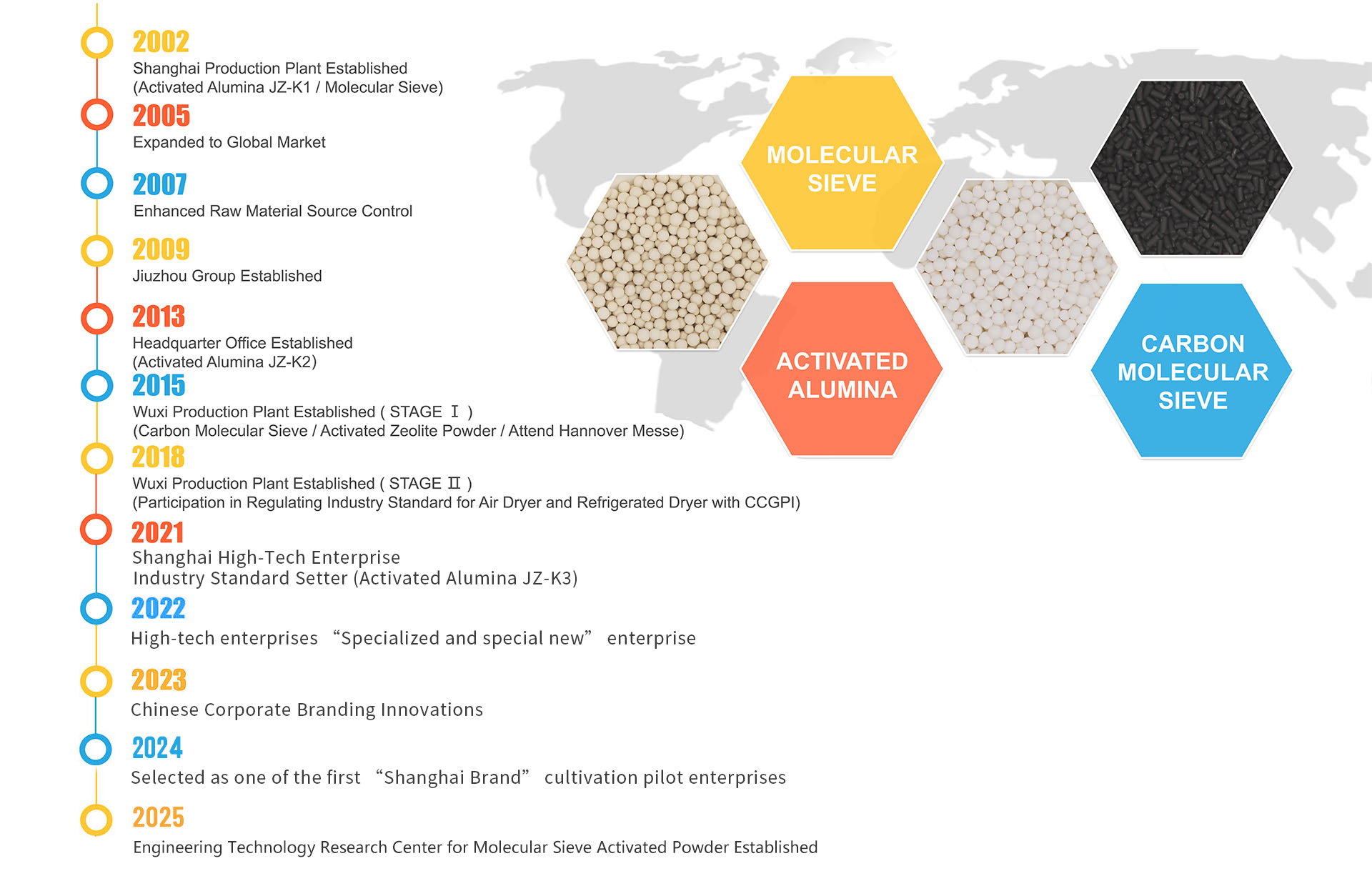
Shanghai Jiuzhou Chemicals Co., Ltd. is located in Shanghai, the largest economic development city in China. Over the years, Jiuzhou has always adhered to the "quality control, innovation" principles, committing itself to the development, research, and manufacturing of high-quality, innovative chemical products. Our main products include various molecular sieve powders, molecular sieves, activated powder, activated alumina, aluminum oxide catalysts, different types of alumina packing and ceramic balls, sodium silicates, aluminum hydroxide, zeolite 4A, sodium carbonates, SLES, and more. All our products have passed the ISO9001: 2008 quality management system certification and TUV & SGS Certification.
Jiuzhou factory boasts a professional and world-class research team along with experts in chemical product resources. We utilize the best international production technologies and professional production equipment. Our facilities are constructed in line with national standards and monitored by a large, multipurpose plant central laboratory equipped with advanced analytical instruments. In terms of quality inspection, Jiuzhou ensures that all products meet strict international standards.
Jiuzhou's technical strength and industry reputation lead the field of desiccants. With senior experts, deep technical reserves, automated multi-functional production workshops, and dynamic testing laboratories, we have established a scientific and complete operating system. Joozeo products are exported worldwide, with a robust distribution network spanning the United States, Southeast Asia, Japan, Europe, North and South America, and the Middle East, providing partners with high-quality products, customized services, and energy-saving, environmentally friendly adsorption solutions.
Our Comprehensive Product Portfolio
Discover our full range of molecular sieves, specialty adsorbents, and silica gels engineered for optimal performance in demanding off-gas purification and dehydration systems.