Featured Adsorbents for Compressed Air Treatment
Explore our top-performing molecular sieves and specialized industrial desiccants tailored specifically to optimize the performance of heat-regenerated and heatless compressed air dryers.
The Role of Molecular Sieves in Compressed Air Dehydration
In modern manufacturing and industrial processing, compressed air is often referred to as the fourth utility. However, ambient air drawn into a compressor naturally contains significant amounts of water vapor. If this moisture is not efficiently removed, it condenses into liquid water inside the downstream piping, leading to catastrophic pneumatic tool failures, corrosion, product contamination, and freezing in outdoor installations.
While refrigerated air dryers are suitable for basic applications (achieving pressure dew points of approximately 3°C to 10°C), critical industrial processes demand far drier conditions. This is where desiccant compressed air dryers equipped with premium molecular sieves become indispensable. These advanced synthetic zeolites can achieve ultra-low pressure dew points down to -40°C or even -70°C, ensuring absolutely dry, clean, and high-quality compressed air that complies with ISO 8573-1 Class 1 and Class 2 moisture specifications.
Unlike silica gel or activated alumina, which rely on non-uniform capillary condensation, molecular sieves possess a highly ordered crystalline structure with precise pore openings (typically 3Å, 4Å, or 10Å). This allows them to selectively adsorb water molecules based on molecular size while excluding larger hydrocarbons and carrier gases. This crystalline structure guarantees a high adsorption capacity even at low relative humidity levels and high operating temperatures.
Understanding the Adsorption Dynamics (PSA & TSA Systems)
Molecular sieves are utilized primarily in two configurations of regenerative desiccant dryers:
- Pressure Swing Adsorption (PSA) / Heatless Dryers: These systems operate on short, rapid cycles (typically 4 to 10 minutes). One tower adsorbs moisture under high pressure, while the other tower regenerates at atmospheric pressure using a portion of dry purge air. The high mass transfer rate of molecular sieves is crucial here to ensure rapid adsorption and desorption.
- Temperature Swing Adsorption (TSA) / Heated Dryers: These systems utilize external or internal heaters to regenerate the saturated desiccant bed. Because molecular sieves exhibit superior thermal stability, they can withstand repeated thermal cycles up to 250°C without structural degradation, ensuring a long operational lifespan of 3 to 5 years.
Industrial Scenarios & Deep-Dive Applications
The application of molecular sieves in compressed air dryers spans a wide array of high-stakes industries where even a single droplet of moisture can cause operational downtime or compromised product integrity:
1. Electronics and Semiconductor Manufacturing
In semiconductor fabrication, compressed air is used for pneumatic control valves, optical lens purging, and component cleaning. The presence of trace moisture can cause micro-corrosion on silicon wafers or fogging of high-precision optics. Utilizing a molecular sieve desiccant bed to maintain a steady -70°C dew point is mandatory to maintain cleanroom standards and prevent yield losses.
2. Pharmaceutical and Medical Air Systems
Medical breathing air and pharmaceutical packaging systems require air that is not only dry but also sterile. Moisture promotes the growth of bacteria and microorganisms within the piping network. Molecular sieves act as a dual-action barrier, drastically reducing moisture levels to a point where biological activity is completely arrested, ensuring compliance with strict pharmacopoeia regulations.
3. Food & Beverage Packaging
Compressed air directly contacts food products during sorting, blowing, and packaging processes. If the air contains moisture, it can spoil dry foods (like powdered milk or spices) or cause premature degradation of packaged goods. Molecular sieves ensure that the purging and packaging air is completely inert and dry, extending product shelf life.
4. Petrochemical and Oil & Gas Refineries
In harsh offshore and refinery environments, control instrumentation air lines are exposed to sub-zero ambient temperatures. If the compressed air contains moisture, lines can freeze and block, leading to catastrophic safety shutdowns. Molecular sieves are engineered to withstand trace acidic gases and hydrocarbons present in refinery air intakes while delivering reliable dew points under extreme conditions.
Future Trends in Desiccant and Air Dryer Technologies
As industries globally transition toward green manufacturing and carbon neutrality, the compressed air sector is undergoing a massive transformation. Molecular sieves are at the forefront of these energy-efficient innovations:
Energy Optimization and Purge Loss Reduction
Traditional heatless desiccant dryers consume up to 15% of their rated capacity as purge air for regeneration, which represents a massive energy draw. Modern molecular sieves are formulated with optimized pore geometry and higher bulk density, allowing for faster desorption kinetics. This enables dryer manufacturers to design systems with reduced purge cycles and lower regeneration temperatures, slashing overall energy consumption by up to 20%.
Hybrid Desiccant Beds
An emerging trend is the design of layered or hybrid desiccant beds. In these configurations, Activated Alumina is placed at the inlet of the dryer bed to handle the bulk liquid load and high relative humidity, while a high-performance Molecular Sieve (type 4A or 13X) is positioned at the outlet to polish the air stream and achieve the ultra-low dew points. This hybrid approach prevents hydrothermal degradation of the molecular sieve, maximizing the service life of the entire bed.
AI-Driven Dynamic Regeneration
Modern smart air dryers now utilize real-time dew point transmitters and AI controllers. Instead of switching towers on a fixed timer, the system monitors the actual moisture breakthrough of the molecular sieve bed. The exceptional consistency of high-quality synthetic zeolites ensures predictable adsorption curves, enabling AI systems to optimize switching times dynamically and minimize unnecessary heating cycles.
About Shanghai Jiuzhou Chemicals Co., Ltd.
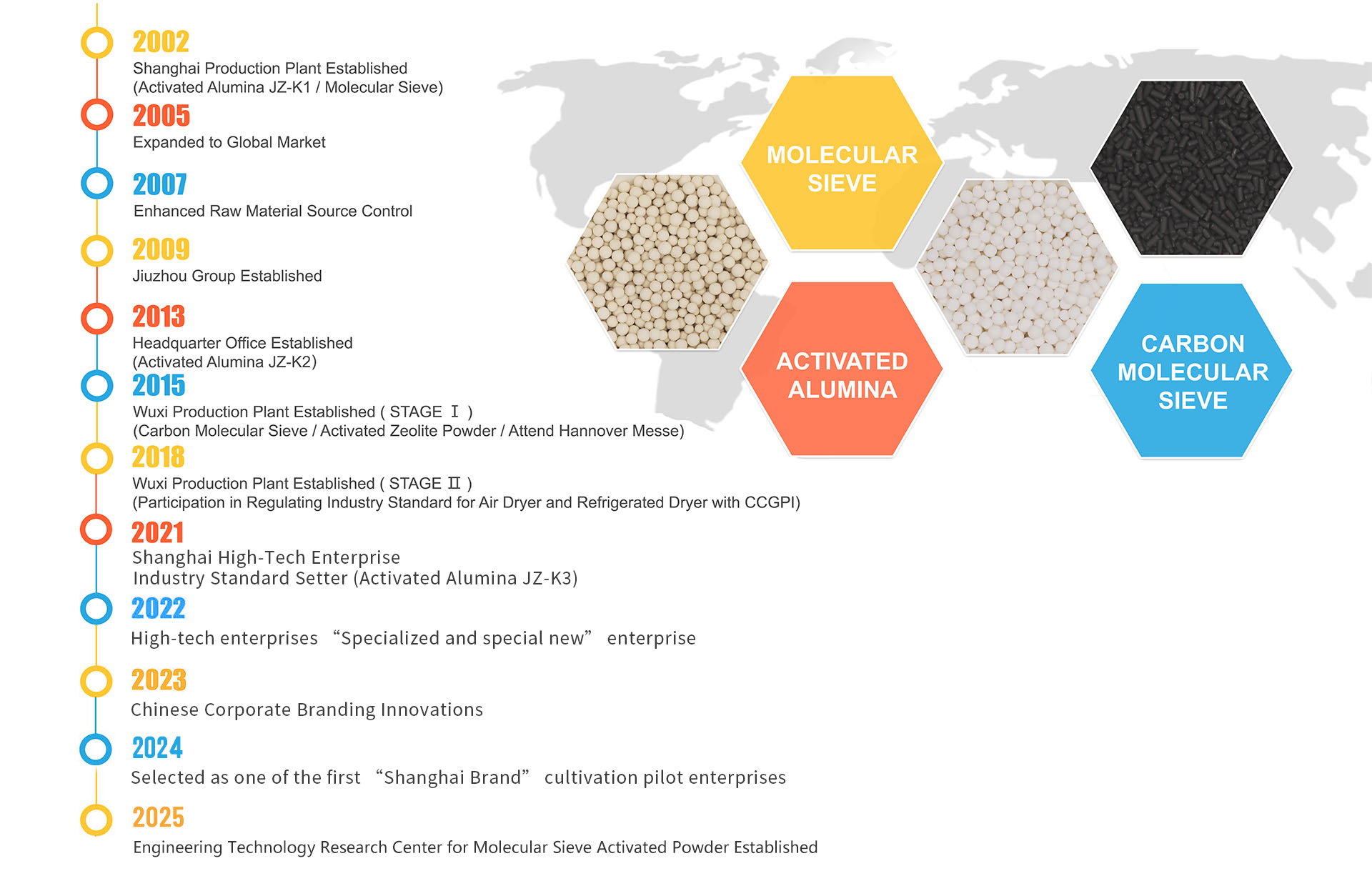
Shanghai Jiuzhou Chemicals Co., Ltd. is located in the biggest Economic Development city, Shanghai. Over the years, Jiuzhou has always adhered to the "quality control, innovation" principles, committed to the development, research, and manufacturing of high-quality innovative chemical products. Our main products include various molecular sieve powders, molecular sieves, activated powder, activated alumina, aluminum oxide catalysts, different types of alumina packing and ceramic balls, sodium silicates, aluminum hydroxide, zeolite 4A, sodium carbonates, SLES, etc. All of our products have successfully passed the ISO9001: 2008 quality management system certification, as well as TUV & SGS Certification.
Jiuzhou factory boasts a professional and world-class research team along with leading experts in chemical product resources. We utilize the best in international production technology and professional production equipment, constructed in line with national standards. Our facilities feature a large multipurpose plant monitoring and analysis instrument composition within our central laboratory. In terms of quality inspection, Jiuzhou maintains rigorous control to ensure all products meet and exceed international standards.
Jiuzhou's technical strength and industry reputation are leading the field of desiccants. With senior experts, deep technical reserves, automated multi-functional production workshops, and a dynamic laboratory composed of large-scale monitoring and analysis instruments, we have established a scientific and complete operating system. Joozeo products are exported to all parts of the world, and we have established a robust distribution network in the United States, Southeast Asia, Japan, Europe, North and South America, the Middle East, and other regions to provide partners with high-quality products, customized services, and energy-saving, environmentally friendly adsorption solutions.
Our Complete Product Portfolio
Browse our extensive range of industrial-grade molecular sieves, catalysts, and raw chemical materials engineered for high-performance applications.
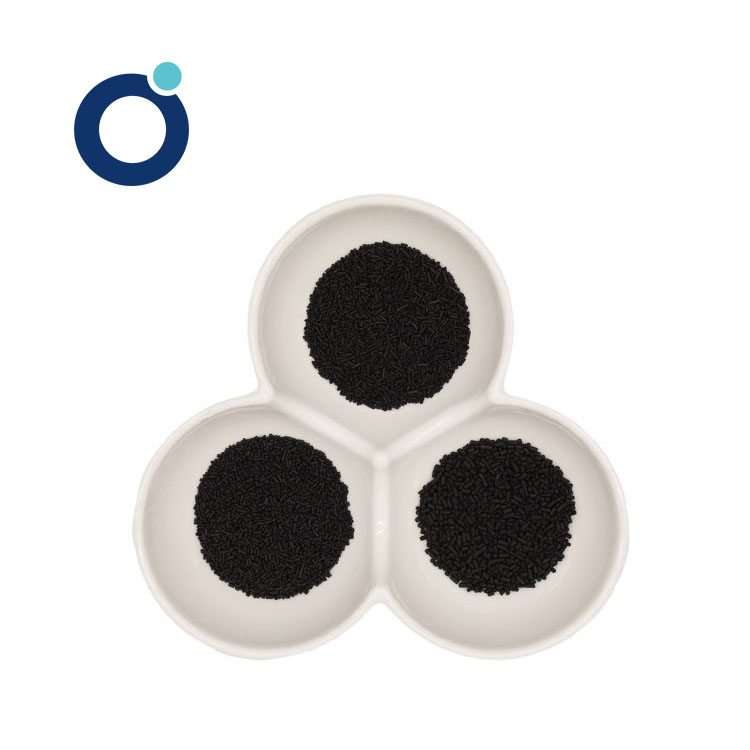
Carbon Molecular Sieve JZ-CMS4N
View Details →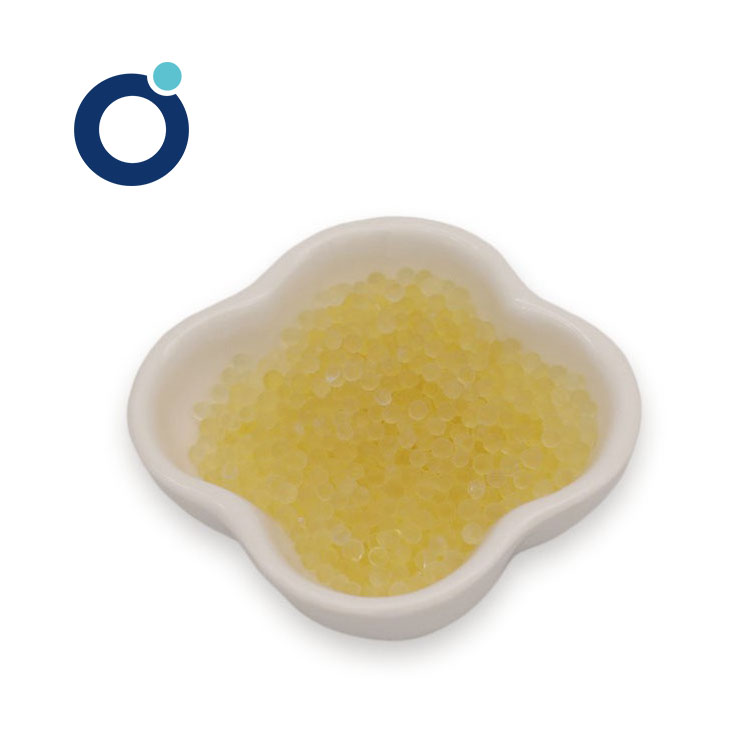
Alumina Silica Gel JZ-SAG
View Details →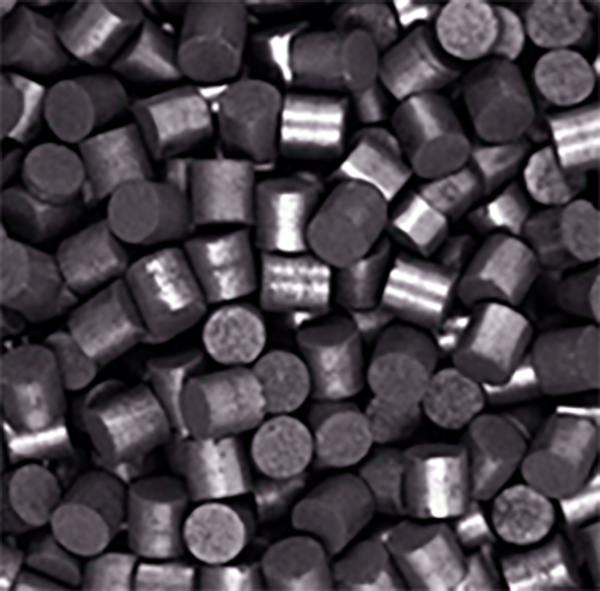
Duralyst DO-16T Catalyst
View Details →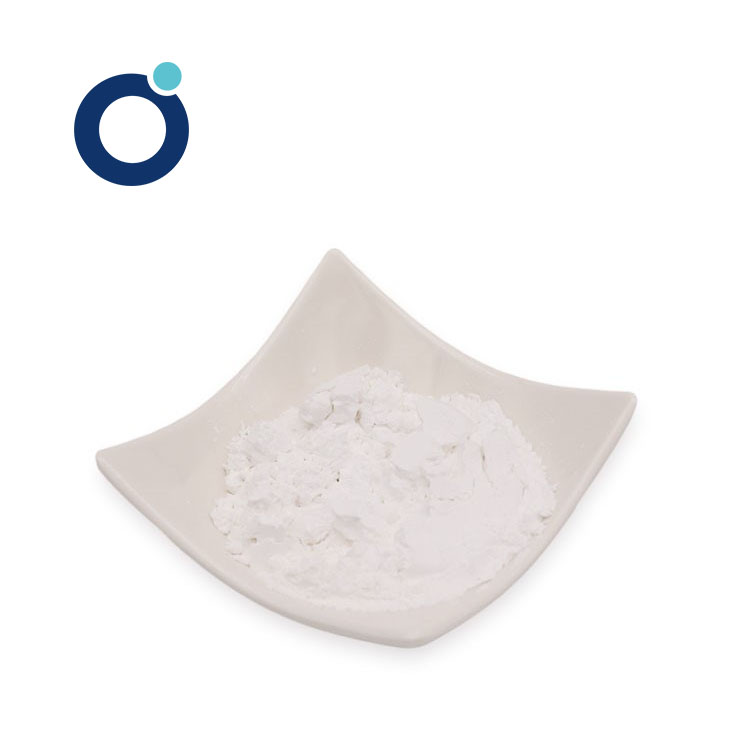
Soda Ash Dense JZ-DSA-H
View Details →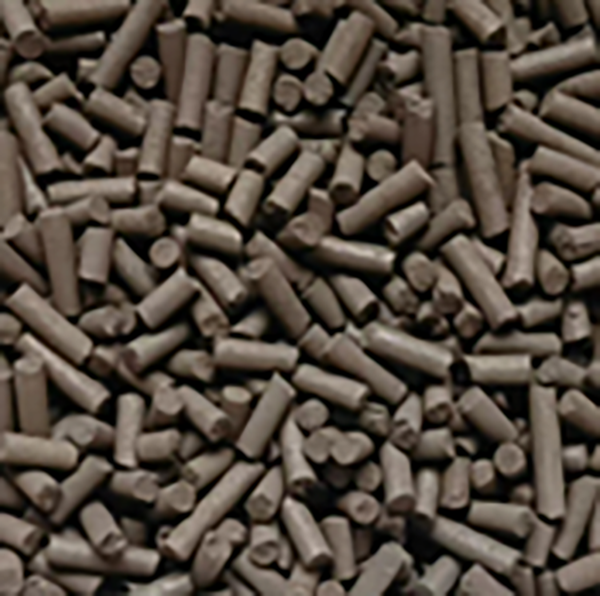
DuraChem MCS-615 Special Adsorbent
View Details →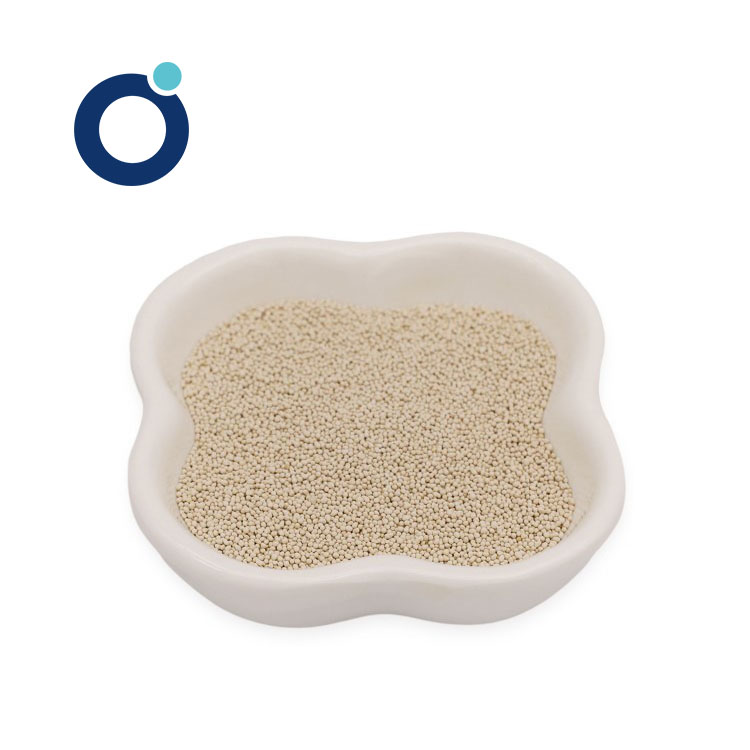
Oxygen Molecular Sieve JZ-OM
View Details →
JooSorb DS-120 Desiccant
View Details →