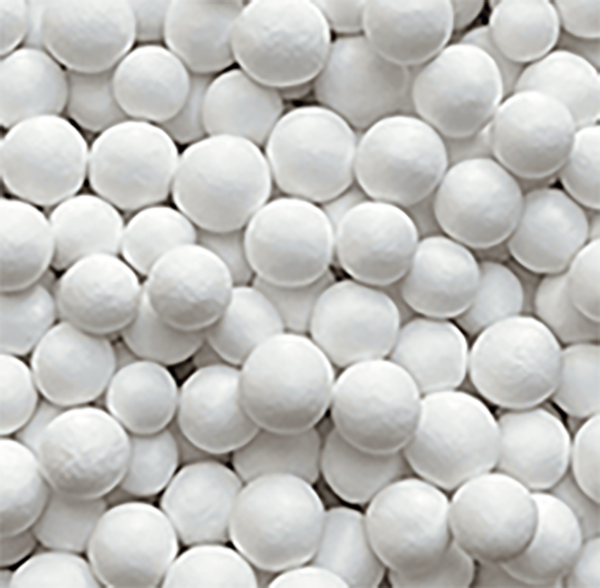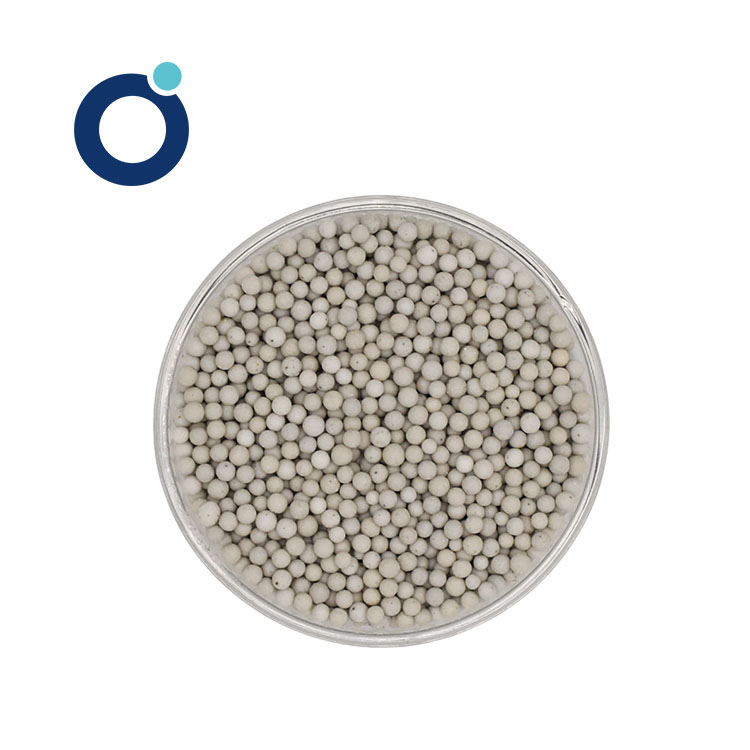
Featured Dehydration Solutions
Explore our leading molecular sieves designed for high-precision solvent drying, deep water removal, and industrial purification processes.
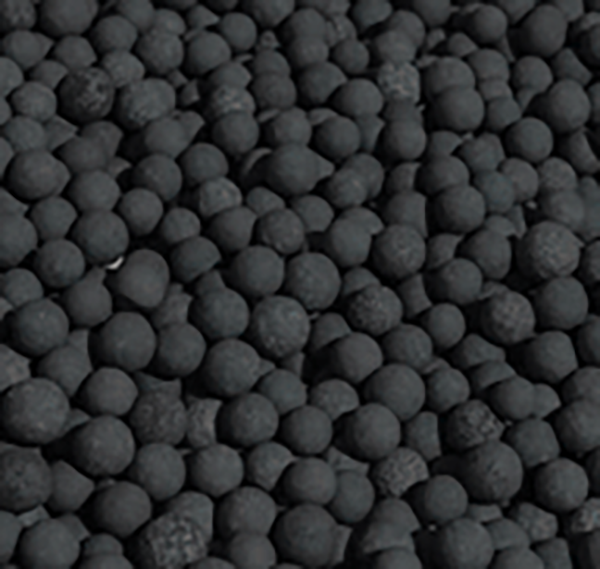
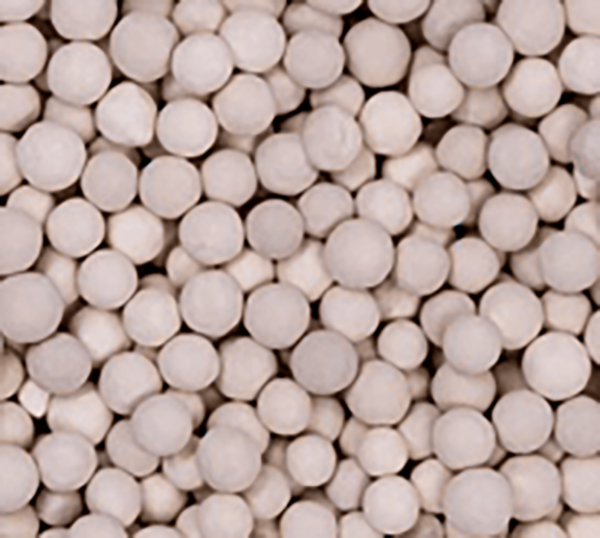
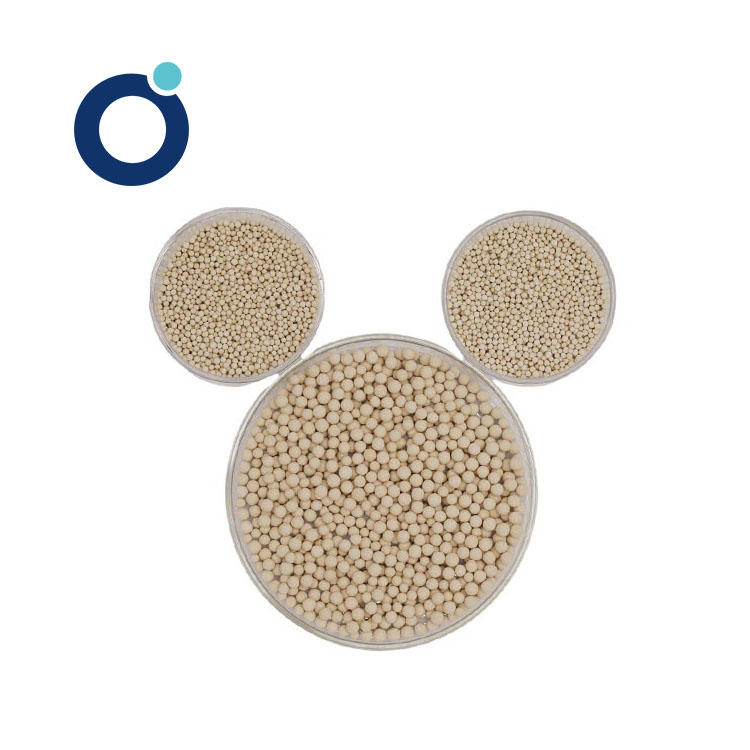
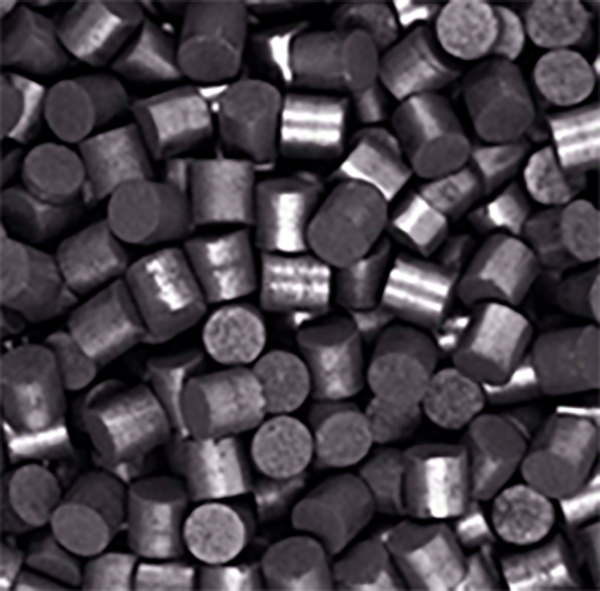
Industrial Demands for Solvent Drying in Argentina
Argentina's industrial landscape is undergoing rapid modernization, fueled by expansions in the agricultural, petrochemical, energy, and pharmaceutical sectors. In these highly technical fields, the purity of solvents is a non-negotiable parameter. Moisture contamination in solvents can lead to degraded chemical reactions, catalyst poisoning in downstream processes, and structural instability in pharmaceutical formulations. As a result, the demand for molecular sieves for drying solvents in Argentina has surged exponentially.
Traditional thermal distillation methods often fall short when dealing with azeotropic solvent mixtures, such as ethanol-water or acetonitrile-water. In these instances, molecular sieves act as the ultimate physical separation medium. By utilizing precise crystalline pore structures (ranging from 3Å to 10Å), molecular sieves selectively trap water molecules while allowing the larger solvent molecules to pass through unaffected. This process guarantees moisture levels down to the parts-per-million (ppm) scale.
Why Moisture Control Matters in Argentina's Core Sectors:
- Bioethanol Production: Eliminating water to meet stringent international standards for anhydrous fuel ethanol.
- Petrochemical Synthesis: Preventing catalyst deactivation in polymerization processes.
- Pharmaceutical Manufacturing: Ensuring active pharmaceutical ingredients (APIs) remain stable and free from hydrolytic degradation.
- Laboratory Research: Providing high-purity, dry solvents for analytical chemistry and spectroscopy.
Bioethanol Expansion: Driving the 3A Molecular Sieve Market
Argentina is one of the leading bioethanol producers in Latin America, driven by the mandate to blend biofuels with gasoline. The production hubs in provinces like Córdoba, Santa Fe, and Tucumán process vast amounts of corn and sugarcane into bioethanol. However, bioethanol distillation can only achieve a purity of about 95.6% due to the formation of a water-ethanol azeotrope.
To cross this thermodynamic barrier and reach the >99.5% purity required for fuel grade ethanol, producers rely heavily on 3A molecular sieves. The 3Å pore diameter is perfectly sized to admit water molecules (approx. 2.8Å) while completely excluding ethanol molecules (approx. 4.4Å). This kinetic separation method is highly energy-efficient compared to traditional azeotropic distillation using toxic entrainers like benzene or cyclohexane.
Petrochemical and Vaca Muerta Gas Operations
The development of the Vaca Muerta shale formation has positioned Argentina as a major energy hub. In natural gas processing and petrochemical refining, solvents are routinely used for gas sweetening, dehydration, and extraction. Molecular sieves are deployed to dry these regenerating solvents and feedstocks. Removing moisture prevents hydrate formation in cryogenic separation units and protects expensive catalysts from irreversible poisoning, thereby maximizing plant uptime and operational safety.
How to Choose the Right Molecular Sieve for Solvent Drying
Selecting the appropriate molecular sieve depends on the molecular size of the solvent being dried, the initial water concentration, and the desired final moisture specification. Below is a practical guide to matching molecular sieve pore sizes with common industrial solvents used in Argentina:
3A Molecular Sieves
Pore Size: ~3 Ångströms
Best For: Polar solvents and unsaturated hydrocarbons.
Typical Solvents: Ethanol, Methanol, Acetonitrile, Acetone, and Ethylene.
Prevents co-adsorption of the solvent molecules, ensuring high capacity specifically for water.
4A Molecular Sieves
Pore Size: ~4 Ångströms
Best For: Non-polar solvents and molecules with kinetic diameters smaller than 4Å.
Typical Solvents: Tetrahydrofuran (THF), Ethyl Acetate, Dimethylformamide (DMF), and chlorinated solvents like Dichloromethane.
5A & 13X Molecular Sieves
Pore Size: ~5Å to 10Å
Best For: Large-molecule hydrocarbons, branched solvents, and simultaneous removal of water and sulfur compounds (mercaptans).
Typical Solvents: Hexane, Heptane, Cyclohexane, and heavy refinery feedstocks.
Regeneration and Life Cycle Management
Molecular sieves are not single-use consumables; they are highly regenerable materials. In industrial setups across Argentina, the regeneration of saturated molecular sieves is typically achieved via Temperature Swing Adsorption (TSA) or Pressure Swing Adsorption (PSA). By heating the bed to temperatures between 200°C and 300°C in the presence of a dry purge gas, the adsorbed water is released, restoring the sieve's active capacity. Proper process monitoring and high-strength molecular sieves, such as the DuraChem and JooSorb series, ensure long service life, minimizing operating costs and waste generation.
About Shanghai Jiuzhou Chemicals Co., Ltd.
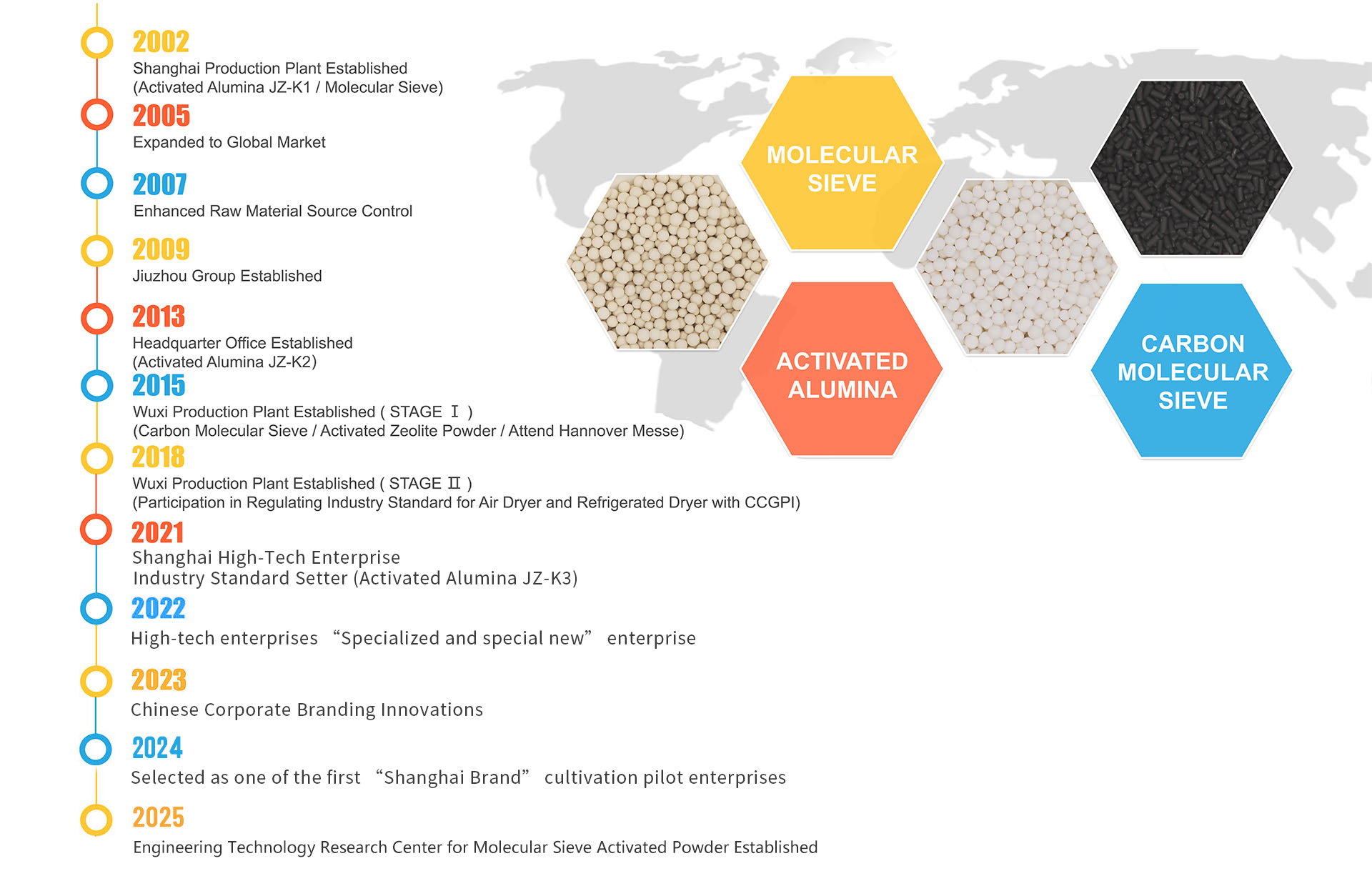
Shanghai Jiuzhou Chemicals Co., Ltd. is located in Shanghai, the largest economic development city in China. Over the years, Jiuzhou has always adhered to the "quality control, innovation" principles, committed to the development, research, and manufacturing of high-quality innovative chemical products. Our main products include various molecular sieve powders, molecular sieves, activated powder, activated alumina, aluminum oxide catalysts, different types of alumina packing, ceramic balls, sodium silicates, aluminum hydroxide, zeolite 4A, sodium carbonates, SLES, etc. All our products have passed the ISO9001: 2008 quality management system certification, as well as TUV & SGS Certification.
The Jiuzhou factory boasts a professional and world-class research team and experts in chemical product resources. We utilize the best in international production technology and professional production equipment, constructed in line with national standards. Our operations are supported by a large-scale, multi-purpose plant monitoring system and a central laboratory equipped with advanced analysis instruments. Through rigorous quality inspection, Jiuzhou ensures that all products strictly meet international standards.
Jiuzhou's technical strength and industry reputation lead the field of desiccants. With senior experts, deep technical reserves, automated multi-functional production workshops, and dynamic laboratories, we have established a scientific and complete operating system. Joozeo products are exported globally, supported by established distribution networks in the United States, Southeast Asia, Japan, Europe, North and South America, the Middle East, and other regions, providing partners with high-quality products, customized services, and energy-saving, environmentally friendly adsorption solutions.
Future Trends: Sustainable Adsorption Technologies in Argentina
As Argentina aligns with global climate targets and transitions toward a circular economy, the chemical and processing industries are shifting toward greener processes. This transition directly impacts the selection and operation of adsorption technologies:
- Reduction of Carbon Footprint: Modern molecular sieves are engineered for lower regeneration temperatures, directly reducing the energy consumption of thermal swing adsorption (TSA) units in bioethanol plants.
- Replacing Liquid Desiccants: Many processing facilities are replacing glycol-based liquid dehydration systems with solid-bed molecular sieves to eliminate liquid chemical waste and prevent VOC emissions.
- High-Durability Formulations: Due to import logistics and economic considerations, Argentine industries increasingly demand high-crush-strength molecular sieves (like the DuraChem series) that resist attrition, reducing the frequency of bed replacements and minimizing downtime.
By partnering with Shanghai Jiuzhou Chemicals, Argentine distributors and end-users gain access to state-of-the-art adsorption solutions tailored to these evolving environmental and economic challenges.
Our Complete Product Portfolio
Discover our comprehensive range of desiccants, catalysts, and support media designed for demanding industrial applications worldwide.