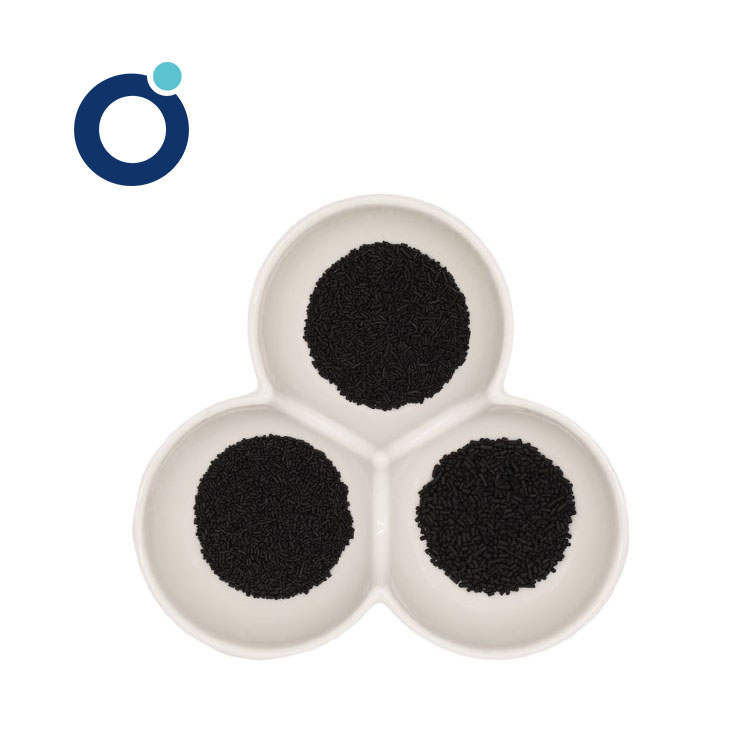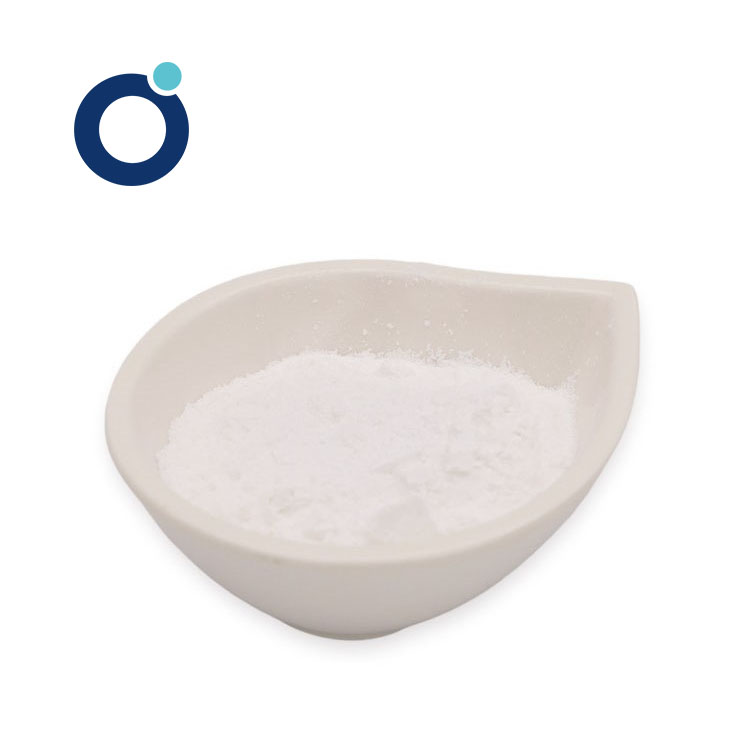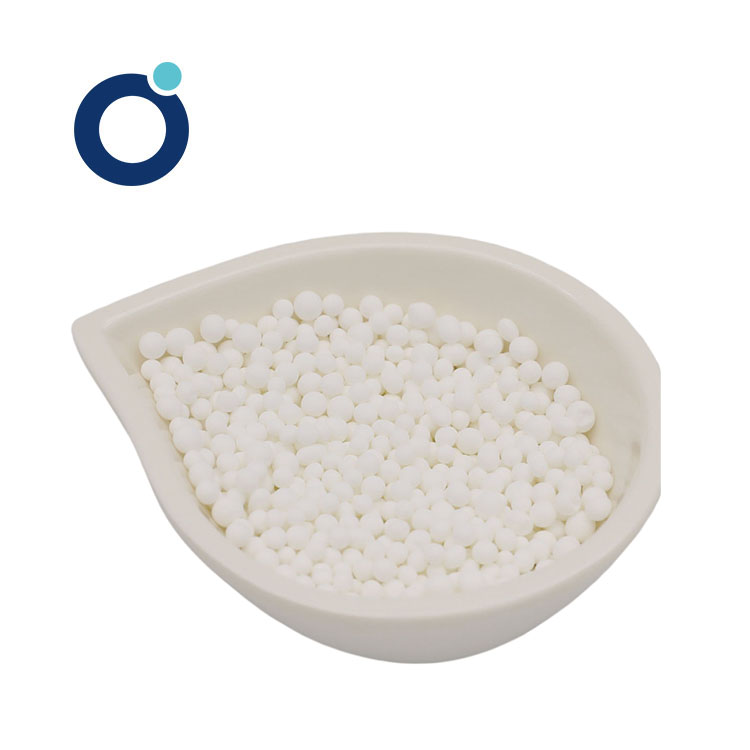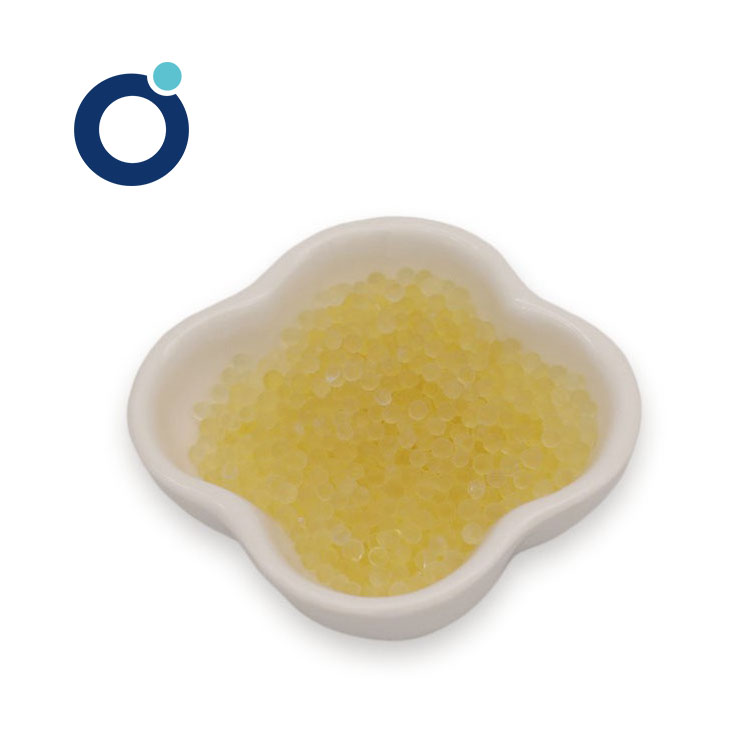
Featured Adsorbents for Petrochemical Refining
Explore our core molecular sieve and adsorbent solutions engineered to withstand demanding petrochemical process streams.
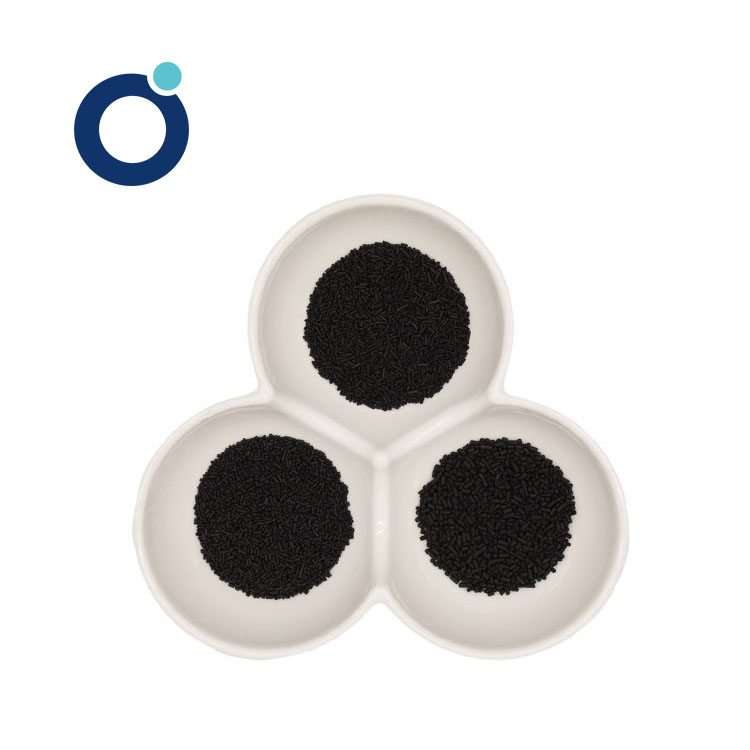
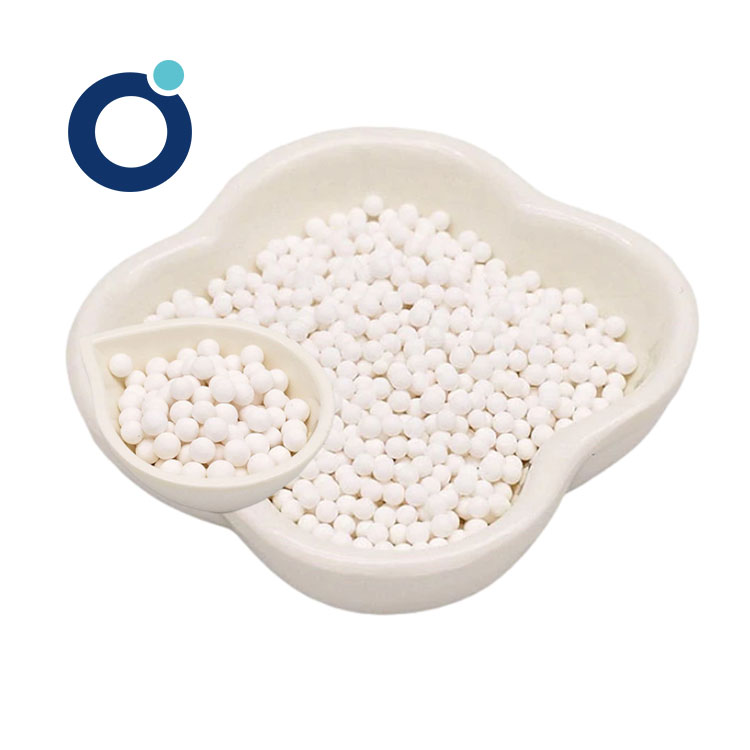
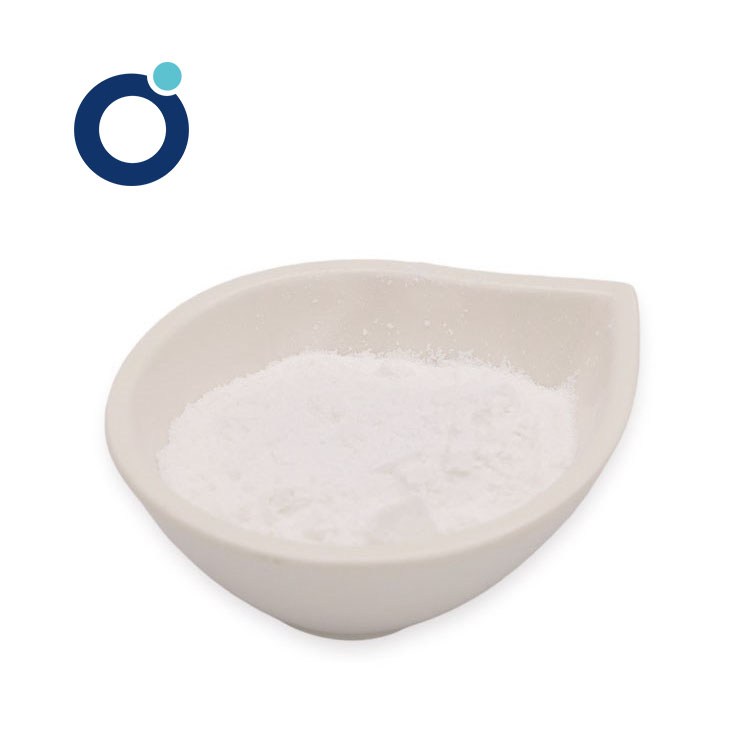
The Critical Role of Molecular Sieves in Modern Petrochemical Refining
In the modern industrial landscape, petrochemical refining stands as the backbone of global manufacturing, energy production, and chemical synthesis. At the heart of this complex industry lies the absolute necessity for high-efficiency separation, purification, and dehydration processes. Molecular sieves, which are highly structured crystalline aluminosilicates (zeolites) and specialized carbon matrices, serve as the primary engines driving these critical operations. By utilizing precise pore configurations, molecular sieves selectively isolate molecules based on size, polarity, and molecular weight, ensuring that raw hydrocarbon streams are converted into high-value, ultra-pure chemical building blocks.
Without the precise intervention of molecular sieve technology, downstream catalytic processes would suffer from rapid poisoning, equipment would experience severe ice and hydrate blockages during cryogenic separation, and final product purities would fail to meet stringent international standards. As global environmental regulations tighten and the demand for process efficiency escalates, the role of specialized molecular sieves in petrochemical refining has transitioned from a standard operational utility to a key strategic asset.
Industrial & Commercial Status of the Adsorption Market
The global market for molecular sieves in petrochemical refining is undergoing a period of robust expansion and technological evolution. Industrially, refineries are processing heavier and more contaminated crude slates, requiring more robust and contamination-resistant adsorbents. Commercially, the market is driven by the rapid expansion of petrochemical complexes in the Asia-Pacific region, the modernization of existing European and North American facilities to comply with low-carbon mandates, and the global push for ultra-low sulfur fuels.
Key commercial dynamics shaping the industry today include:
In-Depth Application Scenarios in Petrochemical Processes
To fully appreciate the impact of molecular sieves, it is necessary to examine their specific deployment across different refining units. Each application demands a unique combination of pore size, mechanical strength, and chemical compatibility.
1. Olefin Dehydration (Cracked Gas Drying)
In steam cracking plants, hydrocarbon feeds are cracked at high temperatures to produce ethylene, propylene, and other light olefins. The resulting gas mixture contains significant amounts of water. Before this mixture can enter the cryogenic fractionation columns, it must be dried. A 3A molecular sieve is specifically designed for this task. With a pore size of approximately 3 Ångströms, it allows water molecules (approx. 2.8 Å) to enter and be adsorbed, while completely excluding ethylene (approx. 3.9 Å) and propylene. This selective exclusion prevents co-adsorption and subsequent polymerization of olefins within the zeolite cage, which would otherwise lead to rapid coking and deactivation of the adsorbent bed.
2. Natural Gas and Liquefied Natural Gas (LNG) Sweetening
Raw natural gas contains various contaminants, including water, carbon dioxide (CO2), hydrogen sulfide (H2S), and volatile organic sulfur compounds like mercaptans. For LNG production, CO2 must be reduced to less than 50 ppm to prevent freezing in the liquefaction heat exchangers. 4A and 5A molecular sieves, along with high-capacity 13X zeolites, are arranged in multi-bed configurations to simultaneously remove moisture and acid gases. 13X, with its larger pore opening of 10 Å, is particularly effective at capturing bulky sulfur compounds and heavy hydrocarbons that smaller pore zeolites cannot accommodate.
3. Hydrogen Purification via Pressure Swing Adsorption (PSA)
Hydrogen is a critical utility in modern refineries, used extensively in hydrotreating and hydrocracking units to remove sulfur and saturate aromatics. PSA systems rely on a combination of adsorbents, including active carbon, silica gel, alumina, and molecular sieves (such as 5A and Calcium-exchanged zeolites), to purify hydrogen streams from reformer off-gases. Carbon Molecular Sieves (CMS) are also highly utilized in gas separation systems where kinetic separation of gases like nitrogen and oxygen or hydrogen purification is required, offering excellent mechanical stability and precise carbon pore structures.
4. Liquid Hydrocarbon Desulfurization and Drying
LPG, propane, butane, and light naphtha streams require trace moisture and sulfur removal to meet commercial specifications. Water-resistant silica gels, activated aluminas, and specialized zeolites are used to adsorb trace mercaptans, COS, and H2S. Using co-formed alumina-zeolite or water-resistant silica gel layers prevents degradation of the main adsorbent bed during liquid carryover events, ensuring long-term operational stability.
About Shanghai Jiuzhou Chemicals
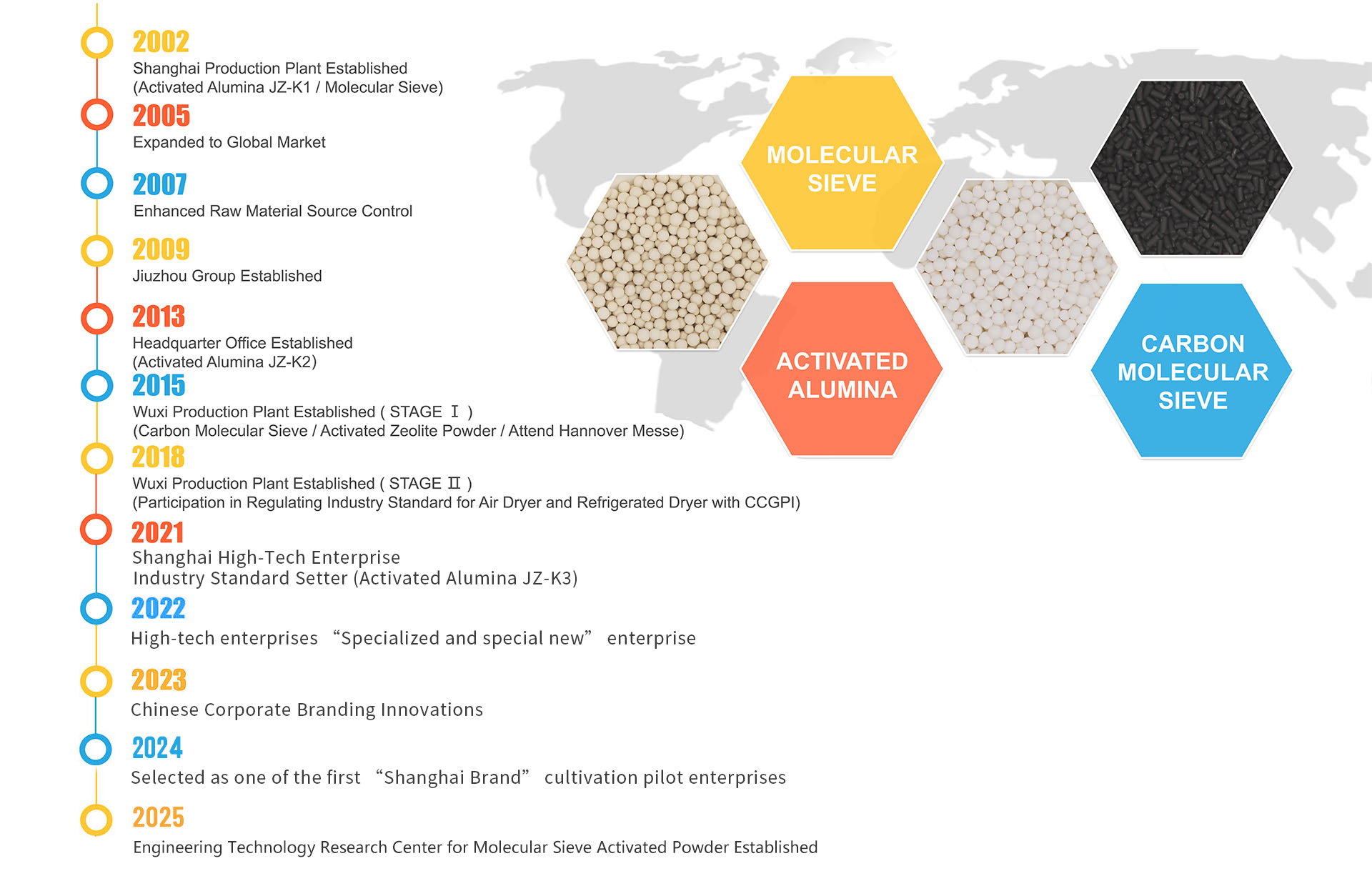
Shanghai Jiuzhou Chemicals Co., Ltd. is located in Shanghai, the largest economic development city in China. Over the years, Jiuzhou has always adhered to the "quality control, innovation" principles, committed to the development, research, and manufacturing of high-quality innovative chemical products. Our main products include various molecular sieve powders, molecular sieves, activated powder, activated alumina, aluminum oxide catalysts, different types of alumina packing and ceramic balls, sodium silicates, aluminum hydroxide, zeolite 4A, sodium carbonates, SLES, etc. All of our products have passed the ISO9001: 2008 quality management system certification and TUV & SGS Certification.
Jiuzhou factory has a professional and world-class research team and experts in chemical product resources. We use the best in international production technology and professional production equipment, constructed in line with national standards. Our facility features a large multipurpose plant monitoring and analysis instrument composition within our central laboratory. In terms of quality inspection, Jiuzhou ensures that all products strictly meet international standards.
Jiuzhou's technical strength and industry reputation lead the field of desiccants. With senior experts, technical reserves, automated multi-functional production workshops, and a dynamic laboratory, we have established a scientific and complete operating system. Joozeo products are exported globally, with distribution networks established in the United States, Southeast Asia, Japan, Europe, North and South America, the Middle East, and other regions, providing partners with high-quality products, customized services, and energy-saving, environmentally friendly adsorption solutions.
Future Trends in Adsorption Technology for Petrochemical Refining
The petrochemical refining industry is undergoing a structural transition toward decarbonization, digitalization, and circular economy principles. These macro trends are directly influencing the research and development of next-generation molecular sieves:
1. Hierarchical and Nanostructured Zeolites
Standard zeolites sometimes suffer from diffusion limitations because their microporous networks restrict the movement of larger molecules, leading to slower reaction rates or incomplete adsorption cycles. The development of hierarchical zeolites—which combine micropores (for selective separation) with mesopores (for rapid mass transport)—is revolutionizing refinery throughput. These structures allow faster adsorption-desorption kinetics, leading to shorter cycle times and smaller footprint vessel designs.
2. Transition to Green and Low-Carbon Regeneration
Regenerating molecular sieves typically requires heating the beds to temperatures between 200°C and 320°C, consuming significant thermal energy. Future developments focus on creating framework structures that retain high thermal stability while allowing desorption at lower temperatures. Additionally, integrating renewable energy sources (such as green hydrogen or electrical heating elements) into the regeneration loop is becoming a key focus for reducing refinery Scope 1 emissions.
3. Carbon Capture and Storage (CCS) Integration
As refineries work to neutralize their carbon footprints, molecular sieves are being customized to capture carbon dioxide directly from flue gases and hydrogen production units. Zeolite 13X formulations and modified carbon molecular sieves are being optimized for high CO2 selectivity in the presence of moisture and nitrogen, acting as a crucial bridge between traditional refining and future carbon capture infrastructures.
4. Digitalization and Predictive Adsorption Modeling
Modern refineries are deploying digital twins to monitor process conditions in real time. Advanced molecular sieve manufacturers are providing digital adsorption models that predict bed breakthrough times based on real-time stream variations. This allows operators to optimize regeneration cycles dynamically, preventing premature breakthrough and maximizing the operational lifespan of the molecular sieve charge.
Comprehensive Range of Industrial Adsorbents
Explore our full portfolio of high-performance molecular sieves, silica gels, and activated aluminas designed for global petrochemical and refining industries.