Featured Dehydration Solutions
Select premium adsorbents designed to prevent system freezing, corrosion, and chemical degradation in modern refrigeration systems.
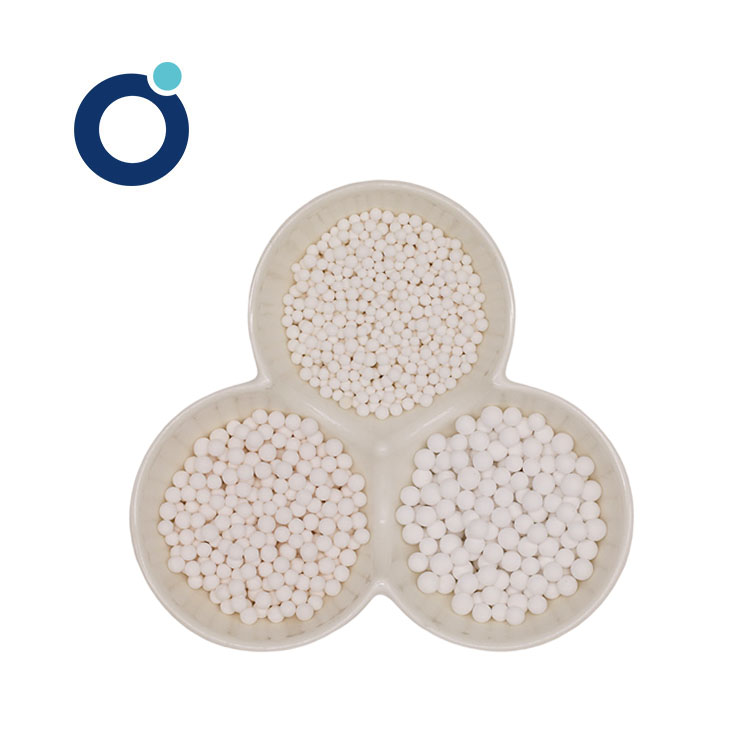
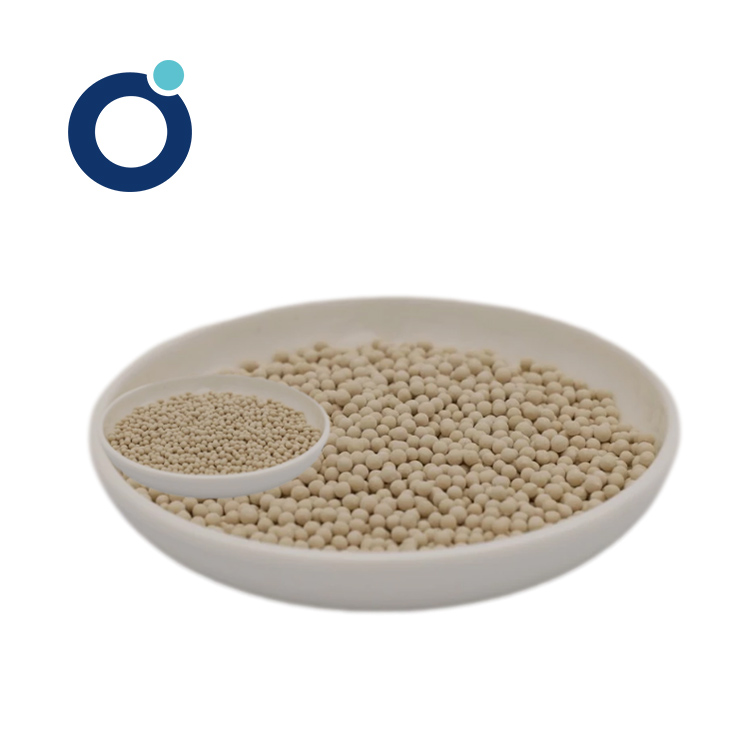
The Critical Role of Molecular Sieves in Refrigerant Drying
In modern refrigeration and air conditioning systems, moisture is the ultimate enemy of operational efficiency and component longevity. The presence of even trace amounts of water within a closed-loop HVAC-R system can trigger a cascade of destructive chemical reactions. It leads to ice formation at the expansion valve, copper plating, acid formation, and the eventual breakdown of the compressor lubricant. To prevent these catastrophic failures, synthetic zeolites, commonly known as molecular sieves, are integrated into filter driers to continuously capture and isolate moisture.
Molecular sieves are crystalline aluminosilicates with a highly uniform, three-dimensional pore structure. Unlike traditional desiccants such as silica gel or activated alumina, molecular sieves operate on a precise molecular level. They selectively adsorb water molecules (which have a kinetic diameter of approximately 2.65 Å) while completely excluding the larger refrigerant molecules and lubricant esters. This selective adsorption ensures that the refrigerant system remains completely dehydrated without altering the chemical composition or pressure characteristics of the working fluid.
SEO Insight: Choosing the right pore size (typically 3A or specialized XH series) is paramount. If the pore size is too large, the molecular sieve will co-adsorb the refrigerant, resulting in localized heating, chemical breakdown of the refrigerant gas, and a significant drop in drying efficiency.
Industrial & Commercial Status of Refrigerant Dehydration
The global HVAC-R (Heating, Ventilation, Air Conditioning, and Refrigeration) sector is undergoing a massive transformation driven by environmental regulations and energy efficiency mandates. Historically, refrigerants like CFCs (Chlorofluorocarbons) and HCFCs (Hydrochlorofluorocarbons) dominated the market. Today, these have been largely phased out under the Montreal Protocol, replaced by HFCs (Hydrofluorocarbons), HFOs (Hydrofluoroolefins), and natural refrigerants such as Carbon Dioxide (R-744), Ammonia (R-717), and Isobutane (R-600a).
This transition in refrigerant chemistry has directly impacted the specifications for molecular sieves. Modern eco-friendly refrigerants and their synthetic lubricants (such as Polyolester or POE oils, and Polyalkylene Glycol or PAG oils) are highly hygroscopic—meaning they absorb moisture much more readily than older mineral oils. Consequently, the demand for highly specialized molecular sieves with superior physical stability and chemical compatibility has surged. Today's commercial refrigeration systems require desiccants that can operate reliably under higher pressures, fluctuating temperatures, and aggressive chemical environments.
Deep Application Scenarios of Molecular Sieves in HVAC-R
Molecular sieves for refrigerant drying are deployed across a diverse range of critical industries, each presenting unique engineering challenges:
1. Automotive Air Conditioning Systems
Automotive A/C systems are subjected to constant vibration, rapid temperature fluctuations, and mechanical stress. The transition from R-134a to R-1234yf refrigerants in modern vehicles requires advanced molecular sieves, such as the XH-9 and XH-11 series. These desiccants possess high mechanical strength to resist attrition (powdering) under vibrational load, ensuring that no particulate matter enters the expansion valve or compressor pistons.
2. Commercial Cold Chains & Supermarket Refrigeration
In commercial walk-in freezers and supermarket display cases, maintaining a low dew point is essential to prevent frost buildup on evaporator coils. Filter driers packed with high-capacity molecular sieves run continuously to maintain moisture levels below 10 ppm. This ensures optimal heat transfer efficiency, reducing the energy consumption of the compressor and preventing food spoilage.
3. Residential & Commercial Heat Pumps
With the global push toward electrification, heat pumps are replacing traditional gas boilers. These systems operate in reversible cycles (heating and cooling), exposing the filter drier to bidirectional flow and varying thermal conditions. High-durability molecular sieves are required to handle these cycles without losing structural integrity or desiccant capacity over a 15-to-20-year operational lifespan.
4. Industrial Chilling and Cryogenics
In chemical processing, pharmaceutical manufacturing, and LNG liquefaction plants, industrial chillers operate at extremely low temperatures. At these sub-zero levels, even a single drop of free water will immediately freeze and block system capillaries. Ultra-low dew point molecular sieves are utilized to guarantee absolute dryness in these high-volume systems.
Shanghai Jiuzhou Chemicals Co., Ltd.
A global leader in high-performance chemical manufacturing and advanced adsorption technologies.
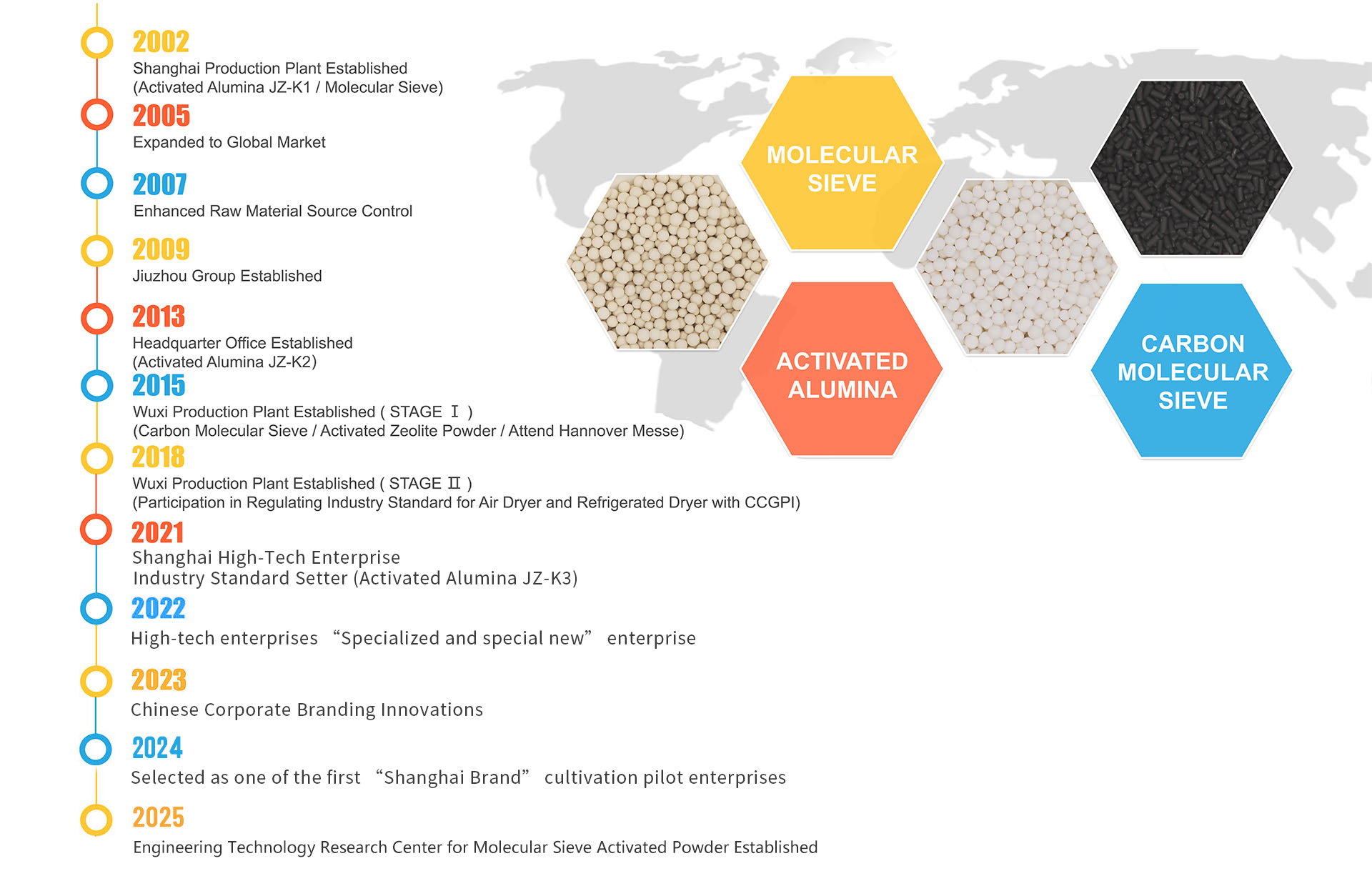
Shanghai Jiuzhou Chemicals Co., Ltd. is located in the biggest Economic Development city, Shanghai. Over the years, Jiuzhou has always adhered to the "quality control, innovation" principles, committed to the development, research, and manufacturing of high-quality innovative chemical products. Our main products include various molecular sieve powders, molecular sieves, activated powder, activated alumina, aluminum oxide catalysts, different types of alumina packing and ceramic balls, sodium silicates, aluminum hydroxide, zeolite 4A, sodium carbonates, SLES, etc. All of our products have passed the ISO9001: 2008 quality management system certification and TUV & SGS Certification.
Jiuzhou factory has a professional and world-class research team and experts in chemical product resources. We use the best in international production technology and professional production equipment, constructed in line with national standards and supported by a large multipurpose plant monitoring and analysis instrument composition in our central laboratory. In terms of quality inspection, Jiuzhou has controlled and ensured that all products meet stringent international standards.
Jiuzhou's technical strength and industry reputation are leading the field of desiccants, with senior experts and technical reserves, automated multi-functional production workshops, and a central laboratory and dynamic laboratory composed of large-scale monitoring and analysis instruments. In terms of quality control and supporting services, a scientific and complete operating system has been established. Joozeo products are exported to all parts of the world, and we have established a distribution network in the United States, Southeast Asia, Japan, Europe, North and South America, the Middle East, and other places to provide partners with high-quality products, customized services, and more energy-saving and environmentally friendly adsorption solutions.
Technological Trends and Innovations in Refrigerant Drying
As refrigeration technology evolves, the desiccants must evolve with it. Several key trends are currently shaping the research and development of molecular sieves:
1. Adaptation to HFO Refrigerants
Hydrofluoroolefins (HFOs) like R-1234yf and R-1234ze have ultra-low Global Warming Potential (GWP) but are chemically less stable than HFCs. They can decompose in the presence of moisture and catalytic metals. Modern molecular sieves are formulated to be chemically inert to HFOs, preventing catalytic degradation while maintaining high water adsorption capacity.
2. Higher Attrition Resistance
Modern compact filter designs subject desiccant beads to high-velocity fluid flows. If the molecular sieve beads rub against each other and break down into fine powder, they can clog the filter drier screen or enter the compressor, causing catastrophic system wear. Advanced binding technologies are now used to produce molecular sieves with extreme crush strength and minimal dust formation.
3. Co-adsorption Mitigation
In systems using blended refrigerants (such as R-407C, R-410A, or R-448A), the desiccant must not selectively adsorb one component of the blend over another, as this would alter the composition and thermal performance of the refrigerant. Modern 3A-type and specialized XH molecular sieves feature highly controlled pore diameters that strictly restrict the entry of any refrigerant molecules, ensuring the blend remains perfectly balanced.
How to Select the Right Molecular Sieve for Your Refrigeration System
Selecting the appropriate desiccant depends heavily on the type of refrigerant and lubricant oil used in the system. Below is a guide to standard industry selections:
- XH-5 Molecular Sieve: Suitable for traditional refrigerants like R-12 and R-22 in stationary refrigeration systems. It offers reliable drying performance but is not recommended for newer HFCs.
- XH-7 Molecular Sieve: Specifically designed for R-134a systems, including household refrigerators, freezers, and stationary air conditioners. It exhibits excellent compatibility and low chemical activity.
- XH-9 Molecular Sieve: The industry standard for automotive air conditioners using R-134a or R-1234yf, as well as commercial systems using R-404A or R-507. It provides high physical strength and excellent moisture capacity.
- XH-11 Molecular Sieve: Engineered for high-pressure systems utilizing R-410A, R-32, and HFC/HFO blends. It provides superior dehydration performance under high thermal and mechanical stress.
Our Complete Product Portfolio
Explore our full range of molecular sieves, activated aluminas, and specialty adsorbents manufactured to international standards.