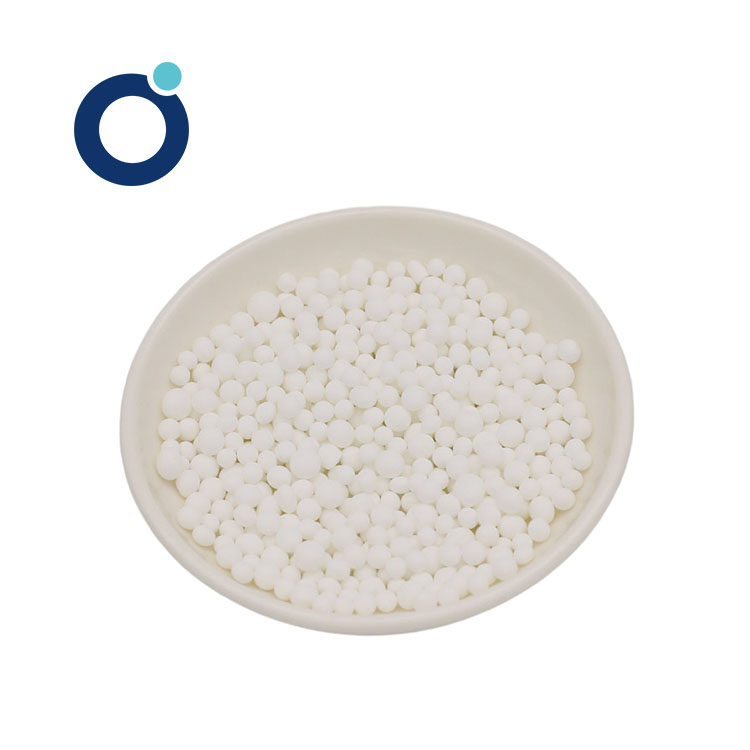
The Critical Need for Transformer Oil Purification
In modern electrical grids, power transformers represent critical nodes of transmission and distribution infrastructure. The reliability of these high-voltage assets depends heavily on the condition of their internal insulation system. This system is comprised of solid cellulose paper and liquid insulating oil, commonly known as transformer oil. While the oil functions both as a dielectric barrier and a cooling medium, it is highly susceptible to contamination. Over time, thermal stresses, electrical surges, and chemical oxidation lead to the accumulation of moisture, dissolved gases, particulate matter, and acidic byproducts within the oil.
Among these contaminants, moisture is the most destructive. Water molecules are polar and highly mobile. Even trace amounts of dissolved water in transformer oil dramatically reduce its dielectric breakdown voltage, elevating the risk of catastrophic electrical discharge. Furthermore, moisture acts as a catalyst in the hydrolytic degradation of the solid paper insulation. Once the cellulose fibers degrade, they cannot be replaced without rebuilding the entire transformer. Consequently, keeping the moisture level below critical thresholds (typically <10 ppm for high-voltage and <5 ppm for ultra-high-voltage systems) is imperative. This is where high-performance molecular sieves serve as the primary defensive barrier.
Why Trace Moisture Is a Silent Killer in High-Voltage Equipment
As temperature fluctuates during grid operation, moisture migrates dynamically between the solid paper insulation and the oil. During peak loads, heat drives water from the paper into the oil, drastically lowering the oil's dielectric strength exactly when the system is under maximum electrical stress.
How Molecular Sieves Revolutionize Dehydration and Reclamation
Traditional oil purification techniques, such as vacuum dehydration and thermal degassing, are widely utilized but exhibit distinct limitations. While vacuum systems excel at removing bulk water and dissolved gases, they are highly energy-intensive, require complex mobile machinery, and are often restricted to offline maintenance windows. Furthermore, vacuum treatment cannot easily achieve the ultra-low moisture levels required for modern ultra-high-voltage (UHV) systems. Molecular sieves offer a highly efficient, passive, and continuous alternative for deep dehydration.
Molecular sieves are crystalline aluminosilicates (zeolites) characterized by a highly uniform, three-dimensional pore structure. The pore size of these synthetic crystals is controlled with sub-nanometer precision. For transformer oil purification, 3Å (3 Angstrom) and 4Å molecular sieves are the industry standards. The kinetic diameter of a water molecule is approximately 2.65Å, allowing it to easily enter the pores of the zeolite. Conversely, the hydrocarbon molecules that constitute mineral, synthetic, or natural ester oils are far larger and are physically excluded from entering the crystal lattice.
The Mechanism of Selective Adsorption
Within the molecular sieve pores, strong electrostatic fields generated by the framework cations polarize and bind the water molecules. This physical adsorption mechanism ensures that water is trapped securely within the zeolite structure, even under elevated operating temperatures, without altering the critical chemical additives of the insulating oil.
This selective adsorption capability allows molecular sieves to dry transformer oil down to less than 5 ppm. In addition, specialized composite beds incorporating molecular sieves and activated alumina can simultaneously target acidic breakdown products. As transformer oil oxidizes, it forms organic acids that accelerate paper decay and corrode internal copper windings. Adsorption systems utilizing molecular sieves neutralize these acids, restoring the oil's interfacial tension and neutralization number.
Commercial and Industrial Status of Oil Purification Markets
The commercial landscape for transformer maintenance is undergoing a massive paradigm shift. Historically, utilities relied on reactive maintenance schedules, treating or replacing oil only after laboratory tests indicated critical degradation. Today, the focus has shifted to proactive asset management and life extension. The global transformer oil market, driven by the expansion of renewable energy grids, smart grids, and industrialization in developing nations, is growing rapidly. Consequently, the demand for advanced purification consumables like molecular sieves has reached historic highs.
Industrially, the cost of replacing a large power transformer ranges from hundreds of thousands to millions of dollars, with lead times often extending past a year. By contrast, implementing continuous molecular sieve purification systems represents a fraction of this cost. Industrial operators have recognized that maintaining dry oil continuously can extend the lifespan of the solid paper insulation by up to three times. This commercial reality has made online dry-out systems (using molecular sieve cartridges) a standard specification for new substation designs and retrofitting projects globally.
Furthermore, environmental regulations are driving the adoption of natural and synthetic ester fluids to replace traditional mineral oils. Ester fluids are biodegradable and possess much higher fire points, but they are also highly hygroscopic—absorbing up to 30 times more water than mineral oil. This chemical property has created a new, rapidly expanding market segment for specialized molecular sieves capable of drying ester fluids without stripping their polar additives.
Deep Application Scenarios in Modern Power Systems
Molecular sieves are deployed across multiple critical configurations to protect transformer health. Understanding these scenarios allows engineers to optimize purification efficiency:
1. Continuous Online Dry-out Systems
Installed directly onto operating, energized transformers, these systems pump oil through a series of molecular sieve filtration columns. As the dry oil returns to the transformer, it acts as a sponge, pulling moisture out of the solid cellulose insulation. Over months of continuous operation, this process gently and safely dries the entire internal structure without the risks of bubble formation associated with vacuum systems.
2. Mobile Oil Reclamation Units (Polishing Stage)
During scheduled outages or emergency maintenance, mobile service rigs are deployed to reclaim degraded oil. These units utilize a multi-stage process: heating, vacuum degassing, and finally, passage through a molecular sieve polishing bed. The molecular sieve stage acts as the final quality assurance step, removing the last traces of dissolved water and micro-particulates that vacuum chambers fail to extract.
3. Transformer Breather Systems
Transformers breathe in air as they cool and expel air as they heat up. If the incoming air is humid, the oil will rapidly absorb this moisture. Breather columns packed with molecular sieves or silica-alumina gels dry the incoming air, ensuring that the headspace inside the conservator tank remains dry.
4. Acid Mitigation and Oil Regeneration
In aging transformers, oil acidity increases. Passing the oil through composite beds of molecular sieves and activated alumina selectively targets polar acids, restoring the oil's pH and chemical stability, thereby preventing sludge deposition on the cooling coils.
Future Trends: Next-Generation Adsorption Technologies
The future of transformer oil purification is centered on smart technology integration and advanced material science. Researchers are developing hybrid molecular sieves with surface-modified pore structures to enhance adsorption kinetics. These materials allow for faster water uptake, reducing the volume of adsorbent required and enabling more compact purification hardware.
Another major trend is the development of "smart" online dry-out systems. Equipped with real-time moisture-in-oil sensors and IoT connectivity, these systems continuously track the water concentration entering and leaving the molecular sieve column. Machine learning algorithms analyze this data to predict the remaining useful life of the molecular sieve bed, scheduling maintenance automatically before saturation occurs. This eliminates manual sampling and prevents the risk of moisture breakthrough.
Finally, sustainability is shaping the manufacturing of molecular sieves. Manufacturers are exploring eco-friendly synthesis routes that reduce energy consumption during zeolite crystallization and facilitate easier regeneration, alignment with global carbon reduction goals.
INTRODUCTION
Shanghai Jiuzhou Chemicals Co., Ltd. Located in the biggest Economic Development city Shanghai. Over the years Jiuzhou has always adhered to the “quality control, innovation “principles, committed to the development, research, manufacturing of high quality innovative chemical products. Our main products includes various molecular sieve powders, molecular sieves, activated powder, activated alumina, aluminum oxide catalysts, different types of alumina packing and ceramic balls, sodium silicates, aluminum hydroxide,zeolite 4A, sodium carbonates, SLES, etc. Our all products passed the ISO9001: 2008 quality management system certification and TUV & SGS Certification.
Jiuzhou factory has a professional and world-class research team and experts in chemical product resources.We use the best in international prodution technonlogy and professional production equipment, constructed in line with national standards and by the large multipurpose plant monitoring, analysis instrument composition the central laboratory. And in quality inspection aspect Jiuzhou have controlled and that products meet international standards.
Jiuzhou's technical strength and industry reputation are leading the industry in the field f desiccants, with senior experts and technical reserves, automated multi-unctional production workshops, and a central laboratory and dynamic laboratory composed of large-scale monitoring and analysis instruments. It is in quality control And in terms of supporting services, a set of scientific and complete operating system has been established Joozeo products are exported to all parts of the world, and have established a distribution network in the United States, Southeast Asia, Japan, Europe, North and South America, the Middle East and other places to provide parthers with high-quality products, customized services, and more eneray-saving and environmentally friendly adsorption solutions.
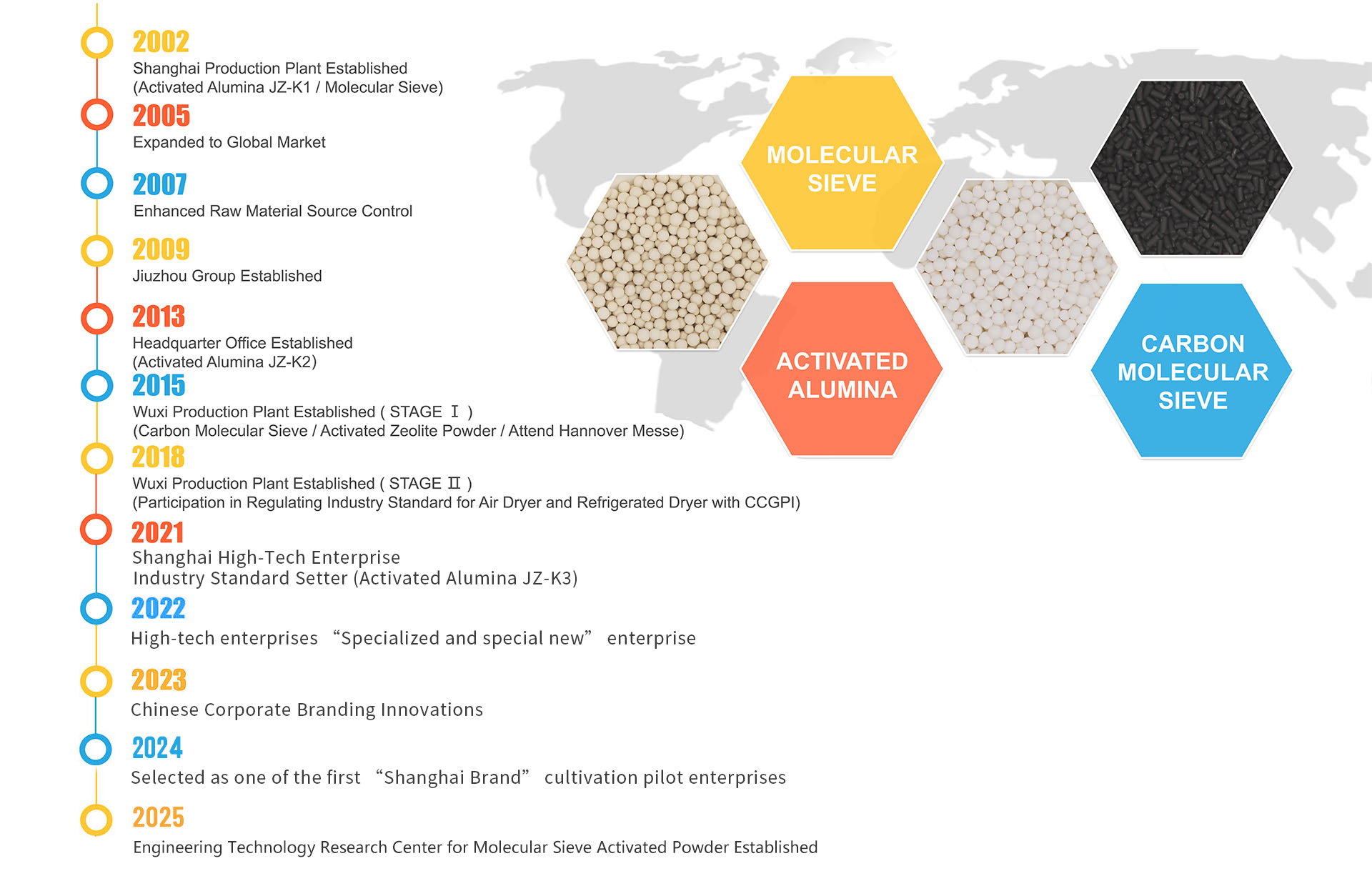
Our Complete Product Series for Transformer Oil Purification
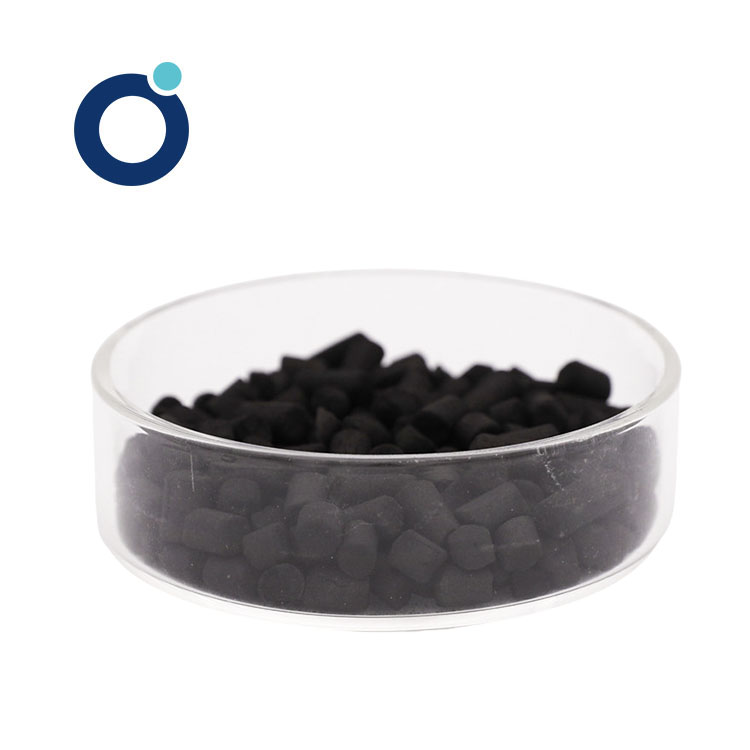
Activated Carbon JZ-ACW for Oil Decolorization & Purification
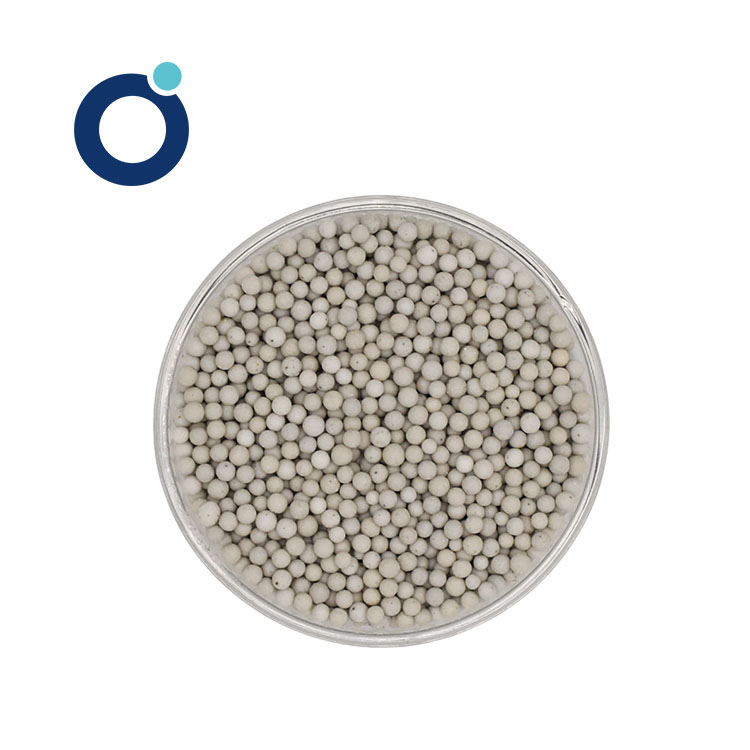
Alumina Ceramic Ball JZ-CB for Oil Filtration Bed Support
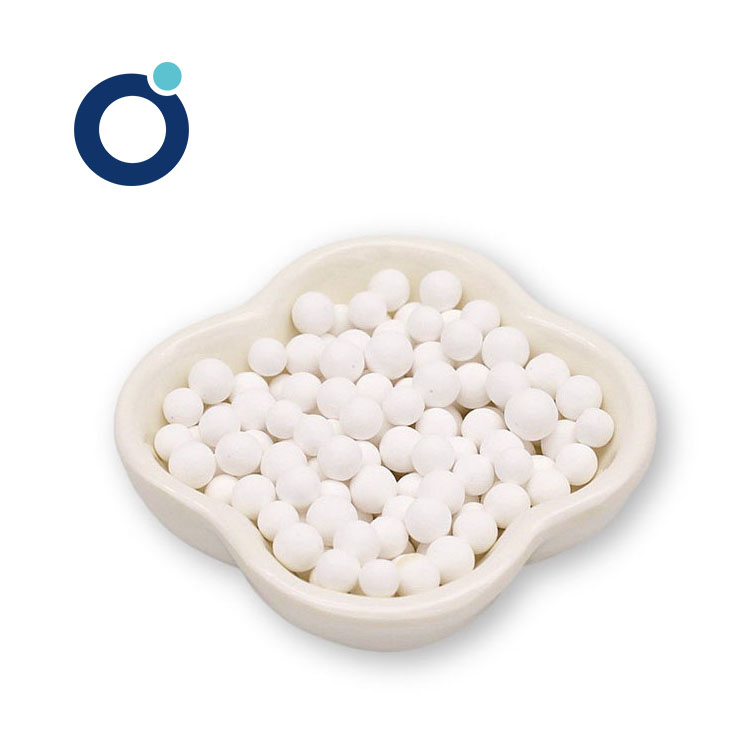
Activated Alumina JZ-K2 for Transformer Oil Acid Control
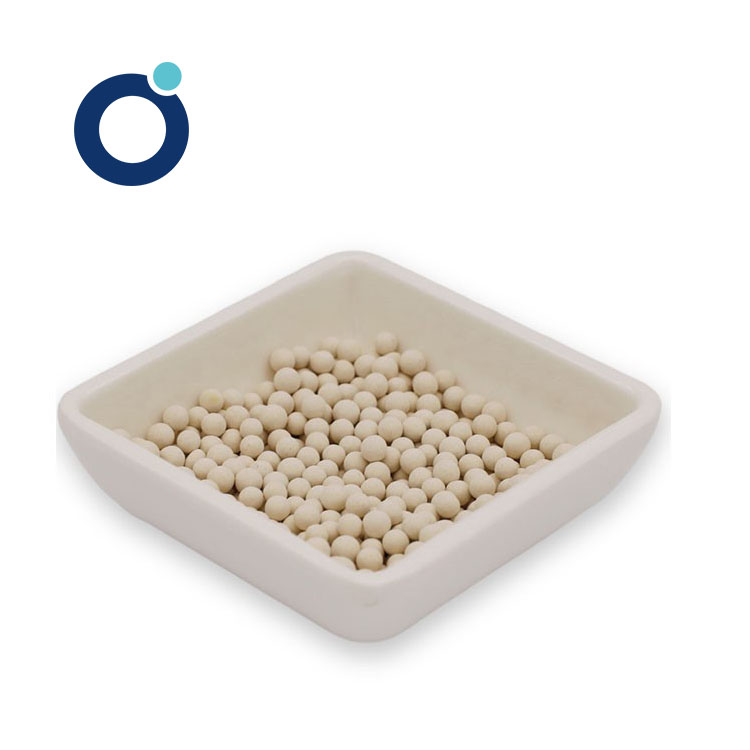
Molecular Sieve JZ-ZAC for Ultra-Dry Transformer Oil
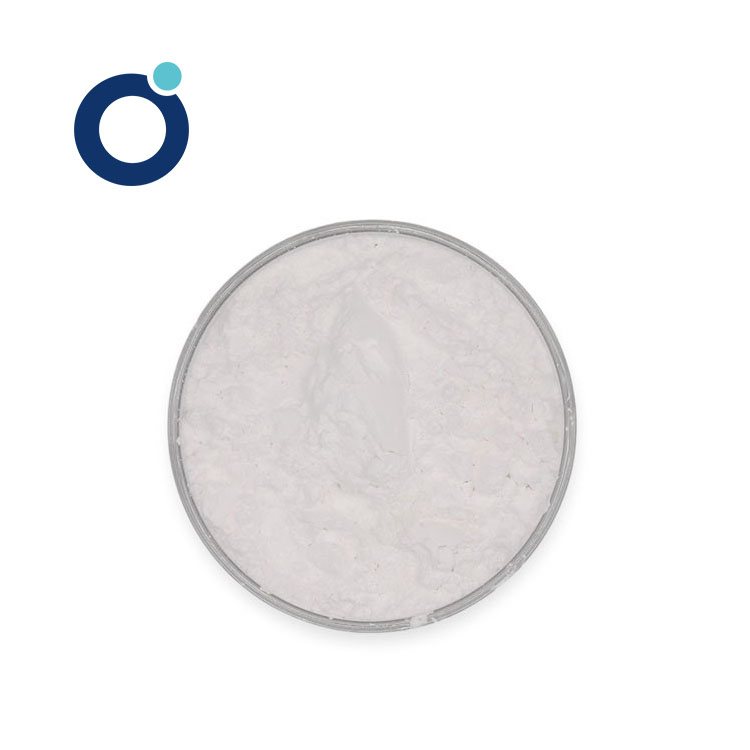
Molecular Sieve Powder JZ-ZT for Insulating Oil Dehydration
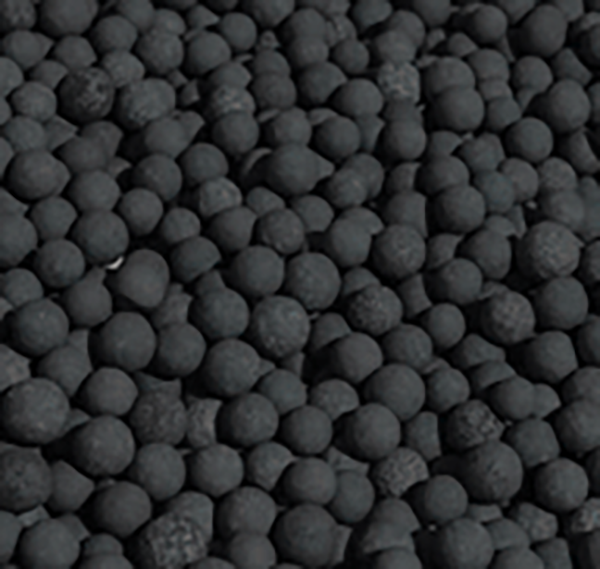
DuraChem CAM-20S High-Performance Purifier for Transformer Systems
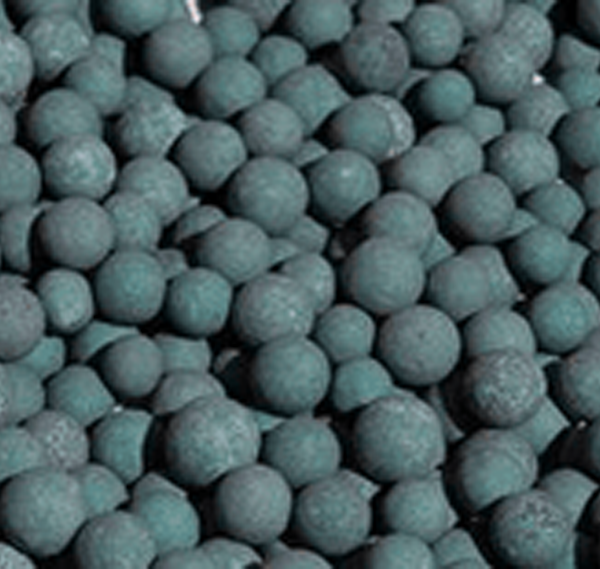
DuraChem CAS-20 Specialized Adsorbent for Insulating Fluid Reclamation