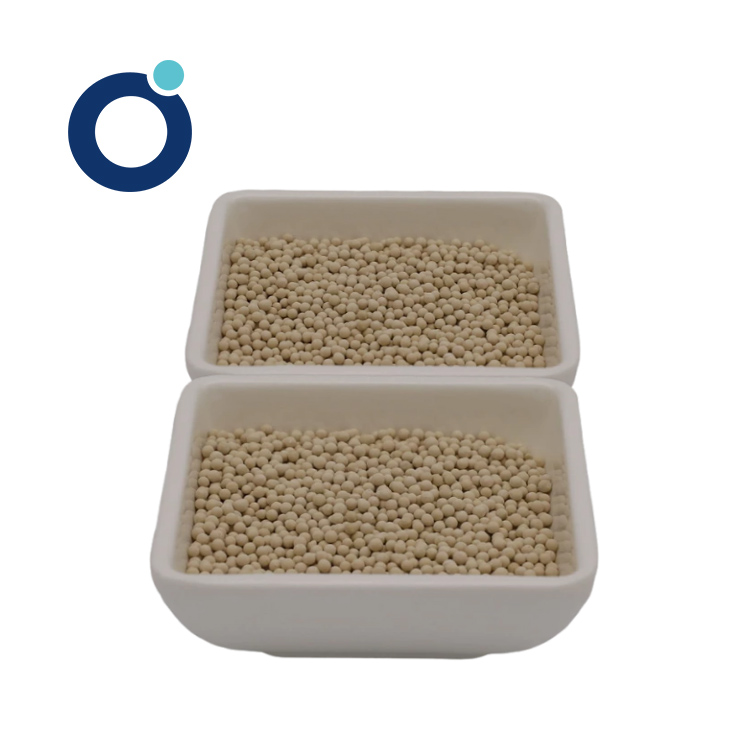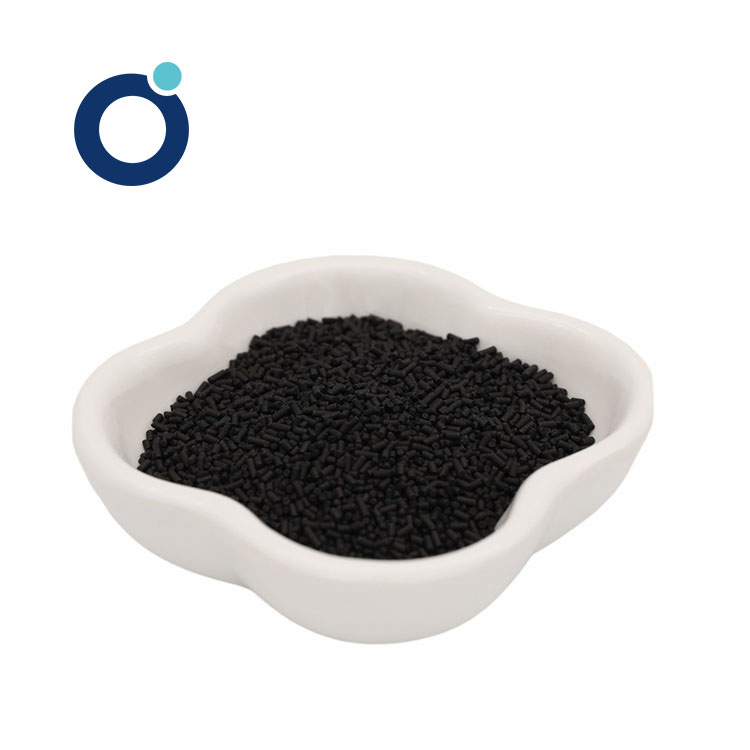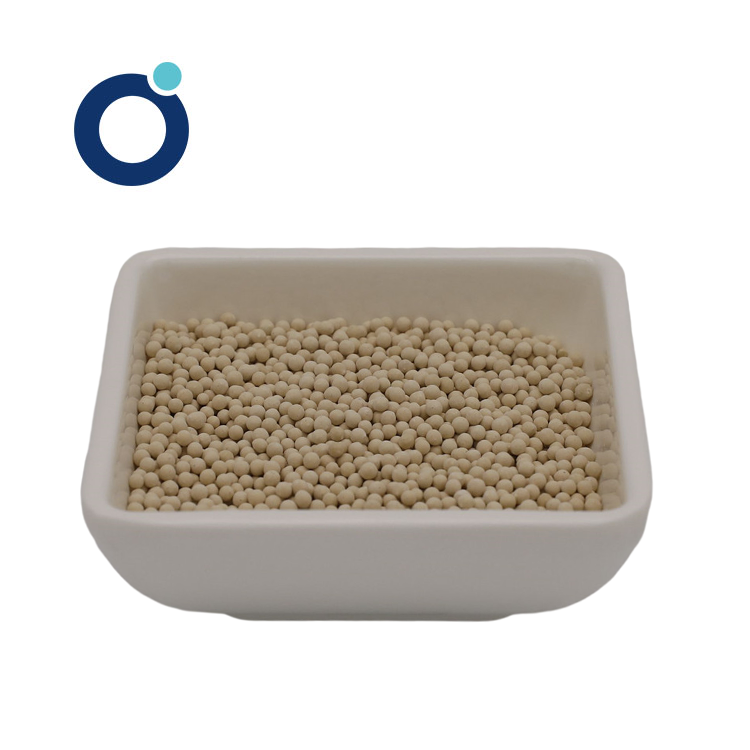
Featured Adsorbents for Compressed Air Dryers
Explore our premium selection of industrial-grade desiccants designed to eliminate moisture, protect downstream equipment, and optimize the operational efficiency of your compressed air systems.
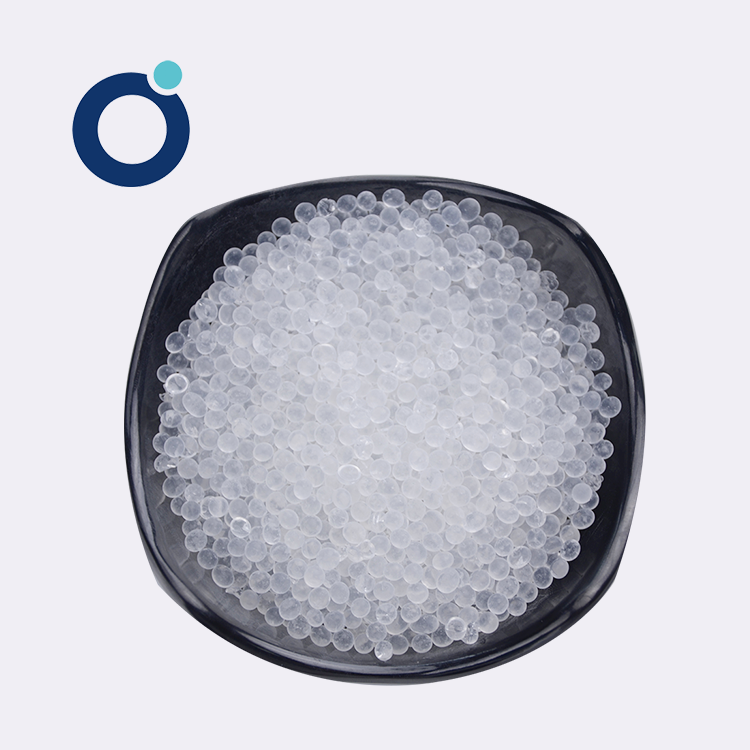
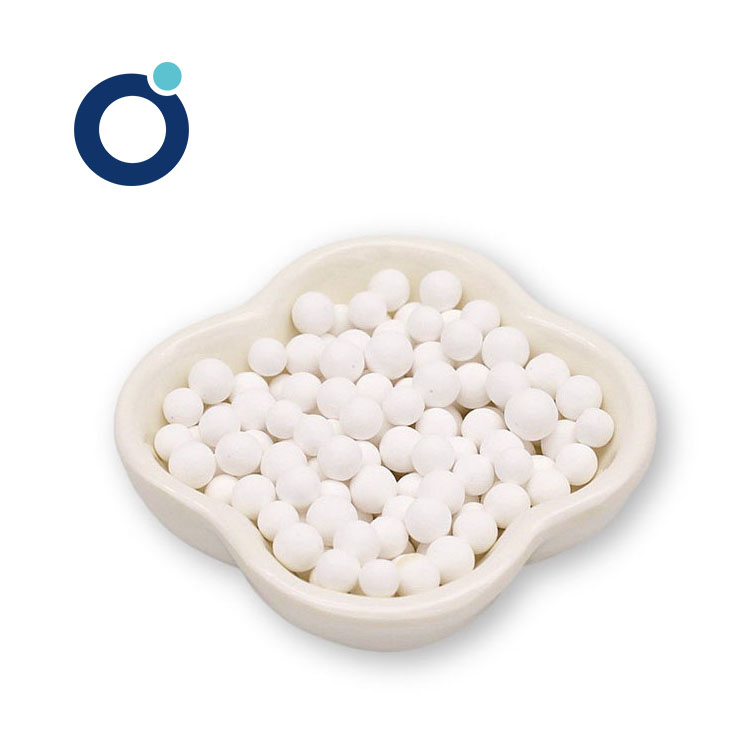
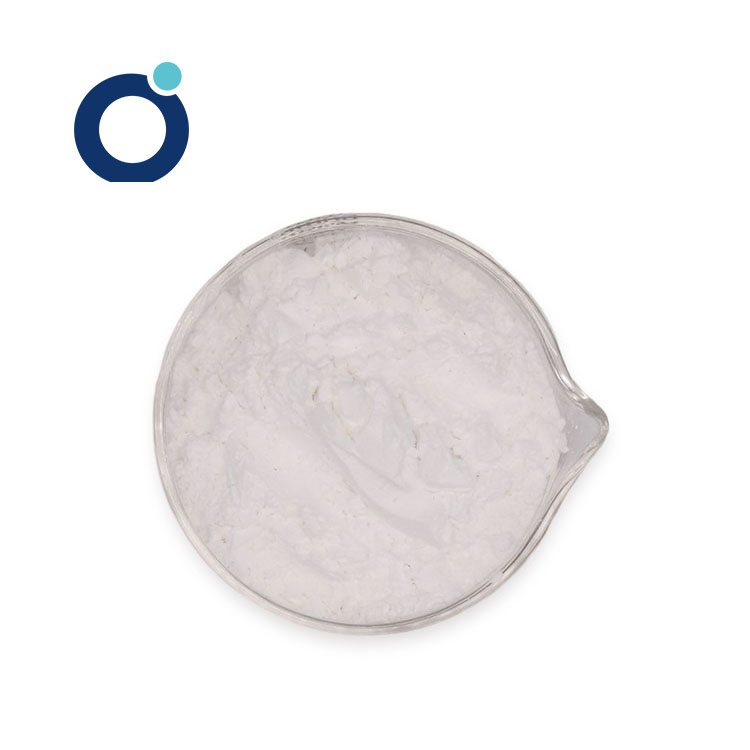
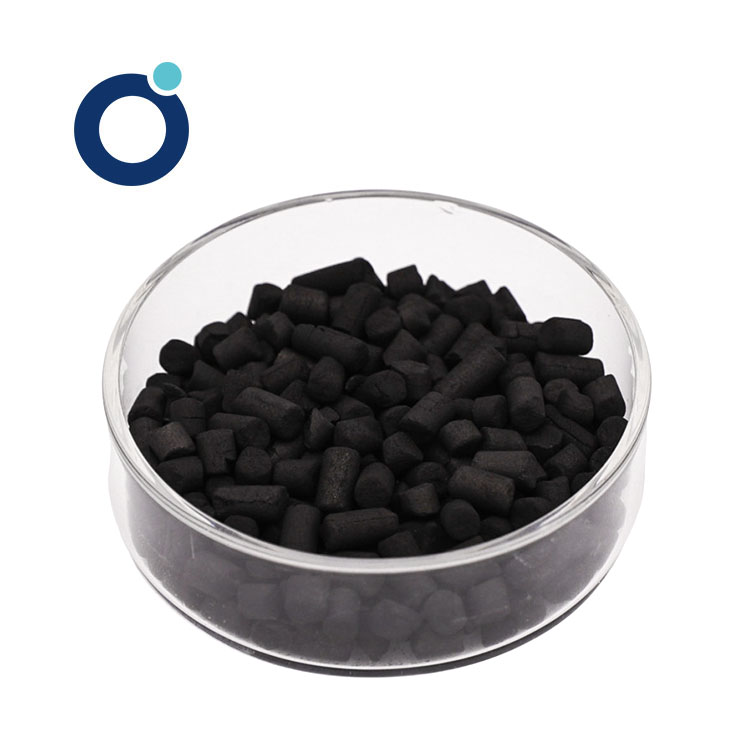
Understanding the Vital Role of Molecular Sieves in Compressed Air Dryers
Compressed air is widely regarded as the "fourth utility" in modern industrial manufacturing, powering everything from pneumatic tools and instrumentation to packaging lines and advanced robotics. However, ambient air naturally contains moisture in the form of water vapor. When air is compressed, the concentration of water vapor increases dramatically. If this water is not systematically removed, it condenses into liquid water inside the piping, leading to catastrophic equipment corrosion, pneumatic component failure, product contamination, and freezing in outdoor lines. This is where high-performance desiccant air dryers, utilizing specialized molecular sieves, become indispensable.
Molecular sieves are synthetic crystalline aluminosilicates, commonly known as zeolites. They feature a highly uniform, three-dimensional pore structure that acts at a molecular level. Unlike silica gel or activated alumina, which rely primarily on non-specific physical absorption, molecular sieves utilize precise pore sizes to filter out molecules based on their kinetic diameter. For water removal in compressed air dryers, 4A molecular sieves (with a pore size of approximately 4 Ångströms) are the industry standard. Because a water molecule has a kinetic diameter of roughly 2.65 Å, it is easily trapped within the crystalline cages of the molecular sieve, while larger molecules like nitrogen and oxygen pass through unimpeded.
Molecular Sieves vs. Activated Alumina vs. Silica Gel: The Ultimate Comparison
When designing or maintaining a compressed air system, choosing the correct desiccant media is vital. While activated alumina and silica gel are excellent for general moisture control, molecular sieves are required when extreme dryness is mandatory. Below is a detailed technical comparison of the three primary desiccant types used in industrial air drying systems:
| Property | Molecular Sieve (e.g., JZ-ZMS4) | Activated Alumina (e.g., JZ-K2) | Silica Gel (e.g., JZ-CSG) |
|---|---|---|---|
| Crystalline crystalline pore trapping | Capillary condensation & physical adsorption | Amorphous silica structure adsorption | |
| -40°C to -70°C (-100°F) | -40°C to -50°C | -20°C to -40°C | |
| Extremely High (remains effective at <10% RH) | Moderate | Low (loses capacity at low humidity) | |
| 200°C to 300°C | 160°C to 250°C | 120°C to 180°C | |
| Low (requires pre-drying/protection) | High (resistant to liquid water shocks) | Low (standard gel degrades; requires buffer) |
From the comparison, it is evident that while activated alumina is a robust and cost-effective choice for standard -40°C dew point dryers, molecular sieves are the only viable solution when dew points must reach -70°C or lower. In many advanced compressed air systems, a layered bed configuration is utilized: activated alumina is placed at the inlet to handle bulk liquid water and high-humidity air, while a molecular sieve layer follows at the outlet to perform deep polish drying, extracting the final traces of water vapor.
Deep Dive into Industrial Application Scenarios
The application of molecular sieves in compressed air systems spans across several highly sensitive and high-stakes industrial sectors:
1. Semiconductor & Electronics Manufacturing
In modern microelectronics fabrication, even a single molecule of water can ruin a silicon wafer. High-purity nitrogen and compressed air systems must maintain dew points of -70°C. Molecular sieves ensure that pneumatic actuators, lithography equipment, and cleanroom environments remain completely free of trace moisture and organic contaminants, securing product yields and preventing micro-corrosion.
2. Pharmaceutical Production & Packaging
Pharmaceutical processes require clean, dry, and sterile compressed air to transport powders, operate bottling lines, and package sensitive medications. Moisture in compressed air lines can lead to bacterial growth, mold, and chemical decomposition of active ingredients. By implementing molecular sieve desiccants, pharmaceutical plants guarantee compliance with strict FDA regulations and maintain sterile conditions throughout the manufacturing loop.
3. Food & Beverage Processing
Compressed air is used for sorting, mixing, and packaging food items. Any moisture present can cause powder clumping, degrade the texture of dried foods, and foster microbial contamination. Using Molecular Sieve JZ-ZMS4 in desiccant air dryers ensures that the air in direct contact with food is completely dry and safe, extending shelf life and preserving product quality.
4. Cryogenic Air Separation
Before air can be cooled to liquid temperatures (below -150°C) to separate oxygen, nitrogen, and argon, all water vapor and carbon dioxide must be completely removed. If water vapor remains, it will freeze solid inside the heat exchangers, blocking the flow and causing system shutdown. Molecular sieves are the primary barrier in pre-purification units (PPU) for cryogenic plants worldwide.
Commercial Status and Global Market Trends
The global market for molecular sieves in compressed air drying is experiencing a significant transformation. Key drivers include the rapid industrialization of developing nations, increasingly stringent environmental regulations, and a universal push for energy efficiency. Traditionally, desiccant dryers were operated on fixed-time cycles, which often resulted in premature regeneration and excessive energy waste. Today, the industry is shifting toward "smart" dew-point-dependent switching systems that monitor outlet air humidity and only initiate regeneration when the molecular sieve bed is fully saturated.
Furthermore, sustainability is a major trend. Manufacturers are demanding desiccants with longer service lives and lower regeneration temperatures. This has driven research into advanced binder technologies and optimized crystal structures that reduce the energy required to desorb water during regeneration cycles. Shanghai Jiuzhou Chemicals is at the forefront of this movement, developing high-strength molecular sieves that minimize dust formation, reduce pressure drop across the dryer bed, and lower overall operational costs for end-users.
About Shanghai Jiuzhou Chemicals
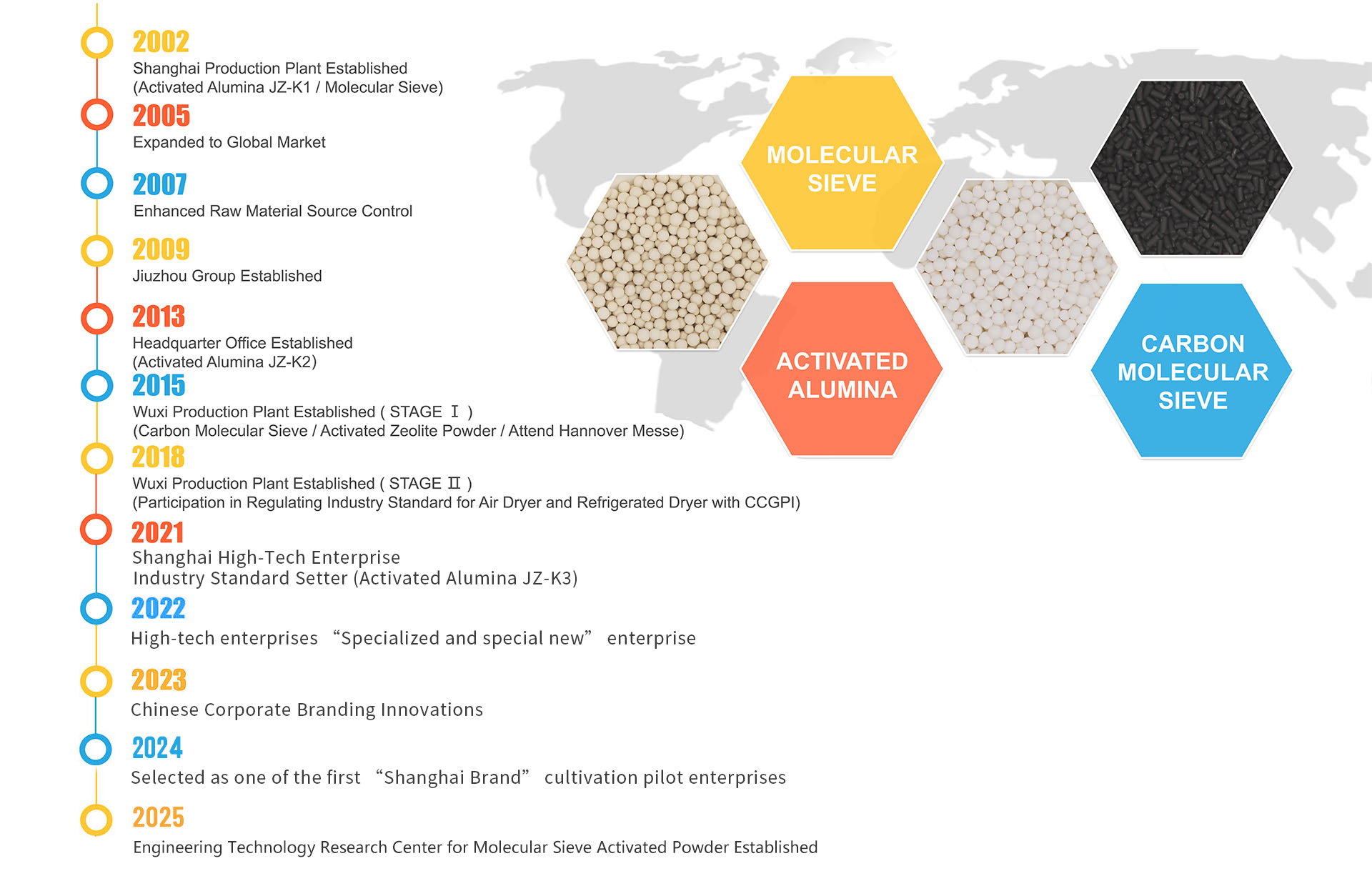
Shanghai Jiuzhou Chemicals Co., Ltd. is located in Shanghai, the largest economic development city in China. Over the years, Jiuzhou has always adhered to the "quality control, innovation" principles, committed to the development, research, and manufacturing of high-quality innovative chemical products.
Our main products include various molecular sieve powders, molecular sieves, activated powder, activated alumina, aluminum oxide catalysts, different types of alumina packing and ceramic balls, sodium silicates, aluminum hydroxide, zeolite 4A, sodium carbonates, SLES, etc. All of our products have passed the ISO9001: 2008 quality management system certification and TUV & SGS Certification.
Jiuzhou factory has a professional and world-class research team and experts in chemical product resources. We use the best in international production technology and professional production equipment, constructed in line with national standards. Our central laboratory consists of large multipurpose plant monitoring and analysis instruments to ensure that all products meet strict international standards.
Jiuzhou's technical strength and industry reputation are leading the industry in the field of desiccants. With senior experts, technical reserves, automated multi-functional production workshops, a central laboratory, and a dynamic laboratory, we have established a scientific and complete operating system. Joozeo products are exported to all parts of the world, with distribution networks established in the United States, Southeast Asia, Japan, Europe, North and South America, the Middle East, and other regions, providing partners with high-quality products, customized services, and energy-saving, environmentally friendly adsorption solutions.
Optimizing Compressed Air Dryers Using Molecular Sieves
To maximize the lifetime of your molecular sieve desiccant and ensure consistent dew point performance, several operational best practices must be implemented:
- Install Efficient Pre-Filtration: Molecular sieves are highly sensitive to liquid water, compressor oils, and heavy hydrocarbons. Oil vapors can coat the desiccant beads, blocking the micro-pores and permanently reducing adsorption capacity (a process known as "coking"). High-efficiency coalescing pre-filters should always be installed upstream of the desiccant dryer to trap liquid droplets and aerosols.
- Control Inlet Air Temperature: The adsorption capacity of molecular sieves is inversely proportional to temperature. At higher temperatures, water molecules have higher kinetic energy, making them harder to trap. Ensuring that the compressor's aftercooler is functioning correctly and keeping inlet temperatures below 40°C (104°F) will significantly improve drying efficiency.
- Optimize Regeneration Parameters: Whether using heatless PSA (Pressure Swing Adsorption) or heated TSA (Temperature Swing Adsorption) systems, ensuring complete regeneration is vital. For heated dryers, the purge air temperature must reach the molecular sieve's activation threshold (typically 200°C to 250°C at the bed level) to thoroughly desorb all bound water molecules.
- Regular Bed Depressurization Control: Sudden pressure shocks during bed switching can cause physical friction between the desiccant beads, leading to attrition and dust formation. Gradual pressurization and depressurization cycles prevent bead breakdown and downstream filter clogging.
Our Complete Product Lineup
Shanghai Jiuzhou Chemicals offers a comprehensive range of premium adsorbents, catalysts, and chemicals tailored to meet diverse industrial purification and drying challenges.