Featured Desiccants for Refrigeration Systems
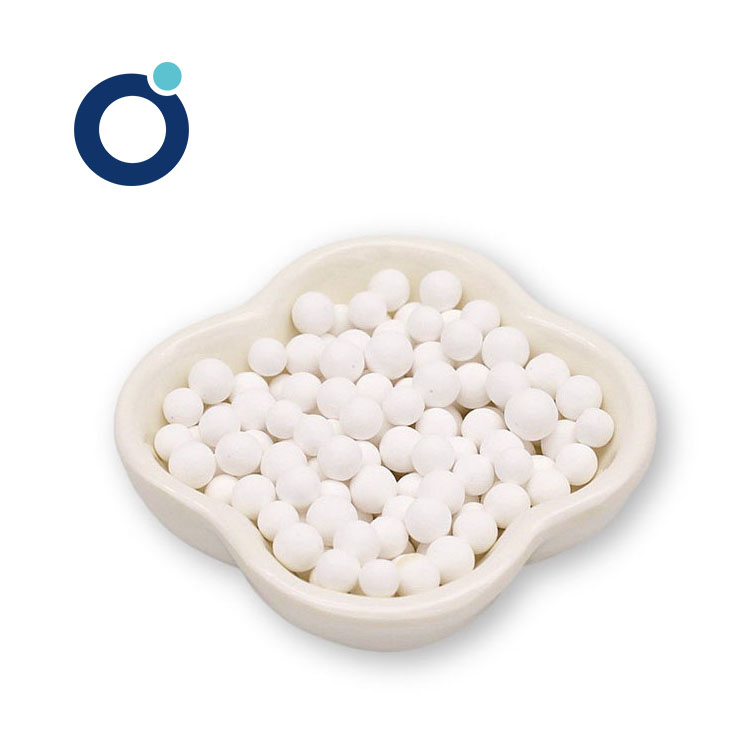
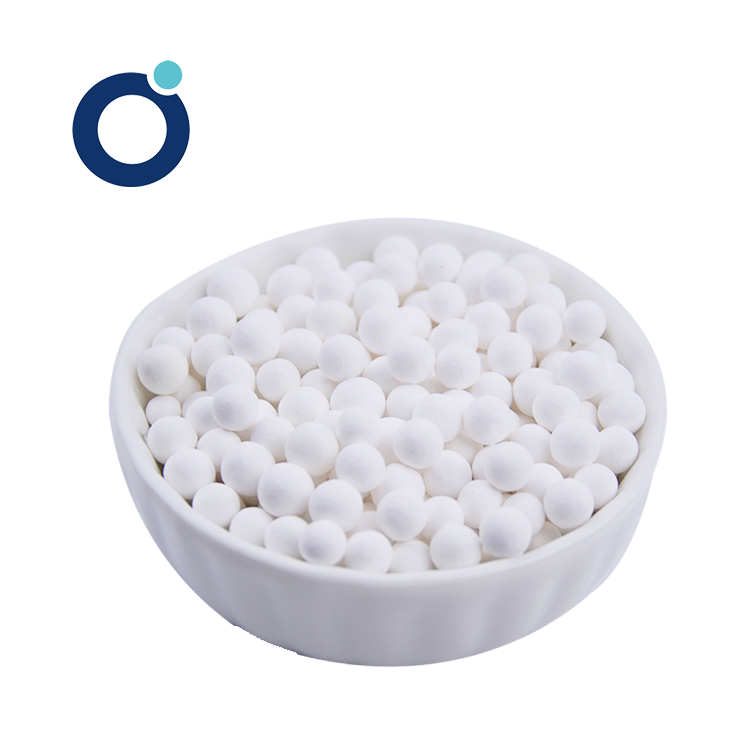
High-performance molecular sieves and activated alumina designed to selectively adsorb moisture, preventing acid formation, ice blockages, and corrosion in cooling networks.
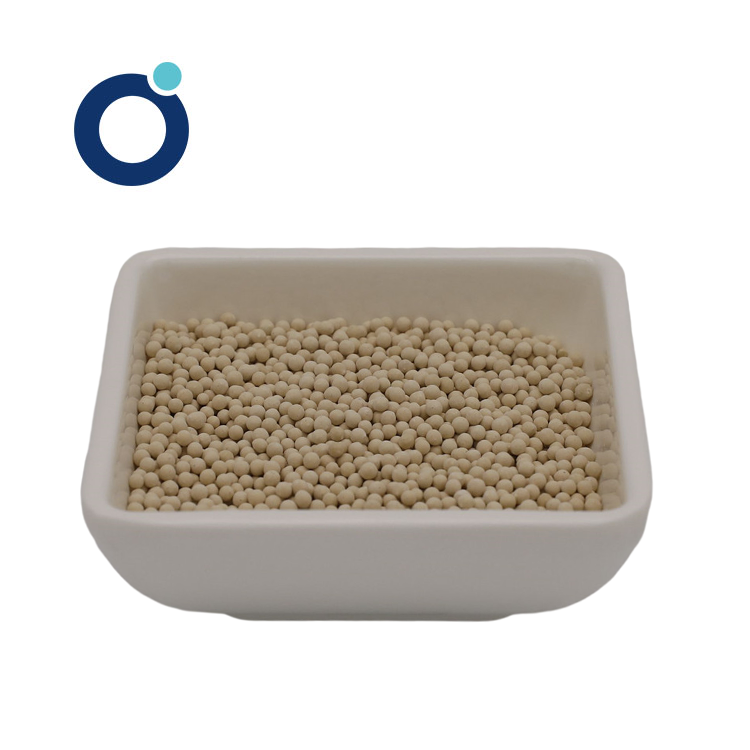
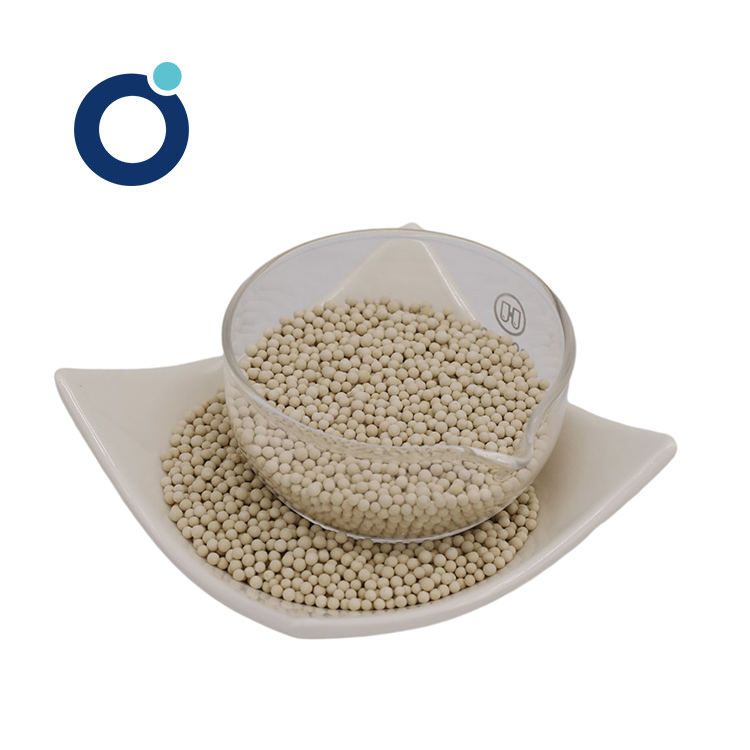
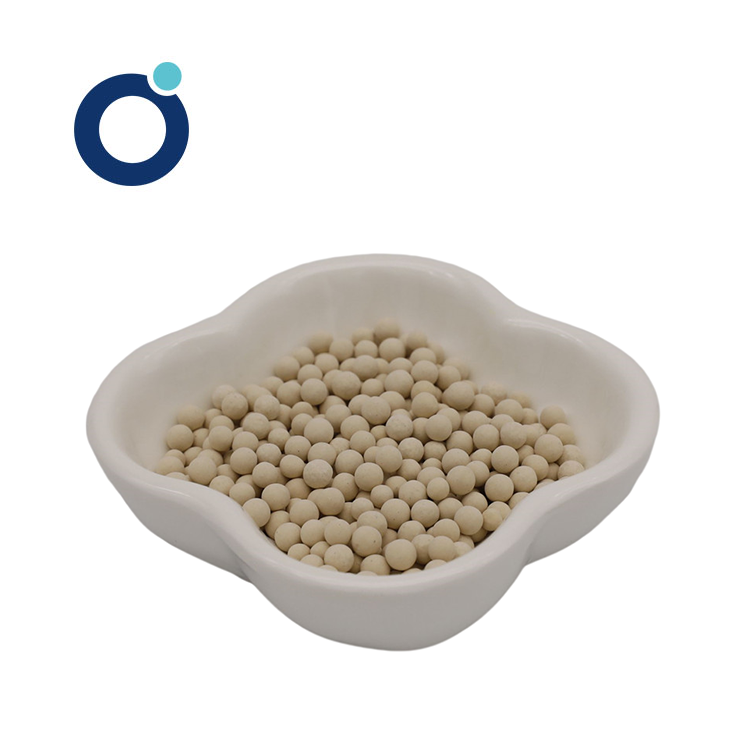
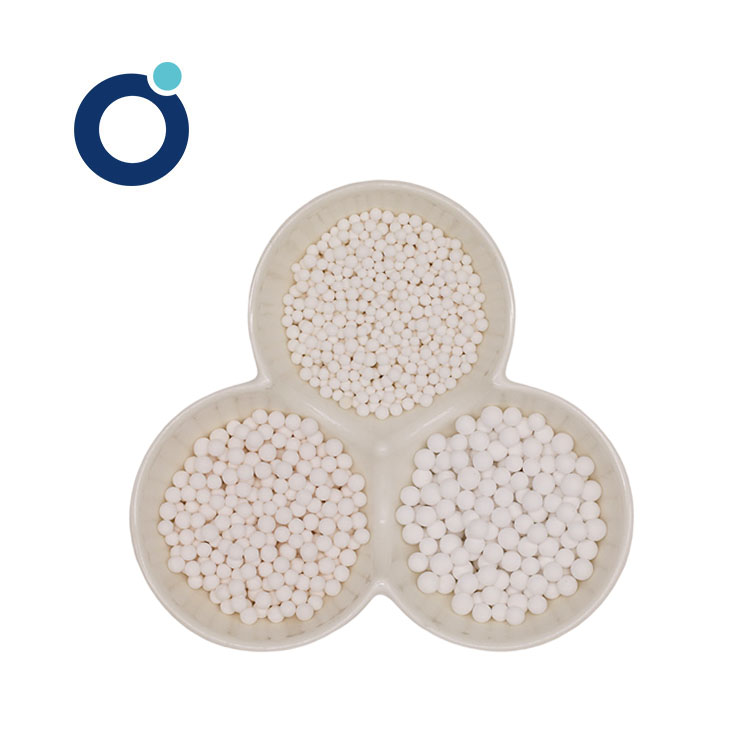
The Critical Role of Zeolite Molecular Sieves in Refrigerant Drying
In modern heating, ventilation, air conditioning, and refrigeration (HVAC/R) systems, moisture is the ultimate catalyst for system failure. The presence of even trace amounts of water within a closed-loop refrigeration cycle can trigger a sequence of destructive chemical reactions. When water mixes with fluorinated refrigerants (such as HFCs, HFOs, or legacy HCFCs) and compressor lubricating oils (especially synthetic POE or PVE oils), it undergoes hydrolysis. This reaction generates highly corrosive hydrofluoric and hydrochloric acids.
These acids attack metallic components within the system, leading to copper plating on valve reeds, bearing failure, and ultimately, compressor motor burnout. Furthermore, free moisture can freeze at the expansion valve or capillary tube, causing physical blockages that cripple the cooling cycle. To mitigate these risks, zeolite molecular sieves are integrated into filter driers to act as a continuous chemical shield, selectively capturing water molecules while ignoring the refrigerant molecules themselves.
Why Zeolite is the Industry Standard
Zeolite molecular sieves are crystalline aluminosilicates with a highly ordered, three-dimensional framework of SiO4 and AlO4 tetrahedra. This structure yields uniform pore diameters on a molecular scale. Unlike silica gel or activated alumina which rely on physical capillary condensation, molecular sieves utilize size-exclusion and electrostatic attraction. This allows them to:
- Adsorb Moisture at Ultra-Low Concentrations: They maintain high water capacity even when the relative humidity of the system is extremely low, pulling moisture levels down to under 10 ppm.
- Operate at Elevated Temperatures: Liquid line filter driers often run hot. Zeolites retain their moisture-holding capacity far better than other desiccants under high thermal stress.
- Prevent Co-adsorption: By selecting the correct pore size (typically 3Å), the sieve allows water molecules (approx. 2.7Å) to enter its cavities while excluding larger refrigerant molecules, preventing chemical degradation of the cooling fluid.
Industrial & Commercial Landscape: The Transition to Eco-Friendly Refrigerants
The global HVAC/R market is currently undergoing a massive regulatory transition driven by the Kigali Amendment to the Montreal Protocol. The phasedown of high-GWP (Global Warming Potential) HFCs like R-134a, R-404A, and R-410A has forced the industry to adopt low-GWP alternatives. These include Hydrofluoroolefins (HFOs) like R-1234yf and R-1234ze, as well as natural refrigerants such as Carbon Dioxide (R-744), Ammonia (R-717), and Isobutane (R-600a).
This transition has profound implications for desiccant technology. New refrigerants and their corresponding synthetic lubricants are significantly more hygroscopic (moisture-absorbent) than their predecessors. For instance, POE oils used with HFCs/HFOs absorb moisture up to 10 times faster than mineral oils. Consequently, the demand for highly specialized zeolite formulations, such as XH-7, XH-9, and XH-11 molecular sieves, has surged globally. Manufacturers must now produce desiccants that exhibit high physical strength to withstand mechanical vibration in mobile AC systems, while maintaining chemical inertness to prevent the catalytic decomposition of sensitive new HFO molecules.
Automotive Air Conditioning
Transitioning from R-134a to R-1234yf demands highly stable XH-9/XH-11 class molecular sieves to prevent desiccant attrition and refrigerant breakdown.
Commercial Cold Chain
Supermarket racks and transport refrigeration require continuous moisture control to protect perishable goods and ensure system uptime.
Domestic Refrigeration
Compact, highly efficient molecular sieve cores are integrated into household refrigerators utilizing R-600a for silent, maintenance-free operations.
Deep Dive: Critical Application Scenarios
1. Mobile Air Conditioning (MAC) Systems
Automotive AC systems operate under extreme conditions: constant mechanical vibration, rapid temperature fluctuations, and exposure to road debris. The transition to R-1234yf has made desiccant selection critical. Standard 3A or 4A molecular sieves can catalyze the decomposition of R-1234yf into toxic and corrosive byproducts. Specialized zeolites with optimized framework chemistry and high mechanical crush strength are required to prevent powdering, which could otherwise clog expansion valves and destroy the compressor.
2. Ultra-Low Temperature (ULT) Freezers
Used in medical and scientific laboratories to store biological samples at temperatures as low as -80°C, ULT freezers rely on cascade refrigeration systems. At these extreme temperatures, any moisture present will immediately freeze out, causing instant blockages in the capillary tubes. Zeolite molecular sieves with high kinetic adsorption rates are essential to keep the system completely anhydrous (dry) throughout its multi-decade operating life.
3. Heat Pumps and Reversible HVAC Systems
Modern residential heat pumps operate in both heating and cooling modes, reversing the flow of refrigerant. This bi-directional flow places unique physical stress on filter-driers. Molecular sieve cores used in these applications must be physically robust and chemically bound with high-performance binders to ensure they do not disintegrate when subjected to flow reversals and high-temperature gas cycles.
About Shanghai Jiuzhou Chemicals
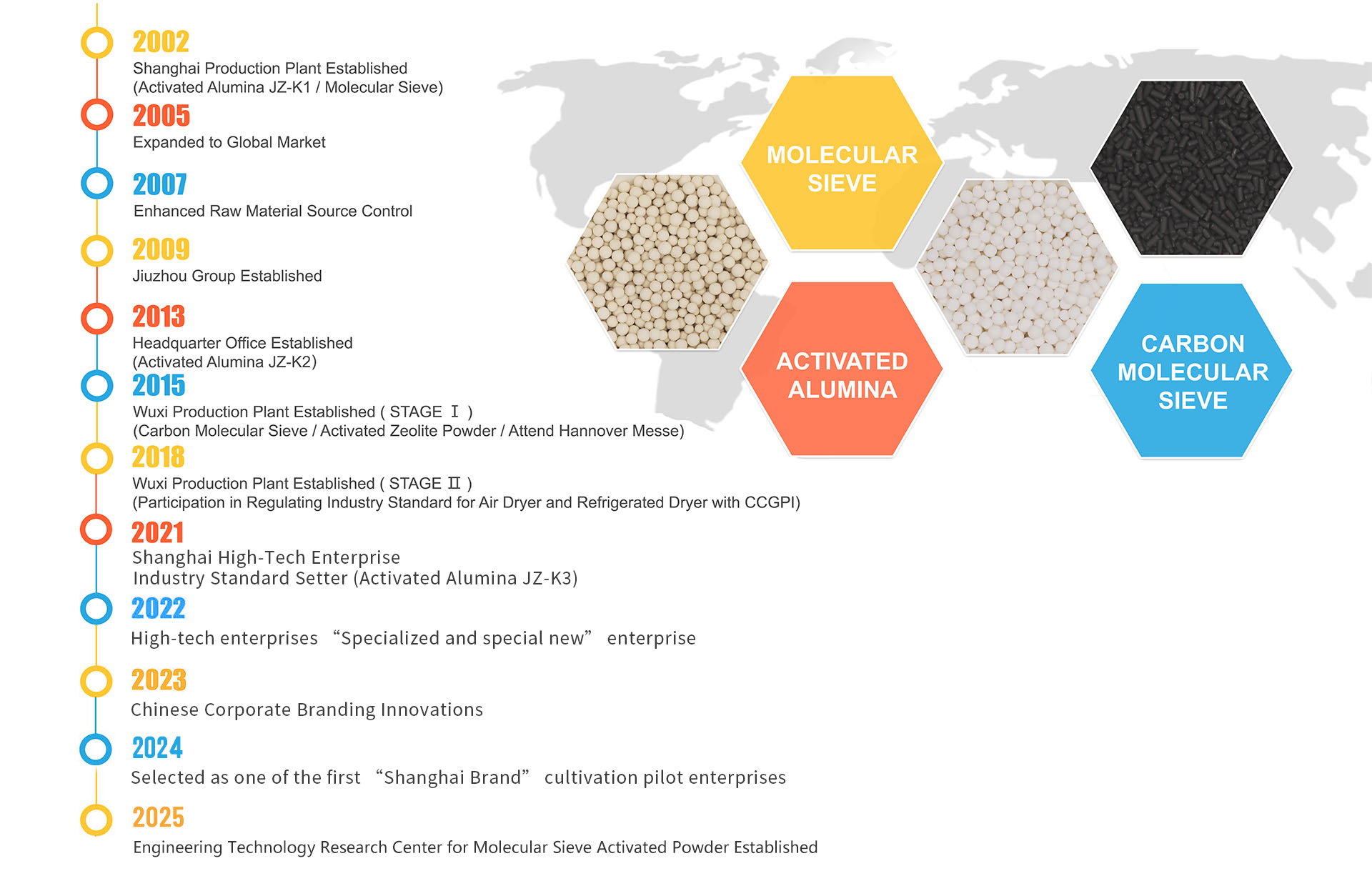
Shanghai Jiuzhou Chemicals Co., Ltd. Located in the biggest Economic Development city Shanghai. Over the years Jiuzhou has always adhered to the “quality control, innovation “principles, committed to the development, research, manufacturing of high quality innovative chemical products. Our main products includes various molecular sieve powders, molecular sieves, activated powder, activated alumina, aluminum oxide catalysts, different types of alumina packing and ceramic balls, sodium silicates, aluminum hydroxide,zeolite 4A, sodium carbonates, SLES, etc. Our all products passed the ISO9001: 2008 quality management system certification and TUV & SGS Certification.
Jiuzhou factory has a professional and world-class research team and experts in chemical product resources.We use the best in international prodution technonlogy and professional production equipment, constructed in line with national standards and by the large multipurpose plant monitoring, analysis instrument composition the central laboratory. And in quality inspection aspect Jiuzhou have controlled and that products meet international standards.
Jiuzhou's technical strength and industry reputation are leading the industry in the field f desiccants, with senior experts and technical reserves, automated multi-unctional production workshops, and a central laboratory and dynamic laboratory composed of large-scale monitoring and analysis instruments. It is in quality control And in terms of supporting services, a set of scientific and complete operating system has been established Joozeo products are exported to all parts of the world, and have established a distribution network in the United States, Southeast Asia, Japan, Europe, North and South America, the Middle East and other places to provide parthers with high-quality products, customized services, and more eneray-saving and environmentally friendly adsorption solutions.
Future Trends in Zeolite Desiccant Technology
As the HVAC/R industry pushes towards carbon neutrality, the design of molecular sieves is evolving. Several key trends are shaping the future of this sector:
Green Chemistry and Sustainable Manufacturing
Traditional zeolite synthesis involves energy-intensive hydrothermal crystallization. Emerging trends focus on reducing the carbon footprint of desiccant production by utilizing green templates, recycling process water, and sourcing raw silica and alumina from industrial byproducts. This aligns with the overall sustainability goals of modern HVAC manufacturers.
Hybrid Binder Systems
Molecular sieve beads are held together by clay binders. In high-pressure systems like CO2 (R-744) transcritical cycles, which operate at pressures exceeding 120 bar, standard binders can fail, leading to bead compaction or degradation. Advanced hybrid organic-inorganic binders are being developed to maintain structural integrity under extreme pressure dynamics.
Smart Filter Driers
Research is underway to combine molecular sieves with colorimetric indicators or electronic sensors that can detect moisture saturation levels in real-time. This allows preventive maintenance schedules to replace the filter drier before moisture breakthrough occurs, preventing costly system failures.
Our Complete Refrigeration & Desiccant Product Line
Explore our full catalog of high-capacity adsorbents, engineered to provide maximum moisture protection and chemical stability across diverse industrial refrigeration systems.